Australia’s food scene surprises most first-time Indian visitors, and not in the direction they expect. People arrive braced for meat pies and Vegemite and leave talking about the coffee, the Vietnamese and Thai food that rivals what you’d find in Hanoi or Bangkok, and a wine and produce culture that genuinely competes with anywhere in Europe. This isn’t a “top 10 restaurants” list — it’s the food trail we’d actually walk you through across Sydney, Melbourne, the Gold Coast, Tasmania, the Great Barrier Reef region, and Perth.
Sydney: Where Asia Meets the Harbour
Start your Sydney mornings the way locals do — not with a hotel buffet, but with a flat white from a laneway café in the CBD or Surry Hills. Coffee culture here runs almost as deep as Melbourne’s, just with less of the ego about it. For a proper Sydney food morning, head to Spice Alley in Chippendale, an open-air hawker-style lane of Asian food stalls that’s cheap, genuinely good, and a world away from tourist-trap harbourside dining. Newtown’s King Street is the city’s most eclectic eating strip — you’ll find everything from Sri Lankan short-eats to Turkish gozleme within a five-minute walk. For a splurge, Chinatown’s yum cha on a Sunday morning is a genuine Sydney institution, loud and chaotic in the best way, with trolleys of dumplings circling until you flag one down. Late at night, Belmore Park near Central Station turns into an unofficial food truck strip on weekends — a good option after a late flight or a big night out.
Melbourne: The Coffee Capital, and Then Some
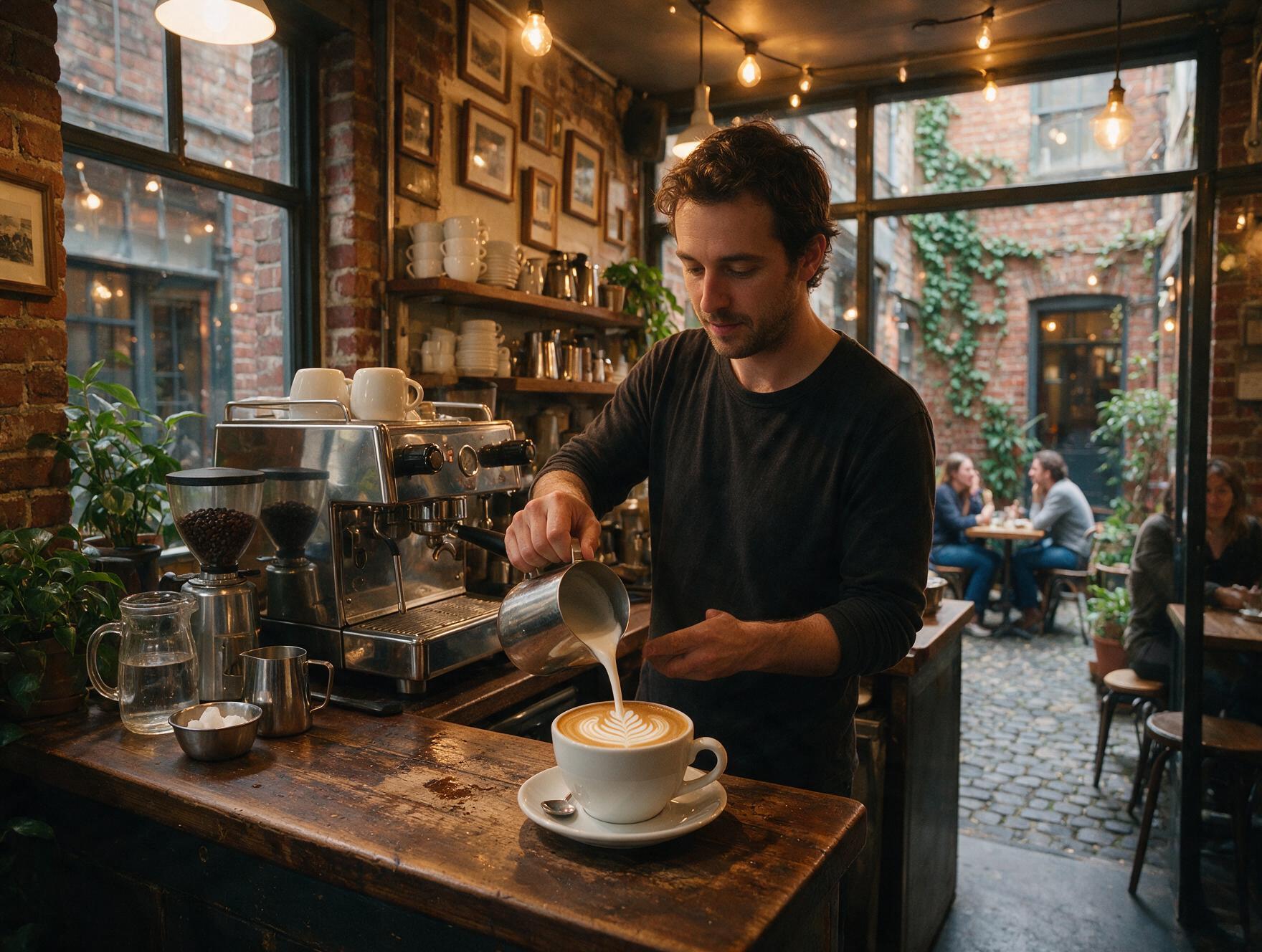
Melbourne doesn’t just have good coffee — it has opinions about good coffee, and once you’ve had a flat white from Degraves Street or one of the CBD’s laneway cafés, you’ll understand why locals get prickly when Sydney claims equal footing. Beyond coffee, Melbourne’s food scene runs on its immigrant communities: Lygon Street in Carlton for old-school Italian, Victoria Street in Richmond for Vietnamese pho that locals will argue about by specific shopfront, and the Queen Victoria Market’s night market (seasonal, so check dates) for a browse-and-graze evening. Ice cream lovers should detour to Brunswick Street in Fitzroy, which has a genuine gelato culture worth a slow evening walk. A mistake to avoid: don’t judge Melbourne’s food scene by what’s directly on Flinders Street — the real strength is one or two streets back, in Fitzroy, Collingwood, and Richmond.
Gold Coast: Beachside Brunches and Asian Food Courts
The Gold Coast’s food identity is more relaxed than Sydney or Melbourne’s — this is a beach city, and the food leans into that. Burleigh Heads has become the Gold Coast’s best food strip in the last few years, with a genuine café culture along James Street that rivals the bigger cities for brunch quality. For something different, the Chinatown-style food court at Southport has excellent, affordable Asian food, a good option if you’re templed-out on seafood and want variety fast. Ice cream and gelato spots cluster around Mermaid Beach and Broadbeach — a post-beach walk with a cone in hand is basically the local uniform on a warm evening.
Tasmania: Produce-Driven and Proudly Local
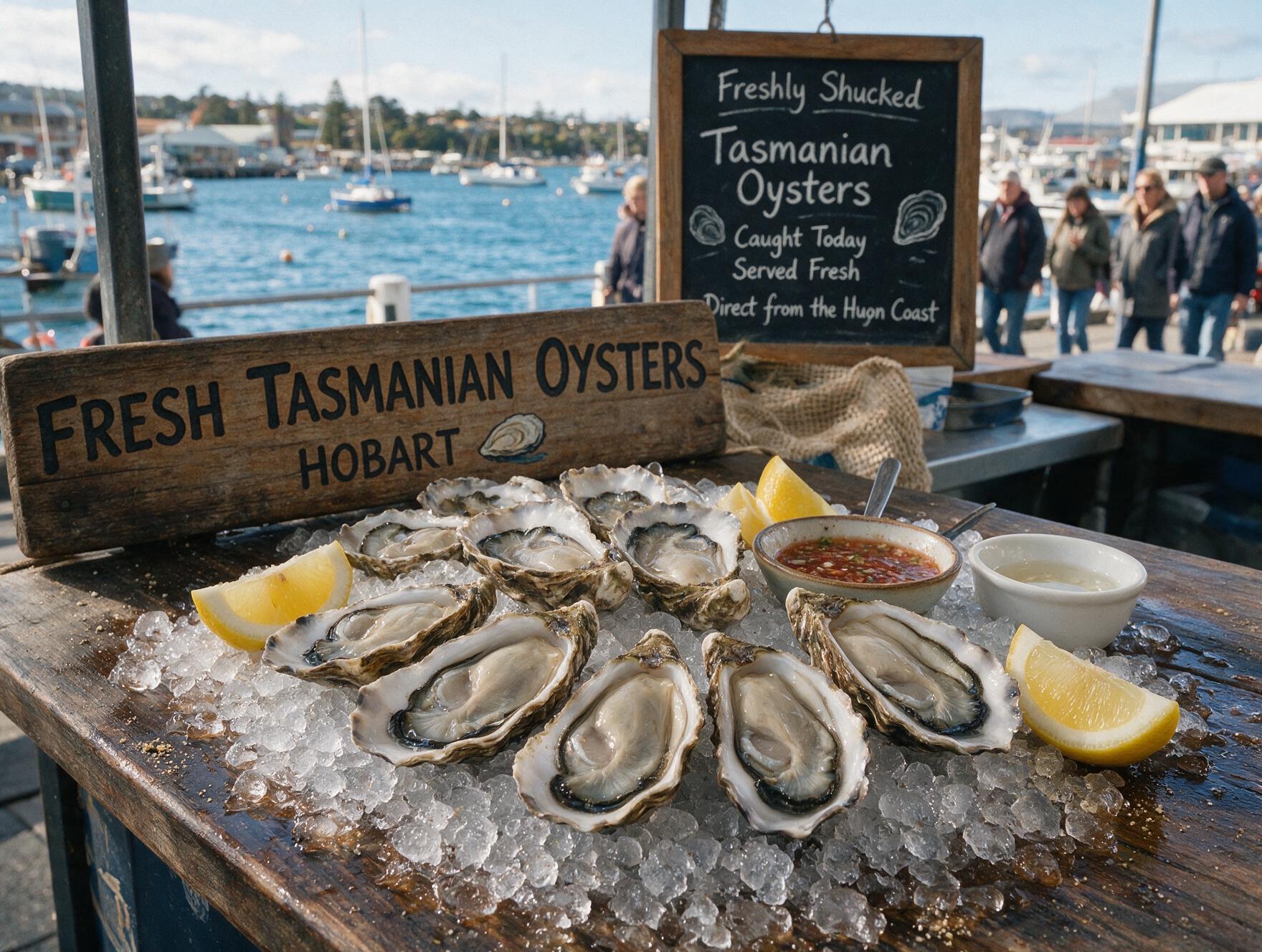
Tasmania punches well above its size on food, largely because the island’s cool climate produces exceptional cheese, oysters, and cool-climate wine. In Hobart, Salamanca Place is the obvious starting point — the Saturday Salamanca Market has fresh produce, baked goods, and local specialties in one long, lively strip along the harbour. Battery Point’s cafés are worth a slow breakfast, and Farm Gate Market on Sundays (Bathurst Street) is a smaller, more local alternative to Salamanca if you’d rather skip the tourist crowds. A genuine Tasmania food tip: the oysters here are some of the best and most affordable in the country, and a dozen fresh from a Salamanca stall costs a fraction of what you’d pay for a similar plate in Sydney.
Great Barrier Reef Region (Cairns): Fresh, Tropical, and Vietnamese-Leaning
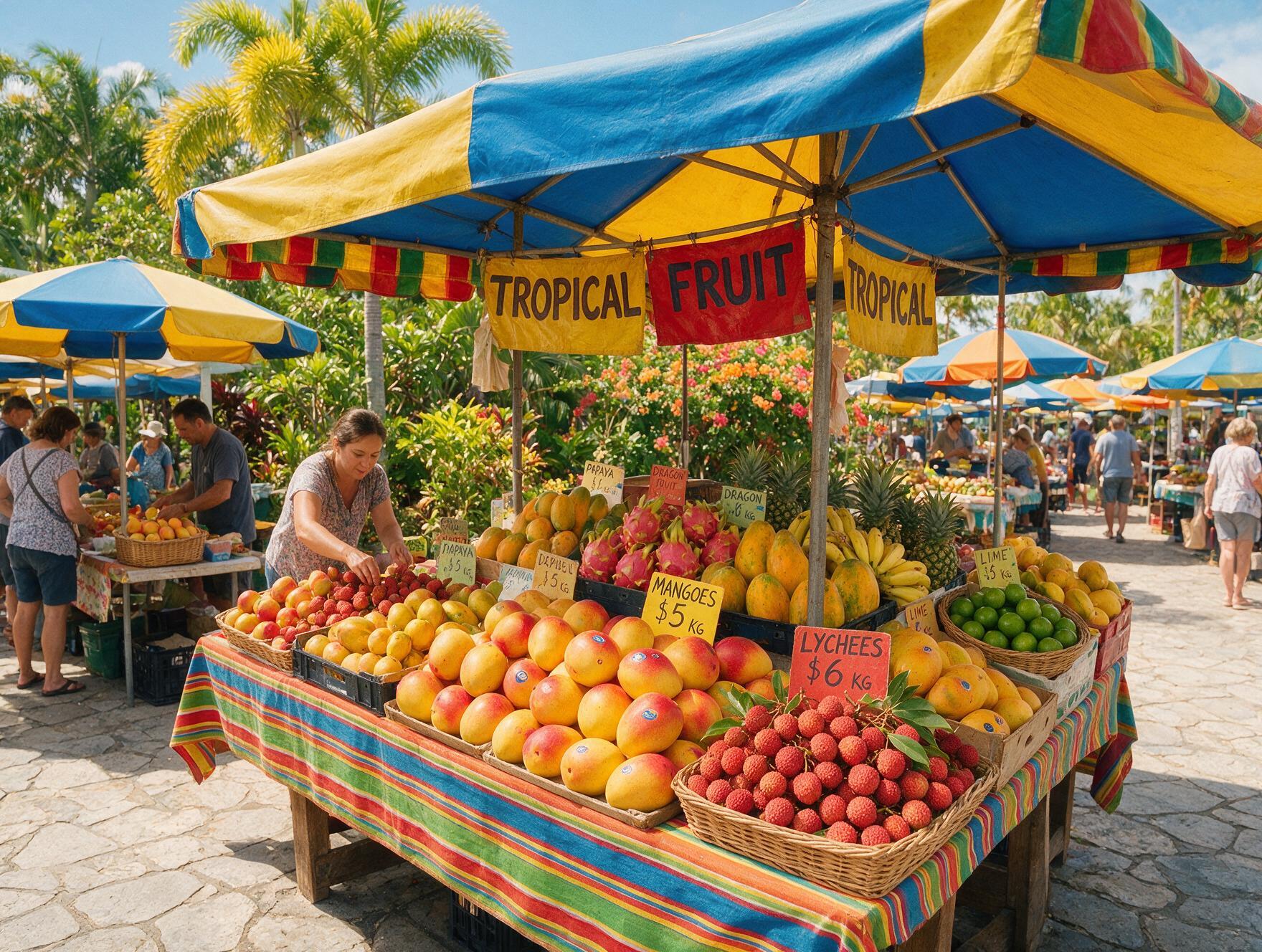
Cairns’ food scene is smaller than the big cities, but it has a genuinely strong Vietnamese food culture — a legacy of the region’s history — with several excellent, unassuming spots doing pho and banh mi better than the fancier restaurants nearby. The Cairns Esplanade has a lively night market feel on weekends, and Rusty’s Markets (Friday to Sunday) is the place for tropical fruit you won’t find at home — try a fresh mango or a lychee if they’re in season, since Queensland’s tropical fruit is a different experience entirely from what’s exported. Gelato is a genuine Cairns highlight too, oddly enough — a legacy of the town’s popularity with European backpackers over the decades who demanded good ice cream in the tropical heat.
Perth: Understated but Genuinely Good
Perth’s food scene is the most underrated of the six cities on this list — it doesn’t get talked about outside Australia much, but Fremantle’s harbourside strip has excellent seafood, and Mount Lawley and Northbridge have become genuine dining destinations with a strong café culture. Perth’s isolation (it’s genuinely one of the most remote major cities on earth) has pushed local chefs toward showcasing Western Australian produce heavily, so look for menus built around Margaret River wine and cheese, WA truffles in season, and excellent seafood pulled straight from the Indian Ocean. Small Bar culture in Northbridge is worth an evening if you want a taste of how Perth locals actually socialise, rather than the tourist-facing Fremantle strip.
Must-Try Dishes You Won’t Get at Home
A handful of things are worth actively seeking out rather than stumbling on. Barramundi, a native Australian fish, shows up grilled or pan-fried on menus nationwide and is worth ordering at least once — mild, flaky, and genuinely a different experience from the fish you’d get in India. Meat pies are a genuine national obsession, sold everywhere from petrol stations to bakeries, and a good one (skip the servo pies, find a proper bakery) is worth the calories. Tim Tams, the chocolate biscuit, aren’t a restaurant dish but they’re a genuine cultural touchstone — try the “Tim Tam Slam” (biting off both corners and using it as a straw for hot coffee) at least once for the novelty. And if you’re near the coast anywhere on this list, fresh oysters are consistently better and cheaper than what most travellers expect, Tasmania’s above all.
Late-Night Eats
Australia isn’t a 24-hour food culture the way parts of Asia are, but each city has its own after-dark options. Sydney’s Chinatown (Haymarket) keeps several noodle and hotpot spots open past midnight on weekends, a genuine lifesaver after a late flight. Melbourne’s CBD has a scattering of late-night kebab and pizza-by-the-slice spots around Flinders Street Station, useful after a night out in the laneway bars. On the Gold Coast, Surfers Paradise has 24-hour fast food and a few late Asian food spots along the Esplanade. Cairns and Hobart are the two on this list where you should not expect much after 10pm outside of hotel room service — plan your dinner earlier in these towns rather than counting on a late option.
A Photography and Smart-Spending Tip
Markets are your best photo opportunities on this whole trail — the produce stalls at Salamanca, the fruit piles at Rusty’s, and the dumpling trolleys at Sydney yum cha all photograph far better than a plated restaurant dish under bad lighting. On spending: lunch specials are consistently 20-30% cheaper than the same menu at dinner across every city here, so if there’s a specific restaurant you want to try, doing it for lunch rather than dinner stretches your food budget noticeably further over a two-week trip without any real downgrade in experience.
A Few Practical Notes on Eating Your Way Across Australia
Tipping isn’t expected the way it is in the US — a service charge is sometimes added automatically for larger groups, but rounding up or a small tip for exceptional service is appreciated rather than required. Card payments, including tap-to-pay, are near-universal; carrying cash for food is genuinely unnecessary in every city on this list, including the smaller markets. Sunday and public holiday surcharges (typically 10-15%) are common and legal in Australia, so don’t be surprised by a slightly higher bill on a Sunday brunch — it’s not a scam, it’s how hospitality wages work here.
Who This Food Trail Suits
Couples will get the most out of Melbourne’s laneway bars and Hobart’s Salamanca evening scene — both reward a slow pace and a bit of wandering rather than a checklist. Families travelling with kids should lean on the Gold Coast’s Southport food court and Cairns’ Rusty’s Markets, both easy, low-fuss, and forgiving of fussy eaters since there’s enough variety that everyone finds something. Luxury travellers should ring-fence a evening in Perth or Hobart for a proper produce-driven degustation — Western Australia and Tasmania’s small-producer culture supports genuinely excellent fine dining that doesn’t get the international attention Sydney and Melbourne’s top restaurants do, which also means it’s easier to get a table.
Frequently Asked Questions
Is Australian food expensive for Indian travellers?
Yes, relative to home — a casual meal runs AUD 20-30 per person, and a sit-down dinner with drinks can easily reach AUD 60-80 per person in Sydney or Melbourne. Markets and food courts (Spice Alley, Rusty’s Markets, Southport’s food court) offer much better value than standalone restaurants.
Is Indian food easy to find in Australia?
Very easy in Sydney, Melbourne, and Perth, which all have large Indian communities and correspondingly good Indian restaurants. It’s thinner on the ground in Cairns and Tasmania, though most towns have at least one solid option.
What’s the one food experience worth prioritising?
If you only do one, make it Melbourne’s laneway coffee culture — it’s free to experience (you’re just buying a coffee), genuinely different from anything at home, and gives you a real feel for how the city actually lives day to day.
Build This Into Your Itinerary
None of this needs a dedicated “foodie trip” — it slots naturally into whichever cities are already on your Australia itinerary. If you’d like a trip built around these food stops specifically, or want restaurant bookings handled for you, our team can build that into your Australia itinerary from the start.