The single most common packing mistake we see with Australia-bound clients is treating it like one climate. It isn’t. Australia is roughly the size of continental Europe, spans tropical Cairns to temperate Tasmania, and runs opposite seasons to India — December is peak summer, July is the middle of winter. If your itinerary crosses more than one region (and most good Australia itineraries do), your suitcase needs to work across genuinely different conditions in the same trip.
Understanding Australia’s Seasons First
Australia’s seasons are flipped from the Northern Hemisphere: summer runs December to February, autumn March to May, winter June to August, and spring September to November. Tropical northern regions (Cairns, Darwin) don’t really follow this pattern at all — they run a wet season (roughly November to April, hot and humid with monsoon-style rain) and a dry season (May to October, warm and far more comfortable for sightseeing). This is the single most important thing to get right when packing: check the season for the specific region you’re visiting, not just “Australia” as a whole, because Sydney in July and Cairns in July call for almost opposite wardrobes.
Summer (December–February): Sydney, Melbourne, Gold Coast, Perth
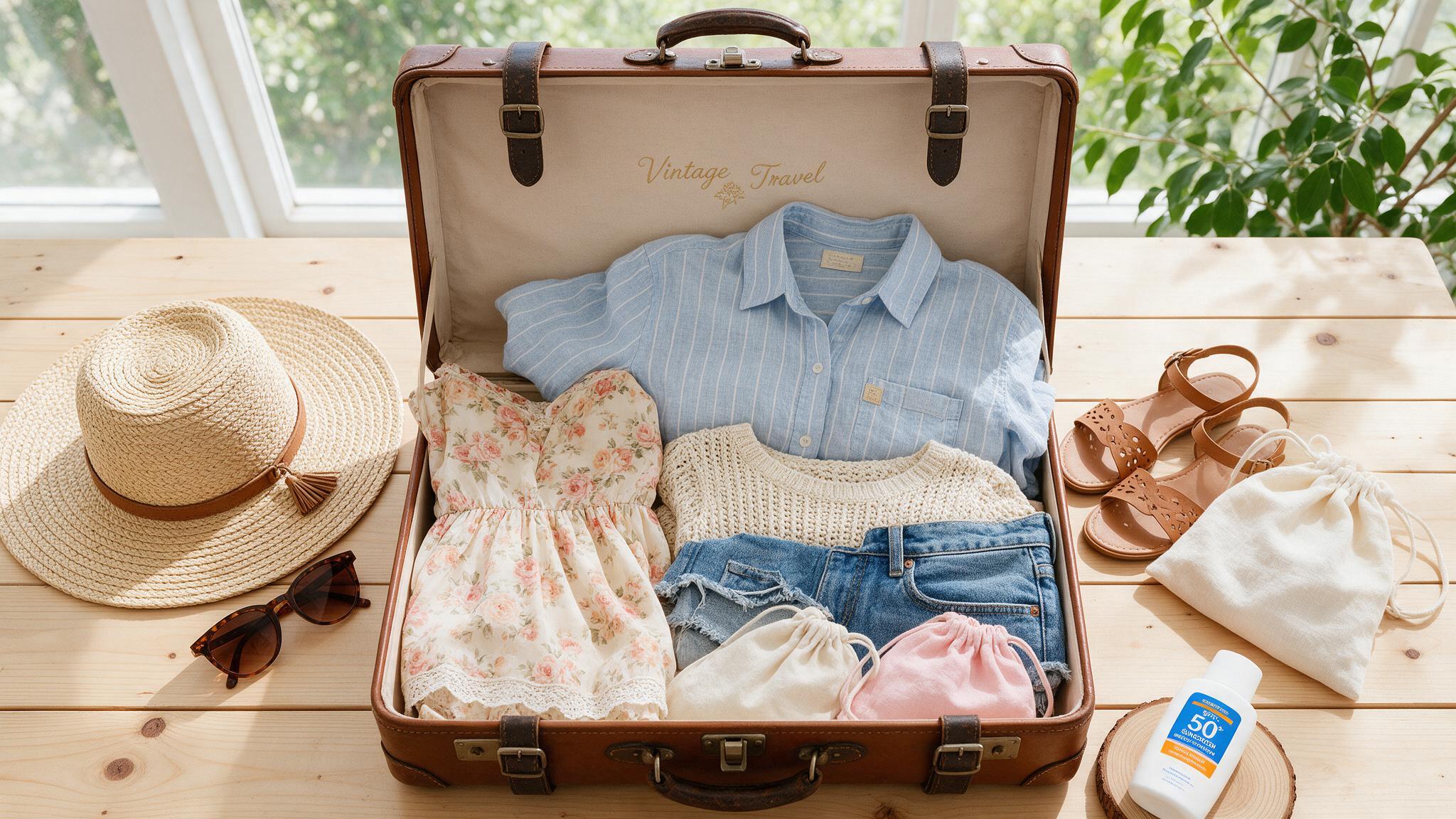
Expect genuine heat — Sydney and Melbourne regularly hit the low-to-mid 30s°C, and Perth can push higher and drier. Pack lightweight, breathable fabrics (cotton and linen over synthetics), a wide-brimmed hat, and proper sunglasses — Australia’s UV index is famously high even on mild-feeling days, and sunburn here happens faster than most Indian travellers expect. A reef-safe sunscreen (SPF 50, look for one that doesn’t contain oxybenzone if you’re doing any reef swimming) is worth buying before you travel, since not every option sold locally is reef-safe and marine park rules increasingly ask visitors to use one. Swimwear is essential regardless of your itinerary — beaches and lagoons show up constantly even in city-focused trips. One Melbourne-specific note: pack a light layer even in summer, since the city is famous for “four seasons in one day” and a 30°C afternoon can drop sharply by evening.
Winter (June–August): Sydney, Melbourne, Tasmania, Perth
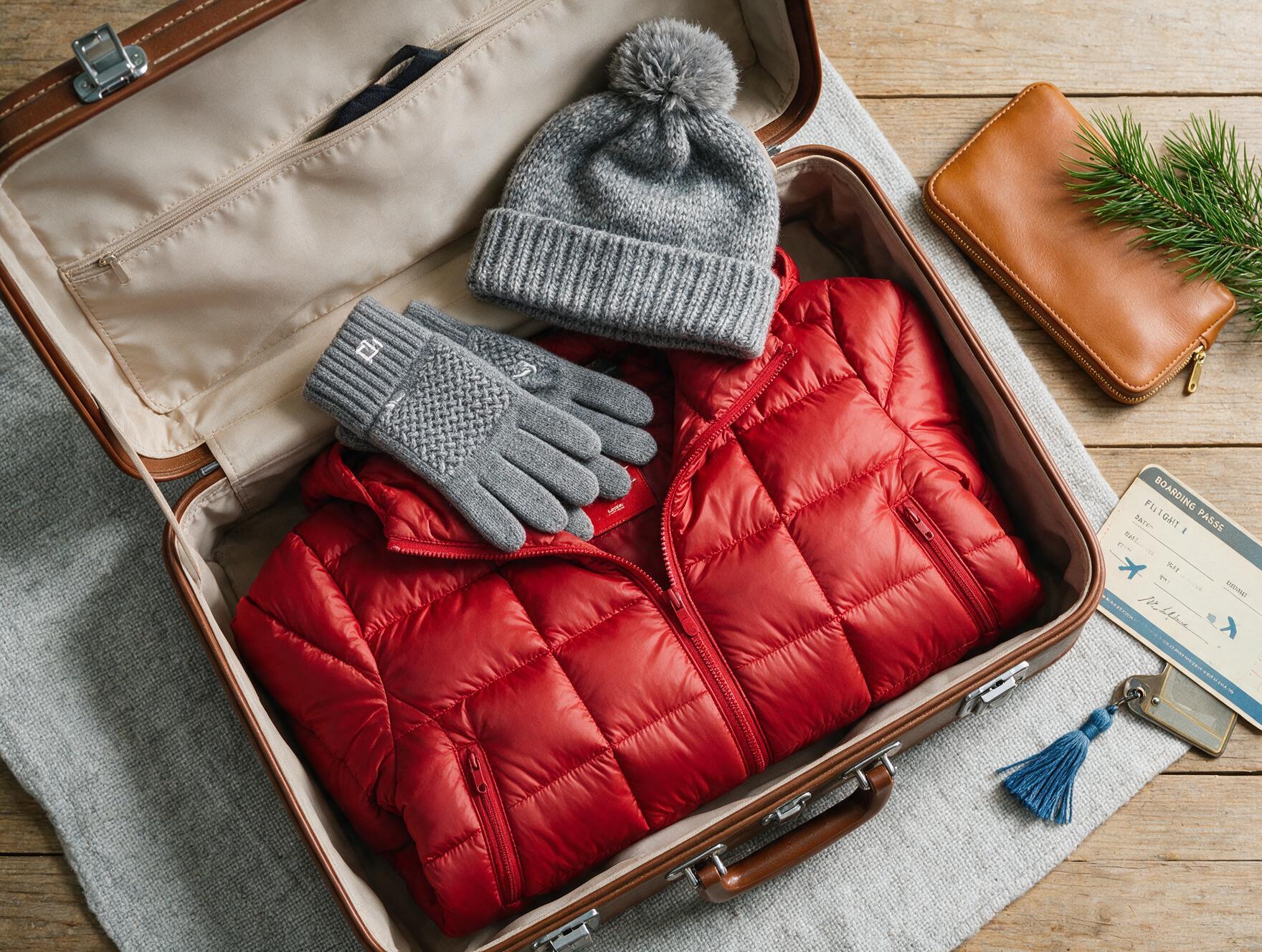
Australian winters are mild by Indian mountain-region standards but genuinely cold enough to need real layers, especially in Melbourne, Hobart, and anywhere at altitude. Melbourne and Sydney winters sit in the 8–17°C range — a warm jacket, a couple of sweaters, and closed shoes are essential, not optional. Tasmania is the coldest destination on this list and can dip close to freezing overnight in Hobart during winter, so pack a proper insulated jacket, gloves, and a beanie if you’re heading there in July or August. This is also the dry season in Cairns and the reef region, which makes winter genuinely one of the best times to combine a cold-weather city leg with a warm, comfortable reef trip — just remember your itinerary needs both a jacket and swimwear packed simultaneously if you’re doing this combination.
Spring (September–November) and Autumn (March–May): The Sweet Spot
These shoulder seasons are genuinely the easiest to pack for and, in our experience, the most pleasant times to visit most of Australia — mild temperatures, fewer extremes, and lighter crowds than the December peak. A packable rain jacket earns its place in your bag for either season, since spring and autumn both bring more variable weather than summer’s reliable heat. Layering is your friend: a t-shirt, a light long-sleeve, and a jacket you can add or remove covers most days in Sydney, Melbourne, or Perth during these windows.
Tropical Wet Season (November–April): Cairns and the Reef
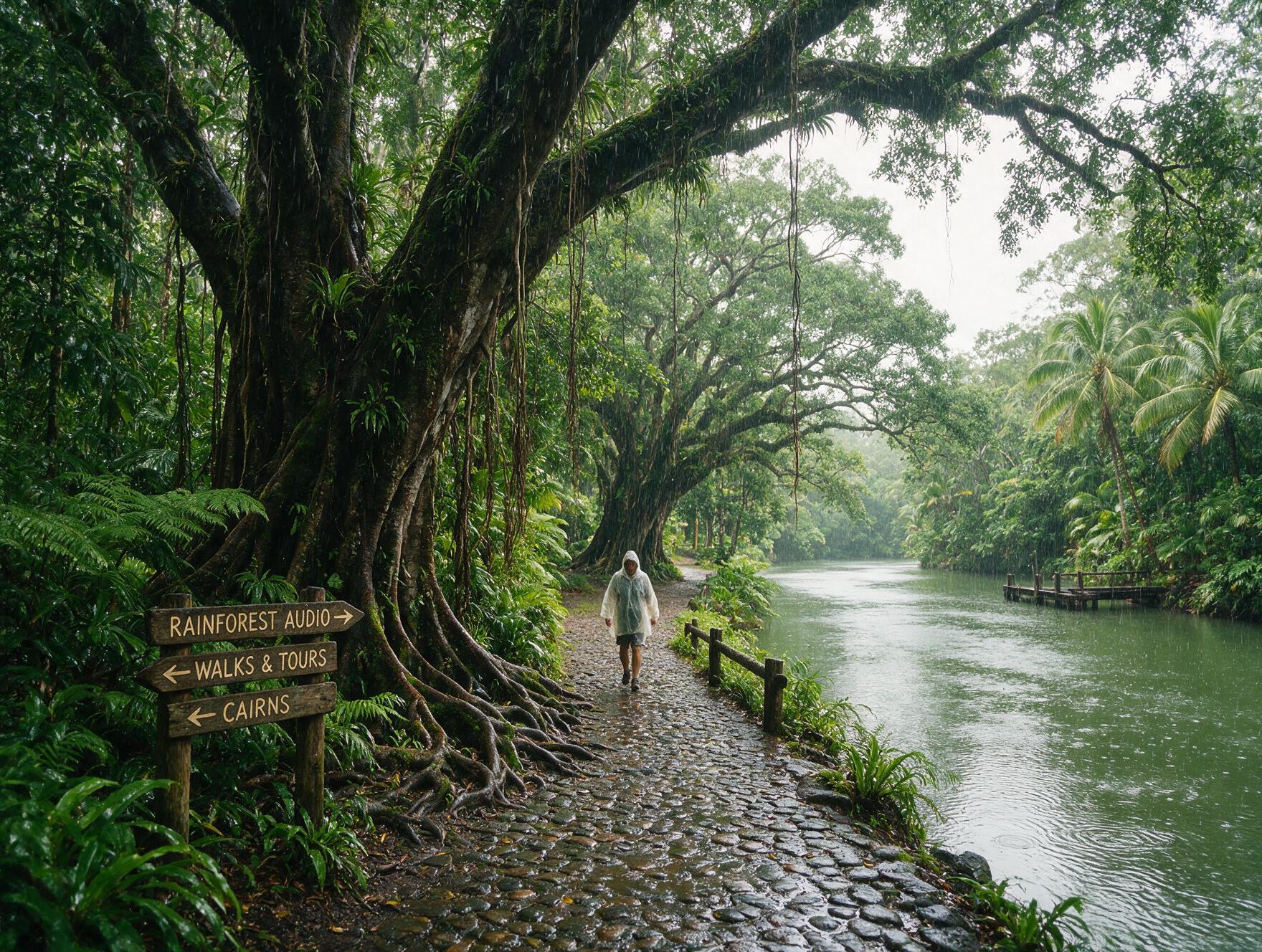
If your Cairns or Great Barrier Reef leg falls in the wet season, pack differently than you would for the rest of the country. Expect high humidity, sudden heavy downpours, and genuine heat even when it’s raining — a light rain jacket or poncho, quick-dry clothing, and closed sandals that handle sudden wet ground are more useful than a heavy raincoat. This is also stinger season in the ocean near Cairns (roughly November to May), so a full-body swim suit (stinger suit) is worth packing or renting locally if you plan to swim in the sea rather than sticking to the Esplanade Lagoon.
Packing Differently by Trip Type
Couples on a Melbourne-and-Tasmania honeymoon in winter should prioritise one genuinely good outfit for a nice dinner alongside the practical cold-weather layers — Hobart and Melbourne both have restaurants worth dressing for. Families travelling in the summer window should pack more swimwear than feels necessary and a change of clothes per child per day, since beach and lagoon stops happen more often than most itineraries plan for on paper. Luxury travellers doing a Sydney-reef combination should pack at least one smart-casual outfit for a nicer harbourside dinner, since Sydney’s better restaurants do enforce a baseline dress code even though the city overall reads as casual.
What to Pack Regardless of Season
- A universal travel adapter — Australia uses Type I plugs, different from India’s Type C/D, so this is non-negotiable
- Comfortable, broken-in walking shoes — Australian cities involve more walking than most Indian travellers expect, and cobblestone laneways in Melbourne are not the place to test new shoes
- A reusable water bottle — tap water is safe to drink across every city on this list, and refill stations are common, which also saves money over buying bottled water constantly
- A lightweight day backpack for hikes, markets, and beach days
- Basic medication and a copy of prescriptions if you take regular medicine — pharmacies are excellent but not every Indian brand name translates directly
- Modest swimwear if that’s your preference — Australian beaches are relaxed about swimwear norms generally, but there’s no expectation either way, so wear what you’re comfortable in
A Mistake to Avoid
Don’t pack for the season back home instead of the season at your destination. We’ve had clients arrive in Melbourne in July — genuine winter — dressed for what they assumed was “Australian summer” based on India’s own June-August heat, and had to buy warm clothing on arrival at inflated tourist prices. Always check the actual regional forecast for your specific travel dates, not just a general assumption based on the calendar month back home.
Frequently Asked Questions
Do I need different clothes for every city if I’m visiting multiple regions?
Only if your itinerary spans genuinely different climates in one trip — for instance, Tasmania plus Cairns. A Sydney-Melbourne-only trip in the same season needs one cohesive wardrobe with light layering, not a full changeover.
Is it true Melbourne has unpredictable weather even in summer?
Yes — “four seasons in one day” is a genuine local saying, not an exaggeration, and packing at least one light layer even for a summer Melbourne visit is sensible.
What’s the one item people most often forget?
A proper hat and reef-safe sunscreen. Australia’s UV levels catch people off guard more than any temperature-related packing mistake we see.
Let Us Handle the Planning
We build packing notes into every Australia itinerary based on your specific dates and regions, so you’re never guessing between a raincoat and a sunhat. Visit our Australia destination page for itinerary ideas suited to whichever season you’re travelling in.