Your Guide to Being a Local in Melbourne
By 8:15 on a Tuesday morning, Degraves Street is already elbow to elbow, and nobody looks like they’re in a hurry despite the queue trailing past three cafés. That’s the first thing that tells you Melbourne is different from most cities on an Australia travel guide checklist: the coffee stop isn’t a stop. It’s the actual plan. People linger, read the paper on their phone instead of a phone, and the barista somehow remembers a regular’s order two people back in the line. This guide isn’t a top-ten list of Melbourne attractions — you’ve probably already read five of those. It’s what a weekend actually looks like if you live here, or if you’re visiting long enough to stop acting like a tourist by day three.
What’s in this guide
- Melbourne’s coffee ritual isn’t a stop, it’s a structure
- The laneways are the street grid locals actually use
- Pick a neighbourhood and just wander
- Trams, the free zone, and getting around like a local
- Weekend market mornings at Queen Victoria Market
- A food and wine moment worth building a day around
- Best time to visit and how many days you actually need
- FAQs
Melbourne’s coffee ritual isn’t a stop, it’s a structure
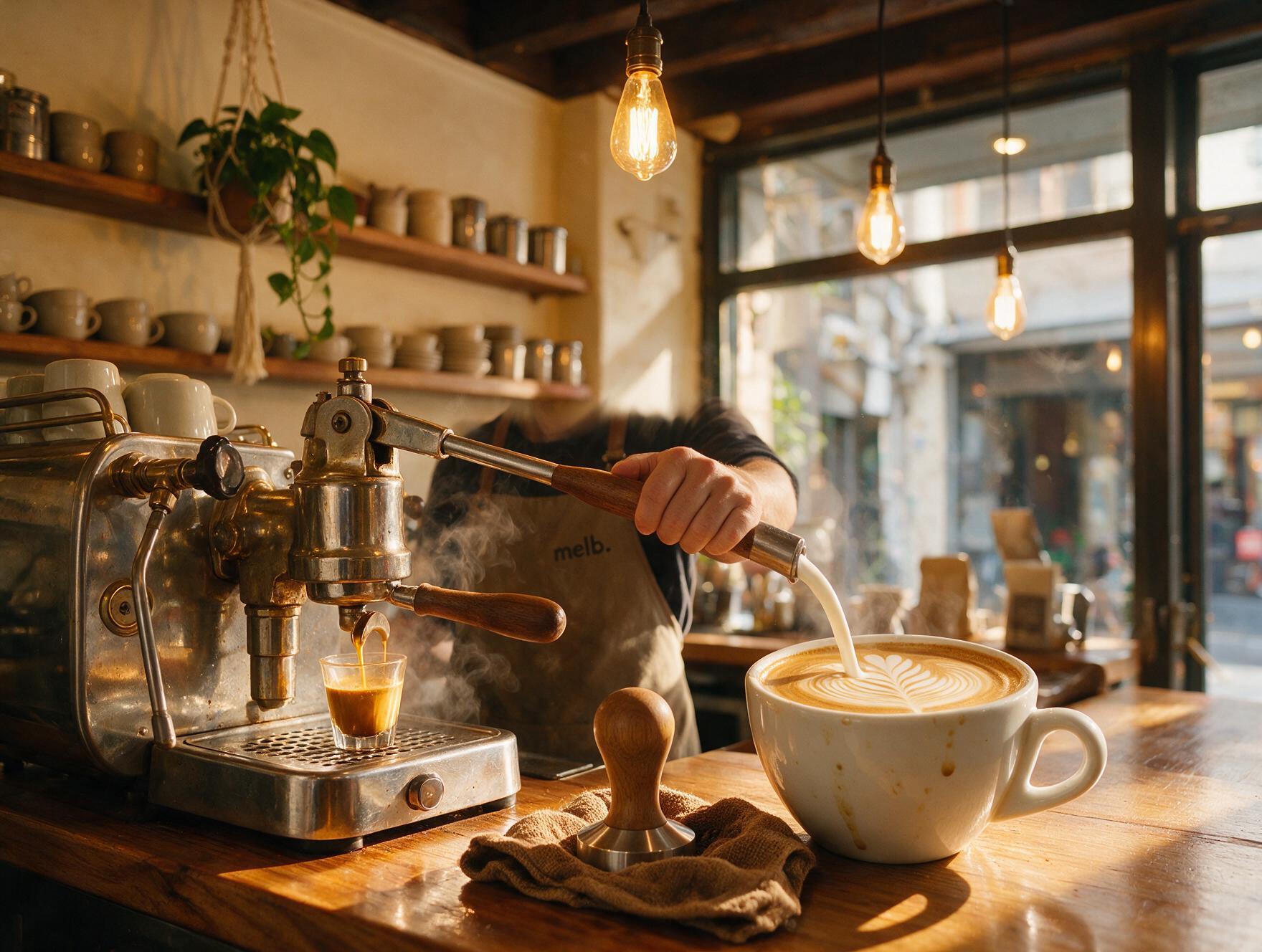
Here’s a mistake worth avoiding on your first morning: walking up to a counter and ordering “a regular coffee.” You’ll get a polite, faintly amused pause, because Melbourne baristas expect you to know the vocabulary — flat white, long black, piccolo, magic. That last one is a genuinely local order: a magic is basically a smaller, stronger flat white, invented here and rarely seen outside Victoria, and asking for one is a decent way to signal you’ve done more than skim a listicle.
Here’s the honest twist, though: the flat white itself almost certainly wasn’t invented in Melbourne. The strongest documented claim traces it to regional Queensland’s sugar towns in the mid-20th century, formalised and named by a Sydney café owner in 1985. Melbourne didn’t invent the drink — it just took the ritual more seriously than anywhere else in the country, and arguably the world.
That seriousness has roots. Postwar Italian and Greek immigration is what actually built Melbourne’s coffee culture, not marketing. Pellegrini’s Espresso Bar on Bourke Street has been running since 1954, opened by brothers Leo and Vildo Pellegrini, and it still has one of the oldest working espresso setups in the city plus a neon sign from a 1958 shopfront expansion. Order a spaghetti and a short black at the bar if you want to sit where regulars have sat for seventy years — it’s cash-friendly, unfussy, and nobody will hurry you out.
For the laneway version of the ritual, Degraves Street is the obvious start: European-style seating under awnings, a strip of small cafés (Degraves Espresso and Andiamo among the long-runners) serving coffee and lunch shoulder to shoulder. A local tip that doesn’t make the standard round-up: skip Degraves between 8 and 9:30am if you actually want a table, and instead cut through to Centre Place, one lane over, where the stencil art changes often enough that regulars check it the way some people check the weather.
The laneways are the street grid locals actually use
Tourists treat Melbourne’s laneways like a single attraction to photograph. Locals treat them like shortcuts. Degraves Street, Centre Place, and Flinders Lane connect to each other and to the main grid in a way that means a five-minute walk on the street becomes a two-minute cut-through if you know which door leads where — which is exactly why so many of these lanes have a bar, a bookshop, or a tailor tucked behind an unmarked door with no signage at all.
Flinders Lane in particular has quietly become the city’s fashion and fine-dining strip, running parallel to the much busier Flinders Street but feeling like a different suburb entirely — small design stores, a scattering of high-end restaurants, and noticeably less foot traffic than the coffee lanes a block over. The honest caveat here: the street art in Hosier Lane and similar spots is genuinely worth seeing, but go before 10am or after 6pm if you want to actually see the walls instead of the backs of forty other people’s phones.
If you’re building out transport logistics around all this laneway-hopping, our Australia public transit guide covers how the tram and train network ties into the CBD grid, and our guide to free things to do in Australia has more on the laneway art scene specifically.
Pick a neighbourhood and just wander
This is the part of the weekend locals actually protect. Not a checklist of things to do in Australia’s second-biggest city — just one neighbourhood, no fixed plan, and enough time to get mildly lost.
Fitzroy and Collingwood
Brunswick Street is the bohemian spine — bars, secondhand bookstores, and cafés like Mario’s where people sit for two hours over one coffee and nobody minds. Gertrude Street, a few blocks over, is the opposite register entirely: fine dining (Cutler & Co and Marion, both from chef Andrew McConnell, anchor the strip) and small designer boutiques. Smith Street, which runs along the Fitzroy–Collingwood boundary, has a rougher, band-poster energy with live music venues and a growing cluster of breweries. Mistake to avoid: turning up to Lune Croissanterie on a Saturday morning expecting a quick pastry. The queue is real and the croissants sell out — go on a weekday morning instead, or accept the wait as part of the experience.
Carlton’s Little Italy
Lygon Street is Melbourne’s original Italian precinct, dating back to postwar migration, and it’s still lined with trattorias, gelato counters, and outdoor seating that spills onto the footpath. It’s touristy in patches, but duck one block off the main strip and the same food gets noticeably better and considerably cheaper.
St Kilda
Acland Street’s cake shops are the local Sunday-afternoon ritual — the kind of place where you buy one slice and end up ordering a second because the case is genuinely hard to walk past. But the fun fact most visitors miss entirely: there’s a small colony of wild little penguins living in the breakwater rocks at St Kilda Pier, viewable for free most evenings roughly 30 and 90 minutes after sunset. Free tickets are released weekly via the official penguin conservation site and go fast, so plan ahead rather than turning up on spec — and dress warmer than the daytime temperature suggests, because the pier gets cold fast once the sun’s down.
Trams, the free zone, and getting around like a local
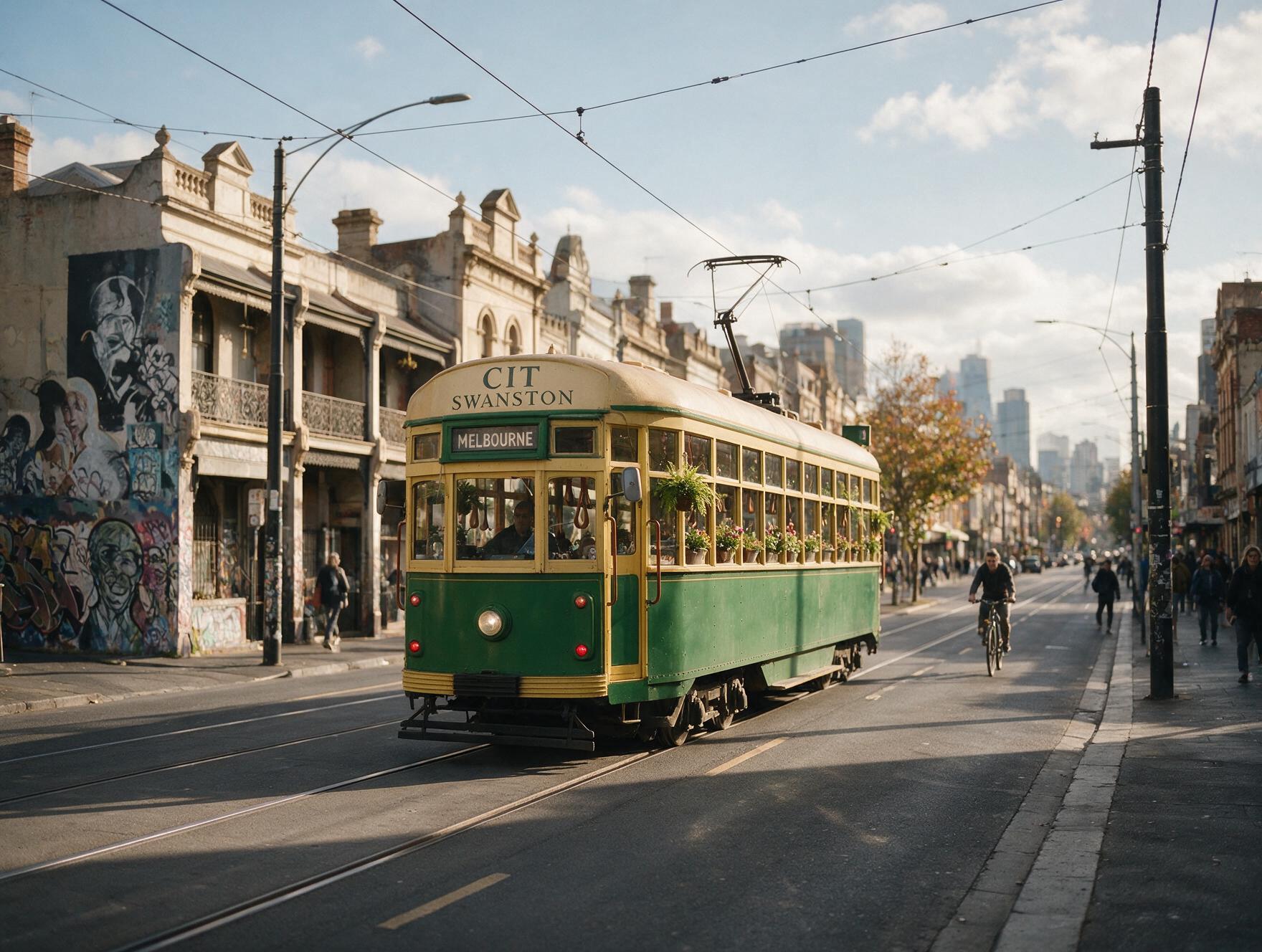
Melbourne runs one of the largest tram networks left in the world, and the part that catches visitors off guard is the Free Tram Zone covering the CBD and Docklands — roughly bounded by Spring Street, Flinders Street, and La Trobe Street, plus the tram routes along Victoria, William, and Elizabeth Streets. Inside that zone, you don’t need to tap on with your myki card or contactless card at all.
The mistake locals see tourists make constantly: tapping on anyway out of habit when they’re staying inside the free zone, which can trigger a full zone 1+2 fare. The rule that actually matters is the reverse — tap on the moment your trip starts or ends outside the free zone, like a trip out to the MCG, the Royal Botanic Gardens, the Zoo, or St Kilda. Drivers generally announce the zone boundary as you approach it, but don’t rely on that alone if you’re unsure; check the boundary signage at the stop.
For the fuller picture on tickets, zones, and getting between cities, our Australia public transit guide goes deeper than we can here.
Weekend market mornings at Queen Victoria Market
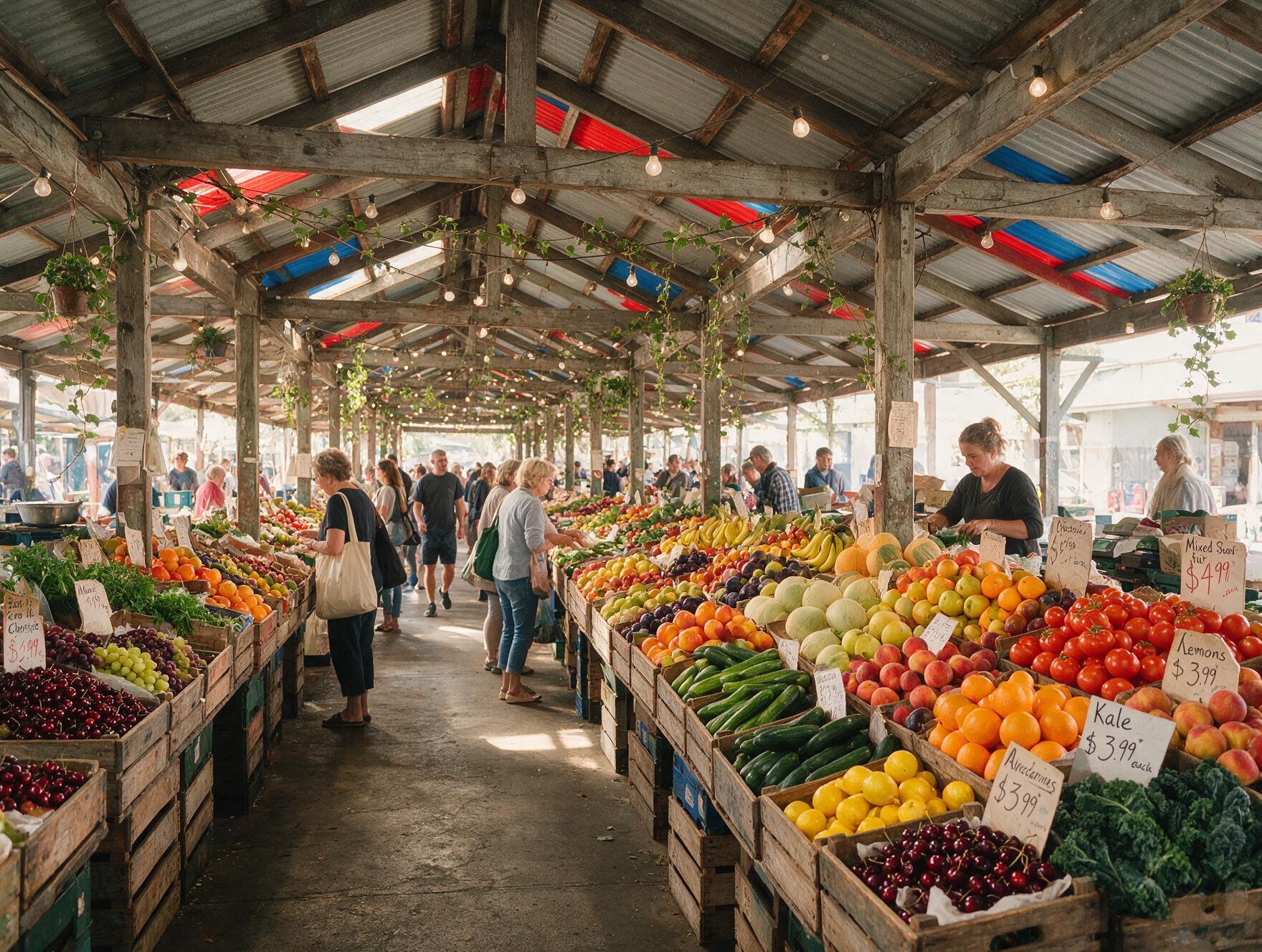
Queen Victoria Market has been trading since 1878, and it’s less a tourist stop than a genuine Saturday-morning ritual for a big chunk of the inner city. It’s open Tuesday, Thursday, and Friday from 6am to 3pm, Saturday 6am to 4pm, and Sunday 9am to 4pm — closed Monday and Wednesday for regular trading, though the Wednesday evening Winter Night Market runs seasonally with food stalls and live music. The Queen’s Food Hall and Dairy Produce Hall are where the serious regulars go — deli meats, cheese counters, and specialty traders that have been there for decades.
Local tip: go early, and go hungry rather than for a big list of shopping. Grabbing a bag of stone fruit from one stall and a small deli lunch from another, then eating it on one of the benches near the edge of the market, is a more accurate version of the Melbourne weekend than most guided tours will show you.
A food and wine moment worth building a day around
Melbourne’s food scene runs well past coffee and Italian precincts. A relaxed brunch for two at a decent laneway café typically runs somewhere around AUD 45–70 depending on the neighbourhood, which is worth knowing before you plan a week of them. If you’d rather go deeper on where to eat by cuisine and price point, our Australia food trail guide and our vegetarian and vegan food guide for Australia are both built around exactly that kind of detail — genuinely useful if you’re vegetarian, since Melbourne handles that far better than its steak-and-barbecue reputation suggests.
For a proper local weekend move, the Yarra Valley — Victoria’s best-known wine region — is close enough for a half-day trip from the city, with cellar doors that pair well with a long lunch rather than a rushed tasting flight. It’s not a laneway experience, but it’s the kind of thing locals build an entire Sunday around when the weather cooperates.
Best time to visit and how many days you actually need
If you’re weighing the best time to visit Australia more broadly, Melbourne narrows that question a little. The two strongest windows are September to November (spring) and March to May (autumn). Australia holidays September to November bring blooming gardens, the AFL Grand Final in late September, and the Melbourne Cup Carnival in early November — genuinely good energy, but be warned the weather can swing by nearly 20°C within a single day, so pack layers rather than trusting the forecast. Hotel prices also spike hard around Melbourne Cup week, so book early or plan around it.
On how many days are enough for Australia as a whole: most travellers underestimate the country’s scale. A realistic first trip runs 10–14 days covering two or three cities, and Melbourne itself deserves a minimum of 3 full days to get past the highlights and into the neighbourhood-wandering pace this guide is actually about. If Melbourne is one stop on a bigger loop, our 7 nights, 8 days Australia itinerary is a solid starting frame to adapt.
For Indian travellers, Air India runs daily direct flights between Delhi and Melbourne (around 13 hours), with Qantas adding a direct service on the same route from late October 2026 — a genuine improvement over the one-stop routings that used to be the norm. If you’re mapping your Australia trip cost from India, flights and a mid-range 3-night Melbourne stay typically land somewhere in the ballpark of AUD 1,800–2,800 per person before you factor in a wider itinerary, though this varies a lot by season and how far ahead you book.
FAQs
How many days do I need in Melbourne specifically?
Three full days is a reasonable minimum if you want time for a laneway coffee morning, one neighbourhood to properly wander, Queen Victoria Market, and a day trip option like the Yarra Valley. Four or five days lets you slow down further and add St Kilda or a Great Ocean Road side trip.
What is the best time to visit Melbourne?
September to November (spring) and March to May (autumn) are the two best windows — mild temperatures, active event calendars, and manageable crowds compared to the summer peak. Spring weather is more unpredictable, so pack for both warm and cold within the same day.
Do I need a visa for Australia as an Indian passport holder?
Yes — Indian travellers need a visa before arrival, applied for online, and it’s worth applying well ahead of your travel dates rather than at the last minute. Our Australia visa guide for Indian travellers covers the current process and documents in detail.
What does a Melbourne trip cost from India?
Flights plus a mid-range 3-night Melbourne stay typically run around AUD 1,800–2,800 per person, though this shifts with season, how early you book, and whether Melbourne is a standalone trip or one stop on a longer Australia itinerary.
What’s the free tram zone and how do I actually use it?
It’s the section of Melbourne’s tram network covering the CBD and Docklands where trips are free — you simply don’t tap your card as long as your entire journey stays inside the zone. Tap on only when you’re travelling beyond it, to places like St Kilda or the Botanic Gardens.
What’s a “magic” coffee and why does everyone order it?
It’s a Melbourne-specific order — a smaller, more concentrated flat white — that isn’t widely known outside Victoria. Ordering one is a small, easy way to drink coffee the way locals actually do.
Can I really see penguins in Melbourne?
Yes — a wild little penguin colony lives in the breakwater rocks at St Kilda Pier, visible most evenings after sunset via free viewing sessions. Bookings are released weekly and fill quickly, so reserve ahead rather than hoping to walk up.
Which neighbourhood should a first-time visitor stay in?
The CBD keeps you within the free tram zone and walking distance of the laneways, which suits a first visit well. Fitzroy is the better call if you’d rather stay somewhere with more neighbourhood character and don’t mind a short tram ride into the centre.
Melbourne rewards the slow version of a trip
None of this is complicated, which is sort of the point. A good Melbourne weekend isn’t built around ticking off attractions — it’s a coffee order you get right, a lane you duck down because the art changed, a market bag you eat on a bench instead of at a restaurant. Do that for three or four days and you’ll leave with a much better sense of the city than a highlights list would ever give you.
If you’re ready to turn this into an actual trip, Get Tripped puts together custom Australia trips built around exactly this kind of pace — real neighbourhood time, not just a bus between landmarks. Whether you want a dedicated Melbourne city tour package or want Melbourne folded into a bigger Australia vacation package alongside Sydney, the Great Ocean Road, or the Yarra Valley, our team can build the itinerary and handle the logistics end to end. Explore our Australia tour packages from India or get in touch to book Australia holidays tailored to how you actually want to travel.