Finnish food doesn’t announce itself. There’s no single dish that gets marketed the way pad thai or pasta does — Finland’s culinary identity lives in rye bread that’s dense enough to double as a doorstop, in soups built around foraged berries and lake fish, and in cardamom buns that Finns treat as a genuine daily ritual rather than a treat. Once you stop expecting a showstopper and start paying attention to the small, quiet things, it’s one of the more honest food cultures in Europe to eat your way through.
This is a food trail across all six of the places Get Tripped’s Finland trips typically touch — Helsinki, Turku, Finnish Lakeland, Rovaniemi, Levi, and Lapland more broadly — built around what to actually order, not just what to photograph.
Table of Contents
- The dishes worth knowing before you land
- Helsinki: markets, coffee culture, and Kallio’s late-night grid
- Turku: the country’s oldest market hall
- Finnish Lakeland: lake fish and pancake cafés
- Rovaniemi: reindeer done properly
- Levi: après-ski eating
- Lapland at large: foraged, smoked, and slow
- Finland’s actual coffee habit
- A note for different kinds of travelers
- A mistake to avoid
- FAQs
The dishes worth knowing before you land
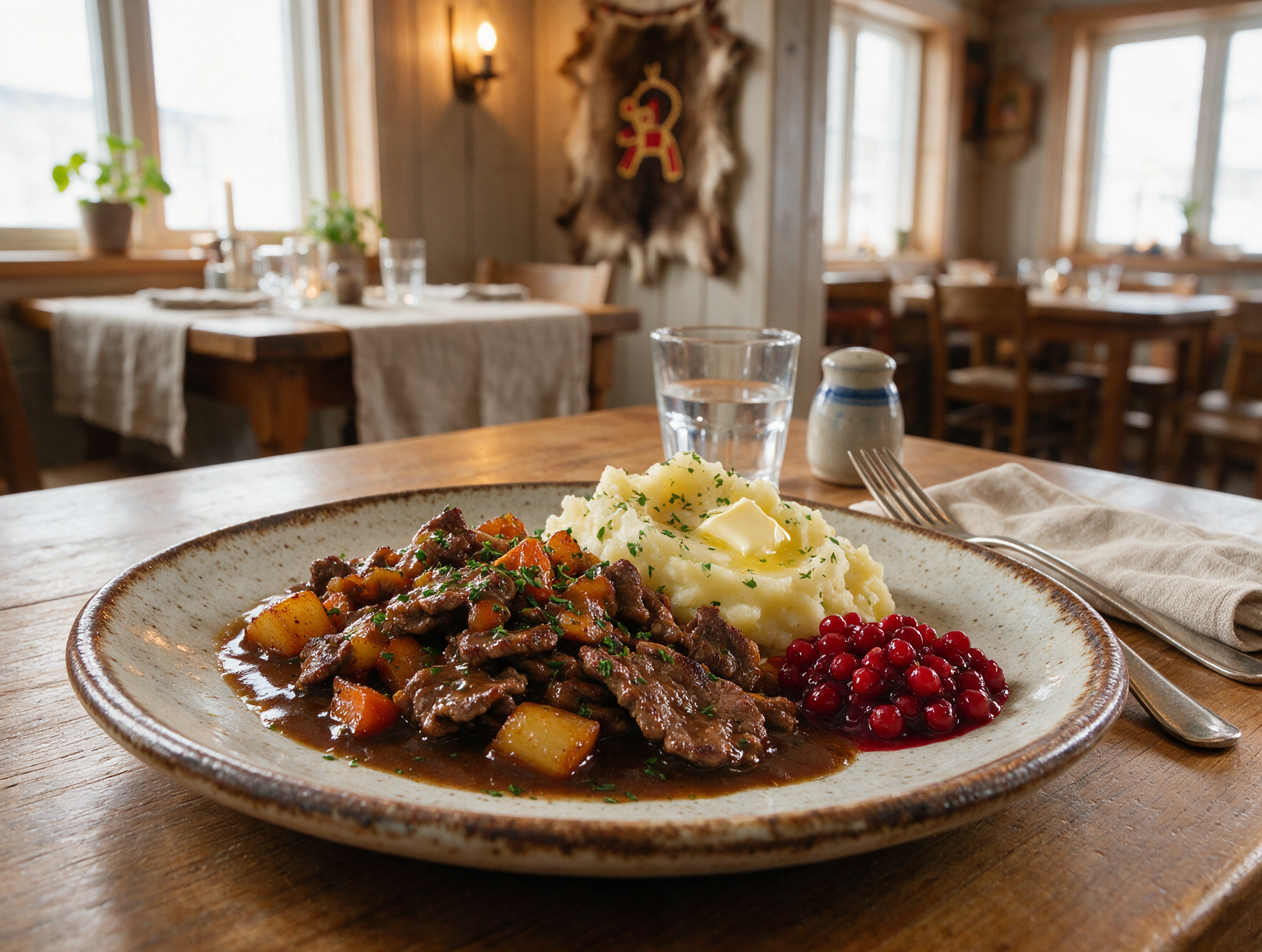
A short glossary, because menus in Finland are often only in Finnish and Swedish outside the most touristed spots: karjalanpiirakka is a rye-crust pastry filled with rice porridge and topped with an egg-butter spread, sold everywhere from bakeries to gas stations and genuinely one of the best cheap breakfasts in the country. Lohikeitto is a creamy salmon and dill soup, the kind of thing that makes sense of Finnish weather the first time you have it. Poronkäristys is sautéed reindeer, usually served with mashed potato and lingonberry — treated the way lamb is treated in India, a normal regional protein, not a novelty. Korvapuusti is the cardamom cinnamon bun, and leipäjuusto is a squeaky, mild fried cheese usually served warm with cloudberry jam — order it once even if it sounds strange, the texture is closer to a firm paneer than anything resembling Western cheese. And then there’s salmiakki, salted black licorice, which most first-time visitors try exactly once out of curiosity and have a strong opinion about immediately. Consider yourself warned rather than sold.
Helsinki: markets, coffee culture, and Kallio’s late-night grid
Start at the Kauppatori (Market Square) by the harbor for a first taste of fried Baltic herring (silakat) straight from a stall, then walk a few minutes to the Hakaniemi or Old Market Hall for a more comprehensive spread of Finnish producers under one roof — smoked fish counters, rye bread stalls, and reindeer sausage next to each other. For the city’s actual late-night food scene, skip the harbor-front restaurants entirely and head to Kallio, the neighborhood where Helsinki’s younger crowd actually eats and drinks; it’s less polished and considerably more interesting, with small bars that double as kitchens well past 10pm. If you want ice cream on a genuinely warm summer evening, the queue outside a good jäätelökioski (ice cream kiosk) near the shore is usually the reliable sign you’ve found the right one — Finns will wait 15 minutes for the good stuff and walk past the mediocre stand next door.
A hidden gem worth the short detour: the smaller Hietalahti flea market and food hall on Helsinki’s western waterfront gets a fraction of the visitors that the main Kauppatori does, but the food stalls inside are arguably better value, and the flea market itself running alongside it on weekends makes for a genuinely local Saturday morning rather than a tourist stop.
Turku: the country’s oldest market hall
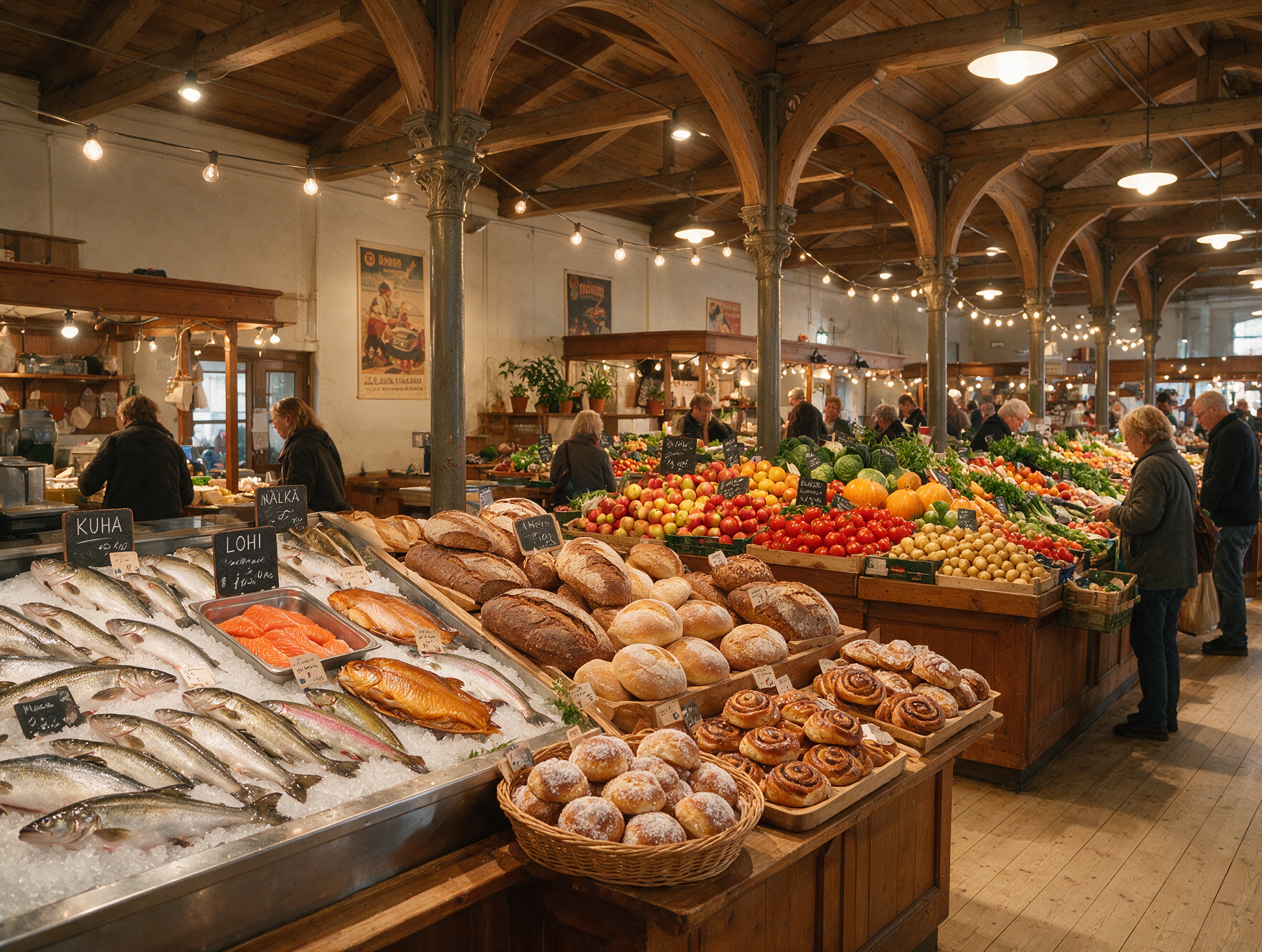
Turku’s Kauppahalli, opened in 1896, is the oldest indoor market hall in Finland still in daily operation, and it’s a better lunch stop than most sit-down restaurants in the city center — a dozen small counters selling everything from fresh salmon to Karelian pastries to good coffee, with communal seating in the middle. For something more considered, Ravintola Kaskis, right by the Aura River, is one of the more internationally recognized restaurants in the country, built around Finnish archipelago ingredients with genuine technique behind it; it’s a splurge, not a casual lunch, but worth booking ahead if a proper Finnish tasting menu is on your list for the trip.
Finnish Lakeland: lake fish and pancake cafés
Around Savonlinna and the lake district generally, the food gets simpler and more seasonal — this is muikku territory, the small whitefish that’s fried whole and eaten, bones and all, straight off a paper tray by the lakeshore. It’s the kind of snack best eaten standing up, ideally within sight of the water it came from. For something sit-down, look for local pancake cafés (lettukahvila) serving savory or sweet pancakes with fresh berries in summer — this region has some of the best wild blueberries and lingonberries in the country, and August visitors will see them sold by the roadside in old ice cream tubs by families who’ve picked them that morning.
Rovaniemi: reindeer done properly
This is where reindeer stops being a curiosity and becomes the actual regional cuisine. Restaurants near Arktikum and the city center serve poronkäristys with genuine variation — some smoked, some pan-seared, some slow-braised — and it’s worth trying it more than once across your Lapland stay to notice the difference technique makes. Gustav Kitchen & Bar builds seasonal Lappish and Scandinavian plates with real care, and if you’re after something more casual, Pure Burger is one of the few spots in the city genuinely built around plant-based options as a first-class menu item rather than an afterthought, useful to know for a mixed group.
Levi: après-ski eating
Levi’s food scene is smaller and more resort-oriented than Rovaniemi’s, built around feeding people who’ve spent the day on the slopes. Restaurant Kammi (also called Saamen Kammi) leans into Sámi-influenced dishes served in a genuinely atmospheric setting — part of the point here is the room itself, built partly underground with a fireplace at the center, which does a lot of the work on a night when it’s -18°C outside. Don’t expect Levi to match Rovaniemi’s range; go in with the expectation of hearty, warming, unfussy food after a day outdoors, and it delivers exactly that.
Lapland at large: foraged, smoked, and slow
Away from the towns, wilderness lodges and glass igloo resorts typically run their own kitchens built around smoked fish, reindeer, and foraged ingredients like cloudberries, chanterelles, and pine shoots depending on season. This is where you’ll eat some of the most memorable meals of the trip precisely because there’s no other option nearby — dinner is often a fixed, multi-course affair built around whatever the kitchen sourced locally that week, and it’s worth asking your host what’s actually in season rather than expecting a set menu you’d recognize.
An honest caveat about lodge dining: it’s usually excellent, but it’s also expensive relative to a town restaurant, and menus repeat over a multi-night stay more than you’d expect from the price point, simply because supply logistics that far north limit variety. Don’t book 4 consecutive nights at the same lodge expecting 4 wildly different dinners — budget one night in Rovaniemi proper partway through for contrast.
Finland’s actual coffee habit
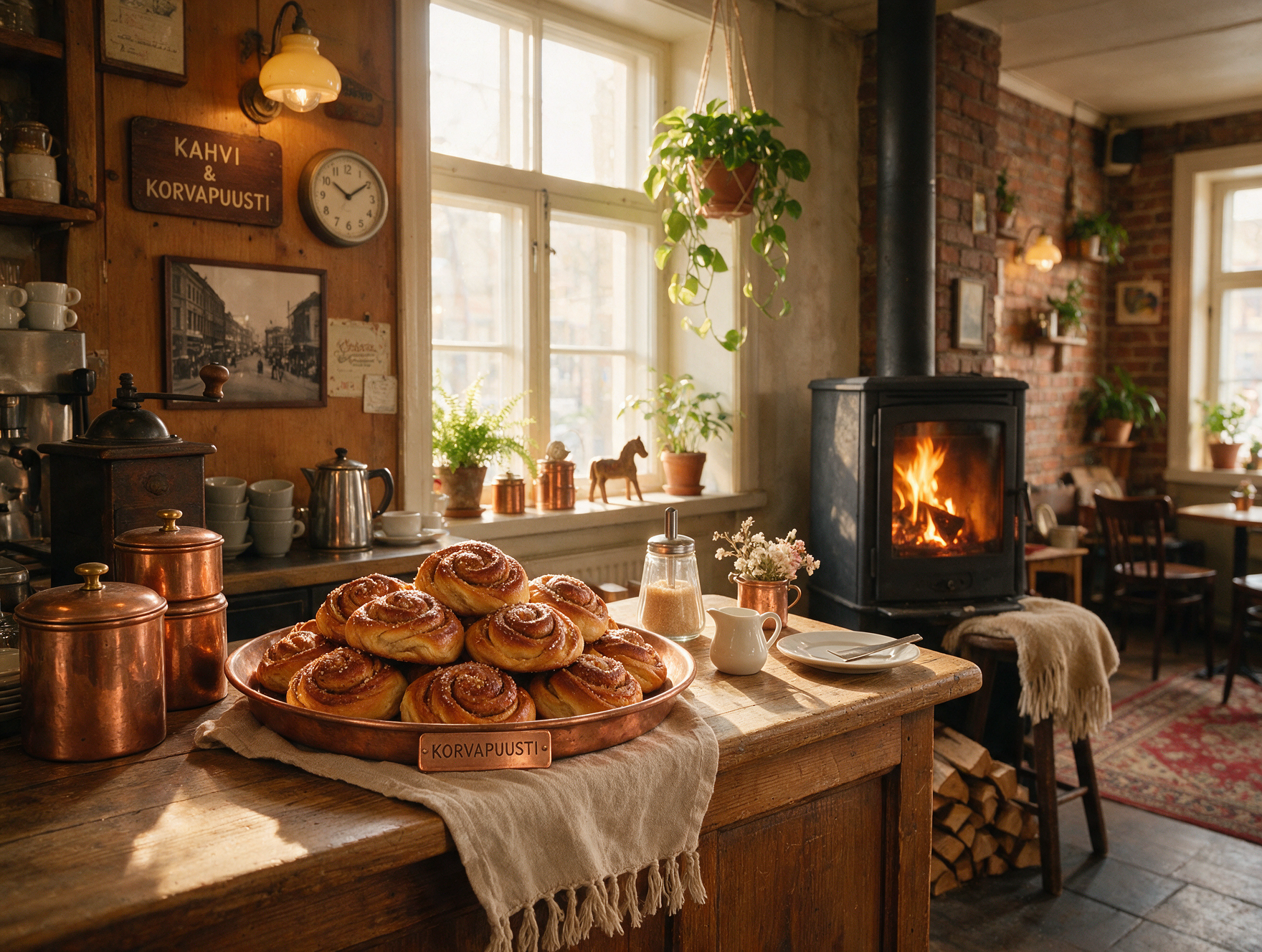
Finland consistently ranks among the highest per-capita coffee consumers in the world, and it shows — coffee here isn’t a specialty ritual, it’s constant, usually filter-brewed, and often paired with a pastry as a mid-morning or mid-afternoon break called kahvitauko. Helsinki has a genuine third-wave coffee scene now if you want the specialty version, but don’t skip the plain filter coffee at a neighborhood café — it’s what actually fuels the country, and it’s usually better than the description “just filter coffee” suggests.
A note for different kinds of travelers
Couples and honeymooners should prioritize one proper sit-down meal per city over grazing constantly at markets — Kaskis in Turku and a fixed-menu dinner at a Lapland wilderness lodge are the two meals on this entire trail worth booking specifically as an occasion, not just a stop. Families traveling with kids will find karjalanpiirakka and korvapuusti far more reliably kid-friendly than reindeer or fish-heavy mains, and most market halls have enough variety that a fussy eater can find something without a fuss. Luxury travelers should ask their hotel concierge in Rovaniemi or Levi about private chef dinners at wilderness lodges — several properties offer a dedicated multi-course experience with the chef explaining each foraged or smoked ingredient, which is a genuinely different (and pricier) experience than the standard lodge dinner. Solo travelers will find Helsinki’s market halls and Kallio’s casual bars the easiest places to eat comfortably alone, since counter seating and shared tables are the norm rather than the exception.
A fun fact worth knowing before your first market hall visit: Finland has no real tradition of restaurant tipping culture partly because hospitality wages are set through strong sector-wide labor agreements rather than tip-dependent pay — which is part of why service everywhere from a market stall to a fine-dining kitchen tends to be unhurried and genuinely helpful rather than transactional. It changes the whole rhythm of eating out here once you notice it.
A mistake to avoid
Don’t assume every restaurant takes cash, and don’t assume every restaurant is open past 9pm outside Helsinki. Finland is one of the most card- and app-payment-driven societies in Europe — some smaller cafés in Rovaniemi and Lakeland towns don’t accept cash at all — and kitchens in smaller towns can close as early as 8–8:30pm, especially outside peak tourist season. Book dinner reservations for anything beyond a casual meal, and carry a card rather than assuming cash will get you through.
Frequently Asked Questions
Is Finnish food spicy or heavily seasoned?
No — Finnish cooking leans toward simple, clean flavors built around dill, butter, rye, and the quality of the base ingredient (fish, reindeer, berries) rather than heavy spicing. Indian travelers used to bolder seasoning should expect a genuinely different flavor register, not a milder version of something familiar.
Can vegetarians eat well in Finland outside big cities?
It takes more planning than in Helsinki, but yes — see our dedicated vegetarian and vegan guide to Finland for specific restaurant names in each of these six places.
What’s the one dish I should try even if it sounds strange?
Leipäjuusto, the warm squeaky cheese served with cloudberry jam. It sounds unusual on paper and works far better than expected in person.
Do I need to tip at restaurants in Finland?
Not really — service is included in menu prices, and tipping is a small rounding-up gesture rather than an expectation. A 5–10% tip for exceptional service is appreciated but never assumed.
Is reindeer meat something I should feel odd about ordering?
Locally, it’s treated as a standard regional protein, farmed and eaten much the way lamb or goat is elsewhere — it’s genuinely one of the more distinctive things to eat while you’re in Lapland specifically.
Where’s the best place to try Karjalanpiirakka?
Any neighborhood bakery in Helsinki, honestly — it’s a daily staple food, not a specialty item, so the version from an unremarkable local bakery is often better than the one at a tourist-facing café charging double.
Are market halls in Finland expensive compared to sit-down restaurants?
They’re generally the better value option — a full plate at a Kauppahalli counter typically costs less than a similar dish at a sit-down restaurant nearby, and the quality is often just as high since many stalls are run by the same producers supplying local restaurants.
Eating Your Way Through Finland
The food here rewards curiosity more than research — half the best meals on a Finland trip come from walking into a market hall or a small-town café rather than a pre-booked reservation. Get Tripped’s custom Finland itineraries build in real time for food exploration in each of these six spots, rather than treating meals as a logistics afterthought between activities.
Planning a Finland trip? Talk to Get Tripped Travels about building a custom itinerary that leaves room for the food, not just the sights.