Finland has a reputation for being expensive, and a lot of it is deserved — restaurant meals, hotels, and organized Lapland excursions all add up fast. What doesn’t get talked about enough is how much of the country’s actual character is available for free, partly because Finnish civic culture treats public space, nature access, and libraries as things everyone should be able to use regardless of income. This is a city-by-city rundown of what costs nothing across the places a typical Finland trip covers.
Table of Contents
- Helsinki
- Turku
- Rovaniemi
- Finnish Lakeland
- Levi
- Free things that work almost anywhere in Finland
- Everyman’s Right: Finland’s unusual nature law
- A fun fact and a photography tip
- Notes for different kinds of travelers
- A mistake to avoid
- FAQs
Helsinki
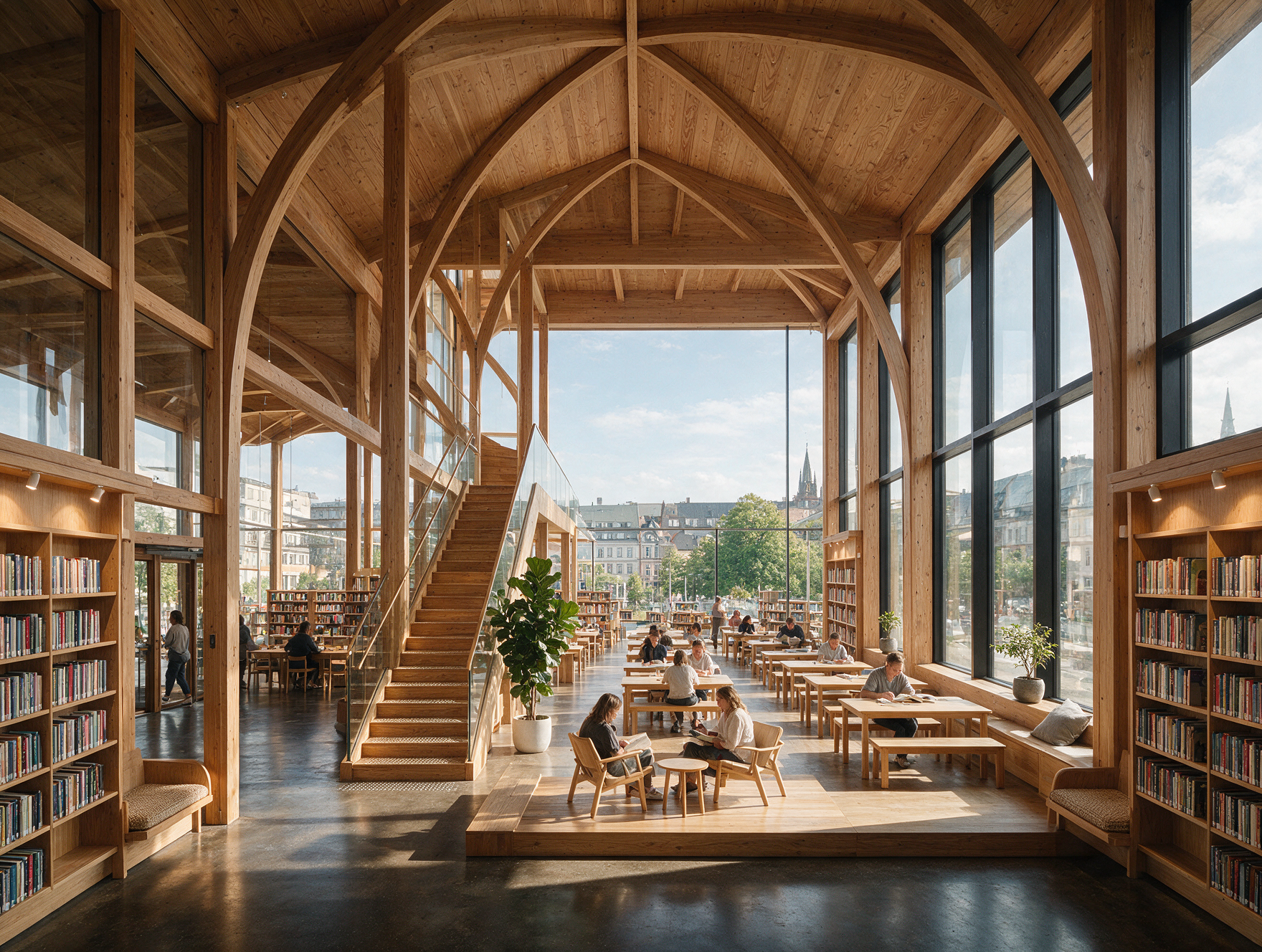
Start with Senate Square and the white Helsinki Cathedral — the square and the cathedral’s exterior and steps (a popular spot to just sit and watch the city) cost nothing, and it’s one of the more photographed spots in the country for good reason. The Market Square (Kauppatori) by the harbor is free to wander, even if you don’t buy anything from the stalls. Oodi, Helsinki’s striking central library, is a genuine architectural destination in its own right and completely free to enter and use — there’s a rooftop terrace, reading spaces, and even 3D printers and sewing machines available to the public, which says something about how Finland thinks about public libraries generally. The Sibelius Monument in Sibelius Park, a striking steel-pipe sculpture honoring the composer, is free and worth the short walk or tram ride from the center. Several museums, including the Helsinki Art Museum (HAM), run free entry on specific days or evenings each month — check current dates before you go, since these rotate. And simply walking the waterfront promenade from the Market Square toward Kaivopuisto park costs nothing and takes you past some of the city’s most attractive residential architecture.
Turku
The grounds and courtyard of Turku Castle, one of the oldest surviving buildings in Finland, are free to explore even if you skip the paid museum inside. Turku Cathedral‘s interior is free to enter and worth a quiet 20 minutes. Walking the Aura River promenade, which cuts through the city center, is genuinely one of the nicer free things to do in the country — especially in summer, when riverside cafés put out seating and the whole stretch takes on an easy, unhurried atmosphere. Browsing the Turku Kauppahalli market hall costs nothing even if you don’t eat there, and it’s a good way to see the city’s food culture up close without spending anything.
Rovaniemi
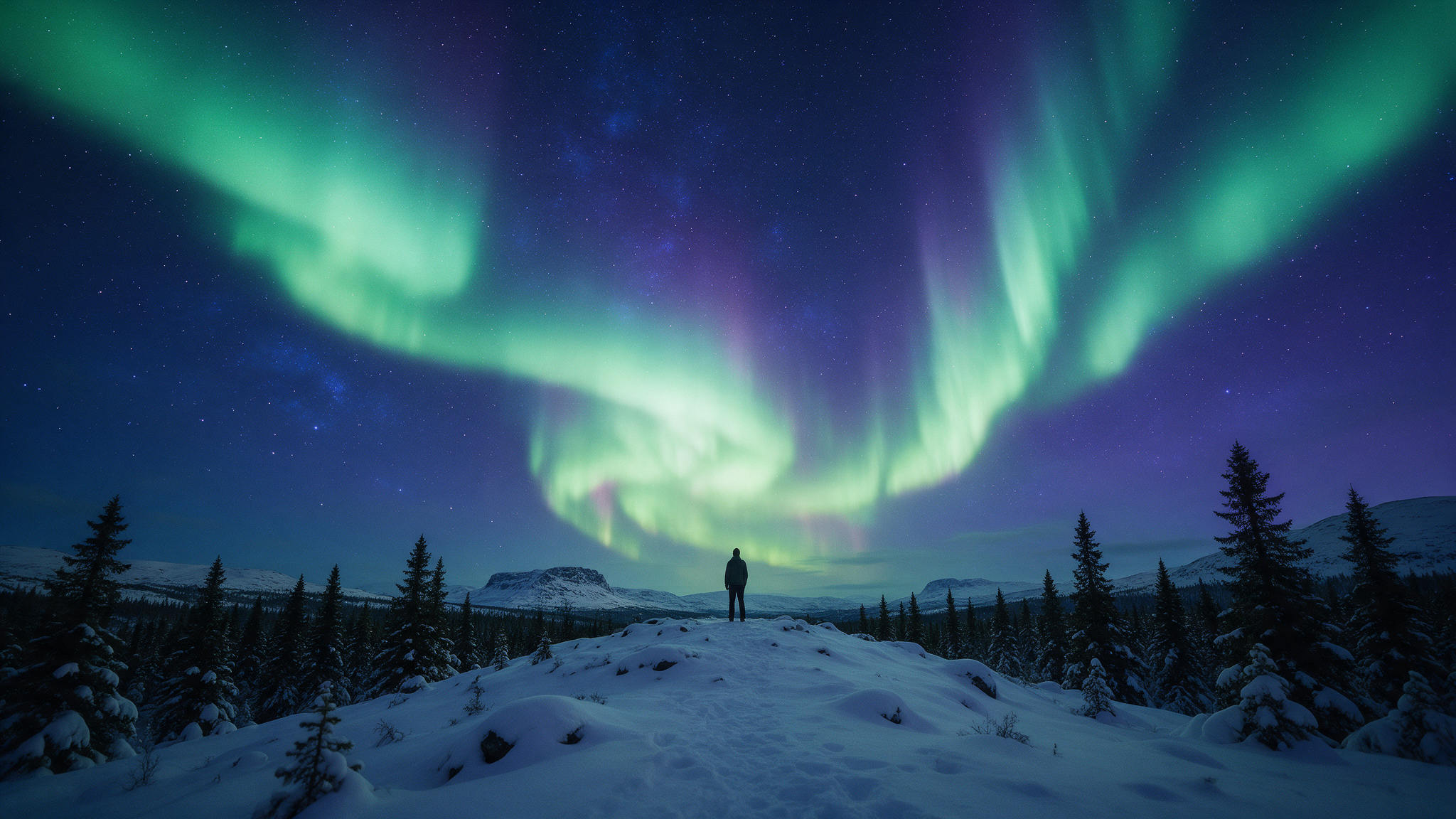
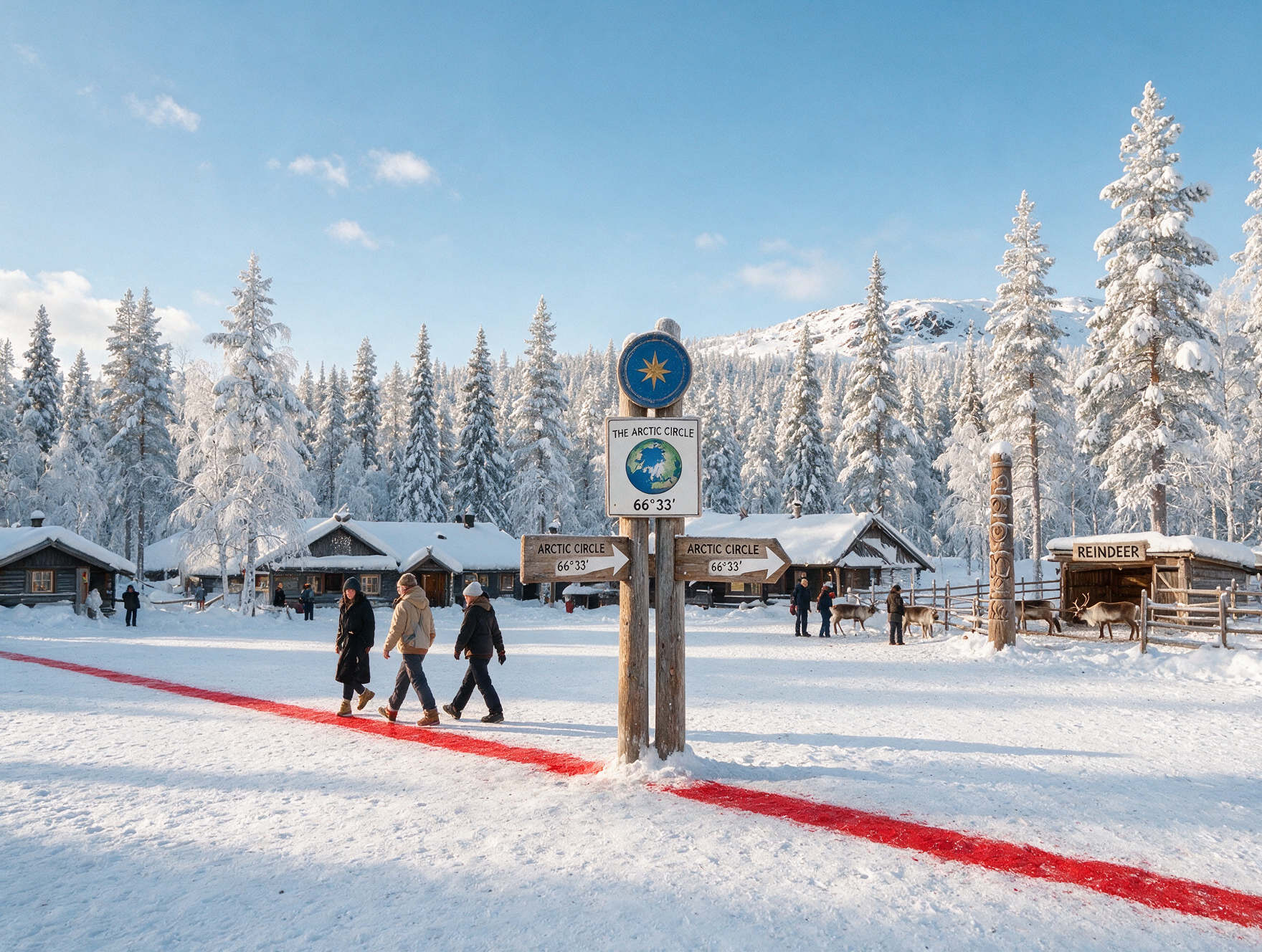
The Arctic Circle line at Santa Claus Village, 8km outside the city, is free to visit and walk across — you only pay if you want photos with Santa or shop at the (extensive) gift stores, so it’s entirely possible to see the line, take your own photo standing on it, and leave having spent nothing. Arktikum’s outdoor park and the glass tunnel extending toward the river are free even though the museum itself charges admission. The Jätkänkynttilä Bridge (“Lumberjack’s Candle”), with its eternal flame and river views, is a free and genuinely striking walk, particularly at dusk when the flame stands out against the darkening sky. The Ounasvaara nature trails, reachable on foot from the city center across the bridge, offer kilometers of maintained forest trails with no entry fee. And Rovaniemi’s modern city library is a warm, welcoming public space with free WiFi worth knowing about on a genuinely cold afternoon. Best of all: the Northern Lights themselves cost nothing beyond getting yourself to a dark spot away from city lights on a clear night — the paid “aurora hunting” tours mostly sell transport, guiding, and hot drinks, not the phenomenon itself.
Finnish Lakeland
This region is built for free activity almost by design — walking or cycling along any of the countless lakeshore paths around towns like Savonlinna costs nothing, and the scenery does most of the work. Olavinlinna Castle in Savonlinna, a 15th-century fortress built on an island in the lake, has a paid interior tour, but the exterior views from the surrounding shoreline and bridges are free and dramatic in their own right. Simply finding a public lakeside spot for a swim in summer — and Finland has an enormous number of these, most with no fee and no restriction on public access — is one of the more purely Finnish free experiences available anywhere in the country.
Levi
As a purpose-built ski resort, Levi is naturally the most paid-activity-heavy stop on this list — lift passes, equipment rental, and guided excursions are the point of visiting. Even here, though, there’s real free value: the resort area’s network of marked hiking and snowshoe trails on Levi Fell itself can be walked without a lift pass in the shoulder seasons when snow cover allows, and the fell’s summit area offers wide-open views across Lapland that rival anything you’d pay for elsewhere. In winter, watching the Northern Lights from anywhere in Levi away from the resort’s main lighting is just as free here as in Rovaniemi, and Levi’s more remote position often means slightly darker skies.
Free things that work almost anywhere in Finland
Public saunas attached to lakes or the sea (as opposed to private hotel spas) sometimes charge a small entry fee, but many municipal or community saunas are free or near-free, and asking a hotel or tourist office locally about the nearest public sauna is worth doing wherever you are. Church interiors across the country are almost universally free to enter and often architecturally worth the five minutes. And simply walking through any Finnish town’s central market square at opening time, when producers are setting up for the day, is a free, genuine slice of daily life that most tour itineraries skip entirely in favor of paid attractions.
Everyman’s Right: Finland’s unusual nature law
Finland operates under jokamiehenoikeus, or “Everyman’s Right” — a long-standing legal principle that gives everyone, including visitors, the right to walk, cycle, ski, and even pick berries and mushrooms on most land, including much privately owned forest and countryside, without needing permission or paying a fee. It doesn’t apply to gardens, cultivated fields, or the immediate vicinity of someone’s home, and it comes with a responsibility to leave no trace, but it’s a genuinely unusual legal framework by international standards, and it’s the reason so much of Finland’s best scenery — forests, lakeshores, and open countryside — is simply available to walk into rather than gated behind an entry fee. It’s worth knowing this exists, because it reframes a lot of what looks like “nothing to do here without paying” into “actually, you’re allowed to just walk in.”
A fun fact and a photography tip
Finland has more than 187,000 lakes by the national land survey’s count — a number so large it’s part of why the country calls itself, somewhat proudly, the “Land of a Thousand Lakes,” which turns out to be a significant undersell. For photography, the best free vantage points tend to be bridges rather than official lookout points: Helsinki’s Kauppatori waterfront, Turku’s bridges over the Aura River, and Rovaniemi’s Jätkänkynttilä bridge all offer better, less crowded compositions than the paid observation decks marketed to tourists, and they cost nothing to use whenever you like, including for a pre-dawn shot before anyone else is around.
Notes for different kinds of travelers
Families will find Oodi library in Helsinki and the Arctic Circle line at Santa Claus Village genuinely engaging for kids without needing to spend on the paid attractions attached to both — budget the paid extras (3D printing demos, photos with Santa) as optional add-ons rather than assuming they’re required for a good visit. Solo travelers often get the most out of Finland’s free nature access specifically, since jokamiehenoikeus makes independent, unguided exploration entirely legitimate rather than something requiring a booked tour. Couples looking for a free, memorable moment should aim for a joint Northern Lights viewing away from a paid tour group — it’s a genuinely more intimate experience standing alone in the dark than as part of a coach load of visitors. Luxury travelers shouldn’t dismiss the free experiences as beneath a premium trip; several of the wilderness lodges we work with actively build unguided nature time and aurora viewing from a private deck into their higher-end packages, recognizing that the best part of Lapland doesn’t actually have a price tag.
A mistake to avoid
Don’t assume free means low-effort or low-value — some of the best experiences on this list (the Northern Lights, jokamiehenoikeus forest access, a summer lake swim) require more initiative than a paid, organized tour, since nobody’s picking you up and walking you through it. Build in the extra planning time to check aurora forecasts yourself, or ask locally where the nearest legal public swimming spot is, rather than assuming a paid tour is the only way to access these experiences properly.
Frequently Asked Questions
Is Finland an expensive country overall?
Yes, relative to many popular Indian outbound destinations — but a surprising amount of what makes the country distinctive (nature access, libraries, church interiors, the Northern Lights themselves) costs nothing, which softens the overall budget more than first-time visitors expect.
Can I really pick berries and mushrooms anywhere in Finland?
Under jokamiehenoikeus, yes, on most uncultivated land, provided you’re not disturbing private gardens or protected species — it’s one of the more genuinely surprising freedoms available to visitors.
Is it possible to see the Northern Lights without paying for a tour?
Yes — the aurora itself is free to see from anywhere with a clear, dark sky; paid tours add transport to a good viewing spot, expert guiding, and hot drinks, which is valuable but not strictly necessary if you have your own transport and access to a dark location.
Are museums in Finland ever free?
Several run free-entry days or evenings monthly, and outdoor areas of paid museums (like Arktikum’s park in Rovaniemi) are often free even when the indoor exhibits charge admission.
Do I need a permit to swim in Finland’s lakes?
No — public access to most lakeshores for swimming is protected under Everyman’s Right, and it’s a normal, expected activity in summer rather than something requiring special permission.
Is it rude to swim or picnic on land I don’t own in Finland?
No, provided you keep a reasonable distance from private homes and gardens and leave the site as you found it — Everyman’s Right is a genuinely embedded cultural norm, not a loophole, and Finns themselves use it constantly.
Making the Most of What’s Free
A Finland trip built entirely around paid attractions misses a real part of what makes the country distinctive — the free half of the experience is often the more memorable one. Get Tripped builds these free stops directly into our Finland itineraries rather than treating them as filler between paid activities, because they usually aren’t filler at all.
Planning a Finland trip on a considered budget? Get Tripped Travels can build an itinerary that balances the paid Lapland experiences worth the money against the free Helsinki, Turku, and Lakeland moments worth just as much.