Beyond the Common Spots in Levi: What to Do Once You’ve Skied the Main Slopes
Levi gets marketed almost entirely as a ski resort, and fair enough — it’s Finland’s largest, with more than forty groomed downhill runs and a fell that lights up with headlamps and floodlights through the long polar winter. But spend more than a couple of days here and you start noticing what the brochures skip: a genuinely vast stretch of Lapland wilderness that opens up the moment you step off the main pistes. This guide is for the traveler who’s already done the obvious Levi — skied the groomed runs, ridden the gondola up — and wants to know what’s next.
Levi sits about 170 km north of the Arctic Circle in Finnish Lapland, roughly two and a half hours by road from Rovaniemi or fifteen minutes from Kittilä airport, and it works as a standalone base or as one stop on a longer Finland trip.
Table of Contents
- Best time to visit Levi
- Getting to Levi
- Beyond the pistes: fell hiking and mountain biking
- A husky farm visit that isn’t just a five-minute photo
- Cross-country skiing and snowshoeing away from the crowds
- Chasing the Northern Lights from a glass roof
- A mistake to avoid
- What Levi looks like beyond winter
- Where to stay
- FAQs
- Final word
Best time to visit Levi
Levi runs two very different seasons. Winter, roughly late November through April, is when the resort is best known — downhill skiing, snowmobile safaris, and reliable snow cover, with the darkest months of December and January also being prime aurora season. Summer, June through August, flips the whole experience: the fell opens for hiking and mountain biking under near-constant daylight, and this is genuinely the quieter, less crowded version of Levi that most visitors never see. If you want both snow activities and a real shot at Northern Lights without the deep midwinter cold, aim for late September through early November or March.
Getting to Levi
Kittilä Airport is about fifteen minutes from the resort village and has direct seasonal flights from Helsinki, making it the easiest entry point. The alternative is flying into Rovaniemi and driving or busing roughly two and a half hours north, which works well if you’re combining Levi with Rovaniemi on the same trip.
Beyond the pistes: fell hiking and mountain biking
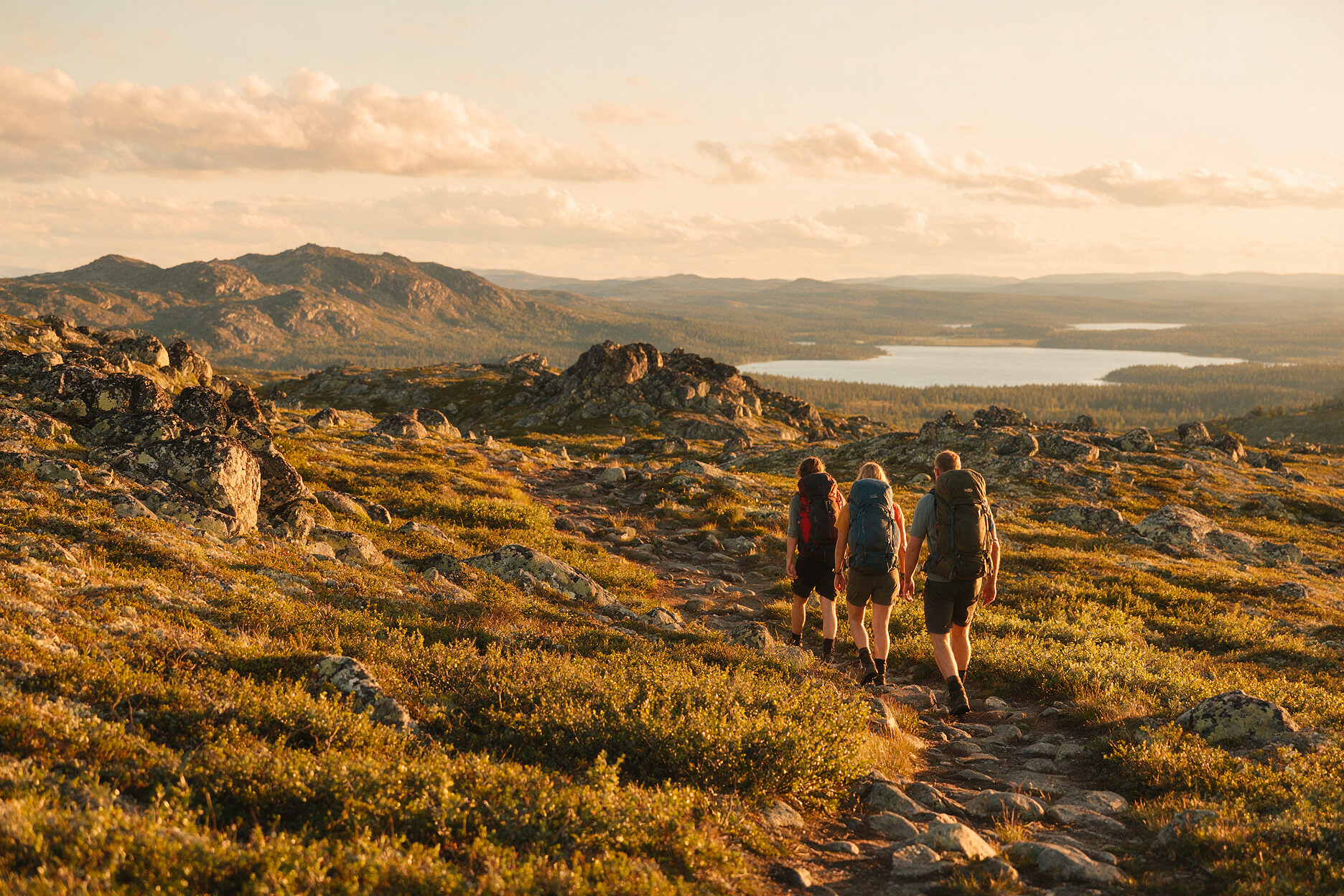
Once the snow clears, Levi fell itself — Levitunturi, rising to around 531 metres — becomes a hiking and mountain biking destination, and this is the single most overlooked side of the resort. Trails wind up from the village through birch forest into the open, treeless fell top, passing Lake Tunturijärvi along the way, with views that stretch out over an uninterrupted stretch of Lapland forest with almost no infrastructure in sight. Even in winter, a short snowshoe or ski up toward the fell’s lower shoulder gets you well away from the lift lines within twenty minutes, which is more than most day-trip skiers ever bother to do.
A husky farm visit that isn’t just a five-minute photo
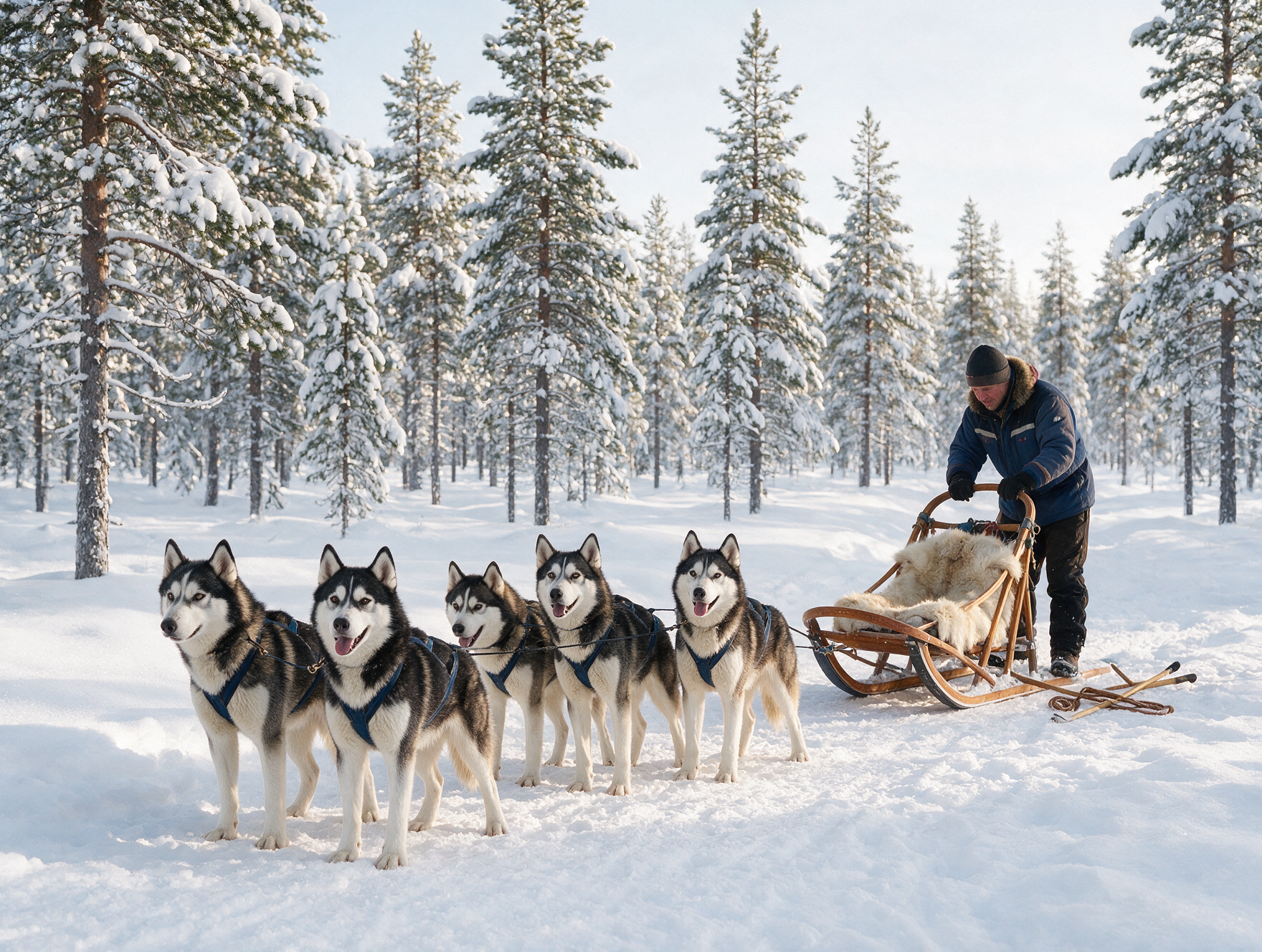
Every Lapland resort offers a husky ride, and most of them are the same rushed, ten-minute loop. What’s worth seeking out instead is a longer husky farm experience — some operators around Levi and the wider Kittilä region offer husky hiking, where you walk a trail alongside the dogs off-leash rather than being pulled behind them on a sled, plus proper time at the kennels meeting the dogs individually. It’s a slower, more genuine version of an activity that’s become fairly commodified across Lapland, and it tends to leave a far stronger impression than the standard sled loop most tour groups book by default.
Cross-country skiing and snowshoeing away from the crowds
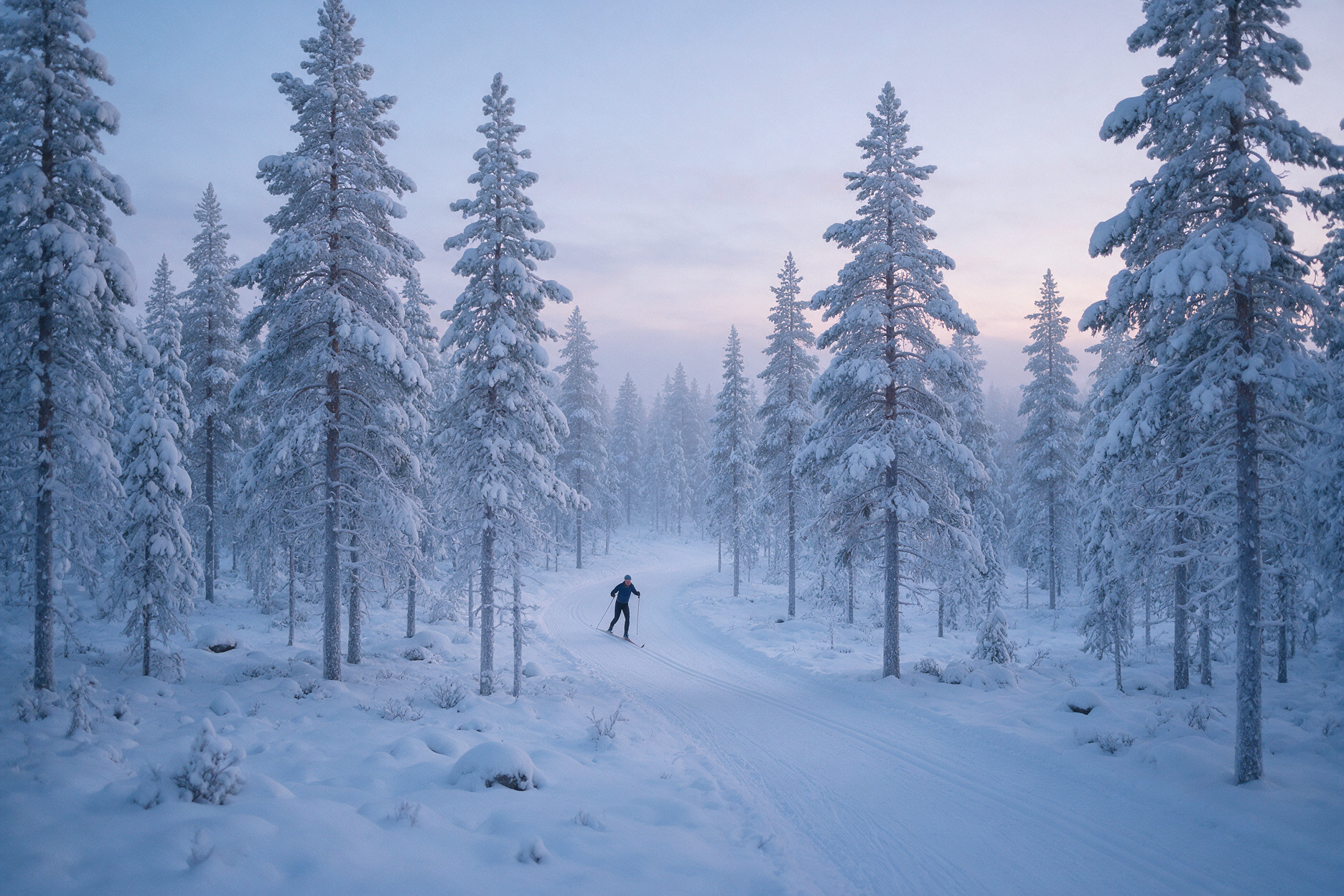
Levi’s network of cross-country ski trails stretches for dozens of kilometres through the forest surrounding the resort, and unlike the downhill slopes, they’re almost always quiet — even in peak season, you can ski for twenty minutes without seeing another person. Snowshoeing trails cover similar ground for anyone who’d rather walk than glide, and both are a completely different register of Lapland experience from the resort’s high-energy downhill side: slower, quieter, and much more about the landscape than the activity itself. Late afternoon, as the light goes blue before sunset, is the best window — genuinely one of the more underrated hours in Lapland.
Chasing the Northern Lights from a glass roof
Levi sits far enough north and dark enough, once you’re clear of the village lights, to be a legitimate aurora-viewing base between roughly September and March, alongside better-known spots like Inari and Kilpisjärvi. A handful of properties around the resort offer glass-roofed cabins for watching from bed, but I’d still recommend at least one night out on the fell itself with a guide who knows the current forecast and can get you away from the resort’s own light pollution — the difference in visibility is significant, and a local guide reads cloud cover and solar activity far better than an app.
A fun fact worth knowing before you go
Levi sits far enough north that it experiences both extremes of Arctic daylight in their fullest form: the Midnight Sun keeps the sky bright around the clock for roughly two months in summer, while the polar night — kaamos in Finnish — brings weeks in December and January where the sun never fully clears the horizon, leaving a soft, extended blue-hour glow in the middle of the day instead of true daylight. Locals describe kaamos as strangely calming once you adjust to it, and it’s part of why Lapland’s winter light, even at midday, has that distinctive photograph-ready blue tone you’ll notice in almost every good picture taken here.
A mistake to avoid
Don’t assume Levi is a quiet, secluded fell like some of its neighbours — it’s Lapland’s most developed resort, and the village itself is genuinely lively, closer in energy to a mid-size ski town than a remote wilderness outpost. If solitude is what you’re after, budget time specifically for the fell trails and cross-country routes described above rather than expecting the resort centre itself to feel remote. Travelers expecting total silence straight off the plane are sometimes surprised, and it’s a fair complaint if you didn’t know that going in.
What Levi looks like beyond winter
Summer Levi is a genuinely different destination — hiking, mountain biking, fishing on the surrounding lakes, and the Midnight Sun keeping daylight going almost around the clock in June and July. It’s far less crowded than winter, room rates drop noticeably, and it’s a smart pick for travelers who want Lapland’s landscape without the deep cold or the peak-season prices.
Where to stay
The resort village itself is compact and walkable, with a ski bus linking accommodation to the lifts, so staying centrally works well for winter visitors who want easy lift access. For a quieter base geared more toward the hiking and cross-country side covered here, look slightly outside the immediate village centre, closer to the fell’s hiking trailheads. Travelers prioritizing aurora viewing over ski access sometimes choose a cabin or chalet on the edge of the resort specifically for the darker sky it offers compared to rooms closer to the main lift base, and it’s a trade worth considering if the lights are your main reason for coming.
Practical notes: money, connectivity, and who this suits
Cards work everywhere in Levi, from lift passes to the smallest café, and cash is rarely needed at all. A local eSIM covers navigation and forecast-checking fine, though coverage does thin out once you’re properly out on the fell trails or deep in the cross-country network — worth telling someone your rough route if you’re heading out solo in winter. Budget on the higher end for Levi compared to the rest of Finland, particularly for peak winter weeks; a smart-spending move is shifting your visit to March or late September, when lift passes, activities, and accommodation all drop noticeably without sacrificing much snow or daylight.
For photography, the fell top at sunrise or sunset during the shoulder seasons gives you soft light across an open, treeless landscape that’s hard to overexpose, and a genuine aurora display photographs best with a wide lens and a steady tripod rather than a phone held by hand. Couples tend to gravitate toward the glass-roofed cabins for the obvious reason; solo travelers will find the husky farms and cross-country trails easy to book and enjoy independently; families with older children do well on the gentler fell hiking routes in summer, though the coldest winter weeks are a tougher ask for younger kids. Luxury seekers have real options here too — several properties blend genuine Lapland wilderness access with high-end design and service, rather than forcing a choice between remoteness and comfort.
Levi is very safe, with the main real risk being underestimating the cold rather than anything else — always tell your accommodation or a guide your route if you’re heading onto the fell independently in winter.
FAQs
Is Levi good for travelers who don’t ski?
Yes — between husky farms, snowshoeing, aurora viewing, and, in summer, fell hiking, there’s a full non-skiing itinerary here.
How many days do I need in Levi?
Three to four days lets you cover both the main resort activities and at least one or two of the quieter options in this guide without rushing.
Is Levi better than Rovaniemi for seeing the Northern Lights?
Levi generally has less light pollution than Rovaniemi once you’re away from the resort centre, giving it a slight edge, though both work well with a guided tour that gets you to genuinely dark sky.
Can I visit Levi as a day trip from Rovaniemi?
It’s possible but tight — the drive alone is around two and a half hours each way, so an overnight is a far more comfortable way to actually experience the fell.
What should I pack for Levi in winter?
Serious layering is essential — see our full Finland packing guide by season for specifics on Arctic-grade winter gear.
Is Levi expensive compared to the rest of Finland?
It runs on the pricier end, particularly in peak winter weeks, but summer visits and mid-range accommodation options bring costs down considerably.
Is Levi suitable for a honeymoon or couples’ trip?
Very much so — the combination of glass-roofed cabins, quiet cross-country trails, and genuine aurora-viewing opportunities makes it one of Lapland’s stronger picks for a romantic winter trip, without sacrificing the option of livelier resort dining and activities if you want to mix it up.
Is there good vegetarian food available in Levi?
Options are more limited than in Helsinki, but most resort restaurants now offer at least one proper vegetarian main rather than a token salad, and it’s worth confirming with your accommodation ahead of a multi-day stay if you have specific dietary needs.
Final word
Levi’s main slopes are the reason most people book the trip, but the fell trails, the quieter husky farms, and the after-dark aurora hunts are what make the trip memorable — and they cost you very little extra effort to add once you’re already there. If you’re weighing Levi against Rovaniemi or Lapland’s other bases, our team can help you sequence the right combination for your Finland itinerary, matching the resort energy of Levi against the quieter or more family-oriented character of the alternatives.
Planning a Lapland trip that goes beyond the standard resort checklist? Get Tripped Travels builds custom Finland itineraries around exactly this kind of detail.