Finland is a country where the packing list genuinely changes by month, not just by season in the loose way that’s true of most destinations. A late-December trip to Lapland and an early-July trip to the same region are close to two different countries in terms of what you’ll actually need in your suitcase, and getting this wrong — especially in winter — isn’t just uncomfortable, it can cut a Northern Lights night short if you’re not properly layered.
This guide breaks down exactly what to pack by season, plus the layering logic that makes Finnish winter genuinely manageable rather than something to dread, and a few things worth renting locally instead of buying and dragging home.
Table of Contents
- Deep winter: December to February
- Shoulder cold season: late September to November, and March
- Summer: June to August
- Shoulder warm season: April to May
- Understanding the layering system
- Gear it’s worth renting rather than buying
- A general packing checklist that applies year-round
- Notes for different kinds of travelers
- A mistake to avoid
- FAQs
Deep winter: December to February
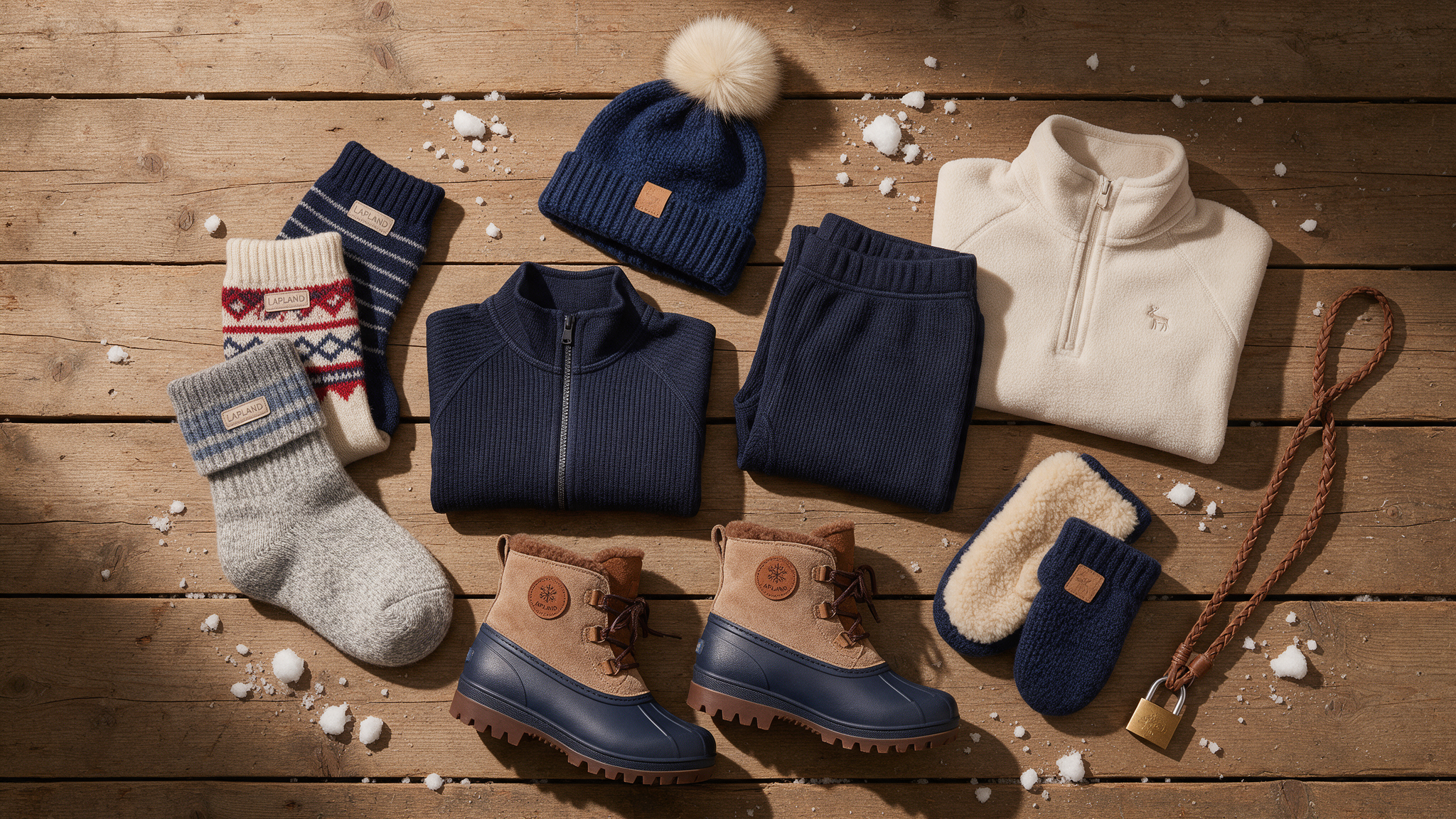
This is the coldest, darkest, and for Northern Lights chasers, most rewarding window — Rovaniemi temperatures regularly sit between -15°C and -25°C in January, colder on clear nights, which are exactly the nights you want to be outside for aurora hunting. Pack:
- A proper insulated, waterproof winter parka rated for at least -20°C — this is not optional, and a fashion-oriented “winter coat” from a warmer climate genuinely will not do the job
- Thermal base layers, top and bottom, ideally merino wool or a synthetic thermal blend rather than cotton, which holds moisture and gets cold fast
- A mid-layer fleece or wool sweater to trap warmth between your base layer and your outer parka
- Insulated, waterproof winter boots rated for sub-zero temperatures, with good tread — many aurora and husky sledding excursions provide thermal overalls and boots as part of the package, but check this before assuming, since not all do
- Wool socks, and pack more pairs than you think you need — wet feet in this cold end an evening fast
- A warm hat covering the ears, a neck gaiter or scarf, and waterproof mittens (mittens keep fingers warmer than gloves by letting them share heat, genuinely worth choosing over gloves for the coldest excursions)
- Ice grips or cleats that strap onto your boot soles — Rovaniemi and Helsinki pavements both get genuinely icy, and these are cheap, pack flat, and prevent a fall that would otherwise end your trip early
- Hand and toe warmers (the disposable chemical kind) — pack a dozen from home, since they’re harder to find last-minute in smaller Lapland towns
The honest caveat here: dressing properly for -20°C looks and feels excessive to most first-time visitors from India, right up until the moment they step outside for a 2-hour aurora wait and understand exactly why every layer was necessary.
Shoulder cold season: late September to November, and March
This window is genuinely underrated — aurora odds in late September through October can rival deep winter without the most extreme cold, since darker skies return earlier in autumn than most people expect. Temperatures typically run from just above freezing down to around -10°C, calling for a lighter but still serious winter setup: a well-insulated jacket (not necessarily the heaviest parka), thermal layers for evenings, waterproof boots, and a warm hat and gloves. Daytime layers can be lighter than deep winter, but always carry the warm layer with you rather than leaving it at the hotel, since temperature swings between day and night are sharper in these shoulder months than in the depth of winter, when it’s simply cold throughout.
Summer: June to August
This is a genuinely different trip. Finland’s summer brings the midnight sun in the north (continuous daylight from early June through early July in Lapland) and comfortable temperatures generally in the 15°C–25°C range, with occasional warmer spikes. Pack:
- Light layers — a t-shirt and light long-sleeve combination covers most days
- A packable waterproof windbreaker or light rain jacket — Finnish summer weather changes quickly, and a sunny morning can turn into a cool, drizzly afternoon without much warning
- Comfortable, broken-in walking shoes — much of a summer Finland trip is spent walking city centers and lakeside trails
- A swimsuit, for lake swimming and, crucially, for sauna sessions, which Finns treat as a genuine daily or weekly ritual rather than a spa novelty
- An eye mask — genuinely essential in Lapland during midnight sun season, since blackout curtains in smaller lodges aren’t always reliable, and your body needs the visual cue to sleep even when it’s bright outside at 1am
- Mosquito repellent, particularly for Lakeland and forested areas — Finnish summer mosquitoes near lakes and wetlands are a genuine, well-known nuisance, not an exaggeration
- Sunglasses, which feel counterintuitive to pack for Finland but are genuinely useful given how long and bright summer days run this far north
Shoulder warm season: April to May
Spring in Finland is unpredictable — snow can still be on the ground in Lapland into April, while Helsinki is often already showing early green. Pack a flexible layering system: a waterproof mid-layer jacket, a warm base layer for evenings, sturdy waterproof shoes rather than sneakers (spring thaw means mud and slush in equal measure), and gloves for anywhere north of Helsinki. This is a genuinely awkward season to pack for precisely because it varies so much by exactly which week and which part of the country you’re in — check the Finnish Meteorological Institute’s forecast for your dates rather than relying on general seasonal advice.
Understanding the layering system
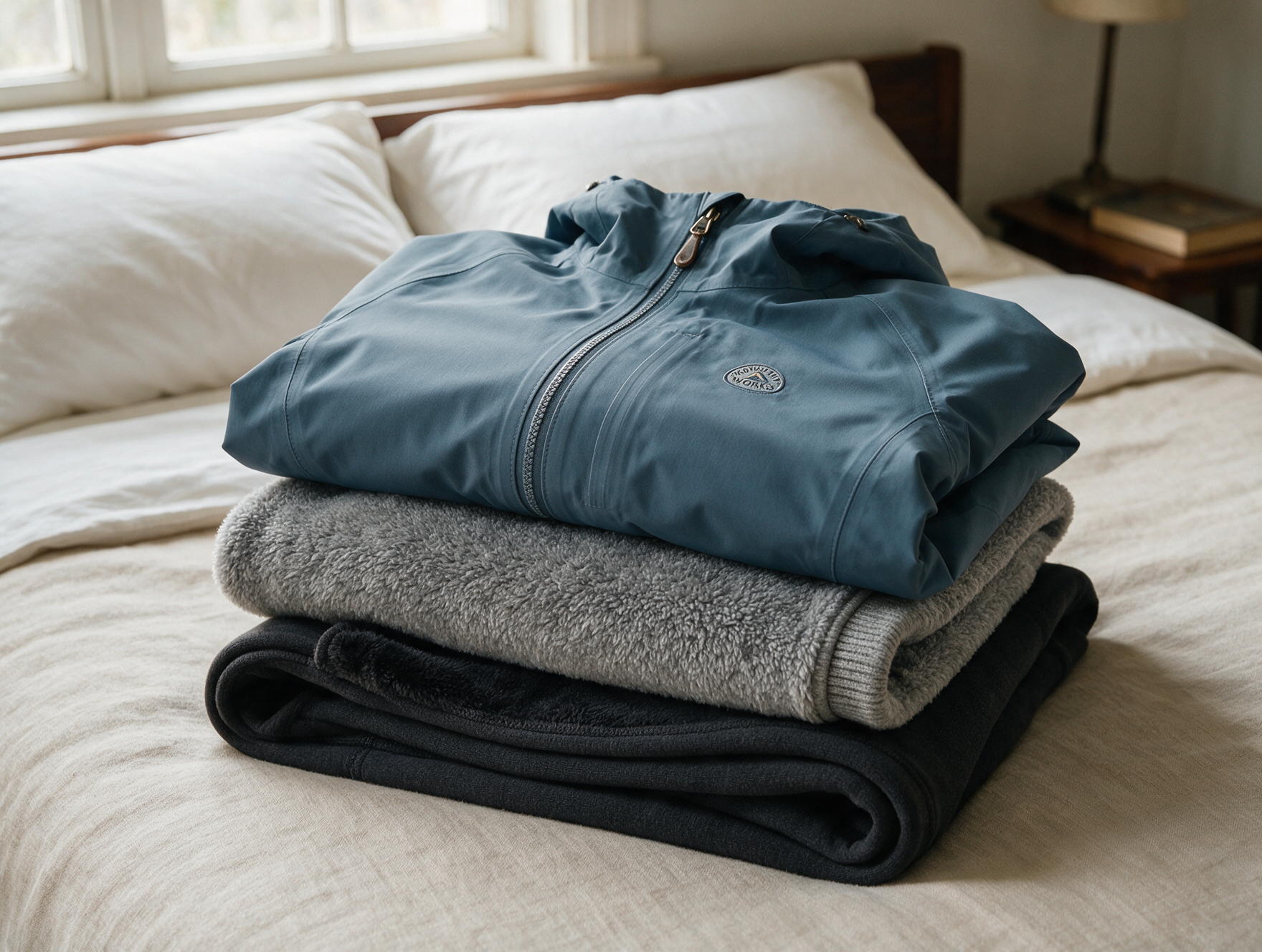
The logic that makes all of the above work is a three-layer system: a base layer that manages moisture against your skin, a mid layer (fleece or wool) that traps warm air, and an outer shell that blocks wind and water. Once this clicks, packing for any Finnish season becomes a question of how many mid-layers to bring and how heavy the outer shell needs to be, rather than needing a completely different wardrobe for each trip. It’s worth practicing putting on and removing layers before you travel if you’ve never dressed this way — Lapland excursions often involve going from a warm van into -20°C air and back again multiple times in an afternoon, and being able to adjust quickly matters more than you’d expect.
Gear it’s worth renting rather than buying
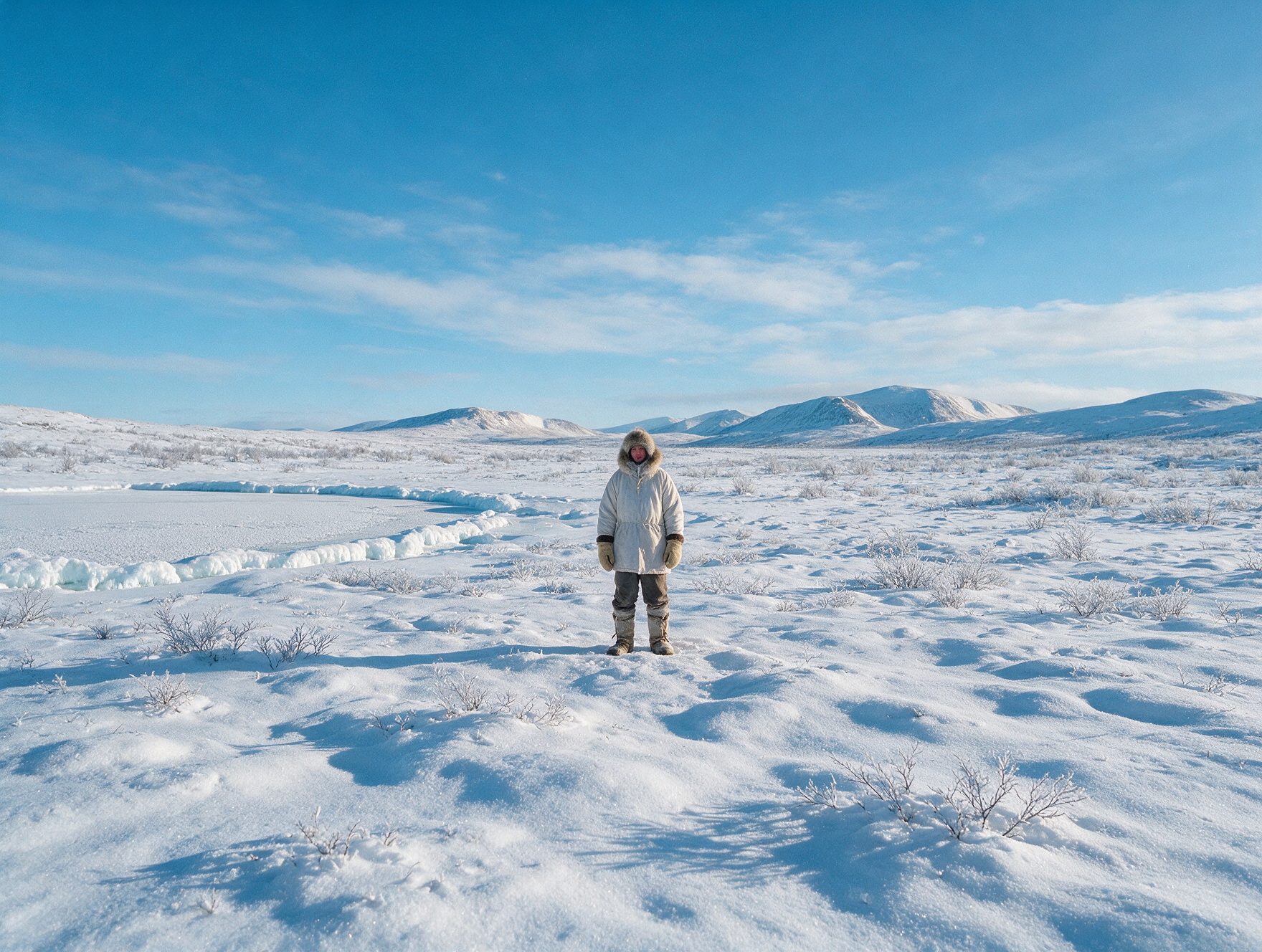
Full winter overalls, heavy-duty snow boots, and sometimes even the outer parka are often included or rentable through Lapland excursion operators and hotels, since most visitors don’t own -25°C-rated gear and won’t need it again after the trip. It’s genuinely not worth buying an expensive Arctic-grade parka for a single trip if your Get Tripped itinerary includes gear rental as part of the Lapland package — ask what’s included before you overpack your suitcase with bulky purchases.
A general packing checklist that applies year-round
- A universal power adapter (Finland uses the European two-pin Type C/F plug, 230V)
- A portable phone charger, since cold weather drains batteries faster than usual, which matters if you’re relying on your phone for aurora forecast apps
- Printed or downloaded copies of your visa, insurance certificate, and hotel bookings — see our Finland visa guide for the full document list
- A reusable water bottle — Finnish tap water is excellent and safe to drink everywhere, so there’s no need to buy bottled water
- A basic first-aid kit with any personal medication clearly labeled
Notes for different kinds of travelers
Families packing for kids in winter should size up rather than down on thermal layers and boots — children lose body heat faster than adults, and a slightly loose thermal layer traps more warm air than a snug one. Bring an extra full change of dry layers for kids specifically, since snow play inevitably ends in at least one soaked glove or sock. Couples and honeymooners heading to a glass igloo should check whether the property provides thermal suits for the walk between the main lodge and the igloo itself — some do, some expect you to have your own, and it’s worth confirming before you’re standing outside at -18°C in what you thought was “just a short walk.” Solo travelers doing a lot of independent walking should prioritize genuinely broken-in boots over new ones — blisters combined with sub-zero cold are a miserable, avoidable combination. Luxury travelers booking premium Lapland lodges will often find high-quality thermal gear provided as part of the package, which is worth confirming ahead of time since it can meaningfully lighten your suitcase.
A fun fact worth knowing before you overpack: Finns have a saying that there’s no such thing as bad weather, only inadequate clothing (säällä ei ole väliä, kunhan on oikeat vaatteet), and it genuinely reflects how the culture approaches winter — Finnish parents send toddlers out to nap in prams in sub-zero temperatures because they’re dressed correctly for it, not because the cold itself is being ignored. That mindset is the entire philosophy behind this packing list.
A mistake to avoid
The single most common packing mistake we see: bringing a “warm enough for Delhi winter” jacket to Lapland in January and assuming it will scale up. It won’t. A jacket that handles a 10°C North Indian winter night is not built for -20°C, and layering three of them doesn’t fix the underlying problem, which is proper insulation and a genuinely windproof, waterproof outer shell. If you don’t already own real winter gear, renting or buying purpose-built Arctic layers (even secondhand) before the trip is worth the cost.
Frequently Asked Questions
What’s the coldest month to visit Finland?
January and February are typically the coldest, with Lapland temperatures regularly between -15°C and -25°C, occasionally colder on especially clear nights.
Can I rent winter clothing in Rovaniemi instead of bringing my own?
Yes — many hotels and excursion operators in Rovaniemi and Levi offer thermal overalls, boots, and sometimes full winter gear rental, which is often more practical than buying gear you’ll rarely use again.
Do I need special gear for the midnight sun in summer?
An eye mask is the most useful and overlooked item — the constant daylight in Lapland during peak summer can genuinely disrupt sleep without one.
Is Finnish tap water safe to drink?
Yes, it’s considered among the cleanest tap water in the world, so a reusable bottle is a practical and eco-friendly packing choice.
What should I pack differently for Helsinki versus Lapland in winter?
Helsinki winters are milder than Lapland’s — often -2°C to -8°C rather than -20°C — so a slightly lighter (though still genuinely warm) coat works in the capital, while Lapland demands the full Arctic-grade setup described above.
Should I bring hiking boots or regular winter boots?
For most itineraries, insulated waterproof winter boots cover both city walking and standard excursions; dedicated hiking boots only matter if you’re planning serious trail hiking beyond typical tourist excursions.
How many layers should I actually pack for a week in Lapland?
Plan for 2 base layers you can rotate and wash or air out, 1–2 mid-layer fleeces, and one serious outer parka — you’re layering up and down daily rather than needing a fresh full outfit for every day of the trip.
Packing With Confidence
Finland punishes underpacking for winter more than almost any other Get Tripped destination, but it’s genuinely simple to get right once you understand the layering logic rather than trying to guess. We include a season-specific packing brief with every Finland booking, tailored to your exact travel dates rather than a generic seasonal list.
Booking a Finland trip? Get Tripped Travels will send you a packing list matched to your specific dates and itinerary, so nothing gets left behind at home.