Getting around Finland splits cleanly into two very different problems. Inside Helsinki, it’s one of the easier European transit systems to figure out on your first morning — trams, metro, and buses all run on one ticket, and the app does most of the thinking for you. Between cities, and especially once you’re heading north toward Lapland, the country’s size and low population density change the equation entirely: distances are large, trains are excellent but slow over long distances, and for anything beyond a few hours, flying starts to make more practical sense than it would in a smaller, denser European country.
Table of Contents
- Getting around Helsinki: HSL explained
- Ticket types and prices
- Getting between cities: trains and domestic flights
- Helsinki to Turku
- Helsinki to Rovaniemi and Lapland
- Getting around once you’re in Lapland
- Taxis and ride-hailing
- A few things worth knowing before your first ride
- A mistake to avoid
- FAQs
Getting around Helsinki: HSL explained
Helsinki’s public transport runs under a single authority, HSL (Helsingin seudun liikenne), covering trams, the metro, buses, and the Suomenlinna ferry all on the same ticketing system. The city center is compact enough that a lot of sightseeing genuinely works on foot, but the tram network in particular is worth using anyway — Helsinki’s trams are old, characterful, and honestly one of the more pleasant ways to see the city passively between stops, especially tram 2 and 3, which loop past a good chunk of the center’s landmarks.
Ticket types and prices
The HSL app is the easiest way to buy tickets as a visitor — download it before you land, and you can purchase and validate tickets entirely on your phone. As of the 2026 fare update, a single ticket covering zones AB (central Helsinki, which covers almost everything a typical visitor needs) costs €3.20, rising to €4.80 for the wider ABC zone that includes the airport. A 24-hour day ticket runs €9.40 (AB) or €13.70 (ABC), and day tickets are available for up to 13 consecutive days if you’re staying longer and using transit heavily. If you’re headed to the airport by train or bus, you’ll need the ABC zone ticket rather than the cheaper AB one — a common mistake first-time visitors make, since the airport sits just outside the AB boundary.
For a typical Get Tripped Helsinki stay of 2–3 days with moderate transit use (a few tram rides, one metro trip, the Suomenlinna ferry), single tickets often work out cheaper than a day pass unless you’re taking more than 3 rides in a day — do a rough count of your planned trips before committing to a multi-day pass.
Getting between cities: trains and domestic flights
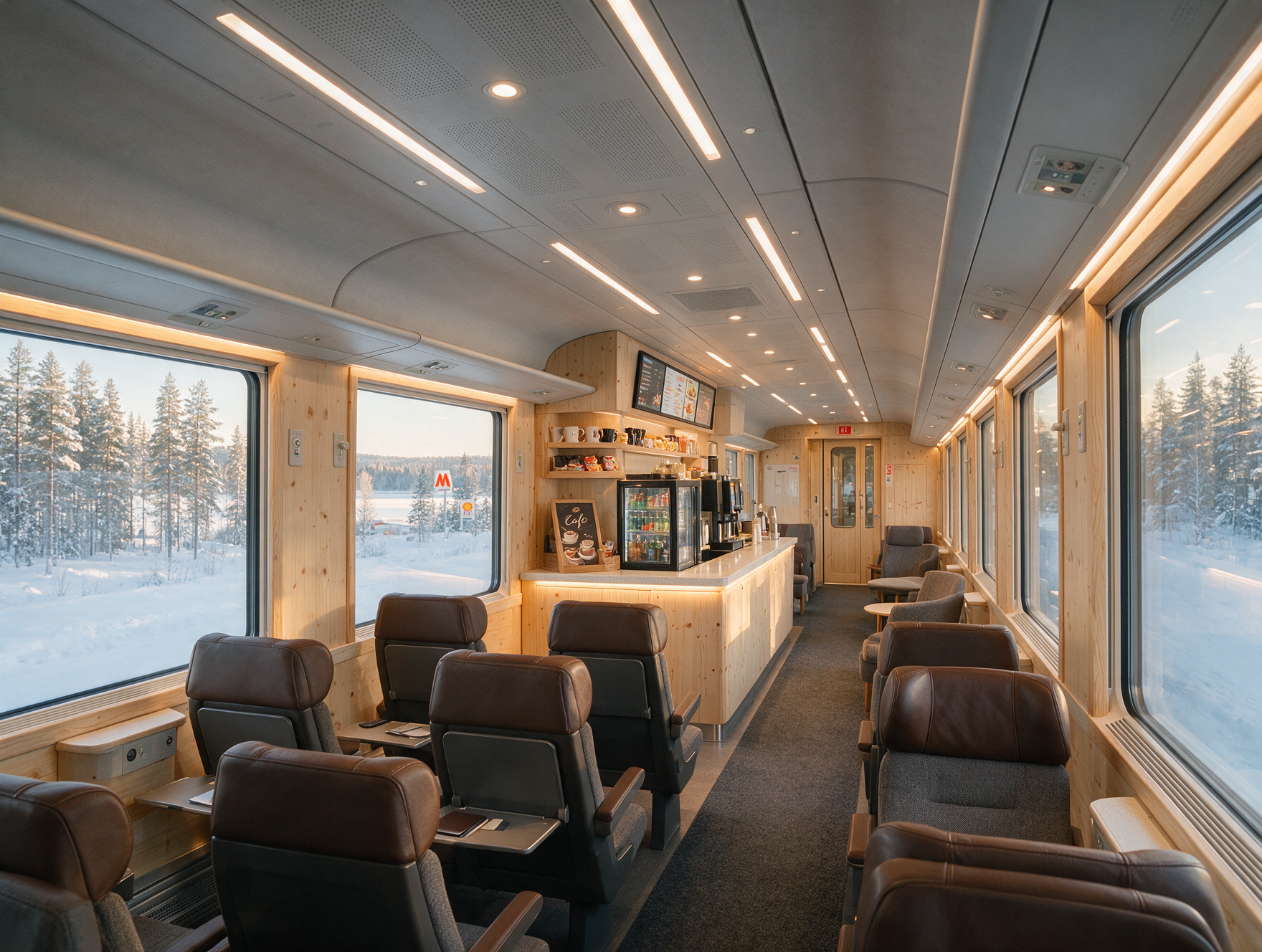
VR, Finland’s state rail operator, runs a genuinely comfortable network connecting the country’s major cities, with clean, punctual trains and a functional onboard café car on longer routes. For anything under about 3 hours, the train is almost always the better choice over flying once you account for airport transfer and check-in time. Beyond that, particularly heading north, domestic flights with Finnair start making more sense purely on time saved.

Helsinki to Turku
This is squarely train territory: the Helsinki-Turku route takes under 2 hours on a direct InterCity or Pendolino service, with frequent departures throughout the day, making it an easy full-day round trip without needing to book far ahead. Buy tickets through the VR app or website in advance for a modest discount over walk-up fares. Seat reservations are included in the ticket price on most InterCity services, so there’s rarely a need to worry about standing for the journey the way you might on a busier regional line elsewhere in Europe.
Helsinki to Rovaniemi and Lapland
This is where the country’s scale becomes obvious. By train, Helsinki to Rovaniemi takes roughly 10–12 hours, and the genuinely appealing way to do it is the overnight sleeper service, which includes private cabins and lets you cover the distance while you sleep, waking up already in the Arctic. It’s a real experience in its own right, not just a way to save a hotel night, and it’s worth doing at least once if your schedule allows it. The faster, more practical option for most itineraries is the Finnair domestic flight, roughly 1 hour 20 minutes, with multiple daily departures from Helsinki-Vantaa. For a standard 7–8 day trip where time in Lapland matters more than the journey itself, we build the flight into almost every Get Tripped Finland itinerary rather than the train, purely to protect Lapland days.
Getting around once you’re in Lapland
Rovaniemi itself is small and walkable in the city center, with local buses covering the rest, but most of what actually happens in a Lapland trip — husky sledding, snowmobile safaris, reindeer farms, aurora-hunting excursions, glass igloo resorts — happens well outside town, at lodges and activity centers 20 to 60 minutes out. These are almost always booked as packages that include hotel pickup and drop-off, so you rarely need to arrange your own transport for excursions. If you do want independent mobility, renting a car is possible, but winter driving on rural, often unlit roads in temperatures well below freezing is a genuinely different skill than driving conditions most Indian travelers are used to — we’d only recommend it if you have real experience with snow and ice driving, and even then, a rented 4×4 with winter tyres (standard on Finnish rental cars in winter by law) is non-negotiable.
Taxis and ride-hailing
Taxis in Finland are metered, regulated, and reliable, but noticeably more expensive than in most of Asia — a short Helsinki city ride can easily run €15–25. The Uber app operates in Helsinki (through licensed taxi partners rather than private drivers, per Finnish regulation) and is a straightforward way to book a ride without a language barrier. Outside Helsinki, taxi availability in smaller towns is thinner, and it’s worth arranging your hotel’s help to book one in advance, particularly for early-morning airport transfers in Rovaniemi.
For families traveling with young kids or a lot of luggage, taxis are generally the more comfortable choice over public transit for anything beyond a short hop, especially in winter when trams and bus stops mean standing outside in genuinely cold temperatures while you wait. Luxury travelers should know that most higher-end Helsinki hotels can arrange a private airport transfer directly, which is a small cost that removes a layer of first-day stress after a long international flight. Solo travelers and budget-conscious mid-range travelers, on the other hand, will find HSL’s system entirely sufficient and often more interesting than a taxi — public transit is one of the more reliable ways to get a feel for a city’s actual daily rhythm rather than seeing it exclusively through a car window.
A few things worth knowing before your first ride
Tram 2 is worth calling out specifically as close to a free sightseeing tour — it loops through Design District, past the Olympic Stadium area, and along a good stretch of the city’s more residential, less-touristed streets, and riding the full loop once with no particular destination is a genuinely pleasant way to spend 40 minutes and get oriented on your first day. It’s also a decent rainy-day activity with kids, who tend to find Helsinki’s old trams more interesting than another walking itinerary.
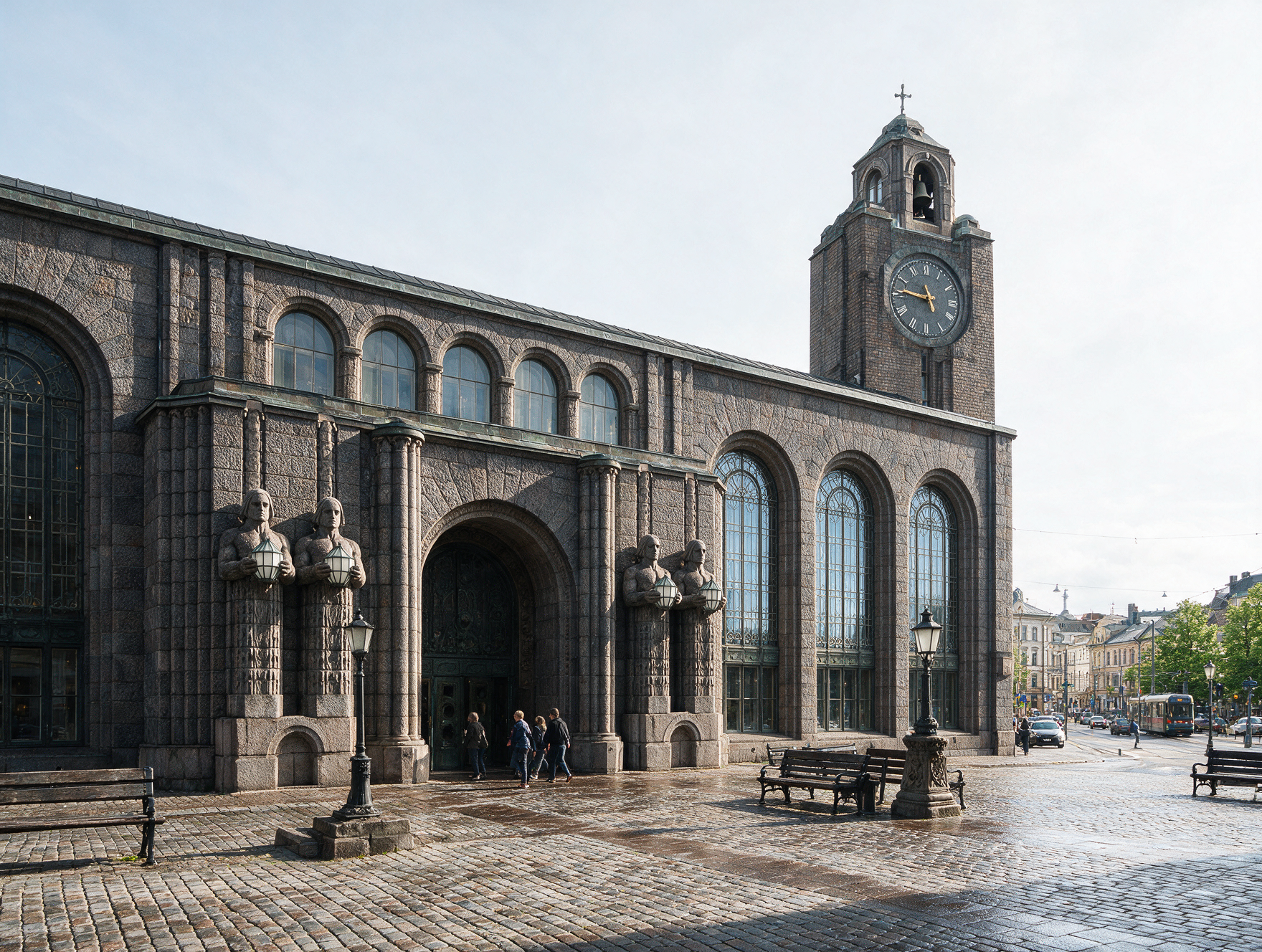
A photography tip for transit specifically: Helsinki Central Railway Station, designed by Eliel Saarinen and completed in 1919, is one of the more photogenic transit buildings in Northern Europe — the granite statues flanking the entrance are worth a few minutes even if you’re not catching a train there, and early morning light on the facade before the crowds build up is the best window for a clean shot.
On accessibility: Helsinki’s newer trams and the metro are step-free and wheelchair accessible, though some of the older tram models still in service have higher steps — the HSL app flags which specific vehicles on a route are low-floor if this matters for your trip, which is a level of detail most visitors don’t realize is available until they need it.
A mistake to avoid
Don’t buy a Helsinki multi-day travel pass if you’re mainly using the city as a Lapland stopover with only a day or two there — casual visitors consistently overestimate how much they’ll actually ride the tram once they realize how walkable central Helsinki is. Do the rough trip count first. And separately: don’t book a tight same-day connection between an incoming international flight and your domestic Rovaniemi flight — build in at least 2–3 hours of buffer at Helsinki-Vantaa, since immigration queues for non-EU passport holders can run longer than expected during peak arrival windows.
Frequently Asked Questions
Do I need a physical ticket for Helsinki’s trams and metro?
No — the HSL app handles everything digitally, and contactless card payment works directly on trams and buses for single tickets if you’d rather not use the app.
Is the train or the flight better from Helsinki to Rovaniemi?
The flight (about 1h20m) is far more time-efficient; the overnight sleeper train (10–12 hours) is worth choosing specifically for the experience of it, not to save money, since fares are often comparable.
Can I use the same HSL ticket for the Suomenlinna ferry?
Yes — the ferry to Suomenlinna is included within a standard HSL ticket covering the relevant zone, so no separate ferry ticket is needed.
Is renting a car worth it in Finland?
Rarely necessary for a Helsinki-and-Lapland itinerary, since intercity travel is well served by train and flight, and Lapland excursions typically include transport. It becomes worth considering only for independent, flexible exploration of rural Lakeland or remote Lapland beyond standard excursion routes.
How far in advance should I book VR train tickets?
A few weeks ahead for the best fares on popular routes and the overnight Rovaniemi sleeper, though short routes like Helsinki-Turku have frequent enough departures that booking a few days ahead is usually fine.
Are Finnish trains accessible for travelers with luggage?
Yes — VR trains have generous luggage racks and step-free boarding on most modern rolling stock, which makes them genuinely comfortable for travelers with a suitcase rather than just a backpack.
Is public transport in Finland safe to use at night?
Yes, very much so — Finland’s low crime rate extends to its transit system, and trams, buses, and the metro all run safely into the evening, though service frequency does drop noticeably after around 11pm, especially outside the city center.
Do I need to book Lapland excursion transport separately from the activity itself?
No, in almost every case — husky sledding, snowmobiling, and aurora-hunting tours booked through a lodge or tour operator include return transport from your accommodation as standard, so there’s rarely a need to arrange anything separately.
Getting Around Without the Guesswork
Finland’s transit system rewards a little upfront planning — decide your Helsinki-to-Lapland method (flight versus sleeper train) before you land, and the rest of the logistics fall into place easily. Get Tripped handles all of this booking as part of a custom Finland itinerary, including the domestic flight timing that actually protects your Lapland days rather than eating into them.
Want the logistics handled for you? Get Tripped Travels builds the transfers, flights, and transit passes into every Finland itinerary, so you’re not figuring out zone maps on your first morning in the country.