A Day in Turku: An Hour-by-Hour Guide to Finland’s Oldest City
Turku doesn’t try very hard to impress you, and that’s exactly why it works as a day trip. It was Finland’s capital until 1812, it’s the country’s oldest city, and yet it moves at the unhurried pace of a place that stopped needing to prove anything centuries ago. I spent a single autumn day working my way along the Aura River from the castle to the cathedral, and by the time the light started going gold over the water around six in the evening, I understood why locals from Helsinki treat Turku as their weekend escape rather than the other way around.
This is a practical, sequenced walk through one full day in Turku — where to start, what order to see things in so you’re not backtracking, and where to eat along the way. It pairs well with a longer Finland itinerary, whether as a day trip from Helsinki (about two hours by train) or a standalone overnight before heading north.
Table of Contents
- Best time to visit Turku
- Getting to Turku
- Morning: Turku Castle
- Late morning: along the Aura River
- Midday: Turku Market Hall
- Afternoon: Turku Cathedral and the old town
- A mistake to avoid
- Evening: riverside terraces and an archipelago sunset
- Where to stay if you extend your visit
- FAQs
- Final word
Best time to visit Turku
June through August is when Turku is at its most alive — the riverside terraces open, boats line the Aura, and the archipelago cruises run on full schedule. Early autumn, September into early October, trades some of that energy for cooler air and a quieter old town, which I’d actually recommend if you want to walk Turku Castle’s grounds without a crowd. Winter turns the city moodier and more indoor-focused, better suited to the market hall, museums, and cathedral than a river walk.
Getting to Turku
Trains from Helsinki run roughly every hour and take about two hours, arriving right into the city centre, which makes this an easy add-on to a Helsinki-based trip without renting a car. Turku also has its own airport and a ferry terminal with connections to Stockholm, so it can just as easily be a first or last stop on a Finland trip rather than a side trip.
Morning: Turku Castle
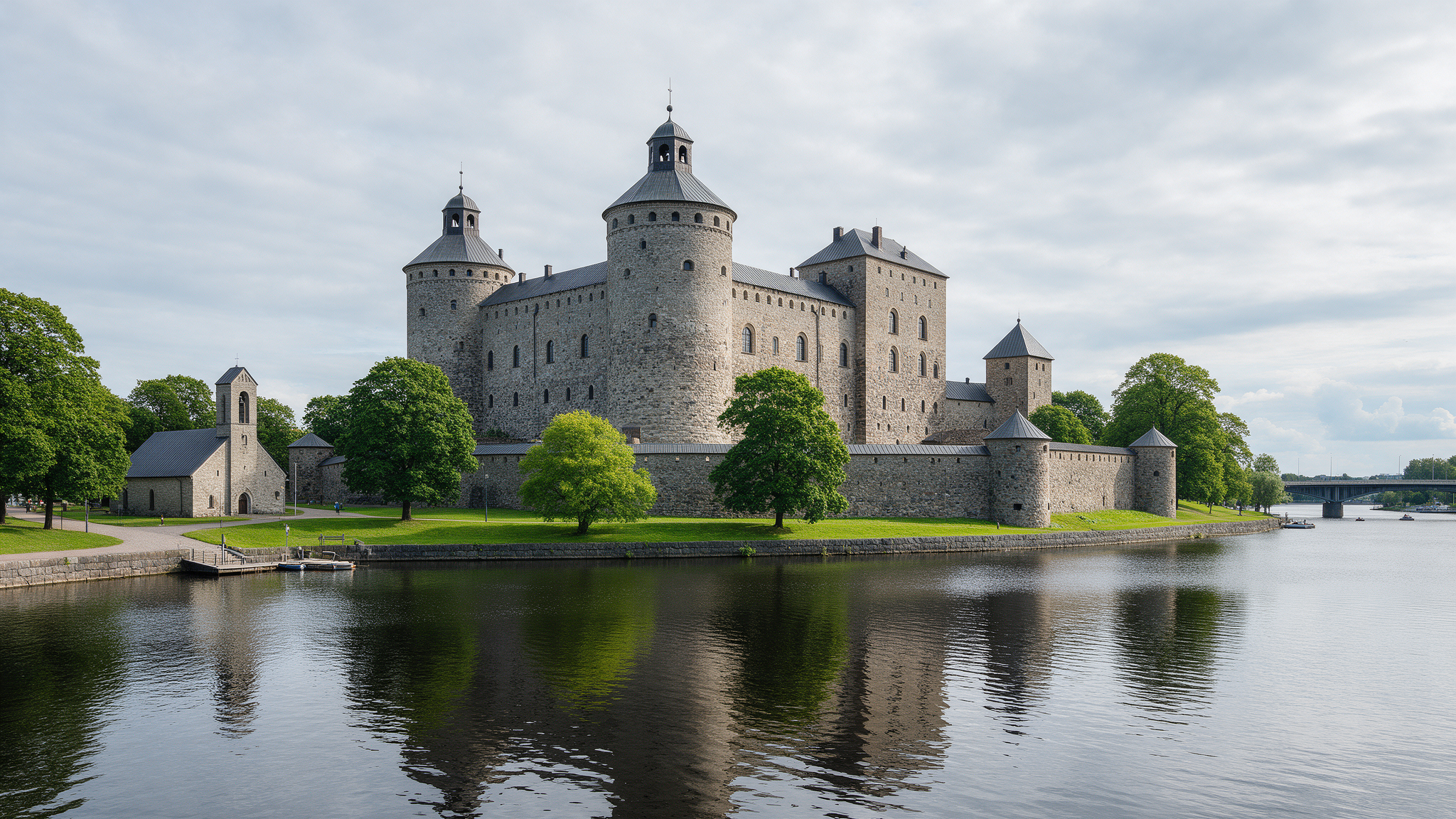
Start at Turku Castle, right by the harbour where the Aura River meets the sea. It’s one of the largest surviving medieval castles in Finland, and unlike a lot of restored European castles, it doesn’t feel over-polished — you can still read the layers of construction from the 1280s through later Renaissance additions. According to Turku Castle’s official site, it opens at 10:00 (Tuesday to Sunday) and admission is €18 for adults, €8 for children aged 7 to 15, with a family ticket at €44 covering one or two adults and two to four children; students, pensioners, and conscripts get a concession rate of €9. Budget an hour and a half if you want to see the museum exhibits properly rather than just the courtyard.
Late morning: along the Aura River
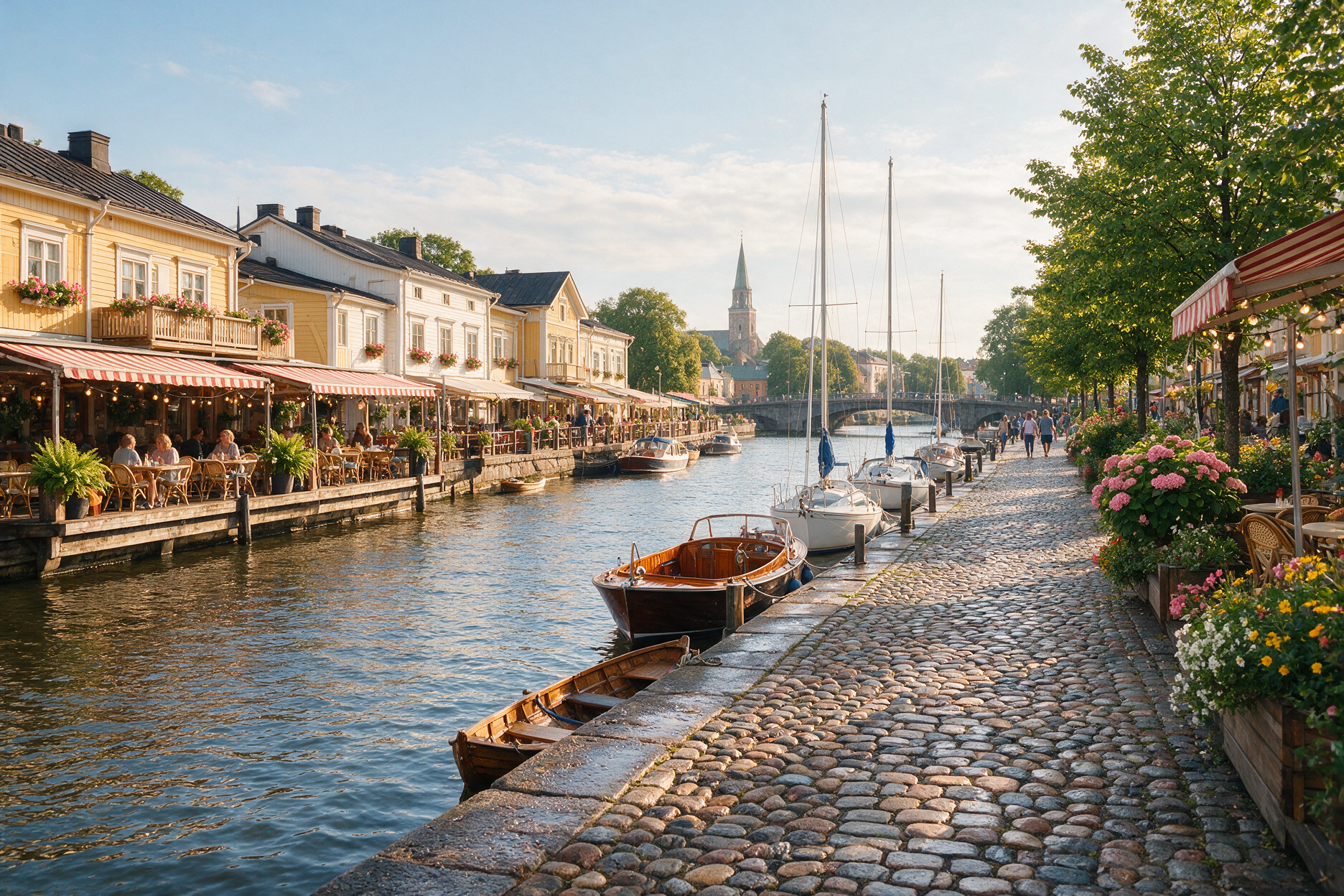
From the castle, walk the river path back toward the centre — it’s roughly a 25 to 30 minute walk, or you can catch the Föri, the small free passenger ferry that’s been shuttling people across the Aura since 1904 and is as much a local institution as a mode of transport. This stretch of riverbank is where Turku actually lives: converted boats moored along the banks now function as floating cafés and bars, and even on a grey morning there are people out walking dogs or just sitting with coffee. Grab a coffee here and take fifteen minutes to just sit — this is the closest thing Turku has to a single defining scene, and rushing past it to the next landmark misses the point of the city entirely.
Midday: Turku Market Hall
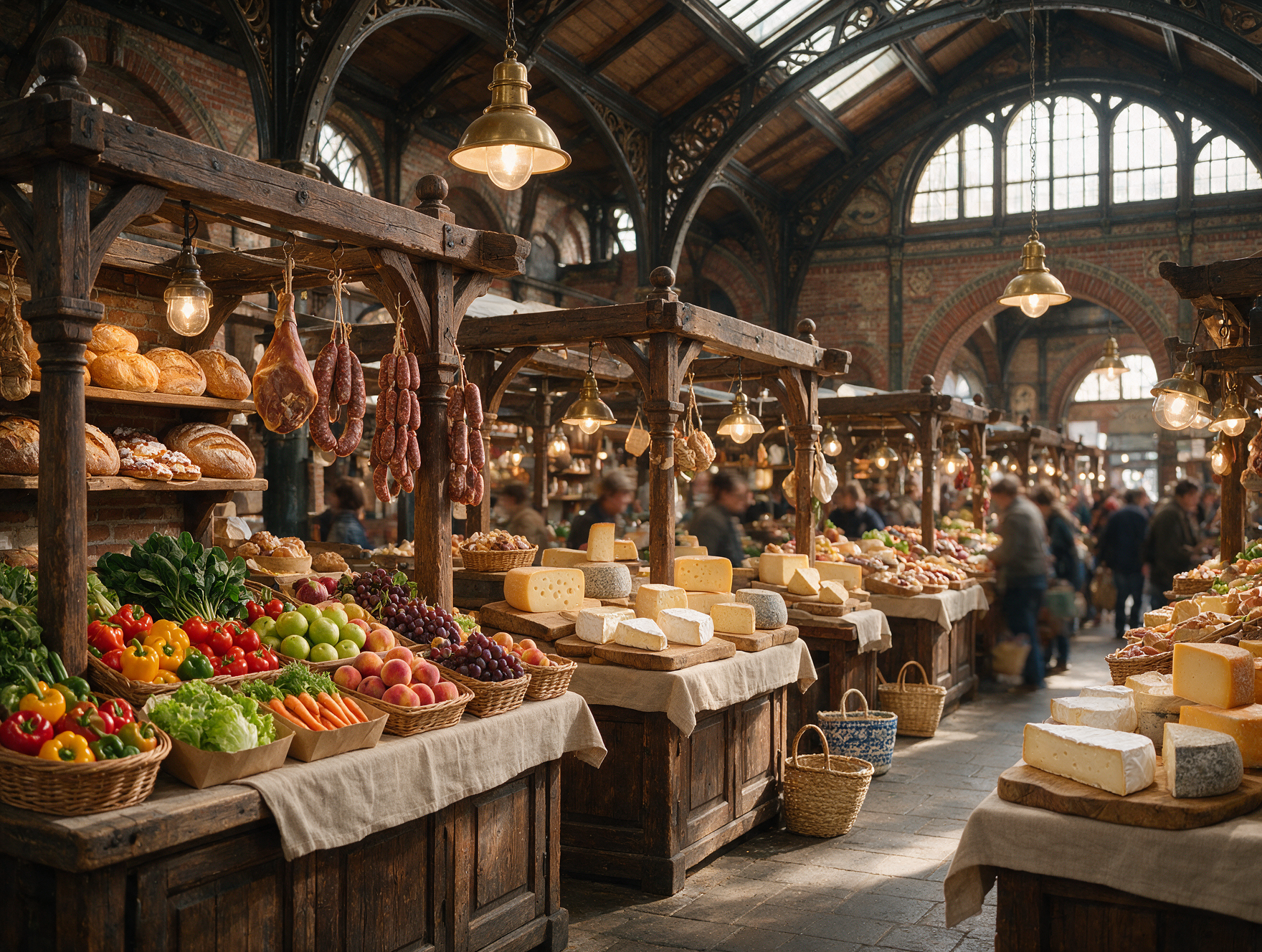
By midday, head to Turku Market Hall (Kauppahalli) for lunch — a covered 19th-century hall packed with small vendors selling fresh fish, cheese, baked goods, and prepared food stalls where you can put together a proper lunch for well under what you’d pay at a sit-down restaurant nearby. It’s a good spot to try Karelian pasties and local fish, and it’s where you’ll see Turku residents doing their actual Saturday shopping alongside the handful of tourists who’ve found it. It’s a five-minute walk from the river, tucked a couple of streets back from the main pedestrian strip.
Afternoon: Turku Cathedral and the old town
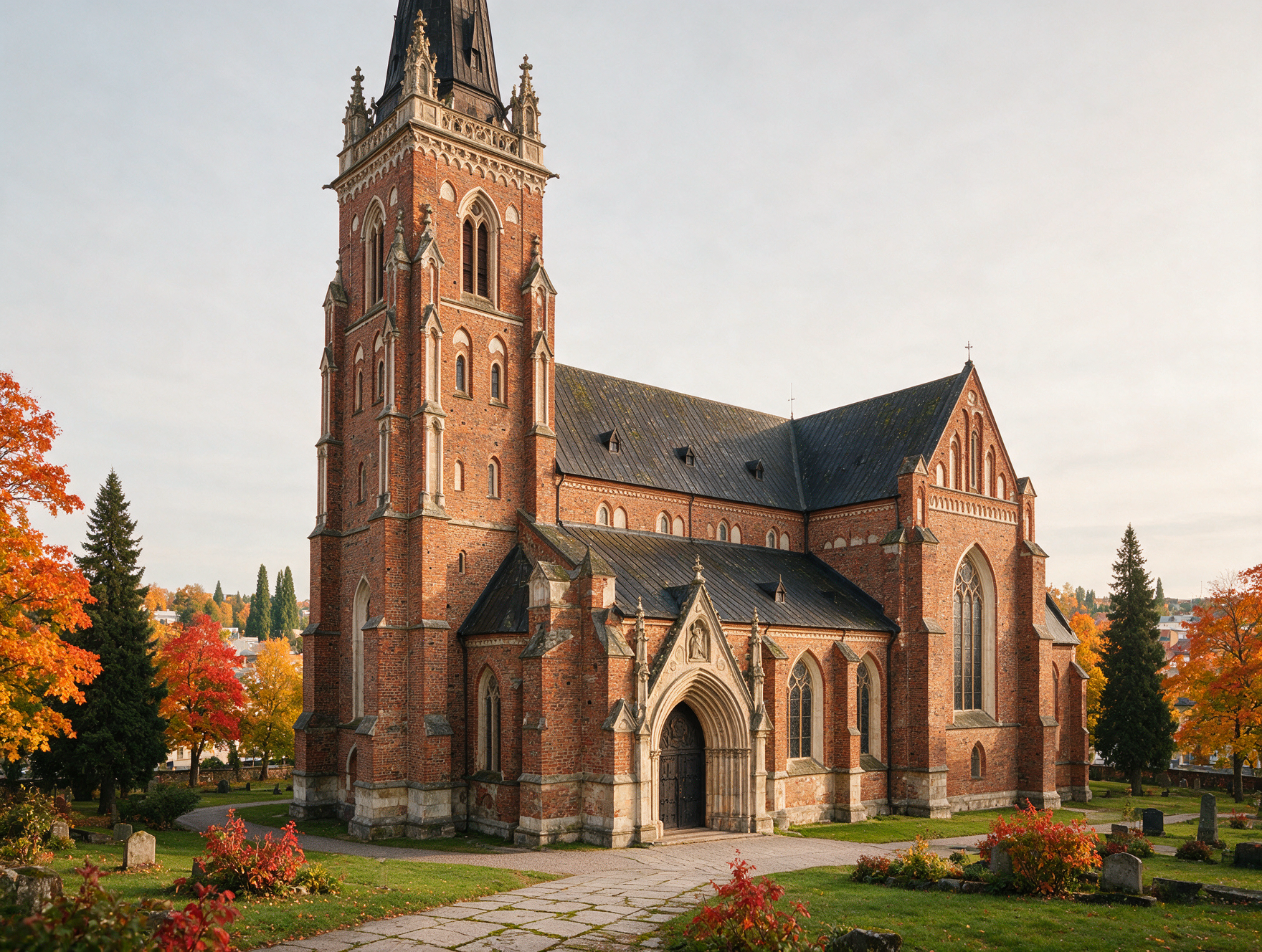
From the market hall, it’s a short walk to Turku Cathedral, the mother church of Finland’s Lutheran faith and, along with the castle, the closest thing the city has to a must-see. The brick bell tower dominates the skyline from almost anywhere along the river, and the interior is worth thirty to forty-five minutes, particularly for the medieval side chapels. Afterward, wander the surrounding old town streets and, if you have the time and interest, the Aboa Vetus & Ars Nova museum, which combines an active archaeological excavation site with a contemporary art museum in a way that’s more interesting than it sounds on paper.
A fun fact worth knowing before you go
Turku was Finland’s capital and largest city right up until 1812, when Russian rule shifted the capital to Helsinki specifically because it sat closer to St. Petersburg — a decision made almost entirely for imperial convenience rather than anything to do with Turku itself. The city took the demotion in stride and has spent the two centuries since building a genuinely different identity: less about political weight, more about being Finland’s cultural and academic anchor, home to two major universities and a disproportionate share of the country’s writers and musicians relative to its size. That history is part of why Turku doesn’t feel like it’s trying to compete with Helsinki. It simply isn’t playing the same game.
A mistake to avoid
Don’t plan a Turku day trip around a Monday. Several of the city’s smaller museums, and occasionally parts of the castle’s exhibition areas, run reduced hours or close entirely at the start of the week — always confirmed against the current calendar before you build your day around a specific opening time, since these change seasonally. If Monday is your only option, lean the day toward the market hall, the river walk, and the cathedral exterior, all of which are accessible regardless.
Evening: riverside terraces and an archipelago sunset
As the afternoon turns to evening, the riverside boat-bars fill up properly, and this is when Turku’s laid-back energy is most visible — no cover charge, no dress code, just locals and a handful of visitors drinking on deck as the light changes over the water. If you have an extra half-day built into your trip, an archipelago cruise out from Turku’s harbour into the Turku Archipelago — one of the largest archipelagos in the world by island count — is worth adding; even a short two-hour cruise gets you far enough out to see why this coastline is protected and genuinely underrated compared to more famous Nordic archipelagos.
Where to stay if you extend your visit
If you’re turning this into an overnight rather than a day trip, staying near the river between the castle and the cathedral puts everything in this itinerary within comfortable walking distance. Mid-range hotels in this stretch tend to be housed in older buildings with genuine character rather than generic new builds, which suits Turku’s whole unhurried personality. A handful of boutique properties right on the riverbank let you wake up to the same view you’d otherwise only catch on an evening walk, and they’re worth the modest premium if you’re staying two nights rather than passing through in a day. For travelers extending into the archipelago itself, a few island properties a short ferry ride out make a genuinely peaceful add-on before heading back toward Helsinki or north into the rest of Finland.
Practical notes for the day
Cards are accepted everywhere in Turku, including at most market hall stalls and the riverside boat-bars, and it’s genuinely rare to need cash at all — even small vendors run on contactless payment as a matter of course. A local eSIM or an international roaming plan will cover you fine for maps and train times; connectivity along this whole route, including on the train from Helsinki, is reliable. Budget roughly €60 to €90 per person for a comfortable day covering castle admission, lunch at the market hall, and a proper riverside dinner, more if you add the archipelago cruise.
For photography, the best light on the castle is mid-morning from the river side, before the sun swings around behind it in the afternoon; the cathedral’s bell tower photographs best from the small park just south of it. Couples will find the riverside terraces at golden hour genuinely romantic without trying too hard to be, and it’s an easy, low-key day trip for solo travelers too, since everything sits along one walkable route with no real navigation required. Families with children will want to budget extra time at the market hall over the museums, since the food stalls and general bustle tend to hold kids’ attention better than a medieval exhibition case.
Turku is comfortably safe to walk at any hour, including the riverside path after dark, and English is spoken fluently throughout the city, so language is a non-issue.
FAQs
Is Turku worth visiting if I’m already going to Helsinki?
Yes — it’s a different pace and a different era of Finnish history, and the two-hour train ride is easy enough to do as a single focused day trip without disrupting a broader Finland itinerary.
Can I see Turku Castle and Turku Cathedral in one day along with the market hall?
Comfortably, yes, if you start by mid-morning — the route in this guide is designed to move in one direction along the river rather than backtracking.
Is Turku expensive compared to Helsinki?
Slightly less, on average, particularly for food at the market hall and mid-range accommodation, though it’s still Finland, so budget accordingly.
Do I need to book Turku Castle tickets in advance?
It’s not usually necessary outside peak summer weekends, but booking online ahead avoids any queue at the entrance during July and August.
What’s the best way to get around Turku itself?
On foot — the old town, river, castle, and cathedral are all within a comfortable walking radius, and the free Föri ferry covers the one river crossing you might otherwise need transport for.
Is Turku a good base for exploring the Finnish Lakeland or archipelago?
It’s the natural gateway to the Turku Archipelago, though for the Finnish Lakeland further east, cities like Savonlinna or Mikkeli make a more central base — see our Finland itinerary guide for how to sequence a full trip.
Is Turku family-friendly for a day trip?
Yes — the castle’s exhibitions, the market hall’s variety of food, and the open riverside paths all work comfortably for children, and nothing on this itinerary requires long stretches of standing still or formal sit-down dining.
Final word
Turku rewards a slow, linear day more than a checklist — castle to river to market to cathedral, in that order, with real time left over to just sit by the water. It’s one of the easiest additions to any Finland trip, and one of the most underrated by travelers who only plan for Helsinki and Lapland.
Want Turku built properly into your Finland trip? Get Tripped Travels can design a custom itinerary that adds Turku, the Lakeland, or the archipelago exactly where they fit best around your dates.