Finland is not naturally an easy country for vegetarians on paper — the traditional food culture is built heavily around fish, reindeer, and dairy, and outside Helsinki, menus can look genuinely thin for anyone not eating meat or fish. In practice, it’s more workable than it looks, mostly because Finns have leaned hard into plant-based eating over the last decade for reasons that have nothing to do with tourism, and dedicated vegetarian and vegan spots now exist in places you wouldn’t expect, alongside a broader culture of restaurants willing to adapt a dish on request rather than treating it as an imposition.
Here’s a working guide across the six places Get Tripped’s Finland trips typically cover, with specific restaurants rather than generic reassurance.
Table of Contents
- Helsinki
- Turku
- Finnish Lakeland
- Rovaniemi
- Levi
- Lapland at large
- Supermarket and self-catering options
- Useful phrases and dietary cards
- A fun fact about Finland’s plant-based shift
- Notes for different kinds of travelers
- A mistake to avoid
- FAQs
Helsinki
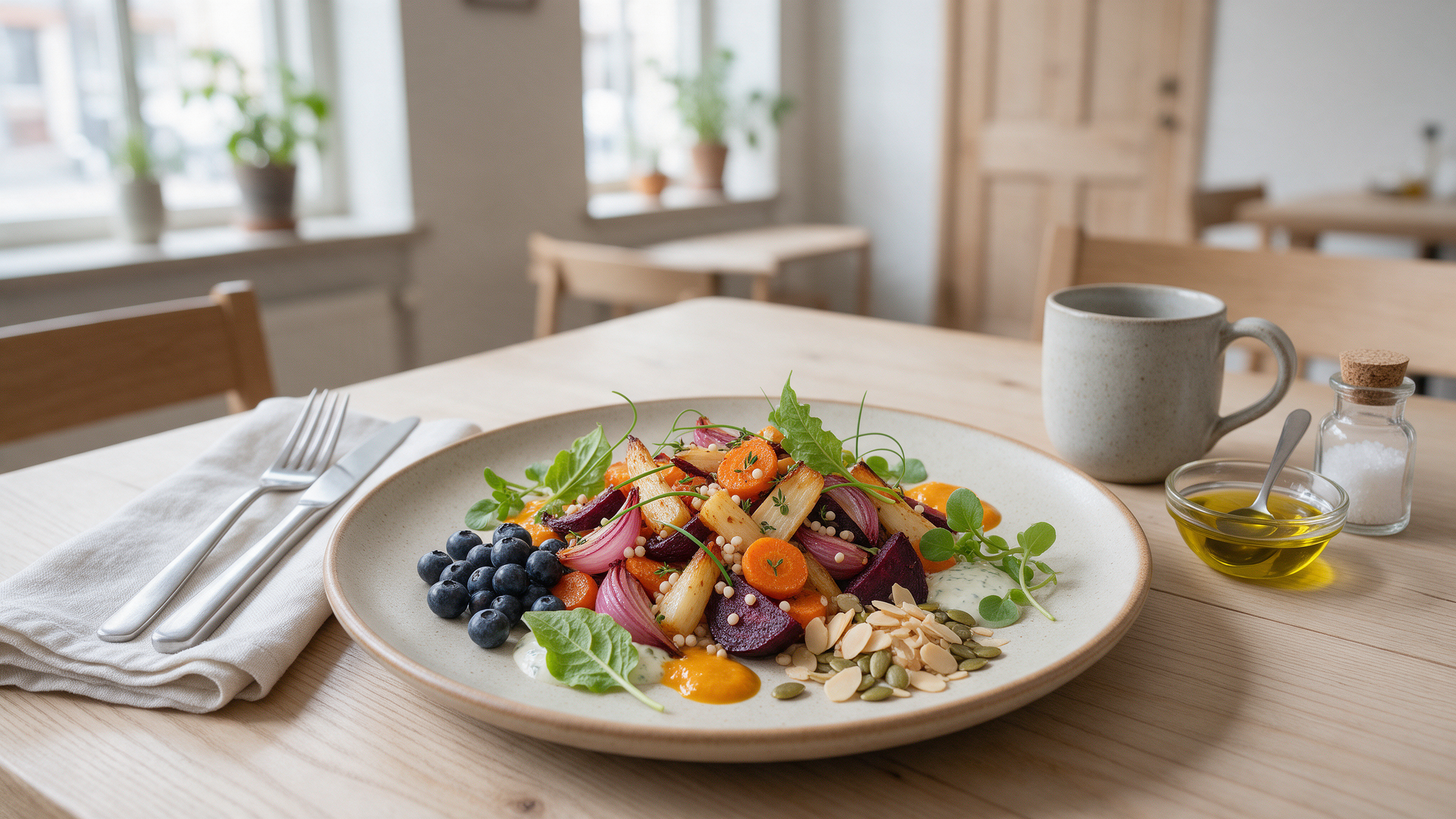
Helsinki is genuinely good for this, and easily the strongest city on this list. Zucchini, a small, unpretentious lunch spot near the Esplanade, runs a rotating daily vegetarian menu of soups, mains, and desserts and is one of the longest-running dedicated vegetarian kitchens in the city — go for lunch rather than dinner, since it leans toward daytime hours. In Kallio, Soi Soi serves soy burgers, seitan kebabs, and tofu-based street food in a genuinely casual, fast-food-style setting, which makes it an easy stop between sightseeing rather than a sit-down commitment. Between the two, you’ve got a proper sit-down vegetarian lunch and a quick plant-based dinner covered without any compromise. Beyond these two, Helsinki’s broader restaurant scene has caught up fast — a decade ago finding a vegetarian main outside a dedicated vegetarian restaurant was genuinely difficult; today most mid-range Helsinki restaurants list at least one vegetarian and one vegan main as standard, not a special request, which says something about how quickly Finnish food culture has moved on this.
Turku
Turku is thinner on dedicated vegetarian restaurants, but the Turku Kauppahalli market hall has several counters that will build a full vegetable- and grain-based plate on request, and it’s worth simply asking rather than assuming a fish-and-meat-only stall. For a proper sit-down meal, Ravintola Kaskis by the Aura River, one of Finland’s more internationally recognized restaurants, will accommodate a vegetarian tasting menu with advance notice — email ahead rather than arriving and hoping, since tasting menus are planned days in advance around what’s been sourced that week.
Finnish Lakeland
Around Savonlinna, options are limited by the region’s small population rather than by unwillingness to accommodate. Lettukahvila Kalliolinna, a pancake café, is the most reliable stop — Finnish pancakes (lettu) are egg-and-flour based rather than meat-based to begin with, and the café offers savory vegetable fillings alongside the classic sweet versions with berries. Outside of this, your best strategy in Lakeland towns is asking directly at any café whether they can do a vegetable-and-cheese version of whatever’s on the menu; the region’s small-town restaurants are generally happy to adapt when asked plainly, even without a dedicated vegetarian section on the printed menu. Summer is genuinely the easier season to eat vegetarian here, since the lakeside markets fill up with fresh berries, mushrooms, and vegetables from local smallholdings — winter narrows things considerably, back toward root vegetables and preserved produce.
Rovaniemi
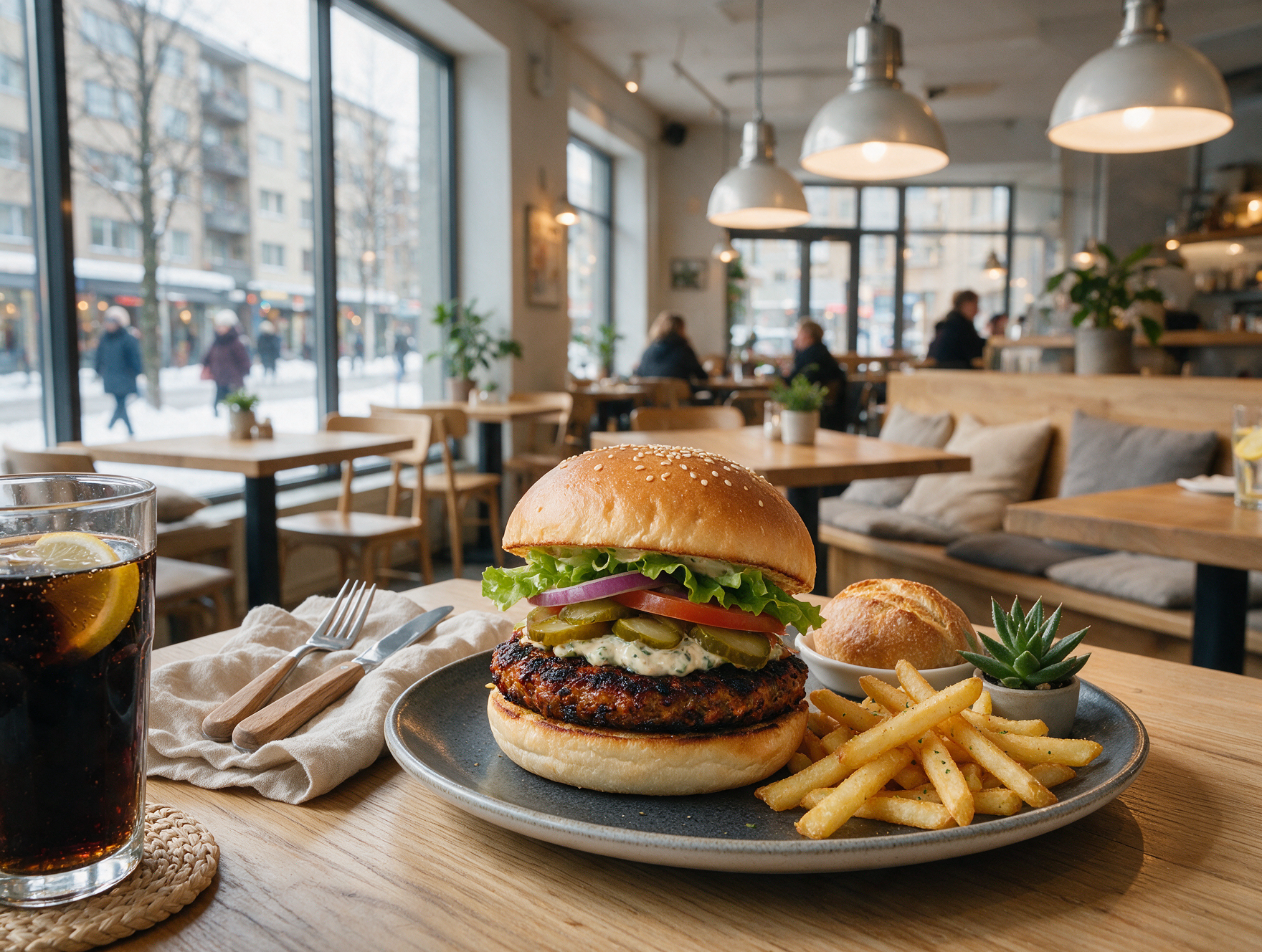
Given how reindeer-centric Rovaniemi’s food identity is, this city surprises people. Pure Burger explicitly offers vegetarian and vegan burger patties as standard menu items, not a hidden substitution, making it the easiest plant-based meal in the city. Gustav Kitchen & Bar, a more upscale Lappish-Scandinavian kitchen, builds seasonal vegetarian plates around whatever root vegetables, mushrooms, and grains are in season — it requires asking your server what the vegetarian option is that night rather than expecting it printed on the menu, but the kitchen takes it seriously rather than defaulting to a bland pasta. A local tip: Rovaniemi’s weekly farmers’ market, when it runs during the warmer months, is a good source of fresh vegetables, berries, and bread for anyone self-catering part of their Lapland stay, and it’s a pleasant half hour even if you’re not buying much.
Levi
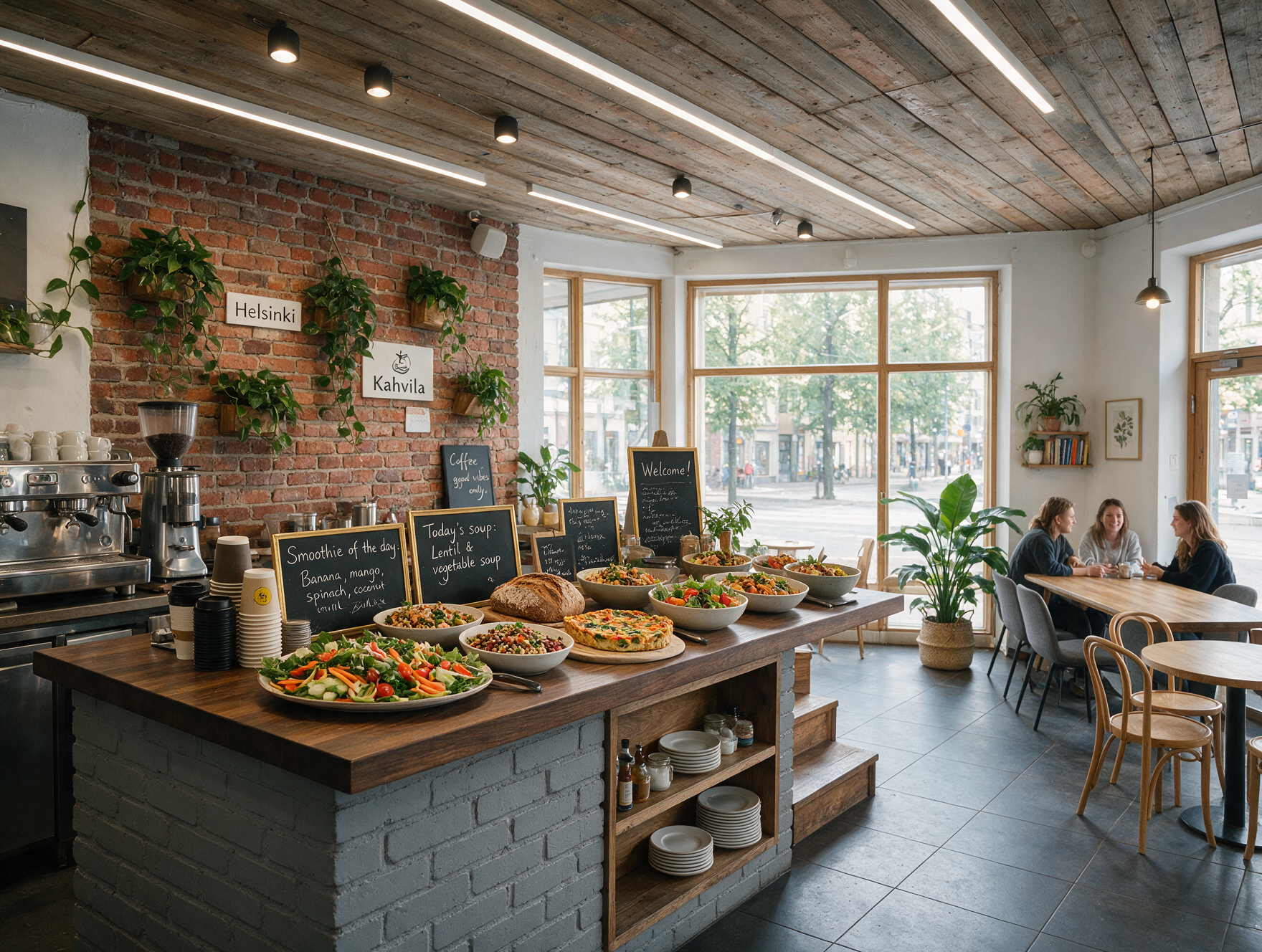
Levi is the most challenging stop on this list simply because it’s a small, seasonal ski resort built around feeding skiers hearty, meat-forward meals after a day on the slopes. Restaurant Kammi (Saamen Kammi), despite its Sámi-and-reindeer-forward reputation, will put together a vegetarian plate with advance notice, drawing on root vegetables, foraged mushrooms, and local cheeses rather than treating it as an afterthought — call ahead the same day if possible, since the kitchen plans portions around what’s booked. Beyond that, most hotel restaurants in Levi run a buffet format during ski season, which in practice is the easiest way to eat vegetarian here, since a buffet spread almost always includes a vegetable and grain option even when the à la carte menu doesn’t make it obvious.
Lapland at large
At wilderness lodges and glass igloo resorts, vegetarian and vegan needs should be flagged at the time of booking, not on arrival — these kitchens plan multi-course dinners around fixed guest counts and specific sourced ingredients days ahead, and a same-day request limits what they can put together. Every reputable lodge we work with at Get Tripped can accommodate vegetarian and vegan diners well when given notice, often producing a genuinely thoughtful foraged-vegetable plate rather than a plain substitution — but the notice matters more here than anywhere else on this list.
Supermarket and self-catering options
If you’re staying anywhere with a kitchenette (common at Lapland cabins and some Helsinki apartment-hotels), Finnish supermarkets — K-Market, S-Market, and Prisma are the main chains — carry an unusually strong plant-based aisle for a country this size, including Finnish-made oat and pea-protein products (Oddlygood and Beanit are two well-regarded local brands) that are worth trying simply because they’re a genuine domestic food-tech success story, not just an imported novelty. This is a reliable backup for Lakeland or Levi stretches where restaurant options thin out.
Useful phrases and dietary cards
“Kasvisruokaa” means vegetarian food, and “vegaani” is used the same way it reads. Most restaurant staff in tourist areas speak good English, so a simple “Onko teillä kasvisruokaa?” (“Do you have vegetarian food?”) gets you a long way, but for more remote lodges where English may be more limited, it’s worth carrying a printed or phone-saved dietary card in Finnish stating your restriction clearly — Get Tripped includes one of these in every Finland trip pack for exactly this reason.
A fun fact about Finland’s plant-based shift
Finland has one of the fastest-growing plant-based food markets in Europe, driven partly by domestic food-tech companies developing oat and faba-bean protein products as a genuine agricultural strategy, not just a consumer trend — the country’s short growing season and cold climate made traditional livestock farming expensive relative to oat and legume crops, so plant-protein innovation became an economic bet as much as a dietary one. That’s part of why even reindeer-heavy Rovaniemi restaurants now often have a genuinely considered plant-based option: the ingredients are increasingly grown a short distance away, not shipped in as an afterthought.
Notes for different kinds of travelers
Solo vegetarian travelers will find Helsinki the easiest city on this entire trip to eat well and spontaneously, without needing reservations — Zucchini and the market halls both work well for a single diner. Couples should book the Kaskis vegetarian tasting menu in Turku in advance if a proper sit-down food experience matters to the trip; it’s one of the few genuinely special-occasion vegetarian meals on this whole route. Families with vegetarian kids will do best leaning on buffet-format meals, which are common at Levi ski hotels and some Rovaniemi properties, since buffets let a fussy young eater choose freely without a kitchen needing to prepare a separate dish. Luxury travelers heading to a Lapland glass igloo resort should specifically ask whether the property’s executive chef can build a dedicated tasting menu around foraged vegetarian ingredients — several of the higher-end lodges we work with will do this as a genuine highlight of the stay rather than a workaround, if given a few days’ notice.
An honest caveat, since this guide should be useful rather than just reassuring: a vegetarian trip through Lakeland and Levi specifically will involve more repetition — cheese, root vegetables, and eggs showing up across multiple meals — than a vegetarian trip through, say, Southeast Asia. It’s genuinely workable, and Get Tripped hasn’t had a client go hungry, but go in expecting variety to be lower in the smaller towns than in Helsinki, and plan accordingly with a Helsinki-heavy portion of your trip if food variety matters a great deal to you.
A mistake to avoid
Don’t assume “vegetarian” automatically means “vegan-adjacent” here the way it sometimes does elsewhere — Finnish vegetarian dishes lean heavily on dairy and eggs (that squeaky leipäjuusto cheese, cream-based soups, buttered rye bread), so vegan travelers specifically need to double-check rather than assume a vegetarian-labeled dish works for them. And in Lapland especially, don’t leave your dietary needs as a same-day surprise — the smaller the kitchen, the more advance notice actually changes what they can offer you.
Frequently Asked Questions
Is Finland hard for vegetarians?
Easier than the traditional menu might suggest, especially in Helsinki, but it does require more planning in smaller towns and at Lapland wilderness lodges than in most of Western Europe.
Are there dedicated vegan restaurants in Finland?
Yes, particularly in Helsinki, where the plant-based dining scene has grown substantially — Soi Soi is a solid fully plant-based option, and several other spots across the city cater specifically to vegan diners.
Can Lapland wilderness lodges really handle vegan requests?
Generally yes, provided you tell them at the time of booking rather than on arrival — these are small kitchens planning fixed multi-course dinners in advance.
Is Finnish rye bread vegan?
Most traditional ruisleipä is vegan by ingredients (rye flour, water, salt, yeast), though it’s worth double-checking any butter or milk added in a specific bakery’s recipe.
What Finnish dish should vegetarians try first?
Karjalanpiirakka with the egg-butter topping swapped out, or a good vegetable-based version of hernekeitto (pea soup), which is naturally vegetarian at its base.
Do supermarkets in Finland carry good plant-based products?
Yes — Finland has a genuinely strong domestic plant-protein industry, and mainstream supermarkets carry oat- and pea-based products well beyond what you’d find in most European countries of similar size.
Should I tell Get Tripped about dietary restrictions before or after booking?
Before, ideally at the time of booking your Finland itinerary — Lapland wilderness lodges in particular plan fixed-menu dinners days in advance, and giving them as much lead time as possible produces a noticeably better meal than a last-minute request on arrival.
Eating Well Without Compromise
None of this requires heroic effort — it requires knowing which six or seven places to walk into, and flagging your needs early where kitchens are small. Get Tripped builds dietary requirements into every Finland itinerary from the first planning call, including pre-briefing the Lapland lodges we work with directly.
Traveling with dietary restrictions? Tell Get Tripped Travels when you book, and we’ll make sure every stop on your Finland itinerary — right down to the glass igloo dinner — actually has something good waiting for you.