Singapore doesn’t really have seasons in the way most of the world understands the word. It sits almost exactly on the equator, which means the temperature barely moves across the calendar — highs hover around 30-32°C every single month of the year. What changes is rainfall, and that’s really the only variable worth packing around. This Singapore packing list is built on that one honest fact: pack for heat and humidity year-round, then adjust slightly for whichever monsoon phase you’re landing in.
Table of Contents
- The weather basics: there’s no “cool season”
- Understanding Singapore’s two monsoon seasons
- The core packing list, every season
- December to March: the wetter stretch
- April to October: the drier, hotter stretch
- The one thing everyone forgets: indoor air-conditioning
- Practical extras worth packing
- FAQs
The weather basics: there’s no “cool season”
Average highs run between roughly 30.5°C and 32.4°C in every single month, with lows rarely dipping below 24°C even overnight. February is typically the driest month, averaging around 105mm of rain over about nine days, which also makes it one of the sunnier, more pleasant windows to visit. December is the wettest, averaging around 330mm over nineteen rain days, with November close behind. None of this changes the fundamental packing strategy much — you’re dressing for heat and humidity regardless of when you go — but it does change how much rain gear you’ll actually use.
Understanding Singapore’s two monsoon seasons
Singapore sits between two monsoon systems. The Northeast Monsoon runs roughly December through March, bringing the heaviest and most sustained rain, particularly in December and early January. The Southwest Monsoon runs roughly June through September, with somewhat lighter, more scattered showers. Between these two, April-May and October-November are inter-monsoon periods, often marked by sudden, intense but short afternoon thunderstorms — the kind that roll in fast, drench everything for twenty minutes, and clear up just as quickly. Rain falls on about 171 days a year overall, mostly in the afternoon, so mornings are generally your safer window for outdoor plans in any month you travel.
The core packing list, every season
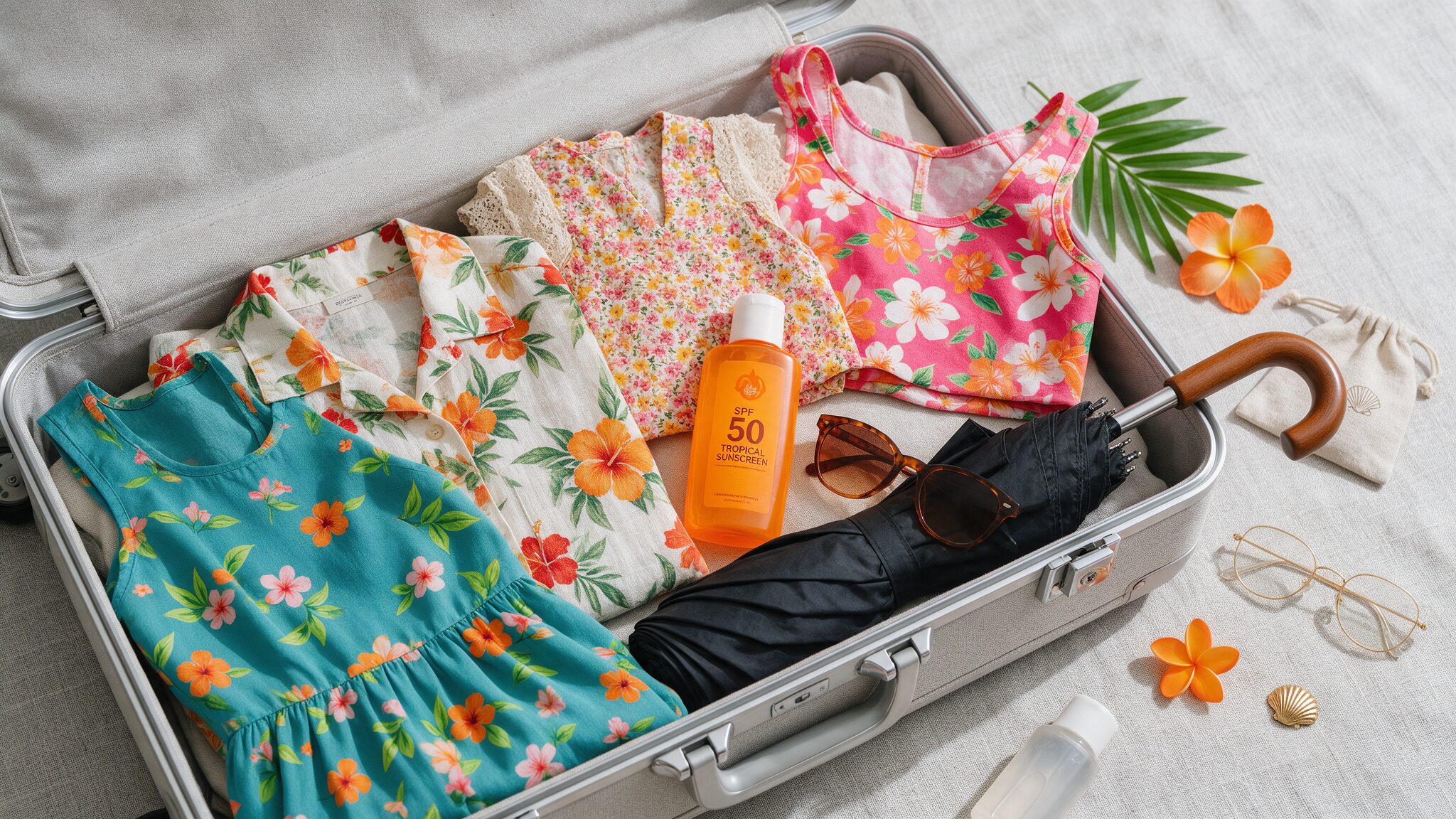
Regardless of when you’re going, pack lightweight, breathable clothing — cotton and linen outperform synthetic blends here, since Singapore’s humidity (often 70-90%) makes anything that doesn’t breathe genuinely uncomfortable within an hour outdoors. Bring more tops than you think you need; you will sweat through them faster than at home, and laundry, while available, isn’t always worth the hotel’s per-item pricing for a short trip. A wide-brimmed hat or cap, sunglasses, and a high-SPF sunscreen are non-negotiable even on cloudy days, since equatorial UV comes through haze more than people expect. Comfortable, broken-in walking shoes matter more here than in most destinations — you’ll cover serious ground on foot between MRT stations and attractions, and new shoes plus humidity plus swelling feet is a genuinely bad combination by day three.
December to March: the wetter stretch
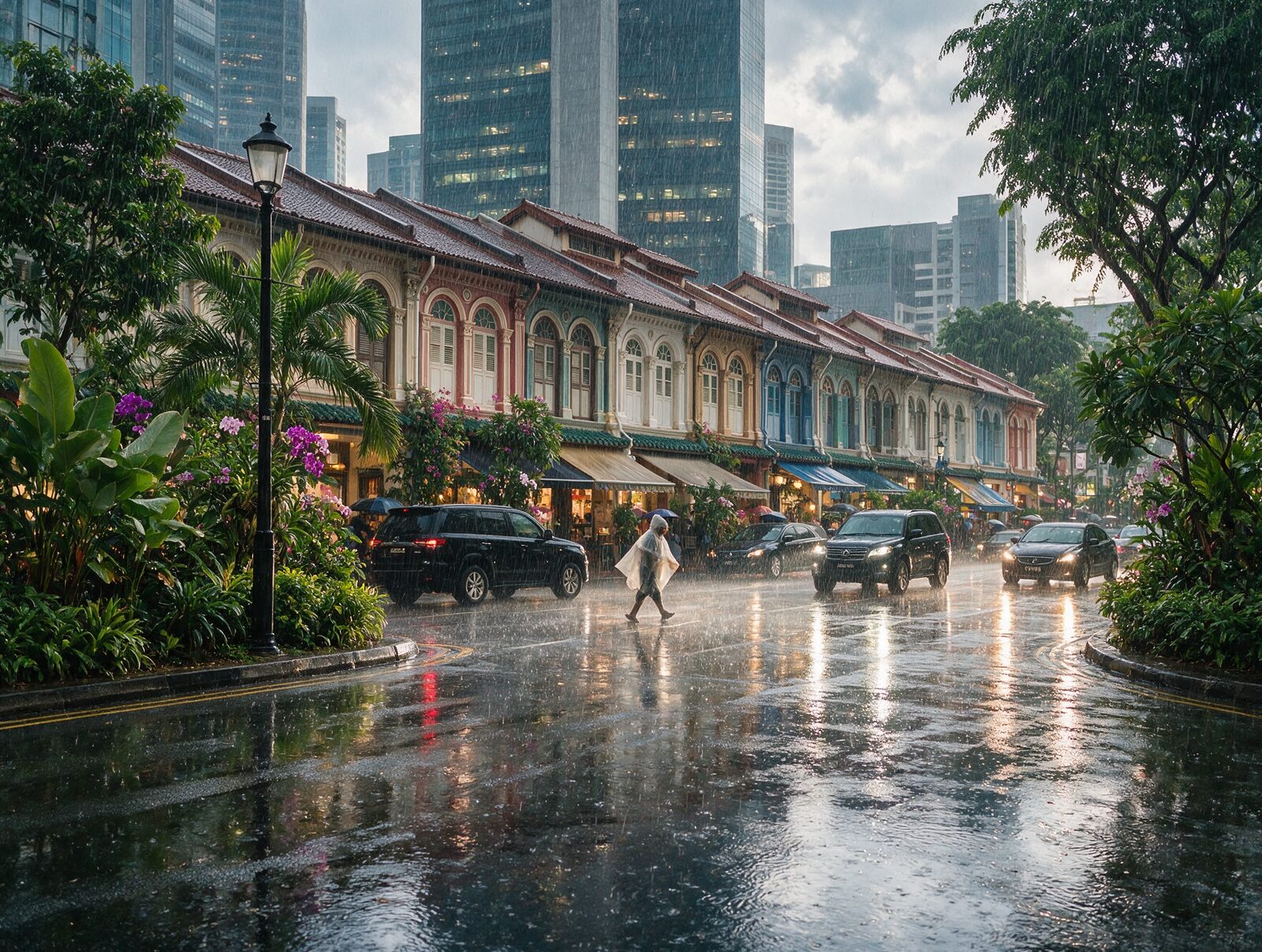
This window includes the Northeast Monsoon’s heaviest rain, so a proper compact umbrella — not a flimsy one that’ll turn inside out in a gust — earns its space in your bag more than any other season. A light rain jacket or poncho is worth packing alongside it for days when you’re walking rather than ducking between taxis, since Singapore’s showers can be intense enough that an umbrella alone doesn’t fully keep you dry in wind. Quick-dry fabrics help here specifically, since getting caught in a downpour is more likely in this window than any other, and nobody wants to spend an evening in a hawker centre dripping. On the upside, this period does include some of Singapore’s most vibrant festival energy around the year-end and Chinese New Year (depending on the lunar calendar), so the extra rain gear is a fair trade for the atmosphere.
April to October: the drier, hotter stretch
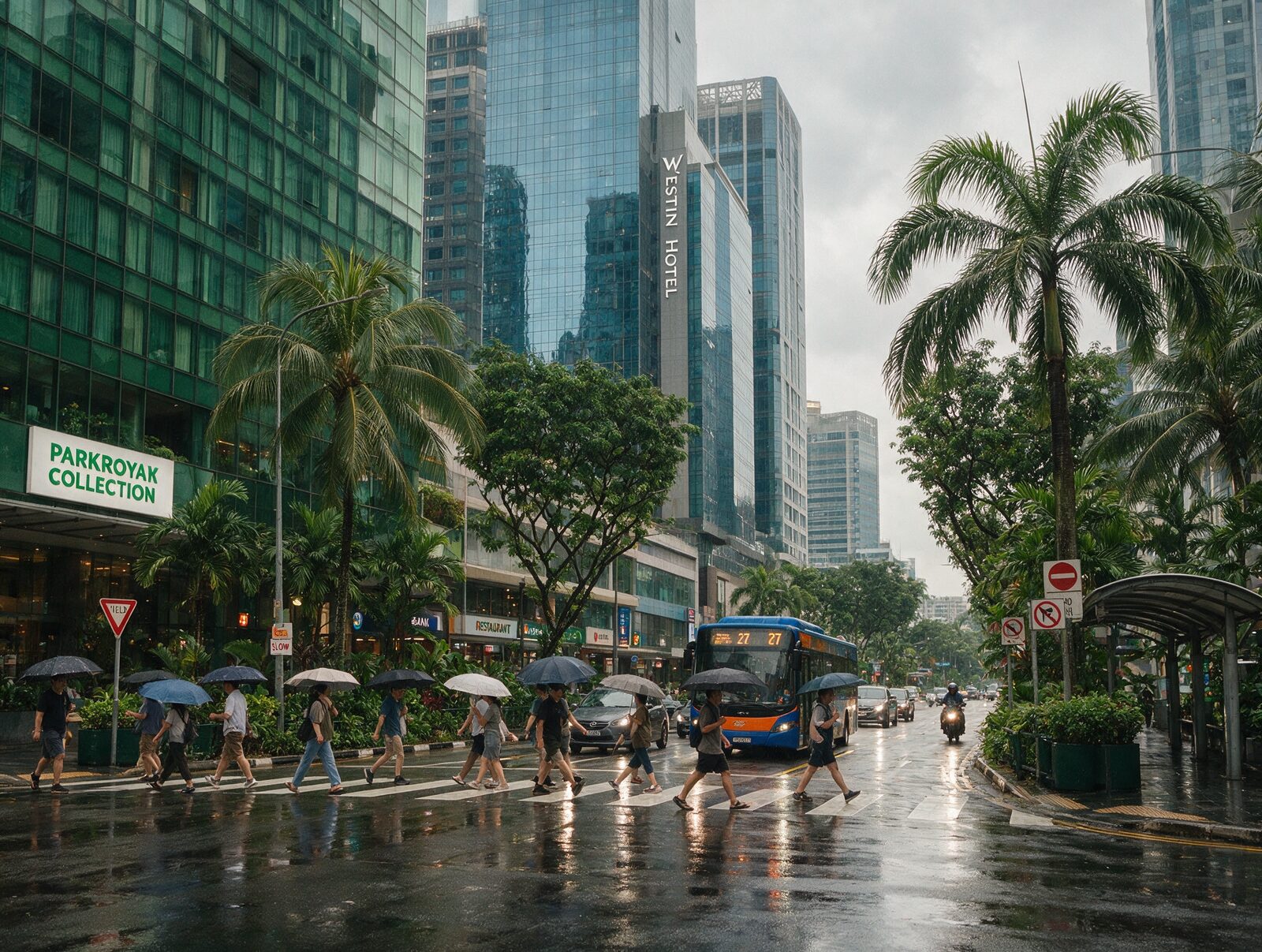
Technically drier doesn’t mean dry — you’ll still want a compact umbrella in your day bag for the sudden inter-monsoon thunderstorms in April-May and the scattered Southwest Monsoon showers from June onward, but you’ll likely reach for it less often than in the December-March window. This stretch rewards packing slightly more cooling gear: a cooling towel or two, a reusable water bottle you refill constantly (Singapore’s tap water is safe to drink straight from the tap, a detail that genuinely surprises a lot of Indian travelers used to needing bottled water everywhere), and perhaps one extra change of clothes per day if you’re someone who sweats heavily, since you’ll be outdoors more without rain cutting activities short.
The one thing everyone forgets: indoor air-conditioning
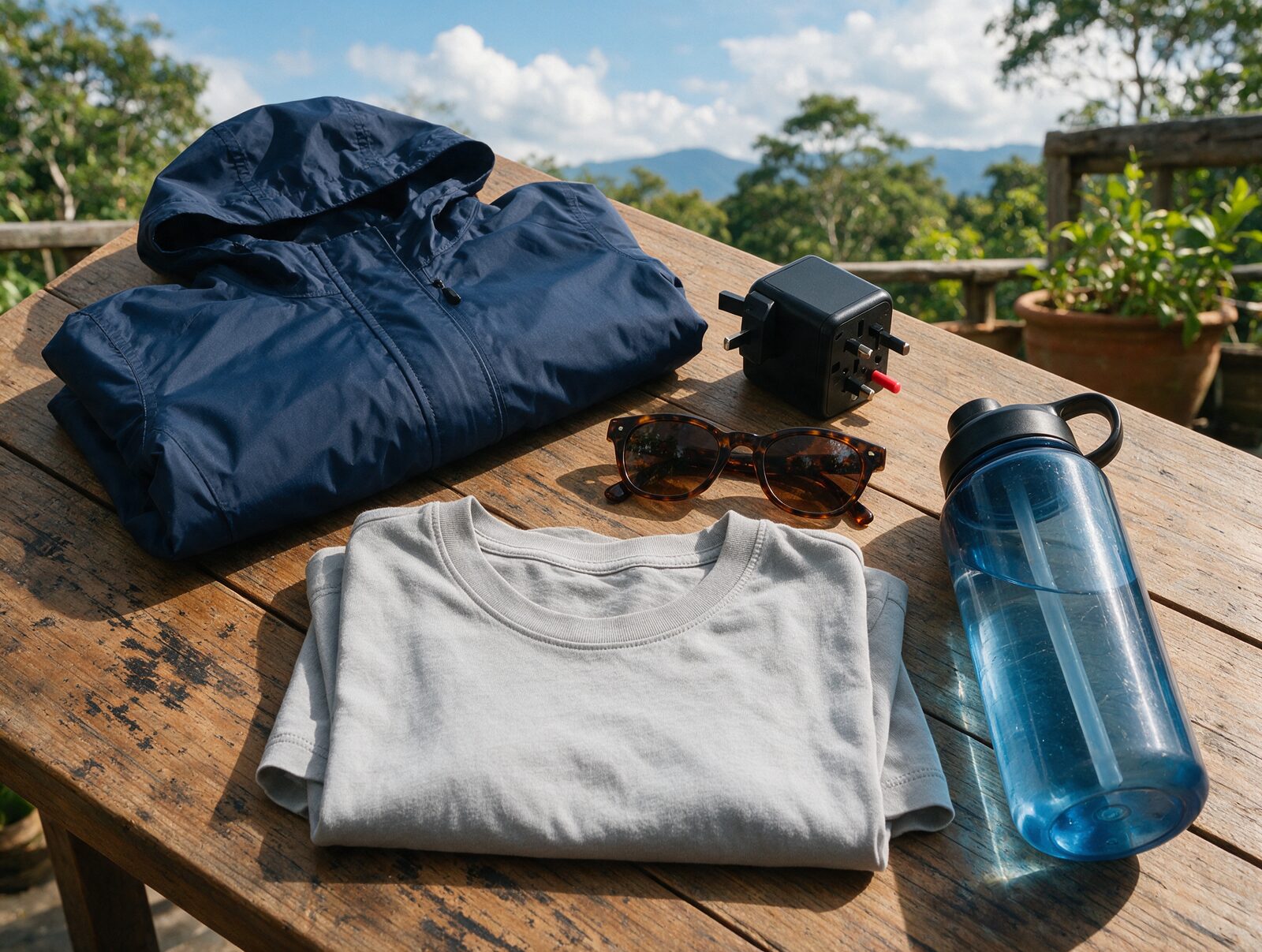
This is the packing tip we give every Get Tripped client regardless of season, because almost nobody thinks of it until they’re shivering in a mall: Singapore’s indoor air-conditioning, in malls, the MRT, restaurants, and museums, runs genuinely cold, often colder than what you’d set at home. Pack one light cardigan, shawl, or long-sleeve layer specifically for indoor use — you’ll go from 32°C humidity outside to what feels like 20°C inside within a single doorway, several times a day, and that swing catches people off guard more than almost anything else on this list. It sounds like a small thing until you’re stuck in a cold cinema or mall food court in just a thin t-shirt.
Practical extras worth packing
A universal power adapter — Singapore uses the UK-style three-pin plug (Type G) at 230V, which won’t match most Indian sockets directly. A small dry bag or ziplock for your phone during sudden downpours. Insect repellent, though Singapore’s urban core is far less mosquito-heavy than many Southeast Asian destinations thanks to aggressive public health measures; it still matters if you’re heading to the Botanic Gardens or any of the nature reserves. And modest clothing — something covering shoulders and knees — for visiting the Sultan Mosque or any of the temples, even if the rest of your wardrobe for the trip leans toward shorts and t-shirts.
Packing for specific days on your itinerary
If a beach day on Sentosa is on your list, pack a proper swimsuit (quick-dry fabrics again earn their keep) and a cover-up or sarong for walking between the beach and lunch, since most beachside restaurants have a loose but real dress expectation beyond swimwear alone. For a Universal Studios Singapore day, pack light and minimal — lockers are available but cost extra, and you’ll want to move through queues without juggling bags. A small crossbody or waist bag works better than a backpack for theme park days. If your trip includes one nicer dinner — a rooftop bar at Marina Bay, say, or a special-occasion restaurant — pack at least one slightly dressier outfit; Singapore’s upscale venues do enforce smart-casual minimums, and shorts or flip-flops will get you turned away at a few of the better rooftop bars even on a hot night.
A note on laundry and luggage logistics
Because you’ll be sweating through more clothes than usual, it’s worth packing slightly fewer “special occasion” outfits and more everyday breathable basics, with a plan to do a load of laundry mid-trip if you’re staying a week or more. Most mid-range and upscale hotels offer laundry service, though it’s priced per item and adds up fast — a self-service launderette, if there’s one near your hotel, is noticeably cheaper for a quick wash of basics. If you’re on a shorter trip, this isn’t worth worrying about at all; just pack enough to avoid re-wearing sweaty clothes, since nothing dries particularly fast in this humidity even on a balcony overnight.
Packing checklist by traveler type
Families with young kids should add extra changes of clothes beyond what seems reasonable — children overheat and sweat through outfits faster than adults, and having a spare set in your day bag at all times saves a miserable afternoon. Pack a portable fan or cooling towel for strollers if you’re bringing one. Honeymooners should budget suitcase space for at least one properly dressy outfit each for a rooftop dinner or river cruise, alongside the everyday breathable basics. Solo travelers and backpackers-in-spirit (even though this isn’t a budget destination) benefit most from packing light and doing a laundry run mid-trip rather than over-packing, since you’ll be the one carrying everything between hotels if your itinerary includes more than one city stop in the region.
Frequently Asked Questions
What is the best time to visit Singapore weather-wise?
February and early March tend to be the driest and most pleasant, though “pleasant” in Singapore still means genuinely hot and humid — it’s a relative difference, not a cool season.
Do I need to pack warm clothes for Singapore?
No warm clothes for outdoors, but pack one light layer for aggressively air-conditioned indoor spaces — malls, the MRT, and restaurants run noticeably cold.
Is Singapore very rainy?
It rains on about half the days of the year on average, mostly in short, intense afternoon bursts rather than all-day drizzle, so it rarely ruins a full day of plans.
What should I avoid packing for Singapore?
Heavy fabrics, non-breathable synthetics, and anything requiring ironing — humidity and sweat make low-maintenance clothing far more practical than it might seem at home.
Is tap water safe to drink in Singapore?
Yes, Singapore’s tap water meets World Health Organization drinking water standards and is safe straight from the tap, which is worth knowing so you can pack a reusable bottle instead of buying plastic ones constantly.
A mistake to avoid
Don’t pack based on what you’d wear for heat back home without accounting for the air-conditioning swing — we’ve had travelers arrive with only tank tops and shorts, assuming layers were pointless in 32°C weather, and then spend an uncomfortable week either freezing in malls or sweating on the street with nothing in between. The fix is simple and takes almost no suitcase space: one or two light long-sleeve layers that work for both the heat outside and the cold inside, rather than packing exclusively for one or the other.
What locals actually wear, if you want to blend in a little
Singaporeans dress for the climate in ways worth copying: loose, breathable fabrics in muted or practical colours rather than heavy prints, closed walking shoes or sandals rather than flip-flops for anything beyond the beach, and a light jacket carried rather than worn, ready to go on the moment you step into an air-conditioned space. Business attire in the CBD still leans more formal than you’d expect for the heat — if your trip has any work component mixed into the holiday, pack accordingly, since Singapore’s corporate culture takes smart dressing seriously even in equatorial weather.
Pack Light, Plan Smart
Once your bag’s sorted for the heat, humidity, and whichever monsoon phase you’re landing in, the rest of a Singapore trip comes together easily. If you’d like the whole trip planned around your travel dates and preferences, Get Tripped builds a custom Singapore itinerary for exactly that. See our Singapore trips to start planning yours.