Switzerland in 2026: What the New Schengen Visa Rules Mean for Your Trip
I filled out a Swiss Schengen application at 11pm on a Tuesday two years ago, cross-checking bank statements against a hotel booking I’d made specifically to have proof of accommodation, and I remember thinking: nobody tells you how much of a European trip happens before you’ve left the house. That’s still true in 2026. What’s changed is that if you do this right once, you may not have to do it again for a while.
What Actually Changed: EES and the Cascade Regime
Two things happened to Schengen travel in 2026, and they pull in opposite directions if you’re an Indian passport holder.
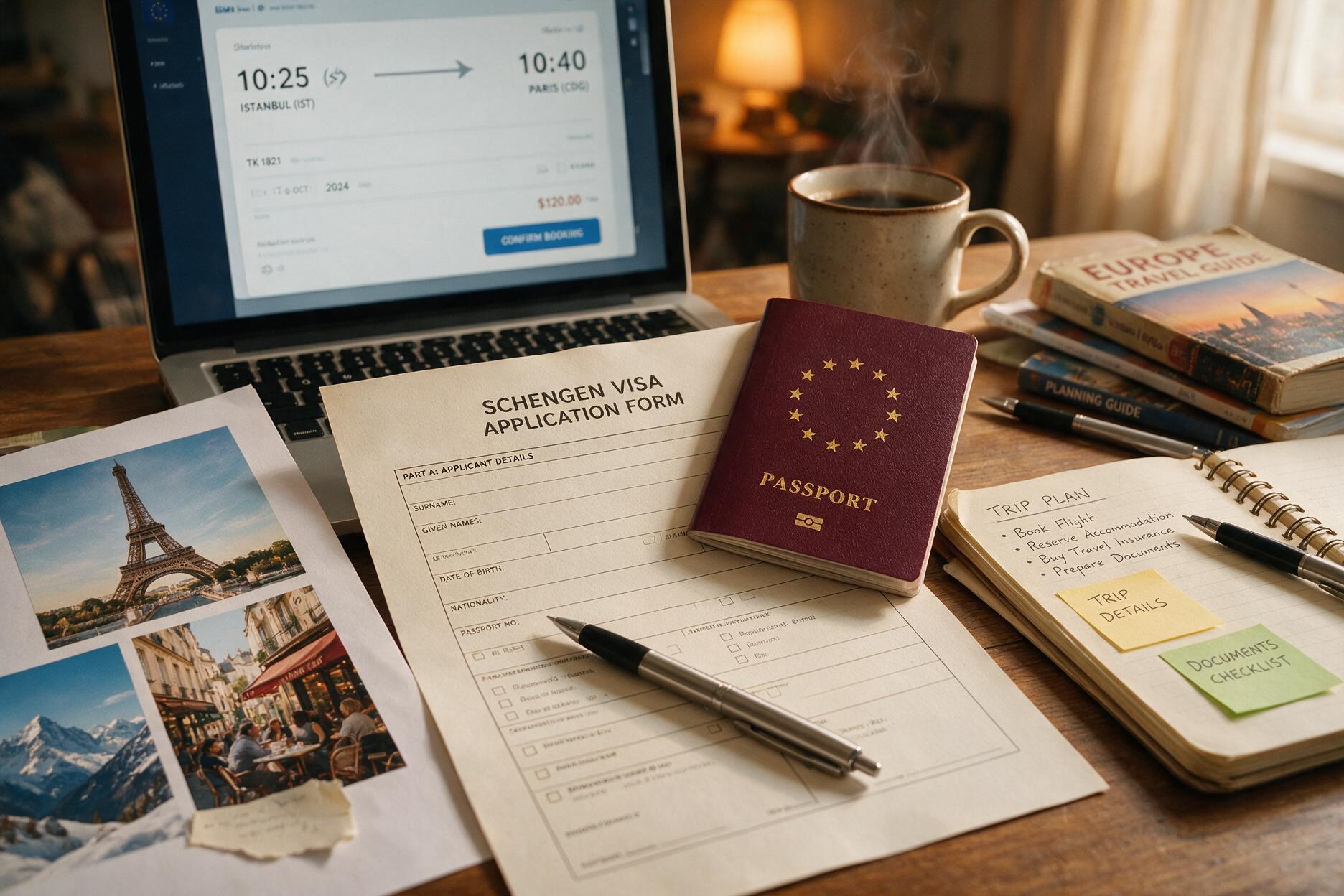
The first is the Entry/Exit System, or EES, which is now fully live at every Schengen border, including Zurich and Geneva airports. It replaces the old passport-stamp system with biometric registration — fingerprints and a photo — logged digitally the first time you enter. It sounds like more friction, and at the border it is, by a few extra minutes. But it also means the 90-days-in-any-180-days rule gets tracked automatically instead of relying on a border officer squinting at ink stamps, which cuts both ways: overstaying is essentially impossible to get away with now, but so is getting incorrectly flagged for an overstay you didn’t actually commit.
The second is the Cascade Regime, and this is the one worth paying attention to if Switzerland is a place you’d realistically visit more than once. Under the cascade system, Indian travellers who’ve used a Schengen visa responsibly — no overstays, no violations — become eligible for progressively longer multiple-entry visas: first a one-year multiple-entry, then two years, working toward five. It’s not automatic on your first application, and it’s issued at the discretion of the consulate reviewing your file, but it means your second or third Switzerland trip could involve a much lighter paperwork lift than your first.
Practically, this changes how I’d advise someone planning a first Switzerland trip in 2026: apply for the longest reasonable visa validity you can justify with your travel history, because if you get even a one-year multiple-entry on this application, a return trip to see the Alps in a different season next year gets a lot easier.
Do You Still Need a Visa for Switzerland?
Yes — there’s no visa-on-arrival or eVisa route for Indian passport holders visiting Switzerland, and that hasn’t changed. You’ll apply for a standard Schengen visa through VFS Global or the Swiss visa application centre serving your region.
What you’ll need, at minimum: a passport valid for at least three months beyond your planned return date, two recent passport photos on a white background, a completed application form, confirmed flight itinerary, hotel bookings (or an invitation letter if you’re staying with someone), travel insurance with a minimum of €30,000 medical coverage, and bank statements showing you can fund the trip. Processing through the Swiss consulate typically runs 10 to 15 working days, which is faster than several other Schengen countries, but build in a buffer — 4 to 6 weeks before travel is the safer window, especially if you’re applying during the May–August peak season when embassy backlogs stretch processing times across the region.
One detail people miss: the travel insurance figure isn’t a suggestion, it’s a hard minimum for the visa to be approved, and it needs to explicitly cover the full Schengen area for your entire trip duration, not just Switzerland.
Best Time to Visit Switzerland
Mid-June through late August is when everything is open and running — every cable car, every mountain trail, every scenic train to a summit. That’s also when Interlaken’s main street feels like a tour-bus parking lot by 11am, so if crowds bother you, aim for early-to-mid September instead. The weather holds, the trails are still fully open, and you’ll get actual elbow room at Jungfraujoch instead of queuing behind fifteen tour groups for the same photo spot.
Winter (December through March) is a completely different, valid trip — this is when you go for skiing in Zermatt or St. Moritz, or Christmas markets in Zurich and Basel — but it’s not really compatible with the hiking-and-alpine-lakes itinerary most first-time visitors picture, since many mountain trails and some cable cars close for the season.
How Many Days You Actually Need
Seven days is the realistic minimum for a first Switzerland trip that doesn’t feel like you’re sprinting between train platforms. Five days works if you’re willing to pick two bases instead of three. Anything under five, and I’d honestly suggest picking one region — Bernese Oberland, say — and doing it properly rather than trying to cram in Zermatt, Lucerne, and Geneva in a blur of train transfers.
A 7-Day Switzerland Itinerary That Isn’t Rushed
Days 1–2: Lucerne. Land in Zurich, train straight to Lucerne (about 45 minutes), and use it to shake off jet lag. Walk the Chapel Bridge in the early morning before the day-trippers arrive from Zurich — it’s a completely different, quieter place at 7am than at 2pm. Take the boat across Lake Lucerne to Weggis for the afternoon rather than staying in the old town the whole time.
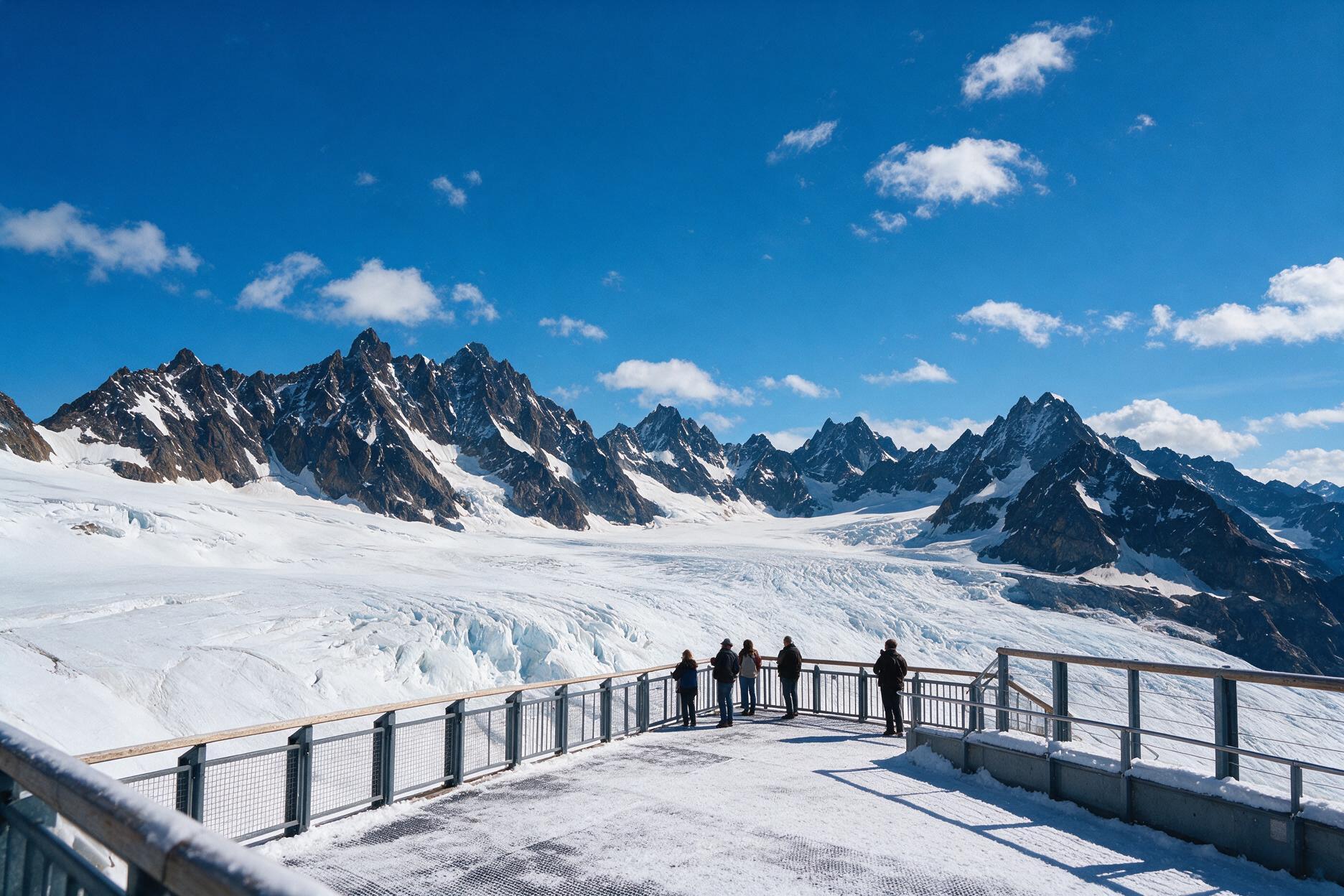
Days 3–4: Interlaken and the Jungfrau region. Base yourself in Interlaken or, if budget allows, in Wengen or Grindelwald directly in the mountains for a more atmospheric stay. Spend one full day on the Jungfraujoch train journey — Europe’s highest railway station, just under 3,500 metres up, with genuine glacier views from the observation deck. On the second day, do the Lauterbrunnen valley on foot: 72 waterfalls in one valley, and you don’t need a guide or a permit, just decent shoes.
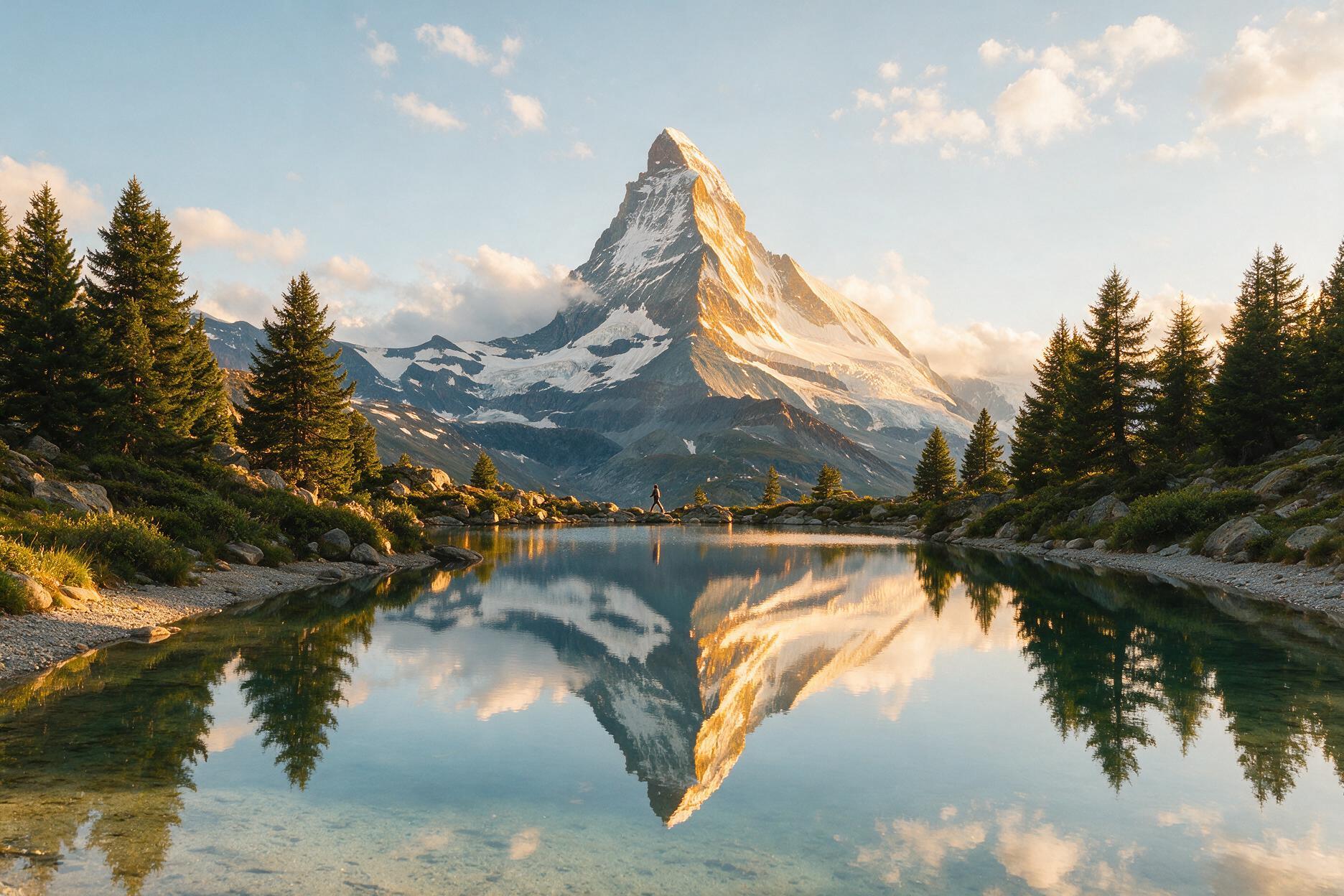
Days 5–6: Zermatt. Take the train down and around to Zermatt — a car-free town, so the last stretch is by electric taxi or on foot from the station. The Matterhorn is the whole reason you’re there, and the Five Lakes Trail is the walk that delivers the postcard reflection shot on a clear day, but go early — by mid-morning the trail fills up and the lake surface gets disturbed by other hikers, which ruins the reflection.
Day 7: Geneva or fly out. If your flight departs from Geneva, spend the morning at the Jet d’Eau and the old town before heading to the airport. If you’re flying out of Zurich instead, this is a good half-day to add Bellinzona (more on that below) as a detour on the way back north.
Where to Stay
Switzerland doesn’t really do budget-dorm tourism well, and honestly the itinerary above isn’t built for it either — a mid-range 3-4 star hotel or a well-chosen chalet-style guesthouse is the realistic floor here, running roughly CHF 150–280 a night depending on region and season, with proper alpine-view boutique hotels in Zermatt or Wengen running CHF 350–600+ for something genuinely special. Interlaken and Lucerne have more mid-range inventory; Zermatt skews higher because everything has to be brought in by train or electric vehicle, which shows up in the pricing.
Getting There From India
SWISS runs direct flights from Delhi to Zurich, roughly 8 to 9 hours. From Mumbai, Bangalore, Chennai, Hyderabad, Kochi, and Ahmedabad, you’re generally looking at one-stop connections via Emirates, Qatar Airways, Etihad, Lufthansa, or Turkish Airlines, adding a few hours of layover but often at a lower fare.
On pricing: off-season round trips (roughly October to April, excluding Christmas/New Year) can run ₹40,000–₹55,000, while peak summer, Christmas, and New Year fares regularly climb past ₹80,000–₹1,00,000. If your dates are flexible at all, shifting even two weeks outside the July–August and December peak windows makes a real difference.
Getting Around: The Swiss Travel Pass
Switzerland’s trains, boats, and most buses run like clockwork, and the Swiss Travel Pass is worth doing the maths on before you dismiss it as a tourist upsell. In 2026, second-class pricing runs from CHF 254 for 3 days up to CHF 499 for 15 days, and it covers unlimited train/bus/boat travel across the network, free entry to over 500 museums, and discounts on the pricier mountain excursions like Jungfraujoch (which otherwise costs a genuinely painful amount on its own). For the 7-day itinerary above, a pass covering the days you’re actually moving between bases — rather than the full week — is usually the better value, since you won’t need it on the days you’re just walking around one town.
What It Costs
Rough daily budgets, per person, excluding flights and visa fees: a comfortable mid-range trip runs about CHF 200–280/day covering hotel, three meals, and regional transport, while a trip with proper alpine-view stays and a couple of splurge experiences (a helicopter detour, a Michelin-adjacent dinner in Zermatt) pushes CHF 350–500+/day. Switzerland is not a country where you save meaningfully by cutting corners — the value is in choosing which two or three experiences to spend on, not in shaving costs across the board.
Food Worth Planning Meals Around
Skip the tourist-strip fondue restaurants directly on Lucerne’s main square — they’re fine, not memorable, and priced for foot traffic. Ask your hotel for the place locals actually go, which in most Swiss towns is a smaller, less-signposted spot a few streets back. In the Bernese Oberland, rösti with a fried egg and alpine cheese is the thing to order at altitude, ideally at a mountain hut restaurant reached on foot rather than by cable car — the food tastes better after you’ve earned it, and the huts along the Lauterbrunnen and Grindelwald trails are genuinely good, not just convenient. Raclette, scraped fresh off the wheel rather than pre-melted, is worth seeking out specifically in winter.
A Town Almost Nobody From India Visits
Bellinzona, in the Italian-speaking canton of Ticino, has three UNESCO-listed medieval castles and a fraction of the foreign tourists you’ll find in Zermatt or Lucerne. It’s a genuinely different Switzerland — Italian language, Italian food influence, a warmer Mediterranean feel to the town squares — reachable by train, and it makes an excellent half-day detour if you’re routing back toward Zurich or Milan. Most Indian travellers I’ve spoken to about Switzerland have never heard of it, which is exactly the point.
Money, SIM Cards, and Small Practicalities
Cards are accepted almost everywhere, including small cafés and mountain huts, so you don’t need to carry much Swiss franc cash — a small amount for the rare card-machine outage or a farmers’ market stall is enough. An EU/Swiss-compatible eSIM bought before you land (Airalo and Holafly both work reliably) is simpler than hunting for a physical SIM counter at the airport, and Swiss train stations and most hotels have solid WiFi as backup. English is widely spoken in tourist areas, though a basic “Grüezi” (hello, in Swiss German regions) goes further than you’d expect.
A Mistake Worth Avoiding
Don’t book Jungfraujoch or the Zermatt cable cars for early morning on your first clear-weather day and assume visibility will hold — alpine weather changes fast, and a summit that’s socked in cloud by 10am after a clear 7am is common enough that it’s worth checking the live webcam (most of these attractions post one) before you commit to the ticket, rather than after you’re already on the train up.
FAQs
Do Indians need a visa for Switzerland in 2026? Yes. There’s no visa-free or visa-on-arrival option for Indian passport holders — you’ll need a standard Schengen visa applied for in advance, typically through VFS Global.
What is the Schengen Cascade Regime and does it help repeat travellers? It’s a system that allows Indian travellers with a clean Schengen travel history to progressively qualify for longer multiple-entry visas — starting around one year and extending toward five years over successive well-documented trips. It’s not guaranteed on a first application, but it rewards a well-prepared, honestly-used visa history.
How many days do I need in Switzerland for a first trip? Seven days lets you cover Lucerne, the Jungfrau region, and Zermatt without feeling rushed. Five days works if you drop one region.
Is the Swiss Travel Pass worth it? For an itinerary that involves moving between three regions and doing at least one major mountain excursion like Jungfraujoch, generally yes — do the math against individual ticket and excursion prices for your specific route before buying.
What’s the best time to visit for hiking? Mid-June to late August for fully open trails and cable cars, or early-to-mid September for the same access with noticeably smaller crowds.
How much does a Switzerland trip cost per day? Budget roughly CHF 200–280 per person per day for a comfortable mid-range trip, excluding flights and visa costs, or CHF 350–500+ for a trip with premium stays and splurge experiences built in.
Is Switzerland safe for solo and family travel? Yes, consistently ranked among the safer destinations in Europe for both. The main practical risks are altitude-related (sun exposure, sudden weather shifts at elevation) rather than crime.
Final Thought
The Schengen paperwork is genuinely more thorough than it used to be, and the EES rollout means the border process itself takes a little longer than the old stamp-and-wave. But if this is a country you’ll want to return to — and most people who see the Alps properly once do want to come back for a different season — the Cascade Regime means this year’s careful, honest application is an investment in next year’s easier one. Plan the visa the way you’d plan the itinerary: with enough lead time that it isn’t the stressful part of the trip.
Get Tripped handles the visa documentation and itinerary planning together, so the two don’t end up working against each other on a tight timeline — worth a conversation if Switzerland’s been on your list for a while.