Most visitors “do” Old Dubai in about ninety minutes — an abra ride, a walk through the Gold Souk, a photo in Al Fahidi, then back to the Marina for lunch. You can absolutely do it that way. But Old Dubai is the one part of this city where slowing down and acting like you live there, even for a morning, changes the experience more than almost anywhere else on this list. Here’s how we’d actually spend a day being a local in Old Dubai rather than touring it.
Table of Contents
- Start With the Abra, Not the Sights
- Walk Al Fahidi Before the Heat
- Coffee Like a Local, Not a Tourist
- The Souks, Done Properly
- A Cultural Meal With Actual Emiratis
- Where the Fort Museum Currently Stands
- Practical Notes for Old Dubai
- FAQs
Start With the Abra, Not the Sights
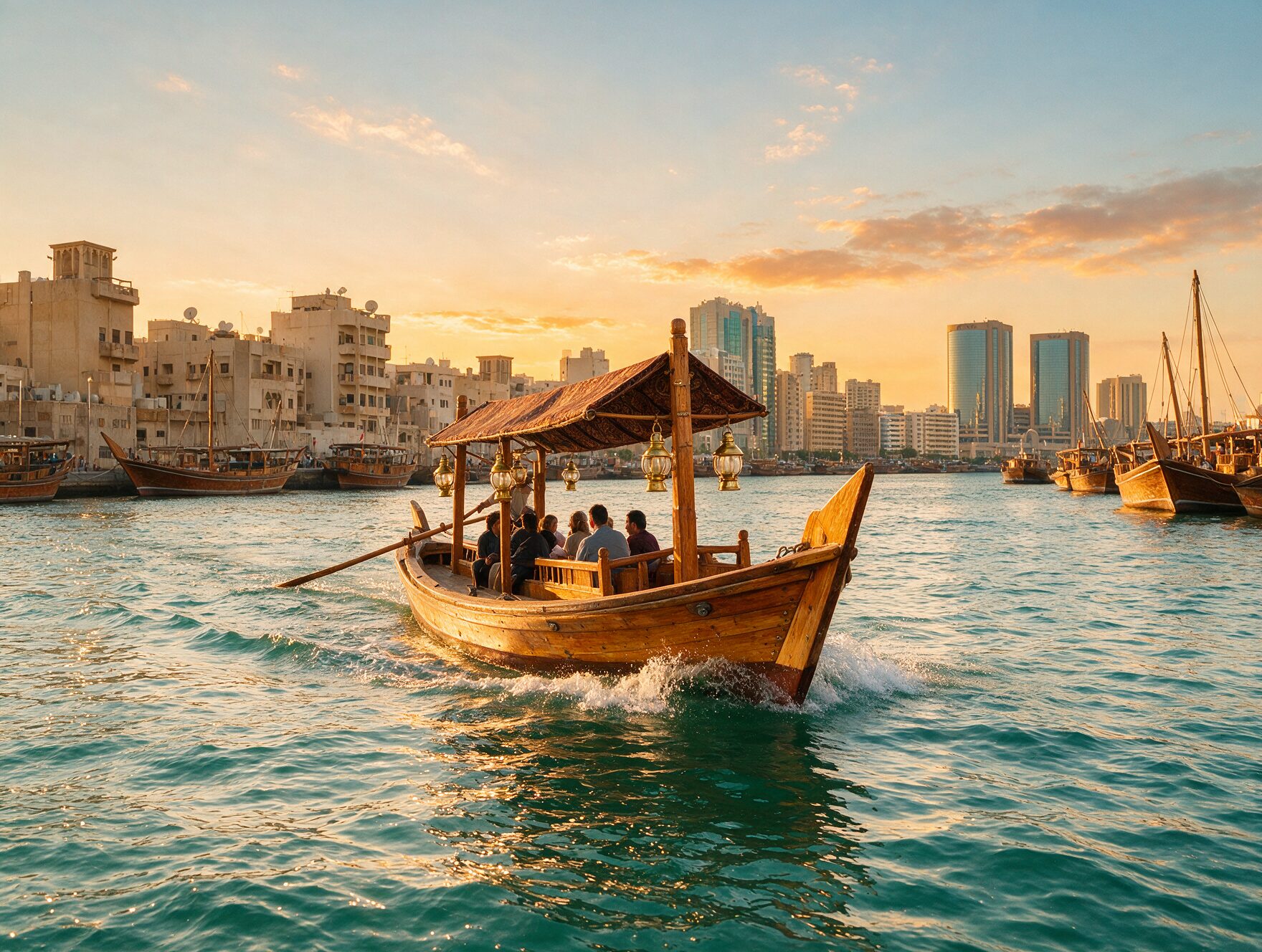
The abra — a small wooden ferry crossing the Creek between Bur Dubai and Deira — costs about AED 1 per person and takes roughly five minutes. Locals use it as actual daily transport, not a tourist ride, and it’s genuinely the cheapest, most honest introduction to how this half of the city works. Bring coins; drivers don’t always have change for larger notes, and card payment isn’t an option on board.
Do this crossing early, around 8–9am, before the water taxis fill with day-trip groups. The light on the Creek is better then too — flatter, calmer water, none of the midday glare.
Walk Al Fahidi Before the Heat
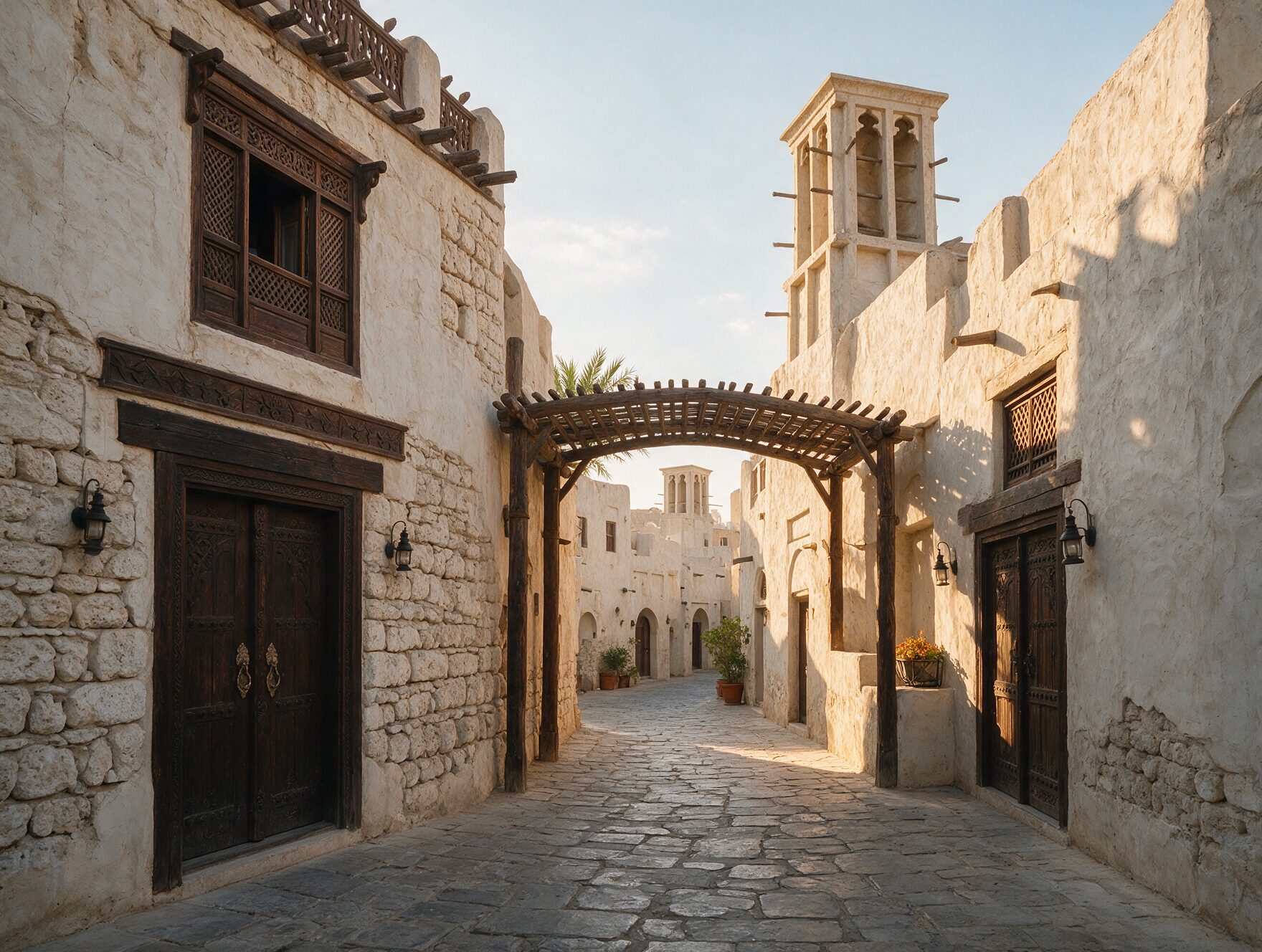
Al Fahidi Historical Neighbourhood is Dubai’s oldest surviving residential district, built by Persian pearl merchants in the late 1800s. The coral-and-gypsum houses still have their original barjeel — wind towers that caught the Creek breeze and funnelled it down into the rooms below, essentially pre-electric air conditioning. Walking the narrow lanes between them at 9am, before tour groups arrive and before the heat sets in, is when the neighbourhood feels closest to lived-in rather than curated.
Budget 1.5–2 hours here on its own. The Coffee Museum, tucked into a restored heritage house, is worth the detour even if you’re not a coffee person — the tasting and brewing demonstration covers Arab coffee culture in a way that’s genuinely informative rather than a gift-shop excuse.
Coffee Like a Local, Not a Tourist
Skip the café chains along the main tourist path and look for the small, plastic-chair coffee stalls tucked into Al Fahidi’s side lanes — the kind with a handwritten Arabic sign and karak chai brewing on a single burner. This is genuinely how a lot of the neighbourhood’s shopkeepers start their morning, and a small cup costs a fraction of what you’d pay at a heritage-house café five minutes away. It’s not a “hidden gem” in the Instagram sense — it’s just how people here actually drink their coffee.
The Souks, Done Properly
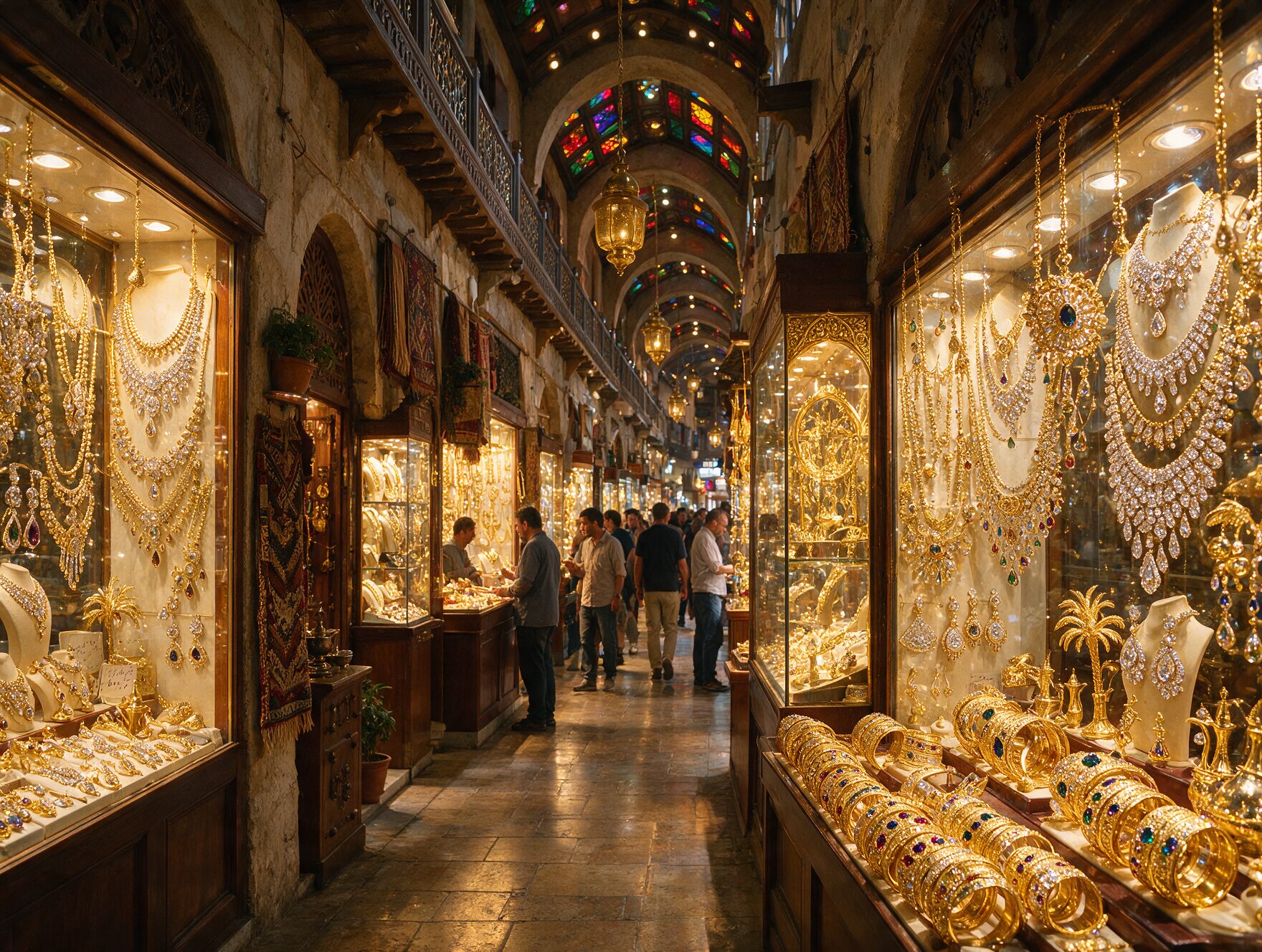
Cross back over the Creek (or continue if you started on the Deira side) to reach the Gold Souk and Spice Souk. The trick to doing these properly rather than just walking through: go with a specific, small purchase in mind — a spice blend, a small gold piece — so you have a reason to actually engage a shopkeeper in the back-and-forth that’s normal here. Bargaining is expected in both souks; starting around 30–40% below the first quoted price is standard practice, not rude.
The Textile Souk sits a short walk away on the Bur Dubai side, less visited than the other two and worth a look if fabric or tailoring interests you — several shops here still do same-day custom stitching.
A Cultural Meal With Actual Emiratis
The Sheikh Mohammed Centre for Cultural Understanding, based in Al Fahidi, runs guided cultural meals where Emirati hosts serve traditional dishes and take open questions about local life, religion, and daily customs. This is the single best thing on this list for actually understanding the place rather than photographing it — it’s a genuine conversation, not a performance, and questions that might feel awkward to ask a stranger on the street are exactly what these sessions are built for. Book ahead; sessions run on a set schedule and fill up, especially in cooler months.
Where the Fort Museum Currently Stands
A fact worth knowing before you plan around it: Al Fahidi Fort, Dubai’s oldest building and home to the Dubai Museum, is closed for restoration as of 2026 with no confirmed reopening date. If a Dubai Museum visit was on your list from an older guide, it isn’t currently possible — plan the extra time into the Coffee Museum or a longer cultural-meal session instead.
Where to Stay Near the Old Town
A handful of heritage-style boutique hotels sit right inside or beside Al Fahidi and Al Seef, letting you walk to the souks and the cultural centre rather than taxiing in each day — a genuinely different way to experience Old Dubai than staying in the Marina or Downtown and visiting as a day trip. They tend to be smaller and quieter than the big-brand towers elsewhere in the city, which suits the neighbourhood’s pace.
A Fun Fact Worth Knowing
Before Dubai had a formal customs house, merchants trading along the Creek relied entirely on reputation and word-of-mouth trust — a system locally remembered as the foundation of the city’s trading culture, and part of why the Gold Souk’s bargaining culture still runs on relationship and negotiation rather than fixed pricing today.
A Mistake to Avoid
Don’t visit Al Fahidi at midday in summer expecting the same atmosphere described here — the narrow lanes trap heat, and by 11am in June through August it’s genuinely uncomfortable to walk for long. Shift the whole itinerary earlier, starting the abra crossing by 7:30–8am instead of 8–9am if you’re travelling in peak summer heat.
Smart-Spending Tip
Skip pre-packaged “Old Dubai tour” bundles that combine an abra ride, souk visit, and guide for a flat fee unless you specifically want a guided narrative — doing it independently costs a fraction of the price (the abra alone is about AED 1) and gives you the flexibility to linger where the guided version would move you along on a schedule.
For Solo Travellers, Couples, and Families
Solo travellers will find the cultural meal sessions at the Sheikh Mohammed Centre one of the best solo activities anywhere in this guide — small groups, genuine conversation, no awkwardness in going alone. Couples get real value from an early-morning Al Fahidi walk before the crowds arrive, quiet enough to feel like your own discovery. Families should budget extra time and shade breaks; the souks and narrow lanes are engaging for kids but the heat and crowd density need managing with the same care as anywhere else in the city.
How This Fits Into a Longer Dubai Trip
We’d generally place Old Dubai on day two or three of a longer stay, once the initial jet lag has worn off but before the trip’s energy shifts toward beach days and nightlife. It also pairs naturally with a Dubai Creek half-day (see our separate guide to the Creek) since both sit in the same part of the city — combining them into one day is realistic if you start early and don’t try to add Downtown or the Marina on top of it.
Practical Notes for Old Dubai
Al Fahidi and the souks are reachable via the Green Line Metro (Al Fahidi or Al Ghubaiba stations), a straightforward ride from Downtown or the Marina, usually 20–35 minutes depending on your start point. Dress modestly here more than in the newer parts of the city — shoulders and knees covered is a reasonable baseline, especially for the mosque and cultural centre visits.
Best time to walk this neighbourhood is November through March, or early morning any time of year before 10am. Bring small cash notes and coins for the abra and souk haggling; card is accepted at the cultural centre and most cafés but not always at smaller stalls.
A Photography Tip for the Old Town
Shoot the abra crossing from the boat itself rather than the dock — the low angle across the water, with Deira’s denser skyline behind the wooden hull, tells the “old meets new Dubai” story in a single frame better than a shot taken standing on land. Inside Al Fahidi, look up as often as you look ahead; the wind towers photograph best from directly below, framed against the narrow strip of sky between buildings.
Connectivity, Payments, and Safety in Old Dubai
Coverage is reliable throughout Al Fahidi and the souks, though the narrow lanes can occasionally interrupt GPS accuracy — it’s worth screenshotting a map of the neighbourhood before you start walking, since data alone sometimes lags behind your actual position in the tightest alleys. Cash matters more here than anywhere else on this list: the abra, small souk purchases, and some of the smaller coffee stalls are cash-only, so carry a mix of small notes and coins. Old Dubai is very safe to walk, including alone, though the souks’ crowd density means the usual bag-awareness rules of any busy market apply.
FAQs
How much does the abra ride across Dubai Creek cost?
About AED 1 per person for the standard crossing — bring coins, as change isn’t always available for larger notes.
Is the Dubai Museum at Al Fahidi Fort open?
No, it’s closed for restoration as of 2026 with no confirmed reopening date. Check current status before planning around it.
Is bargaining expected in the Gold and Spice Souks?
Yes — starting at 30–40% below the first quoted price is standard and won’t be taken as rude.
Can I visit a mosque or join a cultural meal as a non-Muslim tourist?
Yes, through the Sheikh Mohammed Centre for Cultural Understanding, which runs both mosque tours and cultural meal sessions specifically for visitors of all backgrounds.
What should I wear in Old Dubai?
Modest dress — shoulders and knees covered — is expected, more so here than in Downtown or the Marina.
How long should I spend in Old Dubai?
A half-day (4–5 hours) covers the abra, Al Fahidi, and one souk properly. A full day gives you time to add the cultural meal and the Textile Souk without rushing.
Is it safe to walk through the souks alone?
Yes, generally very safe — the main thing to be mindful of is bargaining etiquette and pickpocket-level caution in crowded lanes, the same as any busy market anywhere in the world.
Can I combine Old Dubai with the Gold Souk and Spice Souk in one visit?
Yes, and it’s the standard way to do it — both souks sit close together on the Deira side, reachable from Al Fahidi via the abra crossing in under ten minutes.
What’s the best month to visit Old Dubai for comfortable walking weather?
November through March offers the most comfortable daytime walking temperatures for the narrow, sun-trapping lanes of Al Fahidi and the souks.
Old Dubai is the part of the city most tour buses rush through in an hour, and it’s genuinely the one place on this list where slowing down changes what you take away from the day. If you want a Dubai itinerary that gives this district the time it deserves instead of squeezing it between two malls, that’s exactly what we build into every custom Dubai itinerary at Get Tripped — get in touch and we’ll plan your Old Dubai morning properly.