Step off a plane in Dubai in July and the heat doesn’t feel like weather — it feels like a hand pressed flat against your face the second the aircraft door opens, and it doesn’t let up until you’re back inside air conditioning that’s often set cold enough to need a light layer indoors. That’s the real texture of a Dubai packing list: less about “warm country, pack light” and more about managing two extremes in the same day, sometimes the same hour. Get that balance wrong and you’ll either bake on the walk from the taxi to the mall entrance or shiver through a movie theatre with bare shoulders. This guide breaks down exactly what to pack for Dubai by season, plus the cultural, desert, and beach specifics that generic packing lists tend to skip.
Table of Contents
- Dubai’s Climate: What You’re Actually Dealing With
- Peak Season (November–March): What to Pack
- Shoulder Months (October & April): What to Pack
- Brutal Summer (May–September): What to Pack
- Modest Dress for Mosques, Old Dubai, and Traditional Areas
- Desert Safari Gear
- Beach and Pool Essentials
- Electronics, Adapters, and Voltage
- Sun Protection
- Medication Rules to Check Before You Fly
- Packing Around Ramadan
- A Mistake Worth Avoiding
- A Fun Fact
- FAQs
Dubai’s Climate: What You’re Actually Dealing With
If you’re researching the best time to visit Dubai, the short answer is November through March — daytime highs sit in the mid-20s to low-30s°C and evenings are genuinely pleasant enough to sit outside. But the city runs on air conditioning year-round, and every indoor space — malls, metro cars, restaurants, your hotel lobby — is chilled hard, often 18-20°C. So even in winter, you’re dressing for two climates a day: warm and dry outside, cold and dry inside.
Summer (May to September) is a different animal entirely. Daytime temperatures regularly cross 40°C, and by August the average high sits around 42°C with lows barely dropping below 29°C at night. Humidity is actually lower in peak summer (low-to-mid 40s percent) than in winter (high 50s to low 60s percent), which sounds backwards until you realize winter humidity comes with mild temperatures, while summer’s dry heat is so intense it doesn’t need humidity to feel brutal — though September and the tail end of summer bring a stickier, more humid heat as Gulf moisture rolls in, which locals will tell you is worse than the drier peak of July.
None of this rules out a summer trip — Dubai actually gets cheaper and quieter in July and August, and every attraction from malls to indoor ski slopes is built around escaping the heat. It just changes what goes in your suitcase.
Peak Season (November–March): What to Pack
This is the stretch most Dubai tour packages from India are built around, and for good reason — it’s the only window where you can comfortably do outdoor activities midday without wilting. It also overlaps with when most Dubai family holiday packages and desert camping trips run, since evenings are cool enough to actually enjoy a bonfire.
- Breathable cotton or linen shirts and trousers for daytime — light colors reflect heat better than dark ones
- One light jacket or cardigan for evenings, especially December–February when nights can dip to 12-15°C
- A pair of comfortable walking shoes — Dubai’s malls are enormous and you will walk further than you think between the Dubai Mall entrance and the aquarium
- A scarf or shawl that doubles as sun protection by day and warmth by night
- Smart-casual outfits for dinner — many upscale restaurants and rooftop lounges have dress codes that rule out shorts and flip-flops after dark
- Swimwear — hotel pools stay open and heated year-round
Shoulder Months (October & April): What to Pack
October and April are the quiet compromise — daytime highs in the mid-30s, evenings still comfortable, and hotel rates noticeably lower than the December–February peak. Pack as you would for summer daytime (light, loose, breathable) but keep one layer for evening, since desert safari camps and rooftop dinners still cool off noticeably after sunset. This window is also worth considering if you’re weighing Dubai holidays October to April as a single travel window rather than picking one narrow month — the weather stays workable across the whole stretch, just varying in intensity.
Brutal Summer (May–September): What to Pack
If you’re traveling May through September, pack like you’re managing heat exposure in short bursts rather than dressing for a full day outdoors.
- Lightweight, loose, breathable fabrics — linen and cotton over synthetics, which trap heat and sweat
- A wide-brimmed hat and UV-blocking sunglasses for the walk between air-conditioned spaces
- A light long-sleeve layer or shawl for indoor spaces — malls and metros run cold enough that bare arms get uncomfortable within twenty minutes
- A refillable water bottle — dehydration sets in faster than people expect in this heat, even on short outdoor stretches
- Closed, breathable shoes rather than sandals if you’re walking on any exposed pavement at midday — asphalt and metal surfaces get genuinely hot enough to be uncomfortable underfoot
- Minimal outdoor daytime activity — plan sightseeing for early morning or after 6pm, and structure your day around indoor attractions (aquariums, museums, malls, indoor ski) between 11am and 4pm
Summer is also when Dubai runs some of its best hotel deals, which matters if you’re weighing Dubai trip cost from India against travel dates — flights and stays both drop noticeably from June through August.
Modest Dress for Mosques, Old Dubai, and Traditional Areas
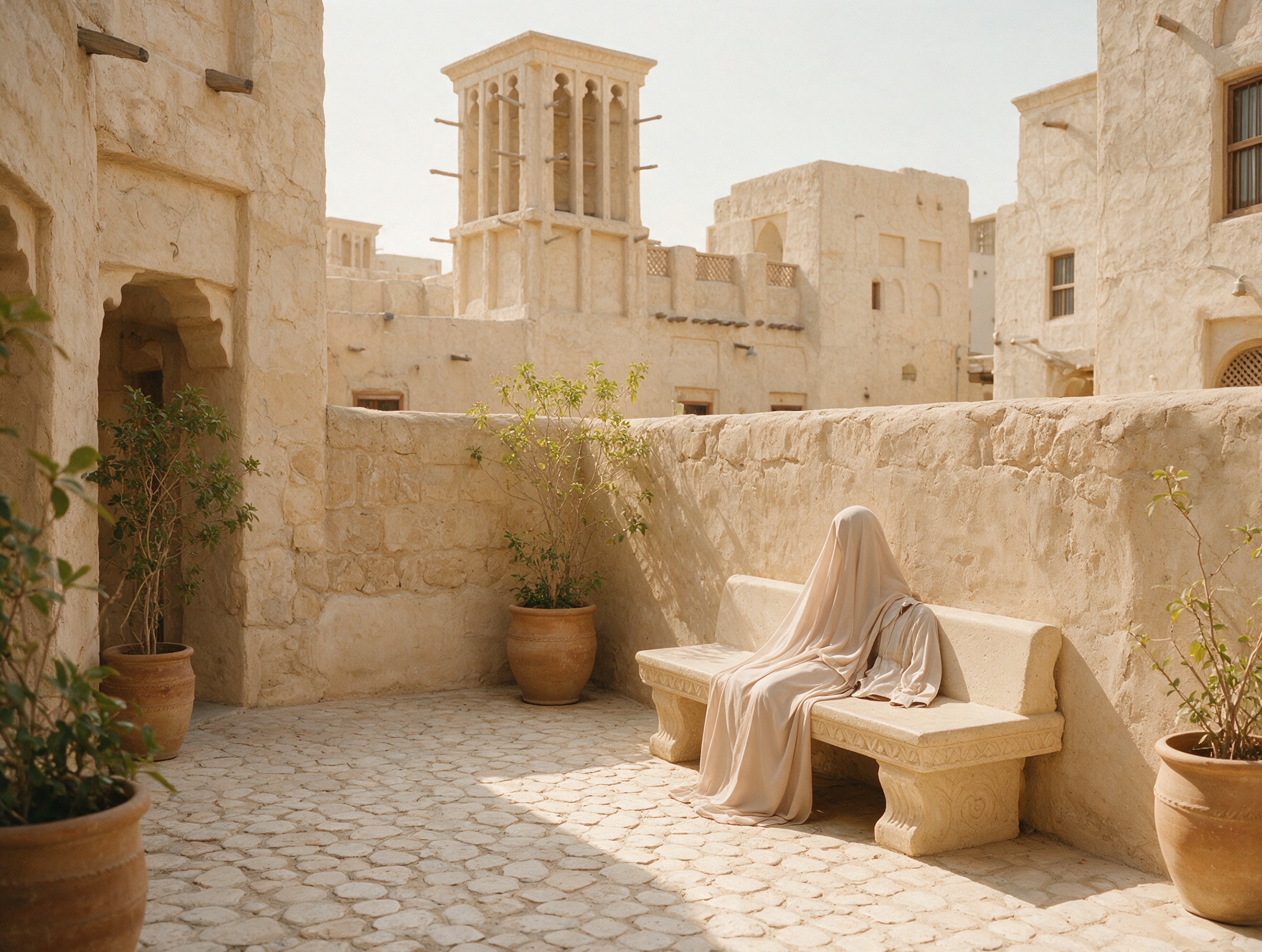
Dubai is more relaxed than people expect, but there’s a real, consistently enforced norm: cover shoulders and knees in public spaces — malls, markets, Old Dubai’s souks, and residential neighborhoods. This isn’t a strict legal code so much as a widely observed courtesy, and most malls post small signage near entrances asking visitors to dress modestly. Loose linen or cotton pieces work better here than tight clothing anyway, since they breathe.
Visiting a mosque (the Jumeirah Mosque is the one most tourists tour) is a different bar entirely: women need a full-length abaya and headscarf, and many mosques keep loaner abayas at the entrance for visitors who show up unprepared, though it’s more comfortable to bring your own lightweight one. Men should wear full-length trousers and a shirt with sleeves. None of this applies inside your hotel room or at the pool — those are private spaces where standard swimwear is completely normal.
Desert Safari Gear
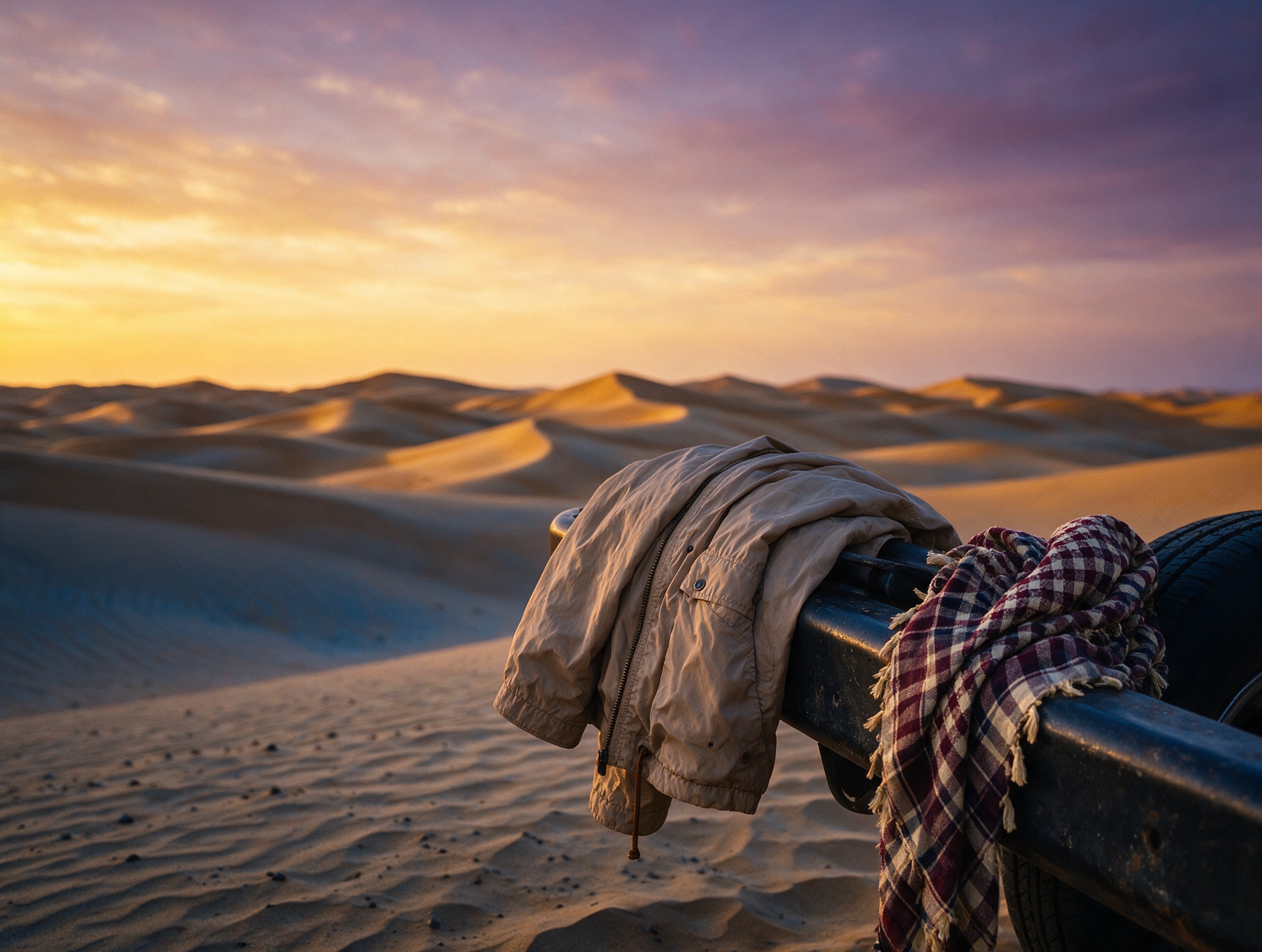
Dubai desert safari tours are one of the most-booked experiences on any first trip, and the packing mistake we see most often is dressing for the daytime desert heat and forgetting the evening drop. Once the sun goes down, desert temperatures fall fast — a 40°C afternoon can turn into a genuinely chilly 18-20°C evening in winter, and even summer safaris cool off noticeably after dark since there’s no concrete or asphalt around to hold heat.
- A light jacket, hoodie, or large scarf for evening safaris, even in summer
- Closed shoes with a good grip for dune bashing and quad biking — flip-flops come off within the first five minutes and sand gets uncomfortably hot underfoot at midday
- A scarf or bandana to cover your nose and mouth during dune bashing, since sand does kick up inside open-top vehicles
- Sunglasses and a hat for daytime desert stops
- Comfortable, loose clothing you don’t mind getting a little sandy — this isn’t the outfit for anything delicate
Beach and Pool Essentials
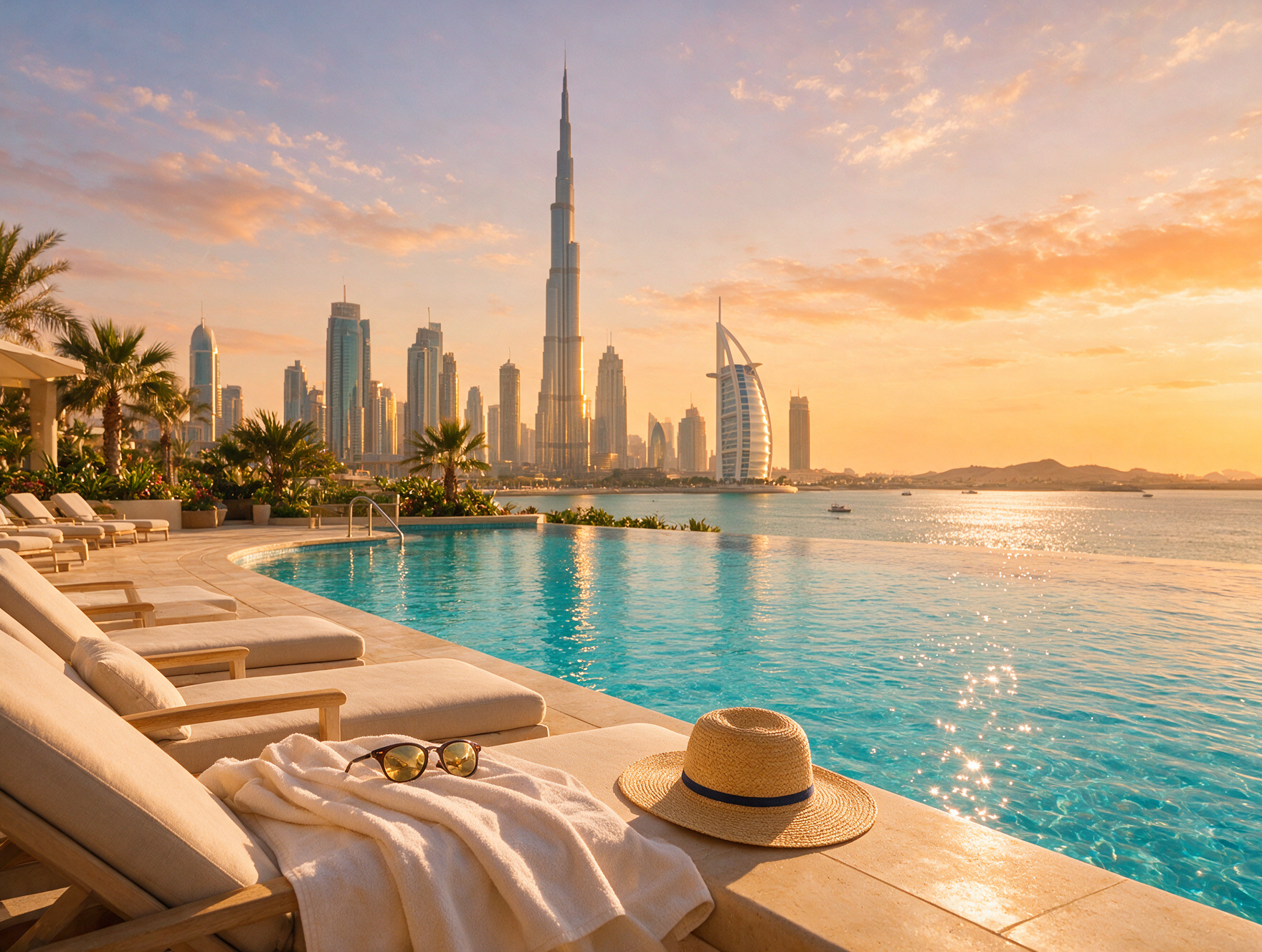
Standard swimwear — bikinis, swim trunks, one-pieces — is completely normal at hotel pools, beach clubs, and private beaches attached to resorts. Public beaches (JBR Beach, Kite Beach) are more mixed in practice; modest one-pieces or board shorts and a rash guard tend to draw less attention than a very minimal bikini, though nothing is strictly banned. Toplessness, regardless of gender, is not acceptable anywhere in public, including beaches. Pack a cover-up or sarong for the walk between your sunbed and the hotel lobby, since swimwear alone isn’t appropriate once you’re off pool or beach property.
Electronics, Adapters, and Voltage
The UAE runs on 220V/50Hz, close enough to India’s 230V/50Hz that most phone chargers, laptop adapters, and camera chargers will work without a voltage converter — check the fine print on your charger brick, which almost always lists an accepted input range that covers both. The plug situation is the real snag: Dubai sockets are predominantly the UK-style three-pin (Type G), while Indian plugs are Type C/D/M. They don’t fit directly, so bring a universal travel adapter or a UK-style one specifically — most hotel rooms have one or two universal sockets built in, but it’s not something to count on for every outlet in the room.
Sun Protection
UV exposure is intense nearly year-round given Dubai’s latitude and clear skies. Pack a high-SPF sunscreen (SPF 50 is a reasonable default), lip balm with SPF, a wide-brimmed hat, and sunglasses with real UV protection rather than just tinted lenses. Reapply sunscreen more often than feels necessary if you’re doing anything outdoors for more than 30-40 minutes — the reflective surfaces of sand and water intensify exposure even in shaded spots.
Medication Rules to Check Before You Fly
This is the section people skip and then have a rough time with at customs. The UAE has genuinely strict rules on certain medications that are completely routine in India — codeine-based cough syrups and painkillers, tramadol, ADHD medications like methylphenidate or amphetamine-based stimulants, and many sedatives and psychotropics fall under controlled-substance rules. CBD products and anything containing THC, at any concentration, are illegal regardless of where you bought them or whether they’re legal at home.
If you’re carrying any of these, travel with the original prescription on your doctor’s letterhead, a doctor’s letter stating the diagnosis, and ideally a translated copy if the prescription isn’t in English or Arabic. For genuinely controlled medications, the UAE’s Ministry of Health and Prevention (MOHAP) requires an import permit applied for in advance — budget at least two weeks before departure, since approvals aren’t instant. This isn’t something to guess your way through; check current requirements directly with MOHAP or your airline before you pack, since the specifics (which drugs, what documentation) do get updated.
Packing Around Ramadan
Ramadan 2026 is expected to begin around February 18-19 and run through mid-March, based on UAE moon-sighting forecasts — dates shift slightly year to year since they follow the lunar calendar, so confirm closer to your travel date. If your trip overlaps with Ramadan, pack slightly more conservative daytime clothing than usual, since public eating, drinking, and smoking during daylight hours is discouraged out of respect for those fasting (though tourist-area restaurants and hotels still serve food, often behind a screened section). Evenings are actually a great time to be out — iftar spreads at hotels are elaborate, and the energy after sunset is lively rather than subdued.
A Mistake Worth Avoiding
The single most common packing mistake we see: bringing only sandals or flip-flops and no closed shoes. Between hot pavement at midday, sand during a desert safari, and the sheer distance you’ll walk inside malls (Dubai Mall alone is over a kilometer end to end), open footwear becomes a liability fast. Pack at least one pair of proper closed, breathable walking shoes even if you’re mostly planning beach days.
A Fun Fact
Dubai’s indoor ski slope, Ski Dubai, keeps its snow at around -1 to -6°C year-round inside a mall that sits in a city where the outdoor temperature can be pushing 45°C the same afternoon — meaning on a summer visit you could genuinely go from beachwear to a rented snowsuit and back within a couple of hours, which is as good a summary of Dubai’s climate-management culture as anything.
FAQs
Is Dubai humid?
Yes, but unevenly. Winter months (November-February) actually carry higher relative humidity (around 55-61%) than peak summer (low-to-mid 40s%), though summer’s extreme heat makes it feel worse regardless of the percentage. Late summer (August-September) brings a stickier, more humid heat as Gulf moisture increases.
Do I need to cover up in Dubai?
In public spaces — malls, streets, souks — yes, shoulders and knees covered is the general norm. At hotel pools, beach clubs, and inside your own hotel room, standard swimwear and regular clothing are fine.
Can I wear shorts in Dubai?
Knee-length shorts are generally fine in casual, touristy areas and definitely at pools and beaches. For malls, government buildings, and more traditional neighborhoods, knee-length or longer is safer, and very short shorts can draw unwanted attention.
Is Dubai safe for tourists?
Yes — Dubai has a very low petty crime rate compared to most major global cities, and is generally considered one of the safer destinations for solo travelers and families alike. Standard travel precautions still apply (watch belongings in crowded tourist spots), but violent crime against tourists is rare.
What should I pack for a desert safari?
A daytime layer for heat and sun (hat, sunglasses, breathable clothing), an evening layer (light jacket or scarf) for the temperature drop after sunset, and closed shoes rather than sandals for dune bashing or quad biking.
Do I need an adapter for Dubai if I’m traveling from India?
Yes — Dubai primarily uses UK-style Type G sockets, while India uses Type C/D/M plugs. Voltage (220V vs 230V) is close enough that most chargers work fine without a converter, but bring a universal or UK-style adapter for the plug shape.
What medications should I avoid bringing to Dubai?
Codeine-based products, tramadol, ADHD medications, and CBD/THC products are heavily restricted or banned. If you take any controlled medication, carry your original prescription and a doctor’s letter, and check MOHAP’s current rules well before departure.
Is October a good time to visit Dubai?
It’s a solid shoulder-season pick — hotter than peak winter but noticeably more affordable, with evenings that are comfortable enough for outdoor dinners and desert safaris.
Before You Go
Dubai rewards travelers who pack for two climates rather than one — the dry, intense heat outside and the deliberately over-cooled interiors everywhere else. Get that balance right, throw in one modest outfit for mosque or souk visits, one evening layer for the desert, and proper closed shoes, and the rest of the trip is genuinely easy to enjoy. If you’d rather have someone else handle the season-specific planning — the right week to book, which neighborhoods suit your pace, and which desert camp is worth the evening — our Dubai destination page is a good next stop, and our team is happy to help build an itinerary around whichever month works for you.
Sources referenced for current climate and entry data: Visit Dubai, and UAE medication import guidance via the Ministry of Health and Prevention (MOHAP).