The most common packing mistake we see with first-time France travellers isn’t forgetting something specific — it’s packing for one season when France genuinely behaves like it has four distinct ones, sometimes within the same week. A Delhi or Mumbai traveller used to two or three broad seasons back home can land in Paris in April expecting mild spring weather and get caught in a genuinely cold, wet morning that a light cotton jacket won’t touch. This guide breaks down exactly what to pack by season, plus the handful of things every France trip needs regardless of when you’re going.
Table of Contents
- Spring (March-May)
- Summer (June-August)
- Autumn (September-November)
- Winter (December-February)
- What to pack regardless of season
- So when’s the best time to visit France?
- FAQs
Spring (March-May)
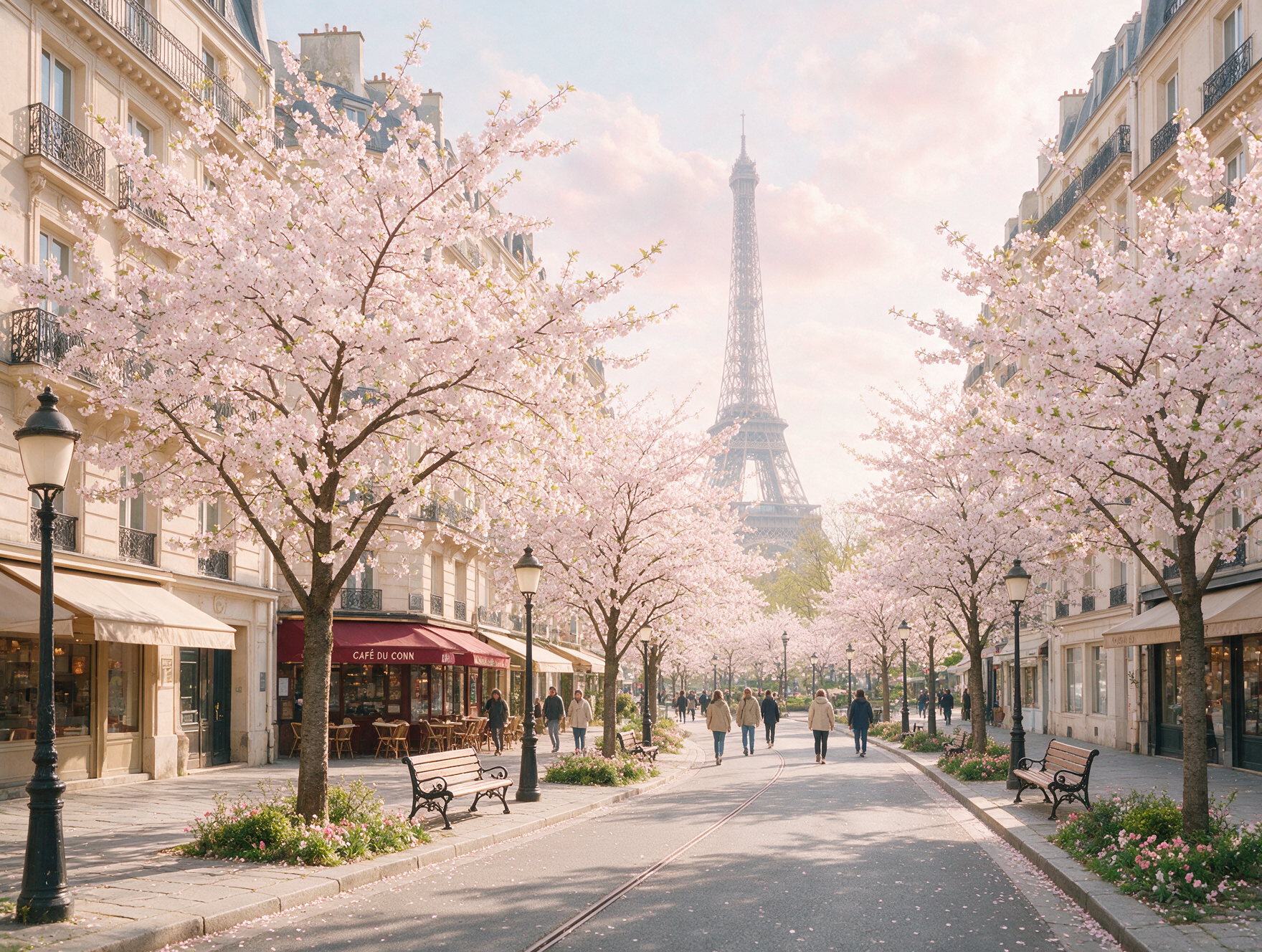
Spring is genuinely one of the best windows to visit France, and packing for it is a study in layers. Early March still runs cool and occasionally damp, closer to a light winter than true spring; by May, Paris and most of the country have warmed into genuinely pleasant daytime temperatures, though mornings and evenings stay cool enough to need a jacket. Provence and the French Riviera warm faster than the north, so if your trip weights toward the south, you can pack slightly lighter than a Paris-only itinerary would suggest.
Pack: a mix of light layers — t-shirts and light sweaters you can add or remove through the day, a water-resistant jacket (spring showers are common and often unpredictable), comfortable closed shoes rather than sandals, and at least one warmer layer for cooler evenings, especially early in the season. Normandy in particular sees a lot of spring rain, so if that’s on your itinerary, prioritise the rain jacket over an umbrella, which struggles in the coastal wind there.
Summer (June-August)
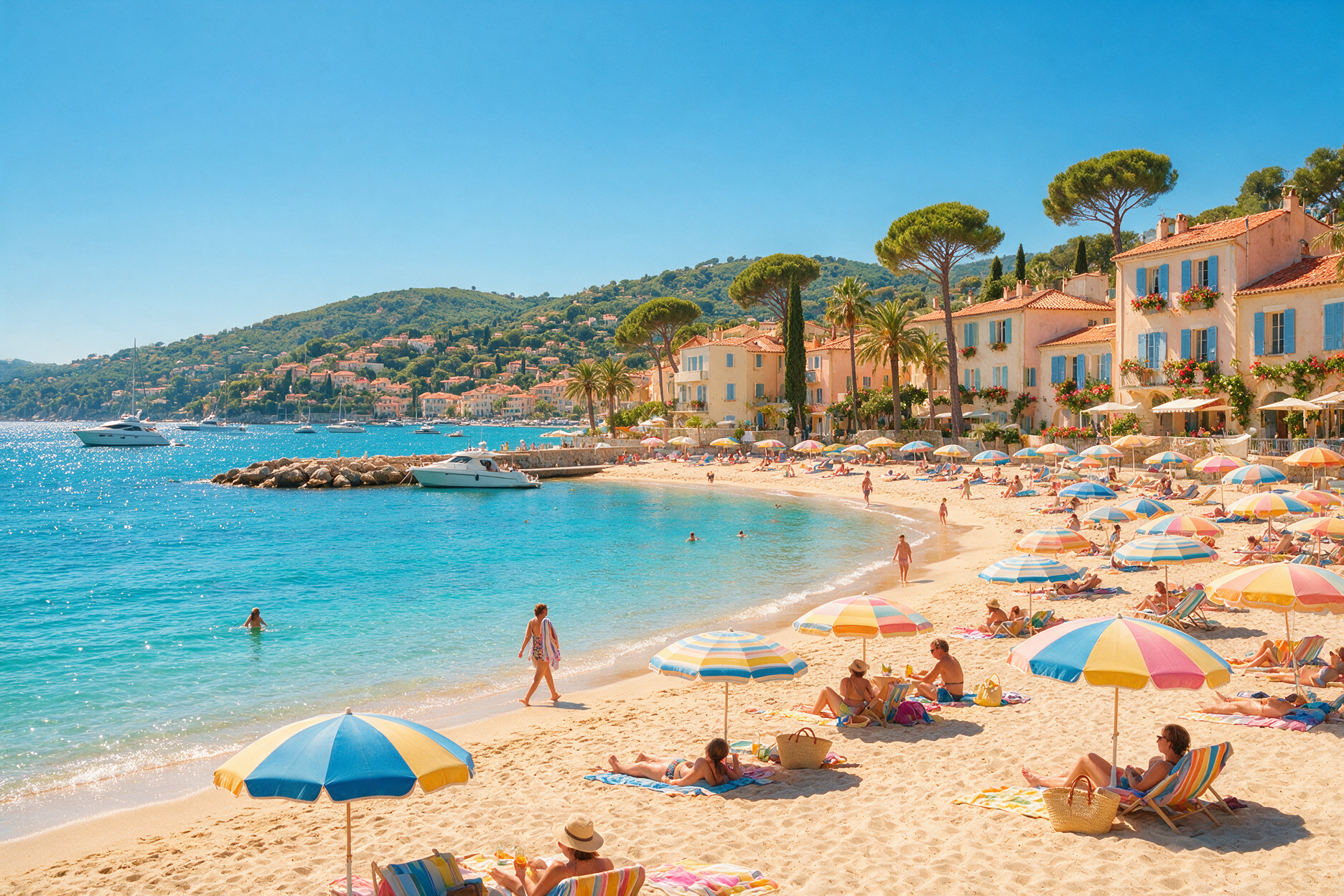
Summer is peak season across France, and for the Riviera in particular, it’s also the hottest and busiest stretch of the year. Paris runs warm but rarely extreme, generally in the mid-20s to low-30s Celsius; the south of France, including Nice and Provence, sees more consistently hot, dry days well into the low-to-mid 30s. Humidity is generally lower than what Indian summers involve, which makes the heat more manageable than it sounds on paper, but sun protection matters more here than travellers often expect.
Pack: light, breathable clothing, a proper sunhat and sunglasses, a reusable water bottle (Paris’s Wallace Fountains and most French cities’ public fountains make refilling easy and free), a light rain layer for the occasional summer thunderstorm, and comfortable sandals alongside walking shoes if your itinerary includes Riviera beach time. If you’re doing any part of this trip in the French Alps or planning a day hike, a light layer for higher altitudes is still worth packing even in summer, since mountain evenings cool down fast regardless of the season at lower elevations.
Autumn (September-November)
Early autumn (September into early October) is arguably the sweet spot of the whole year for a France trip — summer crowds have thinned, prices ease off their peak, and the weather stays mild and pleasant through most of the country. By November, temperatures have dropped meaningfully and the north in particular turns grey and wet more often than not, closer to early winter than true autumn. This is also grape harvest season in Burgundy, Bordeaux, and the Loire Valley, which adds a genuinely good reason to time a trip for late September if wine country is part of your plan.
Pack: layers again, but shifting warmer as the season progresses — light sweaters and a proper jacket by October, with a scarf worth adding to the bag for cooler days. Comfortable, sturdy walking shoes matter more in autumn than summer, since wet cobblestones and fallen leaves make some surfaces genuinely slippery. A compact umbrella is more useful here than in spring, since autumn rain tends to be steadier and less windy.
Winter (December-February)
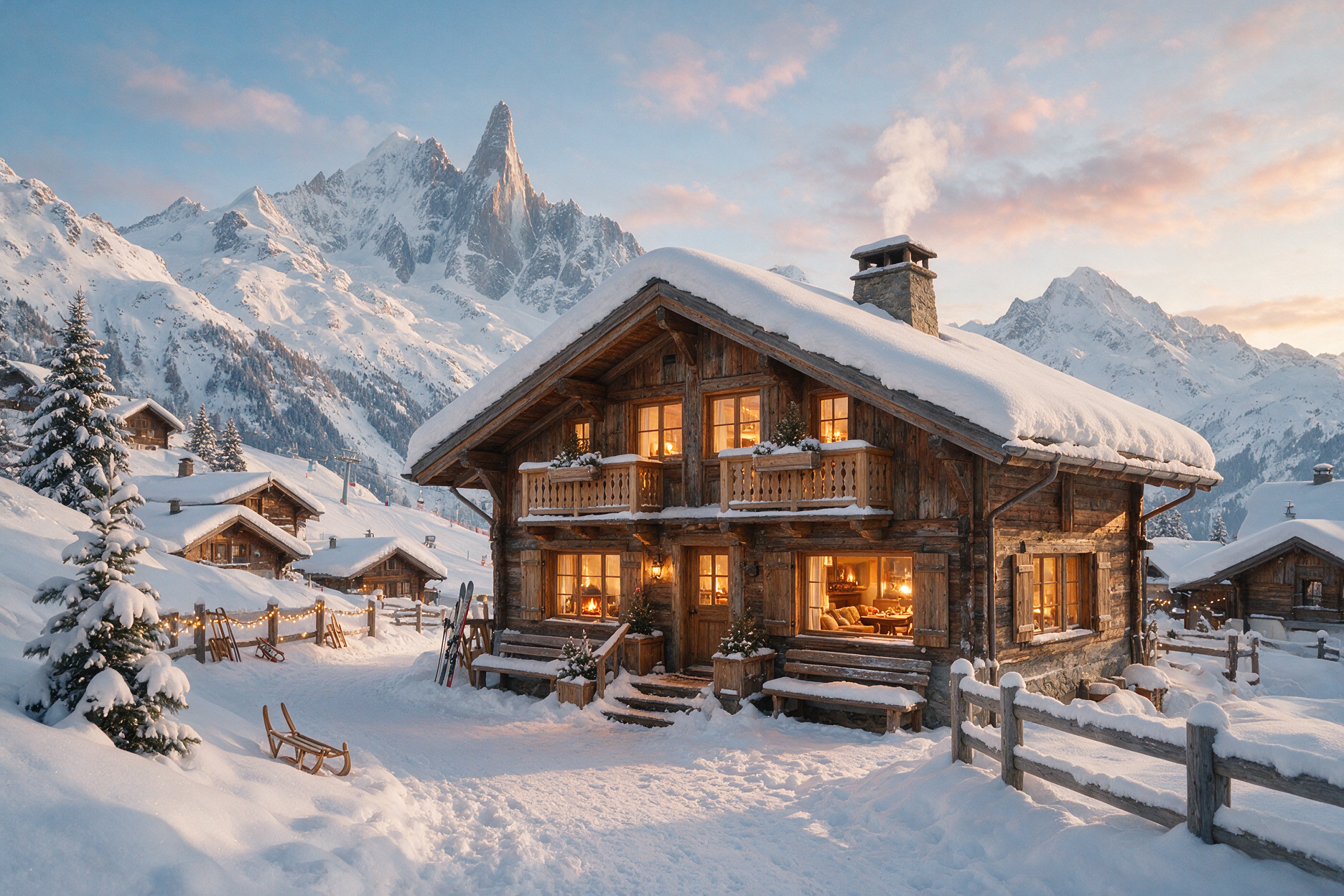
Winter splits France into two very different packing lists depending on where you’re headed. Paris and the north run cold, often grey and damp, with daytime temperatures frequently hovering just above freezing — not brutal by, say, Northern European standards, but a real shift from anything most Indian travellers experience at home. The south, including the Riviera, stays noticeably milder, often in the mid-teens Celsius during the day, which is why winter remains a reasonably comfortable time to visit Nice even if Paris feels properly cold. The French Alps, obviously, go full winter — genuine snow, ski-resort conditions, and a completely different packing list if that’s on your itinerary.
Pack: a proper insulated coat (not just a light jacket — Paris winter cold is damp-cold, which cuts through thin layers more than dry cold does), thermal base layers, gloves, a warm scarf, and waterproof boots with real tread, since wet cobblestones and occasional icy patches are genuinely hazardous in thin-soled shoes. If your trip includes the Alps for skiing or a Christmas market visit to Strasbourg, add proper snow boots, a heavier coat rated for genuinely cold temperatures, and thermal accessories — the Alsace region gets noticeably colder than Paris in the run-up to Christmas.
What to pack regardless of season
A few things belong in every France packing list, whatever month you’re travelling: a European Type E power adapter (France uses the same plug type as most of continental Europe, distinct from the UK’s), a portable phone charger for long museum and walking days, comfortable walking shoes broken in before the trip rather than new out of the box, a lightweight day bag that can be worn cross-body in crowded areas as a basic anti-pickpocket habit, and travel insurance documentation, which — as covered in our France visa guide — is also a hard requirement for the Schengen visa application itself, not just a nice-to-have.
Medication worth flagging: if you’re travelling with prescription medicines, carry them in original packaging with a copy of the prescription, particularly for anything that might raise questions at customs — France, like the rest of the Schengen area, can be stricter about this than travellers expect. A basic first-aid kit with the essentials — pain relief, any regular medication, motion sickness tablets if you’re prone to it on trains — is worth packing too, since French pharmacies, while excellent, aren’t always stocked with familiar Indian brand names, and explaining symptoms in a pharmacy queue with a language gap is its own small hassle worth avoiding.
On clothing style more broadly: French cities, Paris especially, lean toward a slightly more put-together, neutral-toned dress code than a lot of tourists arrive expecting — you don’t need to dress formally, but bright athletic wear head-to-toe will mark you out as a tourist more than in most destinations, and a few smarter, simpler pieces go a long way if you want to blend in a bit more or are planning a nicer dinner.
So when’s the best time to visit France?
If we had to pick one overall answer: late May through June, or September into early October. Both windows give you comfortable weather across most of the country, thinner crowds than peak summer, and better hotel and flight pricing than the July-August rush. Winter has its own appeal, particularly for Strasbourg’s Christmas markets and Alpine skiing, but it demands the heaviest and most specific packing list of the four seasons. If your trip is built around a honeymoon or a slower-paced Riviera stay, late spring edges out early autumn slightly, purely because the Mediterranean has had more of the summer to warm up by June without yet hitting July’s crowds.
A note for different kinds of travellers
Families travelling with young children should weight the packing list toward comfort and redundancy over style — an extra layer per child, a compact rain cover for a stroller if you’re bringing one, and snacks for long museum queues make the difference between a good day and a meltdown, especially in shoulder-season weather that can flip from sunny to drizzling within an hour. Couples on a honeymoon or anniversary trip, particularly timing it around a nicer dinner or two, might want to pack one slightly dressier outfit each beyond the practical layers — several well-regarded Paris restaurants do maintain an unspoken smart-casual expectation, and turning up in hiking gear can feel a little out of place even if it isn’t technically against any dress code. Luxury travellers doing a Riviera stretch should note that beach club environments in Nice and further along the coast (Cannes, Saint-Tropez) do lean into resort wear more than Paris ever does — pack accordingly if that’s part of the itinerary.
One honest caveat worth stating plainly: no packing list fully solves for France’s habit of shifting 8-10 degrees between an overcast morning and a clear afternoon, especially in spring and autumn. Checking a proper week-ahead forecast a few days before departure — rather than relying purely on the seasonal averages in this guide — is still worth doing, since any given week can run warmer or cooler than the seasonal norm.
FAQs
Do I need a rain jacket for France even in summer?
It’s worth packing a light one regardless of season — France gets occasional rain year-round, and summer thunderstorms, while brief, are common enough that a packable rain layer is more useful than an umbrella you’ll forget somewhere.
What shoes should I pack for France?
Comfortable, well broken-in walking shoes are the single most important packing decision for any France itinerary — cobblestones, extensive museum walking, and long city days add up fast, and new or poorly fitted shoes are one of the more common trip-ruining mistakes we see.
Is France cold in winter compared to North India?
Noticeably colder than Delhi winter, and with more consistent grey, damp weather rather than clear cold days — Paris in January routinely sits near freezing with limited sun, which surprises travellers who associate “winter” with Delhi’s version of it.
Should I pack differently for a Paris-only trip versus a Paris-and-Riviera trip?
Yes, meaningfully — a Riviera leg means adding sun protection and lighter clothing even in a season where Paris itself calls for a jacket, since the south runs several degrees warmer for most of the year.
What’s the one thing people most often forget to pack for France?
A proper adapter, more often than you’d expect — French plugs (Type E) don’t match UK or most Southeast Asian sockets, and hotel front desks running out of loaner adapters during peak season is a common, entirely avoidable headache.
Ready for any season
Whichever window you choose, packing right is one less thing to think about once you land — our France itinerary and full destination guide both note seasonal specifics for exactly this reason. If you’re weighing a France honeymoon, a family trip, or a custom Europe itinerary that includes France alongside its neighbours, our team can help you pick the right season and pack the right bag for it.