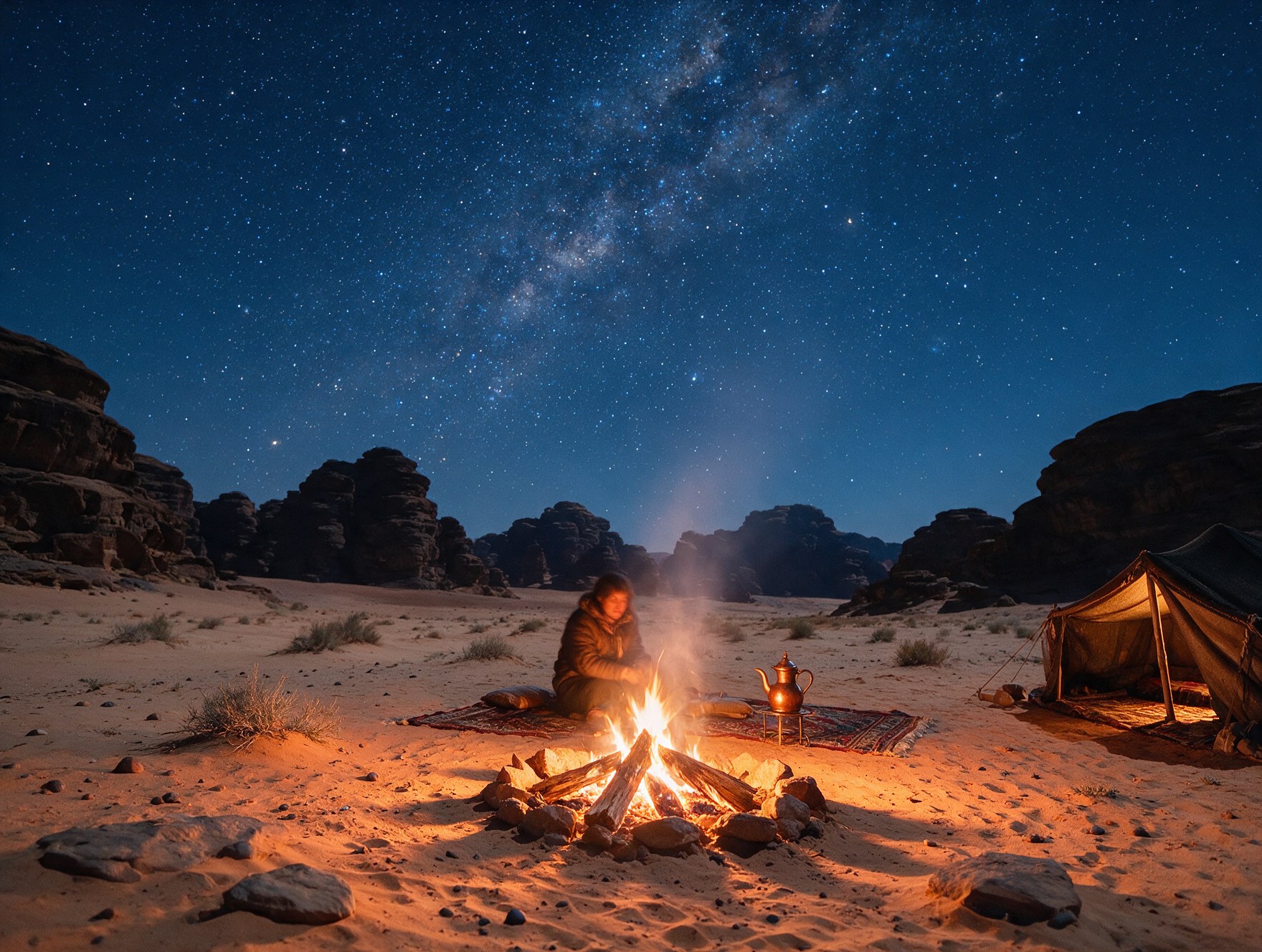
I packed for Jordan the first time the way I’d pack for anywhere hot and Middle Eastern — linen everything, sandals, done. I was fine in Amman and underprepared everywhere else. Jordan’s climate genuinely swings between its own regions: Wadi Rum drops to near-freezing desert nights even when Petra was pushing 30°C that same afternoon, and the Dead Sea, sitting over 400 meters below sea level, runs noticeably warmer than the hill towns an hour’s drive away. Packing well here means packing for several microclimates in one suitcase, not just one trip-long “hot country” assumption.
Table of Contents
- Why this is a layers trip, whatever the season
- Spring (March-May)
- Summer (June-August)
- Autumn (September-November)
- Winter (December-February)
- Modesty and dress code notes
- Footwear: the one category to not skimp on
- What to actually bring for the Dead Sea
- Gear and practical extras
- A mistake to avoid
- FAQs
Why this is a layers trip, whatever the season
A single day on a Jordan itinerary can move you from a cool Amman morning to a hot, shadeless walk through Petra’s Siq, to a genuinely cold desert night in Wadi Rum once the sun drops — all three in about twelve hours. Pack for the swing, not the average. A lightweight down or fleece layer earns its space in the bag even if you’re visiting in July, because Wadi Rum’s night temperatures don’t care what Petra did that afternoon.
Spring (March-May)
Petra and Wadi Rum sit in the 15-28°C range through spring, which is genuinely the best weather window of the year alongside autumn — green hills, wildflowers, and manageable midday heat. Pack breathable cotton or linen layers, a light jacket for cooler evenings and the Wadi Rum night chill, comfortable closed-toe walking shoes, and sun protection. If your trip falls near Easter (late March in 2026), expect heavier crowds at religious sites along the Jordan River and Mount Nebo, and book accommodation earlier than you would for a random April week.
Summer (June-August)
This is Jordan at its most demanding, with inland temperatures (Petra, Wadi Rum, Amman) regularly climbing into the mid-to-high 30s and occasionally touching 40°C+, while Wadi Rum alone can hit close to 39°C in July. Pack light, loose, breathable fabric (natural fibers over synthetic, which traps heat), a wide-brimmed hat, high-SPF sunscreen you reapply rather than pack-and-forget, and a refillable water bottle you’ll actually use — dehydration here sneaks up faster than it feels like it should. Aqaba’s coastal position moderates its summer heat somewhat compared to inland sites, which is part of why it’s a smart add-on for a summer trip specifically.
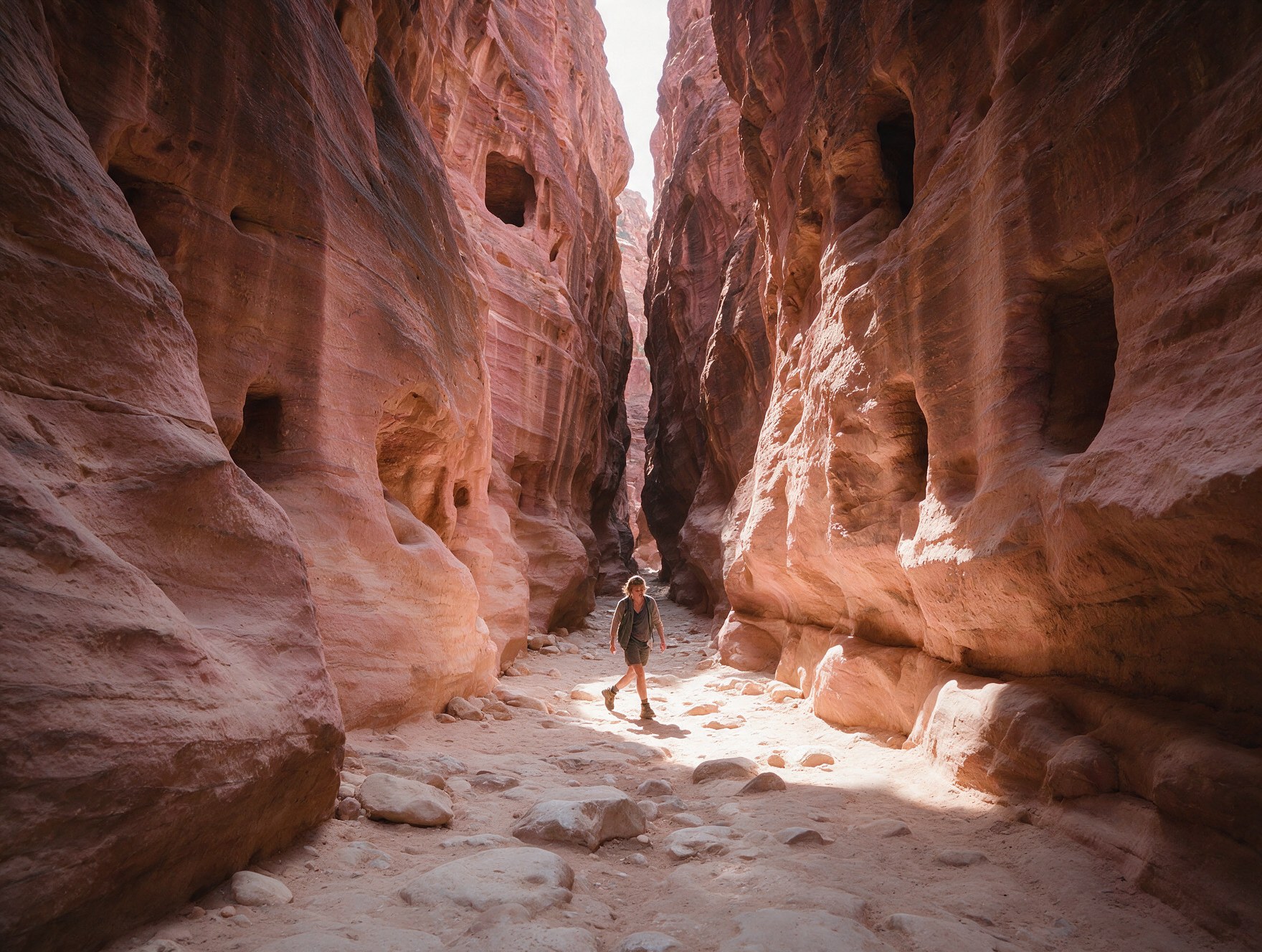
A genuine caveat: if you’re set on visiting in summer, do Petra’s Siq walk at opening time and save the exposed uphill sections (the Monastery trail especially) for late afternoon, since there’s almost no shade and the stone holds heat.
Autumn (September-November)
October is widely considered Jordan’s best month, with temperatures settling into an 18-27°C range across Petra and Wadi Rum — the same prime window as spring, without the Easter crowd spike. Pack similarly to spring: breathable layers by day, a warmer layer for Wadi Rum evenings, which start cooling noticeably by late October. Note that the Wadi Mujib Siq Trail near the Dead Sea closes from November through April due to flood risk, so if that specific hike is on your list, plan for September or early October.
Winter (December-February)
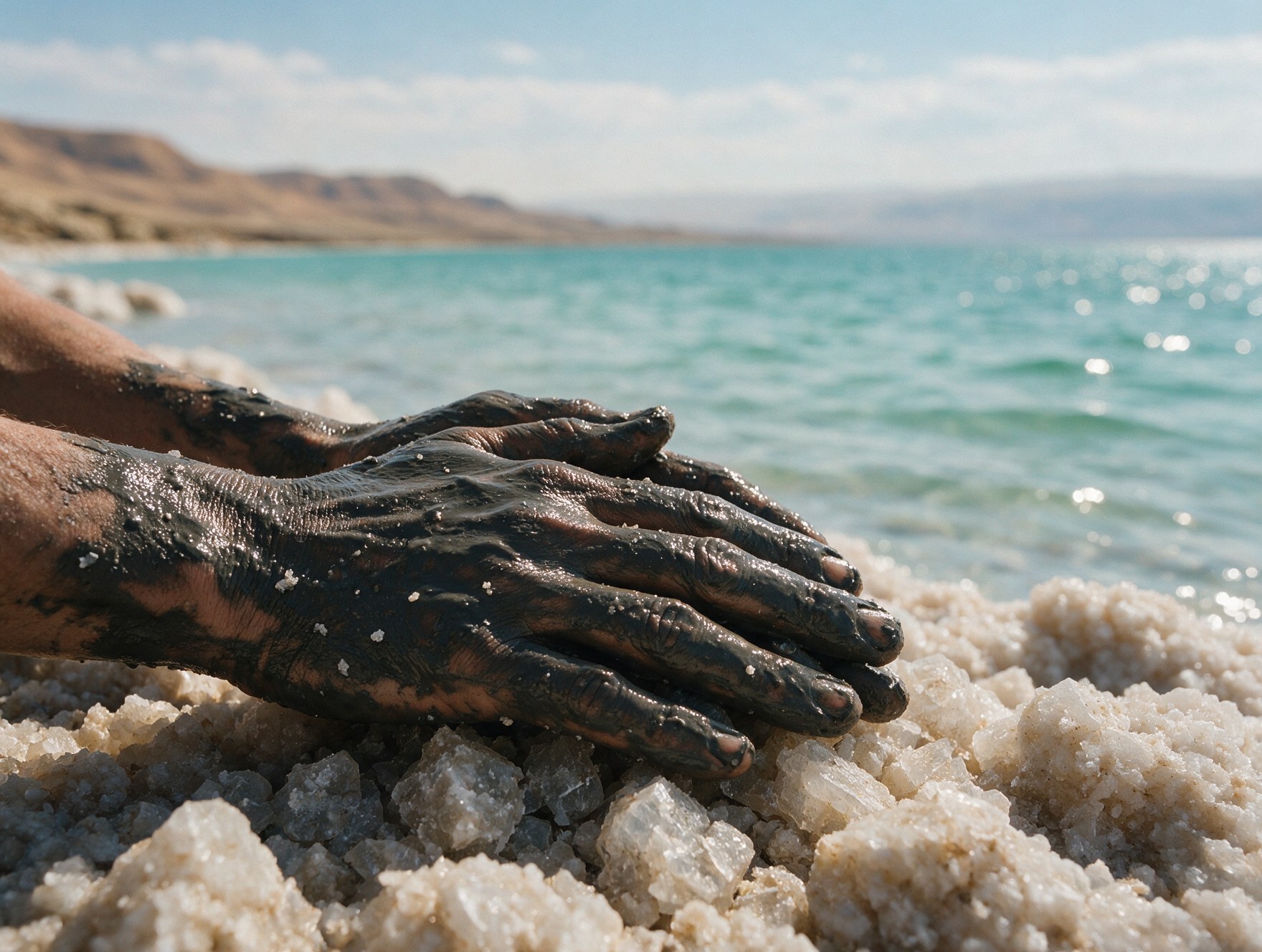
This is the season most Indian travelers underestimate. Amman and Petra both see genuinely cold nights, and Wadi Rum can drop to around -5°C overnight in January — this is not sweater weather, it’s a proper insulated-jacket, thermal-layer, warm-hat situation once the sun goes down. Petra has even seen rare snowfall in winter, which is a stunning, strange sight against the rose-colored rock but means solid, grippy footwear matters even more than usual. Days can still be pleasant and mild, particularly at the Dead Sea, which stays notably warmer than the hill towns thanks to its elevation below sea level — floating in winter here is one of the nicer surprises of a Jordan trip, genuinely more pleasant than it sounds. Rain is more likely November through March, concentrated in the northern highlands, so pack a compact rain shell as insurance even if the forecast looks dry.
Modesty and dress code notes
Jordan is more relaxed than some Gulf countries but still benefits from some modesty awareness, especially outside Amman’s more cosmopolitan neighborhoods and inside religious sites. Shoulders and knees covered is the safe default for both men and women in public areas, mosques, and smaller towns; swimwear is entirely fine at Dead Sea and Aqaba resort pools and beaches, but cover up again once you’re back in the lobby or walking through town. Loose, lightweight long-sleeve tops and midi-length trousers or skirts solve both the modesty and the sun-protection question at once, which is why they show up on every seasoned Jordan traveler’s packing list regardless of month.
Footwear: the one category to not skimp on
Bring proper closed-toe walking shoes with real grip, not fashion sneakers or sandals, for Petra specifically — the Siq’s stone floor is uneven and polished smooth by centuries of foot traffic, and the Monastery’s 800-plus rock-cut steps have no handrail for most of the climb. A second, more casual pair (sandals or slip-ons) is worth packing separately for Dead Sea and Aqaba beach days, since wet grippy shoes dry slowly and you won’t want to wear your Petra boots into the water.
What to actually bring for the Dead Sea
A few specific items make the Dead Sea experience noticeably better: rubber or plastic sandals (the salt crystal shoreline is sharp underfoot in places), an old swimsuit you don’t mind staining slightly from the mud, a dry bag or ziplock for your phone (you genuinely cannot swim normally here, so keeping electronics away from splash is worth the ten seconds of forethought), and some kind of hair tie, since getting hair wet here is its own minor production given how aggressively the water stings any cut or irritation. Avoid shaving the day before you float; the mineral water finds every nick.
Gear and practical extras
- Universal power adapter (Jordan uses Type C, D, F and G sockets depending on the building’s age — a universal adapter avoids guessing)
- A physical printout of your Jordan Pass QR code or e-visa approval, in case arrivals-hall Wi-Fi is slow
- A local eSIM or physical SIM (Zain and Orange both sell tourist packages at the airport) sorted on day one for maps and ride-hailing apps
- A basic first-aid kit with rehydration salts, genuinely useful given the summer heat and the amount of walking Petra demands
- A reusable water bottle — tap water in major hotels is generally treated, but bottled or filtered water is the safer default for a short trip
Packing notes for different kinds of travelers
Solo travelers should pack slightly lighter on the “just in case” items and slightly heavier on a portable charger and offline maps downloaded in advance — signal in Wadi Rum and parts of the King’s Highway is patchy, and you won’t have a travel companion’s phone as backup.
Couples on a honeymoon or anniversary trip should pack one slightly nicer outfit each for a Dead Sea resort dinner or a Petra boutique-hotel evening; it’s a small addition that pays off given how many of these properties have genuinely lovely terrace dining setups.
Families should over-pack snacks and electrolyte sachets for kids specifically — Petra’s long walking days and the summer heat combination catch children’s hydration needs off guard faster than adults’, and small town pharmacies don’t always stock familiar brands.
Luxury travelers staying at Wadi Rum’s premium glass-dome or bubble-tent camps should still pack a proper warm layer despite the upgraded accommodation — heating inside these tents varies by camp, and the desert cold doesn’t care what you paid for the night.
A condensed packing checklist
- Lightweight, breathable layers plus one warm layer regardless of season
- Closed-toe walking shoes with real grip, plus a second casual pair for beach/resort days
- Modesty-appropriate clothing: shoulders/knees covered as the default outside resort pools
- Wide-brimmed hat and high-SPF sunscreen
- Swimwear for the Dead Sea and Aqaba, plus rubber sandals for the Dead Sea shoreline
- Universal power adapter (Type C/D/F/G sockets)
- Printed Jordan Pass QR code or e-visa approval, plus a phone screenshot backup
- Reusable water bottle and electrolyte sachets
- Basic first-aid kit
- A dry bag or ziplock for electronics at the Dead Sea
What you genuinely don’t need
Heavy hiking boots are overkill for this itinerary unless you’re adding a serious multi-day trek through Dana or the Jordan Trail specifically — a sturdy, well-broken-in trail shoe handles Petra and Wadi Rum fine without the extra weight and break-in discomfort of full boots. Formal wear beyond one nicer outfit is rarely needed even at the resort properties, which lean toward relaxed elegance rather than strict dress codes. And despite Jordan’s desert reputation, a full desert-camping gear setup (your own tent, sleeping bag) is unnecessary and, at most camps, actively not allowed, since the whole point of a Bedouin camp stay is that it’s arranged for you.
Laundry and packing light
Most mid-range and above hotels in Amman and at the Dead Sea offer same- or next-day laundry service at reasonable cost, which makes packing lighter than you’d think more realistic than it sounds for an 8-day trip — five or six outfit changes rotated with one laundry drop-off midway through covers the whole itinerary comfortably. Wadi Rum camps generally don’t offer laundry, so plan your rotation around having enough clean layers to get through the one or two nights there.
A mistake to avoid
Don’t pack only summer clothes for a spring or autumn trip just because Jordan “sounds hot.” Wadi Rum’s night temperature drop is real and catches people without a proper layer every season except peak summer, and even then, a thin fleece earns its spot in the bag the moment the desert sun goes down.
FAQs
What should I pack for Jordan in summer?
Light, breathable natural-fiber clothing, a wide-brimmed hat, high-SPF sunscreen, and a refillable water bottle — inland temperatures regularly exceed 35°C.
Is Jordan cold at night?
Yes, especially in the desert. Wadi Rum can drop close to freezing even in shoulder seasons and well below freezing in winter, regardless of how hot the day was.
Do I need to dress modestly in Jordan?
Shoulders and knees covered is the safe default in public areas and religious sites; swimwear is fine at Dead Sea and Aqaba resort pools and beaches specifically.
What shoes should I wear in Petra?
Closed-toe walking shoes with real grip — the Siq floor is uneven and the Monastery hike has hundreds of rock-cut steps without handrails.
Does it snow in Jordan?
Rarely, but Petra and Amman have both seen winter snowfall in recent years, so a warm layer is worth packing for a December-February trip.
What’s the best month to visit Jordan?
October is generally considered the best single month, with April and early November close behind — all three sit in the comfortable 18-28°C range without peak-summer heat.
What power adapter do I need for Jordan?
Jordan uses a mix of Type C, D, F and G sockets depending on the building’s age, so a universal travel adapter is the simplest solution rather than guessing which single type to bring.
Can I drink tap water in Jordan?
Major hotels generally treat their water, but bottled or filtered water is the safer default for a short trip, especially outside Amman’s larger properties.
Before you go
Jordan rewards packing for contrast — hot days, cold desert nights, warm Dead Sea afternoons — more than it rewards packing for any single “Middle East hot country” assumption. See our full Jordan travel guide for how this fits into a complete itinerary by season.