Vegetarian and Vegan Food Guide to Malaysia for Indian Travelers
The question most Indian vegetarians ask before going to Malaysia — “Is there actually something to eat there?” — has a straightforward answer: yes, more than you’d think, particularly in Kuala Lumpur and Penang. The more nuanced version: Malaysia’s food culture is Muslim-majority and built around a lot of meat, but it also has substantial Hindu Tamil and Buddhist Chinese communities, each with their own vegetarian traditions that produce genuine restaurants, not afterthoughts.
That said, some cities on Malaysia’s tourist trail serve vegetarians much better than others. Taman Negara’s jungle lodges don’t have a vegetarian menu — they have a menu, and you ask which items can be made without meat. Langkawi’s beach restaurants will generally accommodate you but aren’t built around the concept. This guide covers what to expect, city by city, with specific restaurant names where they exist and honest caveats where they don’t.
Contents
- Understanding Malaysian Vegetarian Culture
- Kuala Lumpur: Best City for Vegetarians
- Penang: South Indian Heritage + Buddhist Veg
- Malacca: Limited but Worth Seeking Out
- Langkawi: Request-Based Vegetarian Options
- Genting Highlands: Dedicated Vegetarian Restaurant
- Taman Negara: What to Expect
- How to Navigate Menus in Malaysia
- FAQs
Understanding Malaysian Vegetarian Culture: The Two Systems
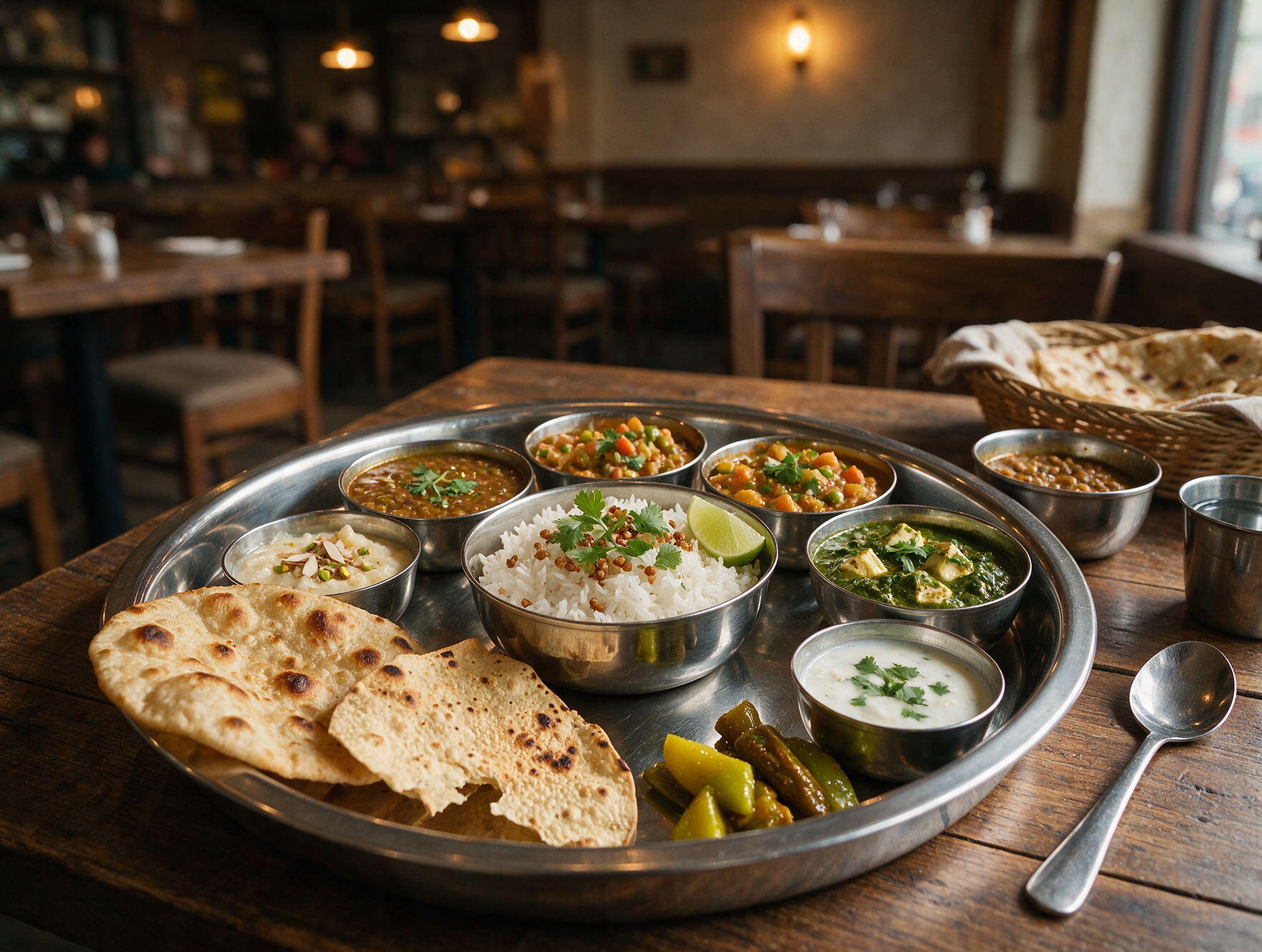
Two distinct vegetarian traditions run through Malaysian food culture. The first is South Indian vegetarian food — brought by Tamil Hindu laborers and traders who settled in the peninsula over the last 200 years. Their restaurant culture, concentrated in areas like KL’s Brickfields (Little India), Penang’s George Town, and Malacca’s Little India, serves rice-based thali meals, dosa, idli, roti canai, and curries that are fully vegetarian by default. These places look familiar to Indian travelers; the food tastes close to home.
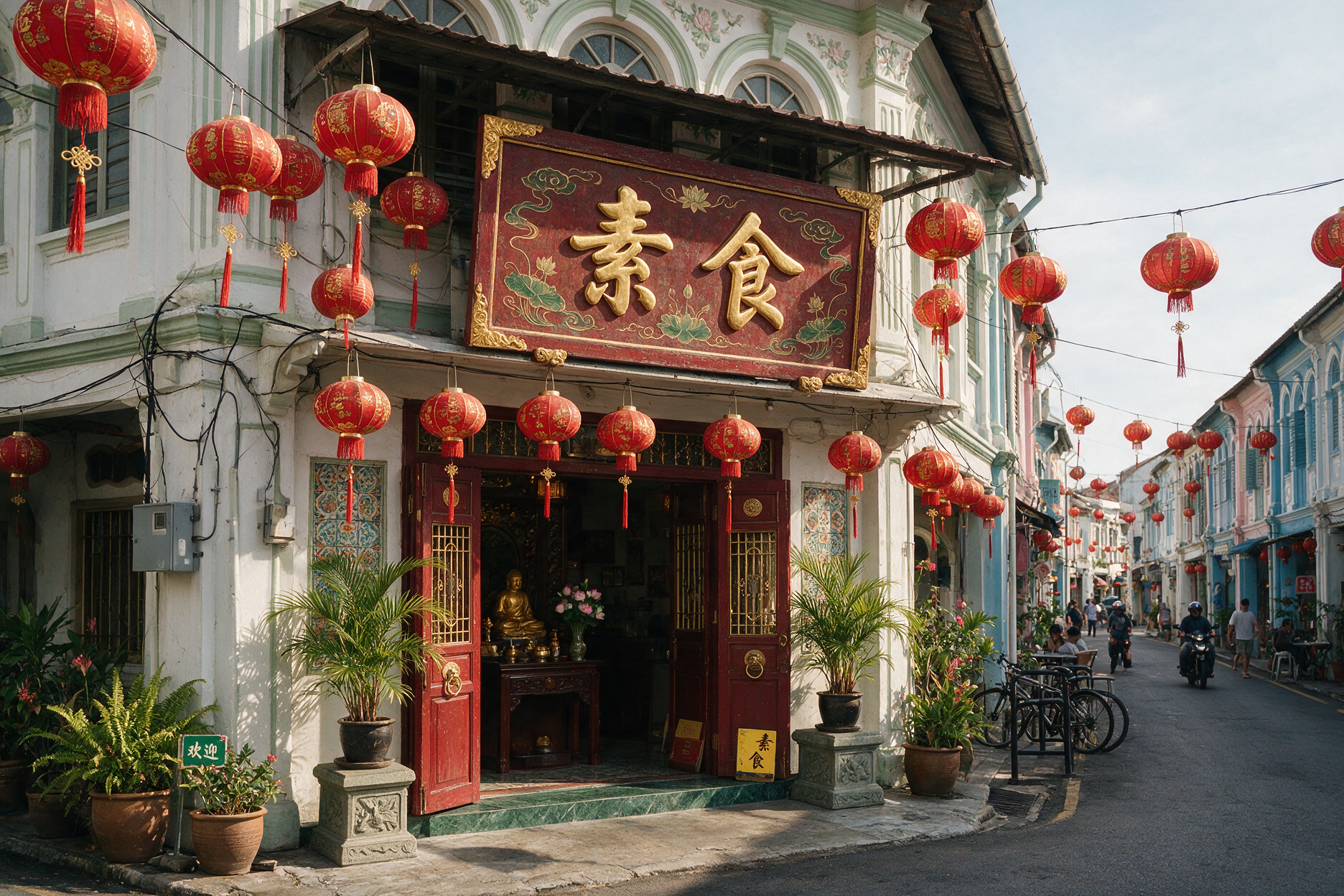
The second tradition is Buddhist Chinese vegetarian food — marked by the symbol 素食 (pronounced “su shi” in Mandarin or “chay” in some dialects), which appears on signboards and menus. Buddhist vegetarian rules often exclude not just meat and fish but also garlic, onions, leeks, and pungent vegetables (the Five Pungent Roots). If you’re vegetarian but not vegan and don’t have a problem with alliums, this system still produces excellent, interesting food.
For vegans: Malaysia is workable but requires more attention. Coconut milk, fish sauce, shrimp paste (belacan), and oyster sauce appear in dishes that look vegetarian at a glance. The dedicated vegan restaurants in KL and Penang clearly label their food. Elsewhere, ask specifically about these ingredients — the words “no ikan bilis (anchovies), no belacan, no oyster sauce” communicated to a kitchen go a long way.
Kuala Lumpur: The Most Vegetarian-Friendly City in Malaysia
KL’s Brickfields neighborhood — also called Little India — is the starting point. The area around Jalan Tun Sambanthan and the streets north and south of it has a high concentration of South Indian restaurants where vegetarian is the default, not the exception. Banana leaf rice (rice with three or four vegetable curries served on a fresh banana leaf, with rasam and papadum) is the meal to have here.
Saravanaa Bhavan (Brickfields) — the Malaysian outpost of the Chennai-based chain. The menu is entirely South Indian, clearly labeled, and the quality is consistent. Good for breakfast (idli, dosa, pongal) and lunch (banana leaf thali). Budget RM 20–35 per person.
Dharma Realm Guan Yin Sagely Monastery (Jalan Ampang) — this temple runs a vegetarian lunch buffet at near-cost prices (around RM 5). It’s Buddhist vegetarian (no garlic or onion), the food is basic but genuine, and the setting — in a working temple — is a different experience from a restaurant. Go between 11 AM and 1 PM on weekdays.
Kun Yam Thong Temple (also Jalan Ampang) — similarly runs a canteen on certain days with Buddhist vegetarian food at minimal prices. Worth checking with the temple for current schedule.
Beyond Brickfields, KL’s Bangsar and Mont Kiara neighborhoods have several vegetarian and vegan cafes catering to the city’s international population. Green Leaf Eatery and The Owls Cafe are both in this mold — decent Western-Asian fusion, reliably vegan-friendly.
Practical KL tip: the food courts in major malls (KLCC, Pavilion, Mid Valley) always have at least one dedicated Indian or vegetarian stall. Not the most atmospheric option, but reliable in a pinch.
Penang: South Indian Tradition and Buddhist Vegetarian Stalls
Penang’s vegetarian scene is strong in George Town’s historic lanes, where the South Indian and Buddhist communities have maintained their food traditions for generations.
Annalakshmi Restaurant (Temple of Fine Arts, 65 Jalan Utama, Pulau Tikus) — this is the Penang outpost of the Singapore-founded restaurant run by volunteers on a “give what you feel” donation basis. The food is pure South Indian vegetarian, the setting is in an arts center, and the experience of paying what you think the meal is worth is one of the more memorable things you can do in Penang. It’s not a stunt — the food is genuinely good: sambhar, rasam, thoran, poriyal, the full South Indian banana leaf spread.
In George Town’s heritage lanes, look for the 素食 symbol on small shopfront restaurants along Lebuh Kimberley and Lebuh Cintra. These are family-run Buddhist vegetarian operations with simple menus — rice, vegetables cooked various ways, tofu dishes, mock-meat preparations that are more interesting than they sound. Prices are very low; quality is unassuming but honest.
For vegan travelers specifically: Penang’s hawker food is complicated by belacan and fish sauce appearing in dishes that appear vegetarian. Char Kway Teow is not vegetarian (it has cockles and typically uses lard). Asam Laksa is fish-based. The safe options without modification are fruit, fresh coconut water, cendol (if no pork lard in the preparation — ask), and the South Indian and Buddhist restaurants above.
Malacca: Small Scene, Worth Finding
Malacca’s vegetarian options are more limited than KL or Penang, but they exist. The main resource is the Jonker Street area and the Little India neighborhood near Jalan Bendahara.
Botanist Cafe (near the heritage zone) — a plant-forward cafe that has appeared in several vegan travel guides to Malaysia. The menu changes; the focus is on local produce prepared without meat. Check current status before visiting as smaller cafes have variable hours.
Malacca’s Little India, near Jalan Bendahara, has South Indian Tamil restaurants with vegetarian banana leaf options — the selection is smaller than Penang’s or KL’s but includes the basics. Look for restaurants with handwritten menus and a morning breakfast crowd.
The practical advice for Malacca: eat vegetarian at the South Indian restaurants for your main meals, and enjoy Malacca’s non-food attractions (the Dutch heritage buildings, the river walk, the Jonker Street market) without worrying about every hawker item. The Peranakan restaurants (Nyonya cuisine) generally use pork and seafood throughout their dishes and can be harder to navigate for vegetarians.
Langkawi: Indian Restaurants Are Your Best Bet
Langkawi is primarily a seafood-and-beach destination, and its restaurant scene reflects that. Dedicated vegetarian restaurants are rare. The most reliable option for Indian vegetarians is the cluster of Indian restaurants in Kuah town and a few in the Cenang beach area — they serve basic North and South Indian food with clearly vegetarian options.
Most resorts on Langkawi will accommodate vegetarian guests if notified at booking. Larger resorts (Meritus Pelangi, Four Seasons, W Langkawi) have kitchen teams equipped to prepare proper vegetarian meals rather than just removing the meat from an existing dish. It’s worth a note to the hotel restaurant when you check in.
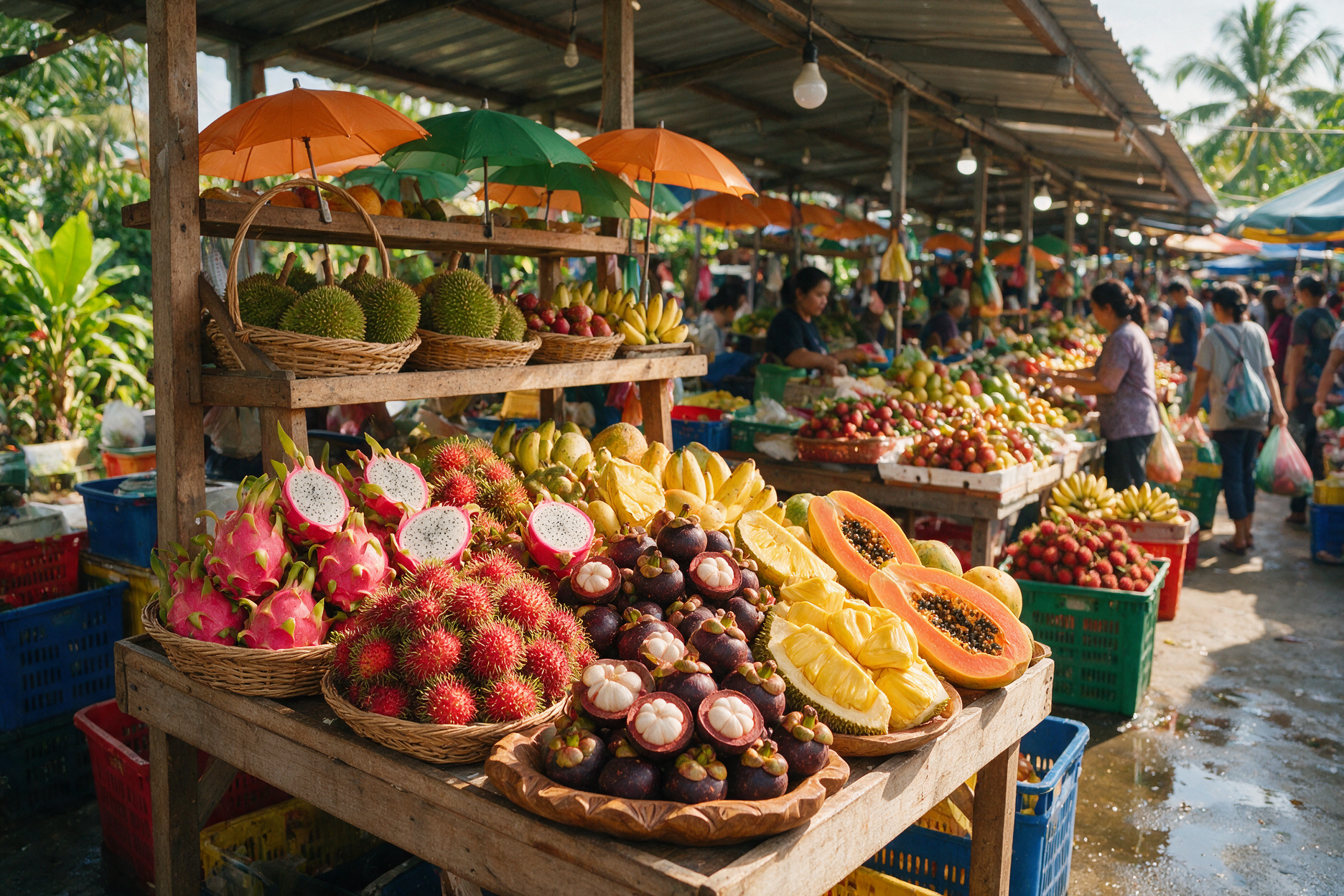
For breakfast and snacks: fruit stalls on Cenang Beach road sell fresh tropical fruit (mangosteen, rambutan, jackfruit, dragon fruit) that are perfectly vegan and genuinely excellent. A plate of mixed tropical fruit in the morning along the beach road is one of Langkawi’s underrated pleasures.
Genting Highlands: The Best Vegetarian Restaurant on the Mountain
Chin Swee Vegetarian Cuisine Restaurant — the dedicated vegetarian restaurant at Resorts World Genting, located near the Chin Swee Caves Temple. It’s the resort’s only fully vegetarian establishment and serves Chinese vegetarian food with a health-food emphasis. The view over the Titiwangsa mountains is excellent. Signature dishes include Chinese Spinach in Superior Stock and Ladies Finger with XO Spicy Sauce (the XO here is a vegetarian rendition). Open daily 10:30 AM–8:30 PM.
Spice Garden (also at RWG) — serves Indian and Middle Eastern cuisine including Palak Paneer, daal, and several vegetarian curries. Good option for those who want familiar Indian flavors at altitude.
Jom Makan SkyAvenue — the food court within the SkyAvenue mall has Indian stalls serving aloo gobi, chole, rice, and roti. Halal, and while not specifically vegetarian, clearly labeled vegetarian items are available.
Genting is a good place for Indian vegetarians specifically because the Hindu temple (Chin Swee Caves Temple) draws a vegetarian-forward dining culture around it — temple-area restaurants in Malaysia reliably cater to this.
Taman Negara: Managing Expectations in the Jungle
Taman Negara’s main accommodation, Mutiara Taman Negara Resort, serves standard Malaysian dishes at its restaurant. Vegetarian options are available — nasi goreng and mee goreng can be prepared without meat on request, and they typically offer several vegetable-based dishes. There’s no dedicated vegetarian menu, and the kitchen is not primarily set up for plant-based cooking.
What to do: contact the resort before arrival to note your dietary requirements. They’re accommodating; they just need the heads-up. The food won’t be exciting, but it will be nutritious and sufficient for a nature-focused trip where most of your energy is going toward the forest anyway.
Bring supplementary snacks. Dry fruit, nuts, protein bars, chikki, or similar things that travel well through a tropical climate (i.e., not chocolate) are useful to have on longer hikes when the resort restaurant isn’t an option. The boat journey from Kuala Tembeling to the park entrance takes 3 hours — snacks make it better.
How to Navigate Menus When You Can’t Tell What’s In Something
A few practical phrases and signals:
“Tiada daging, tiada ikan” — “No meat, no fish” in Malay. Gets the point across at hawker stalls.
看菜单有什么素食? — “What vegetarian options are there on the menu?” in Mandarin, useful at Chinese restaurants.
The 素食 symbol on a sign means Buddhist vegetarian food inside.
At Indian restaurants, “vegetarian thali” or “veg banana leaf” is universally understood.
Ask specifically about fish sauce (sos ikan), shrimp paste (belacan), and dried anchovies (ikan bilis) — these appear in many Malay dishes as flavor enhancers and won’t be listed as ingredients.
Malaysian restaurants are generally patient and helpful with dietary questions. Don’t be embarrassed to ask — it’s a normal conversation in a country with multiple communities and multiple dietary traditions.
FAQs: Vegetarian and Vegan Travel in Malaysia
Is it easy to find vegan food in Malaysia?
In KL and Penang, genuinely yes. The Buddhist vegetarian tradition avoids all animal products in many of its restaurants. Outside these cities, it gets harder — veganism as a specific dining identity (as opposed to the religious Buddhist vegetarian practice) is still emerging in smaller Malaysian towns and resort areas.
What about Jain dietary requirements (no root vegetables)?
KL and Penang both have restaurants that can accommodate Jain requirements if you explain what you need. Buddhist vegetarian restaurants already avoid garlic and onion; root vegetables are a further restriction to specify. The South Indian restaurants in Brickfields and George Town are the most familiar with this from experience with the Indian community.
Are Indian vegetarian foods widely available?
More than you’d expect. KL’s Brickfields, Penang’s George Town, and the Malacca Little India area all have South Indian food that will feel like home. The Tamil community’s food presence in Malaysia is 150+ years old — it’s not a novelty item, it’s an established part of the city.
Is there mock meat in Malaysian vegetarian restaurants?
Yes, particularly in Buddhist vegetarian restaurants. Malaysian Chinese vegetarian cooking has a long tradition of tofu-based and wheat gluten-based mock meats — mock fish, mock duck, mock char siu — that are sophisticated compared to what you’d find in most Western vegetarian restaurants. Worth trying if you’re curious.
How do I handle a Malay wedding or function invitation?
Traditional Malay wedding food is built around meat (rendang, ayam masak merah, etc.), and a vegetarian guest isn’t the expected case. If you’re attending a formal function, the safest option is to eat beforehand and treat the event as a social occasion. Some modern Malay families include vegetarian options at functions; others don’t — and asking in advance through your host is perfectly acceptable.
Plan Your Malaysia Trip with Dietary Needs in Mind
The cities where vegetarian travelers eat best — Kuala Lumpur and Penang — happen to be Malaysia’s two most rewarding cities to spend time in anyway. A well-designed itinerary puts you in those cities for the majority of your trip, with the jungle or island day balanced by a return to a city where dinner options are genuinely good.
Get Tripped’s Malaysia itineraries are built around this logic. Explore Malaysia options here — and mention your dietary requirements when you get in touch. We factor it into accommodation recommendations and activity timing.