Free Things to Do in the Netherlands: Amsterdam, Rotterdam, Utrecht & Beyond
The Netherlands has a reputation for being expensive, and parts of it are — a canal boat tour in Amsterdam, a Keukenhof ticket, a sit-down dinner in the Jordaan. But the Dutch have a quietly egalitarian approach to public life that means an enormous amount of what’s actually worth seeing costs nothing. Vondelpark on a Sunday afternoon is one of the better places you’ll spend time in Europe. The Rijksmuseum’s central archway is free. Rotterdam’s street art scene requires only comfortable shoes. This guide covers free things to do across the Netherlands, city by city and destination by destination, with enough specifics to actually plan around them.
Table of Contents
- Amsterdam: Free Sights & Experiences
- Rotterdam: Free Attractions
- Utrecht: Free Things to Do
- Free Day Trips & Countryside
- Free Markets Across the Netherlands
- Parks & Nature: Free Everywhere
- Tips for Keeping Costs Down
- FAQs
Amsterdam: Free Sights & Experiences
Amsterdam’s paid attractions — Rijksmuseum, Van Gogh Museum, Anne Frank House — are excellent but not cheap. The free version of Amsterdam, which you get by simply walking and knowing where to look, is equally good and sometimes better.
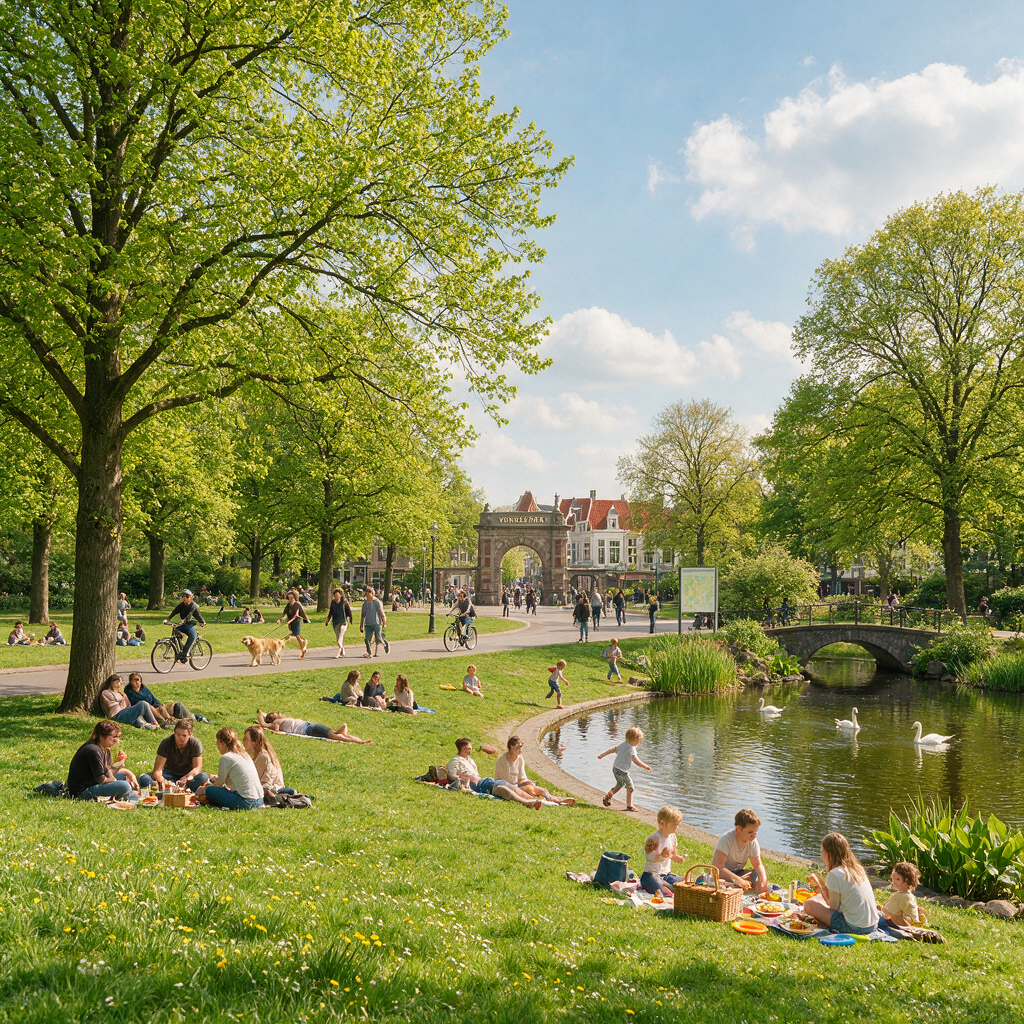
Vondelpark
Amsterdam’s primary park covers 47 hectares and is free, open continuously, and genuinely used by locals rather than tourists. On summer weekends, there are free performances at the open-air theatre (Openluchttheater) — music, theatre, children’s shows. The rest of the time: cyclists, families, people reading on the grass, dogs. The park’s western entrance is near the Van Gogh Museum; you can walk through it from one side of the museum quarter to the other. Nothing to book, nothing to pay.
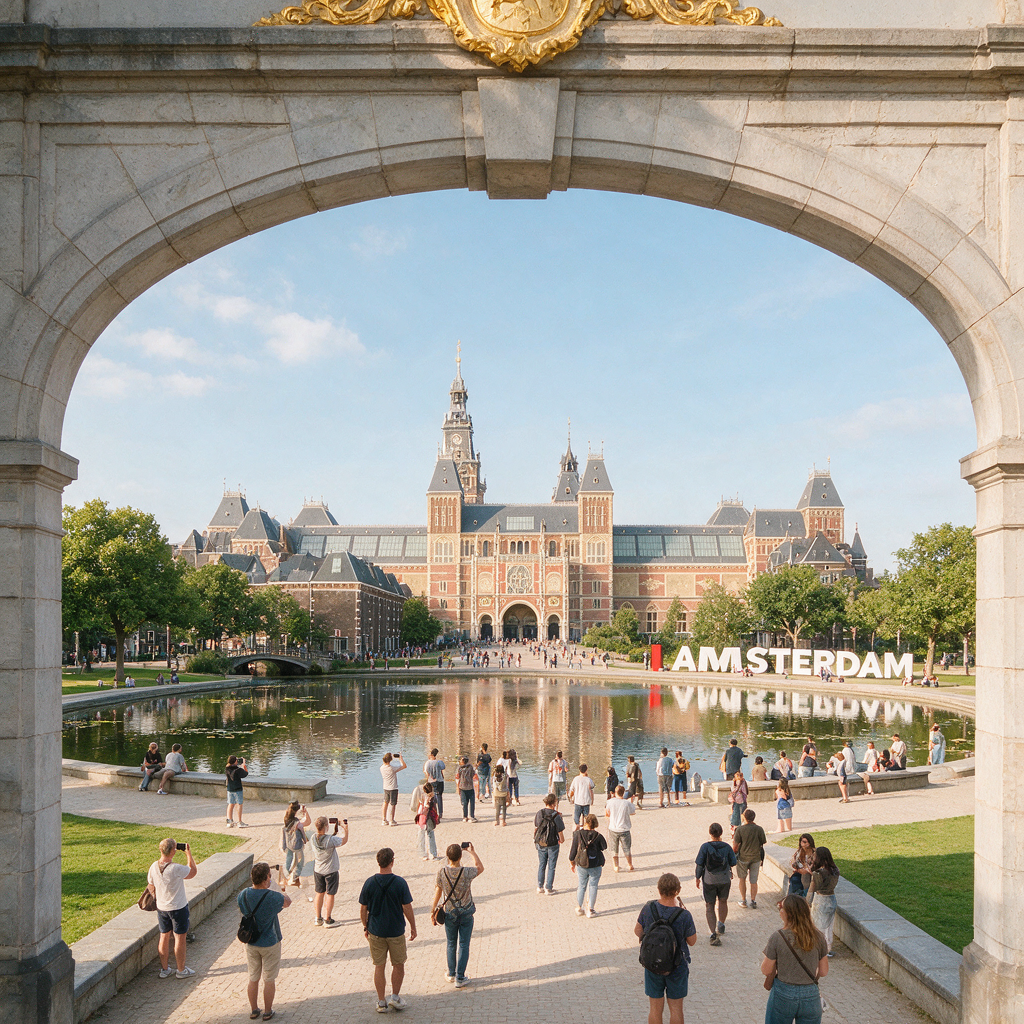
The Rijksmuseum Archway
The museum itself costs €22.50 per adult, but the building’s central archway — the passage that runs through the ground floor connecting the museum square to the rear — is open to cyclists and pedestrians and is entirely free. The interior of the archway is decorated with tiles and art. Looking out from the archway toward the I Amsterdam garden at the back gives you one of the better views of the museum’s architecture. Worth knowing: the I Amsterdam letters in the Museumplein garden are also free to visit and photograph (the famous sign was removed from Museumplein in 2018 but smaller versions have returned in various locations; check current placement).
Begijnhof
One of Amsterdam’s best-kept open secrets. The Begijnhof is a medieval enclosed courtyard dating from the 14th century, with historic houses around a central garden and two chapels. Entry is free (open daily from around 10am to 5pm). It’s quiet, walled, and completely different in character from the streets outside. The Houten Huys (wooden house) on the courtyard is one of the oldest surviving wooden structures in Amsterdam, from around 1420. No photography rules are posted at the entrance but please respect the residents — this is a private residential compound that happens to be open to visitors.
Free IJ Ferries to Amsterdam Noord
The ferries crossing the IJ waterway from behind Amsterdam Centraal to Amsterdam Noord are free and always have been. They don’t require an OV-chipkaart or any ticket — you simply board. The Buiksloterweg ferry (the most frequent) crosses every few minutes and takes 4 minutes. On the other side: NDSM Wharf, a former shipyard turned arts complex with murals, studios, food trucks, and a flea market on weekends. Also accessible by free ferry: the EYE Film Institute, with its distinctive white building visible from the crossing. The building’s lobby and café are free to enter even if you don’t watch a film.
Albert Cuyp Market
Amsterdam’s largest street market runs along Albert Cuypstraat in De Pijp, Tuesday through Saturday from around 9am to 5pm. Entry is free; you pay only for what you eat or buy. Fresh stroopwafels made on the spot, raw herring with onion, Indonesian snacks, Dutch produce, fabric, household goods, the works. It’s a genuinely functional neighbourhood market rather than a tourist attraction, which makes it more interesting than most things with admission fees. The streets around it in De Pijp are worth wandering — good independent cafés, Indonesian and Surinamese restaurants at reasonable prices.
Jordan Neighbourhood Walk
The Jordaan is Amsterdam’s most photogenic neighbourhood and costs nothing to walk through. The key streets are Prinsengracht, Keizersgracht, and Brouwersgracht; the small alleys (hofjes) branching off these canals contain some of the older residential architecture. Tuesday mornings bring the Noordermarkt antique market (free to browse). The neighbourhood is particularly good early morning before 9am, when the light on the canals is flat and there are almost no other tourists.
Rotterdam: Free Attractions
Rotterdam is arguably more interesting as a free city than Amsterdam — it’s a working port with genuine architectural ambition, and most of its best buildings are simply there to be looked at.
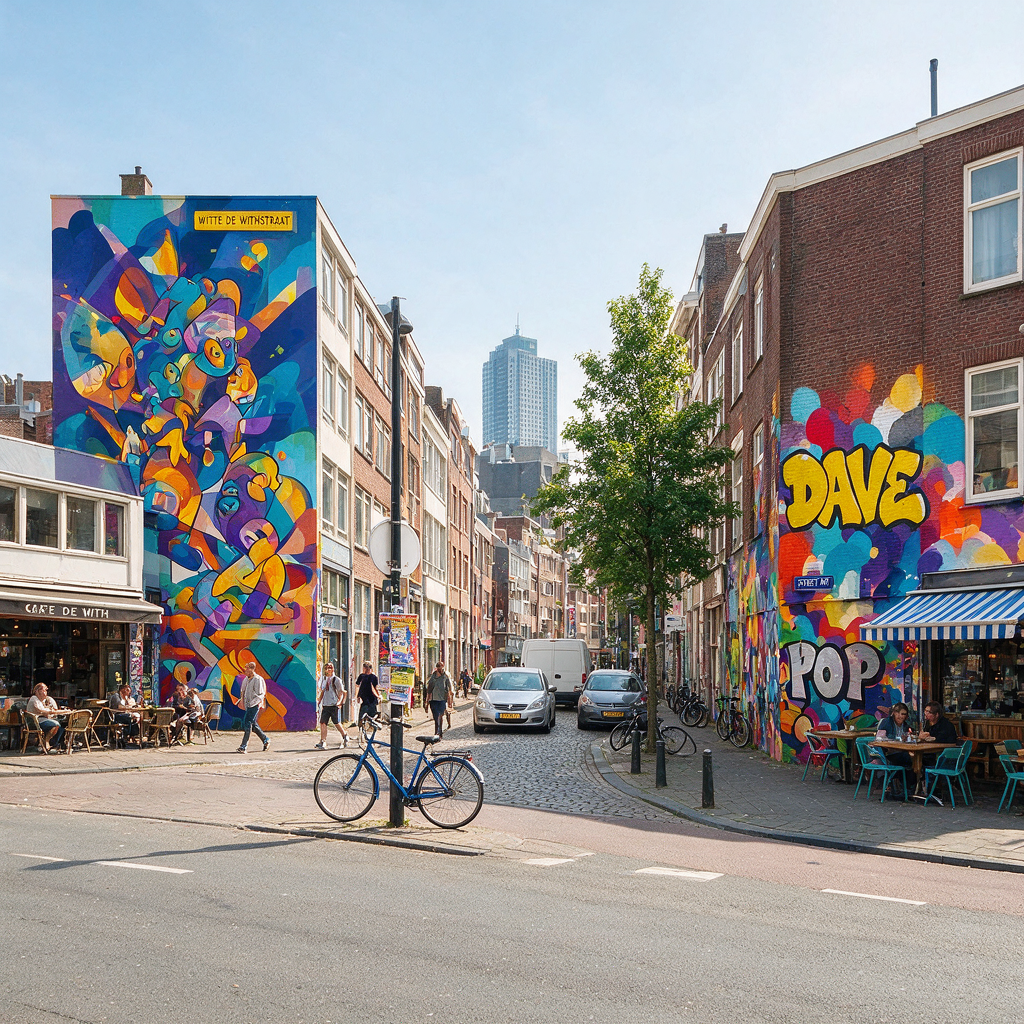
Street Art Walk
Rotterdam has one of Europe’s best urban street art scenes, concentrated in a few key areas: the Witte de Withstraat and surrounding streets, the Katendrecht peninsula, and the areas around the old harbour in Delfshaven. The organisation BKOR coordinates public art across the city, and their map (available free online at bkor.nl) covers over 100 works. The Luchtsingel pedestrian bridge in the Bergpolder area was crowdfunded and is covered in handwritten donor names — part art installation, part community project. None of this costs anything to walk around and photograph.
Erasmus Bridge Walk
Rotterdam’s Erasmusbrug is a 284-metre cable-stayed bridge that’s become the city’s defining image. Walking across it takes about 10 minutes and is entirely free. From the bridge, the view in both directions — the Maas river, the working port, the modern city skyline — is substantial. At night, the bridge is lit and the reflections on the water are one of the better free sights in the Netherlands. On the south side of the bridge is Katendrecht, which leads to the Fenix Food Factory (free to browse the market hall, buy what you want).
Cube Houses Exterior
The Blaak Cube Houses (Kubuswoningen) — tilted yellow cubes on concrete stilts designed by Piet Blom, completed in 1984 — are one of Rotterdam’s most photographed architectural landmarks. The exterior and the walkway underneath is free to access. One cube has been converted to a small museum (€3.50 entry) but you don’t need to go inside to appreciate the absurdity of the design. The Blaak market operates nearby on Tuesdays and Saturdays, also free to browse.
Delfshaven
The only neighbourhood in Rotterdam that survived World War II bombing, Delfshaven is a genuine 17th-century Dutch harbour district that feels completely different from the modernist city around it. The canal, the historic warehouses, the Pilgrims’ Church (from which the Pilgrim Fathers departed for America in 1620) — all accessible freely. The area around De Pelgrim brewery has several free-to-browse antique shops.
Utrecht: Free Things to Do
Utrecht is compact, bicycle-friendly, and contains more medieval architecture per square kilometre than anywhere else in the Netherlands. Most of it is simply outside.
Oudegracht Canal Walk
Utrecht’s Oudegracht (Old Canal) is unusual in having two levels — the street level above, and a lower level of medieval cellars and wharves directly on the water below. Walking both levels, from the old harbour at Ledig Erf to the north end near the Domkerk, takes about 40 minutes at a slow pace and is free. The lower level has several café terraces that spill onto the water. The canal itself is smaller and more intimate than Amsterdam’s — this feels like the original version of canal-city life, before the canals became tourist infrastructure.
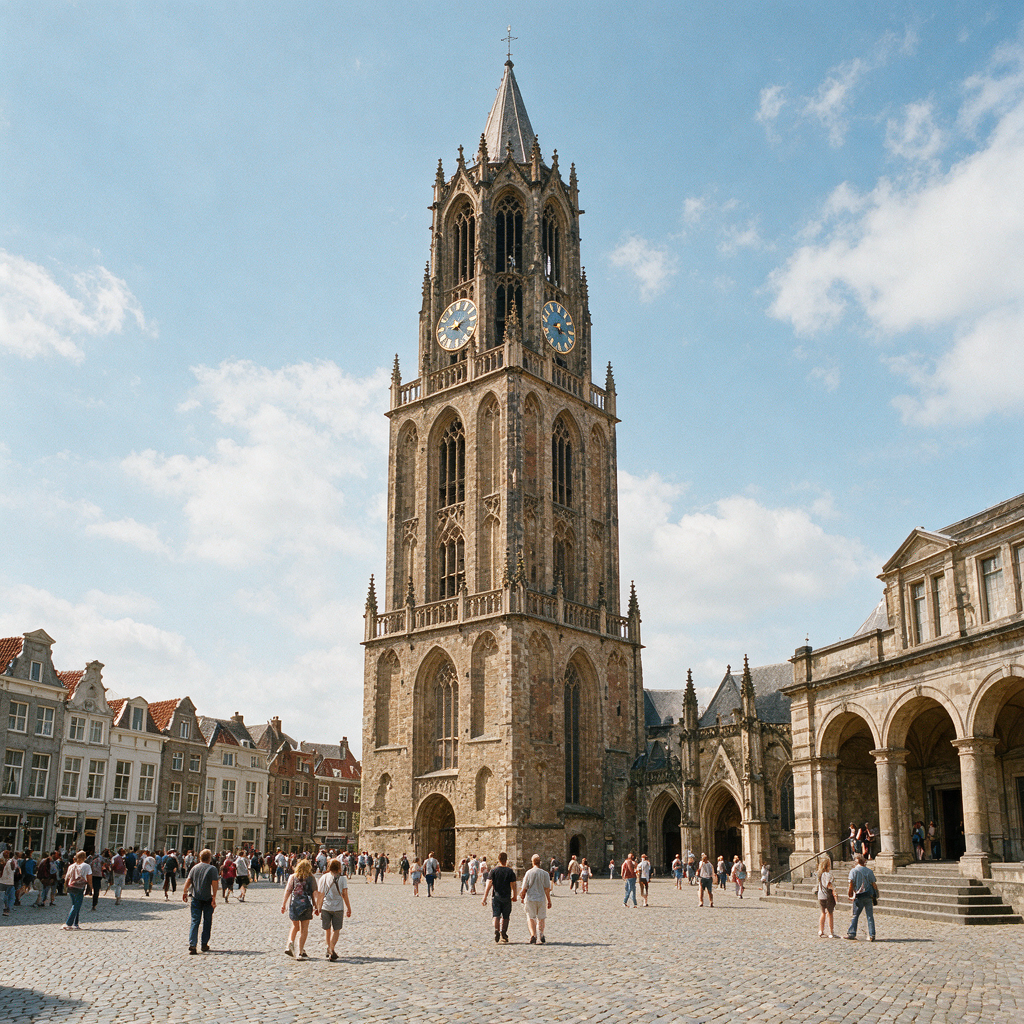
Domplein & Dom Tower (Exterior)
The Dom Tower is the tallest church tower in the Netherlands at 112 metres, and climbing to the top costs €15. But the tower and its surroundings — Domplein square, the Dom Church nave ruins (the nave collapsed in a storm in 1674 and was never rebuilt, leaving a gap between the tower and the church), the medieval courtyard of the Pandhof garden attached to the church — are free to look at and walk around. The Pandhof garden in particular is a calm medieval cloister garden, open on weekdays, free of charge.
University Quarter
Utrecht’s university was founded in 1636 and its buildings span the city centre. The Academy Building on Domplein, the university botanical garden (De Uithof campus — free on certain days, check before going), and the university museum are worth knowing about. The general feel of the student quarter — concentrated around Janskerkhof, Drift, and Nieuwegracht — makes for a pleasant walk without much purpose or expenditure.
Free Day Trips & Countryside
Zaanse Schans: The Outside View
The Zaanse Schans windmill village near Zaandam is technically free to enter — the village itself is a living neighbourhood with open paths. The individual attractions inside (windmill interiors, cheese farm, clog workshop) charge separately, but walking through the area and photographing the windmills, the green painted houses, and the river Zaan is entirely free. The train to Zaandijk-Zaanse Schans station is about €4 from Amsterdam, and the walk from the station to the windmills takes 10 minutes. Go early in the morning before the tour buses arrive.
Keukenhof Area Bulb Fields
Keukenhof garden itself charges €22.50 entry, but the tulip and hyacinth bulb fields surrounding the garden — stretching across the Bollenstreek region between Haarlem and Leiden — are simply agricultural land visible from the road. In late March and April, cycling or driving through this area (the N207, the road between Lisse and Hillegom, and the smaller farm roads branching off it) gives you the Dutch flower landscape without a ticket. Rent a bike in Haarlem and cycle south through the bulb fields — this takes you through the same scenery as Keukenhof but at a different scale and completely free.
Giethoorn: The Towpaths
Giethoorn has become well-known for its car-free canal village, and while renting a whisper boat costs €12–20 per hour, the towpaths alongside the canals are public and free. You can walk the entire village — past thatched houses, over arched bridges, along the reed-fringed water — without spending anything. The southern part of the village (towards De Wieden nature reserve) is less visited and has longer stretches of quiet path. A bus from Steenwijk connects to Giethoorn (bus 70); the bus fare is the only cost for a free walking afternoon here.
Haarlem Centre Walk
Haarlem is 15 minutes by train from Amsterdam (€4.60) and has a medieval centre that rivals Amsterdam’s without the crowds. The Grote Markt (main square) with the Grote Kerk (St. Bavo’s Church) is free to walk around; the church charges entry but the market square doesn’t. The Frans Hals Museum charges entry; the city’s streets, architecture, and canal network don’t. The Saturday market on Grote Markt is one of the better street markets in the region — flowers, cheese, fresh produce — and free to wander.
Free Markets Across the Netherlands
Dutch market culture is strong and consistently free to browse. Key ones worth knowing:
Albert Cuyp Market, Amsterdam: Tuesday–Saturday, De Pijp. Best for street food, textiles, and the neighbourhood vibe. Waterlooplein Flea Market, Amsterdam: Daily, Monday–Saturday. The city’s historic flea market, good for secondhand finds and vintage. Noordermarkt, Amsterdam: Saturday for organic food, Monday morning for antiques. Blaak Market, Rotterdam: Tuesday and Saturday, near the Cube Houses. Mixed — produce, clothes, household goods. Markt, Haarlem: Saturday. Traditional Dutch market on the main square. Vismarkt, Utrecht: Wednesday and Saturday. Fish and produce market near the Oudegracht.
Parks & Nature: Free Everywhere
Dutch public green space policy is broadly excellent. Most parks have no entry fee and no restricted hours. Worth knowing beyond Vondelpark:
Hortus Botanicus, Amsterdam: One exception — charges entry (€9.50). But the Hortus garden exterior and the surrounding Plantage neighbourhood are free to walk. Keukenhof surroundings: As covered above. De Wieden National Park: The nature reserve adjoining Giethoorn is free to access on foot and bicycle, with marked trails. Nationaal Park Duinen van Texel: If you’re visiting the Wadden island of Texel, the dune nature reserve is free to enter — the ferry to Texel is not, but the park itself charges nothing. Amsterdam Bos: A large forest park on Amsterdam’s southern edge, 1,000 hectares, free and open. Reachable by bus 166 from Amsterdam city centre.
Tips for Keeping Costs Down in the Netherlands
Albert Heijn supermarkets: The best option for picnic supplies — Dutch bread, cheese, fruit, stroopwafels, sparkling water. The ready-meal section has reasonable salads and sandwiches for €2–4. This matters more in Amsterdam, where restaurant prices average €25–40 per person for dinner, than anywhere else on this list. Free museums on certain days: Some municipal museums in Amsterdam (such as the Amsterdam Museum) have free entry on specific days or for specific demographics. Check before you visit. Water from taps: Dutch tap water is excellent and entirely safe to drink. Carry a refillable bottle — water in restaurants and cafés often isn’t free. Cycling vs transport: For Amsterdam specifically, renting a bike (€12–15/day) often works out cheaper than several tram journeys and gives you more freedom. Public drinking water points: Amsterdam has several public water fountains (Drinkwater) near major squares.
Frequently Asked Questions
Are there free museums in Amsterdam?
Most major Amsterdam museums charge entry — Rijksmuseum (€22.50), Van Gogh Museum (€25), Anne Frank House (€16). The Amsterdam City Archives (Stadsarchief) on Vijzelstraat has free public exhibitions. The Schuttersgalerij (Civic Guard Gallery) connecting the Amsterdam Museum complex to the Begijnhof is free. Some smaller galleries and cultural institutions have free entry on specific days — check individual museum websites for free admission dates.
Is Vondelpark worth visiting?
Yes, if you enjoy parks and people-watching. It’s not a formal garden — more a large, informal city park where Amsterdam residents actually spend time. In summer, the open-air theatre has free performances. Outside summer, it’s a good park: trees, ponds, cycling paths, coffee kiosks. Worth an hour or two as part of the museum quarter visit, since it’s next to the Van Gogh Museum.
Can I see the Dutch windmills for free?
Zaanse Schans is free to enter and walk through. The windmills themselves can be viewed from the outside for free; most charge a small entry fee (€3–5) to go inside. For a completely free experience, take the train to Zaandijk-Zaanse Schans and walk through the village — the exterior views are the main attraction anyway. The bulb fields between Haarlem and Leiden are also free when in bloom (late March–early May), and make for a comparable natural landscape experience.
Is the Begijnhof really free?
Yes. The Begijnhof is a private courtyard that happens to be open to visitors at no charge. Standard visiting hours are approximately 10am–5pm daily. There is occasionally a donation box at the entrance. It’s genuinely one of Amsterdam’s better free experiences — the contrast between the medieval enclosed garden and the busy city streets immediately outside is striking.
Is Giethoorn expensive to visit?
Getting to Giethoorn costs money (train to Steenwijk, then bus) — roughly €22–30 return from Amsterdam, including the bus. Once there, walking the towpaths and village is free. Renting a whisper boat (the main experience) costs €12–20/hour. Having a meal at one of the village restaurants costs €25–40 per person. It’s possible to have a good half-day in Giethoorn spending only transport costs — the walking is genuinely lovely — but if you skip the boat, you’re missing the thing most people come for.
What’s free in Rotterdam?
Rotterdam’s best free experiences are architectural and outdoor: the Erasmus Bridge walk, Cube Houses exterior, Delfshaven neighbourhood, and the city’s street art circuit. The Fenix Food Factory in Katendrecht is free to browse (buy food and drinks if you want). Rotterdam also has free harbour-view spots: the Euromast has an admission fee, but the waterfront promenade along the Maas from Erasmusbrug southward is free and has substantial views of the port and Erasmus Bridge.
The Netherlands on a Tighter Budget
The Netherlands doesn’t have to be expensive. What it has — the canals, the architecture, the parks, the market culture, the cycling infrastructure — is largely outdoors and public. The museums, boat tours, and formal experiences cost money, and some of them are genuinely worth it. But a day in Amsterdam that involves Vondelpark in the morning, the Jordaan in the afternoon, Albert Cuyp Market for lunch, and a canal-side café in the evening will cost roughly what you eat and drink. That’s not a consolation trip. That’s a good day.
If you’d like a Netherlands itinerary that balances the free and the paid well — hotels in the right locations, experiences that are worth their price, and an efficient route between destinations — Get Tripped’s Netherlands packages can be built around your budget and preferences. Explore Netherlands tour packages from India and tell us what you’re after.