Netherlands Public Transit Guide for Indian Travelers: Trains, Trams, Buses & Bikes
Getting around the Netherlands on public transport is one of the more enjoyable parts of a Dutch trip — not because it’s exciting, but because it actually works. Trains run on time. Trams don’t get stuck in traffic. The OV-chipkaart (the Dutch equivalent of London’s Oyster card) works on every mode of transport in the country. And when the roads are icy or the trains aren’t running, the Dutch simply get on their bikes — 23 million bicycles for 17 million people. This guide covers everything Indian travelers need to know to navigate the Netherlands on public transport, from Schiphol airport to Giethoorn’s car-free canal paths.
Table of Contents
- The OV-Chipkaart: The Essential Card
- NS Trains: Getting Between Cities
- Amsterdam: Tram, Metro & Bus
- Rotterdam: Metro & Waterbus
- Utrecht: Cycling the City
- Schiphol Airport Connections
- Cycling in the Netherlands
- Day Trips by Public Transport
- Essential Apps & Booking
- FAQs
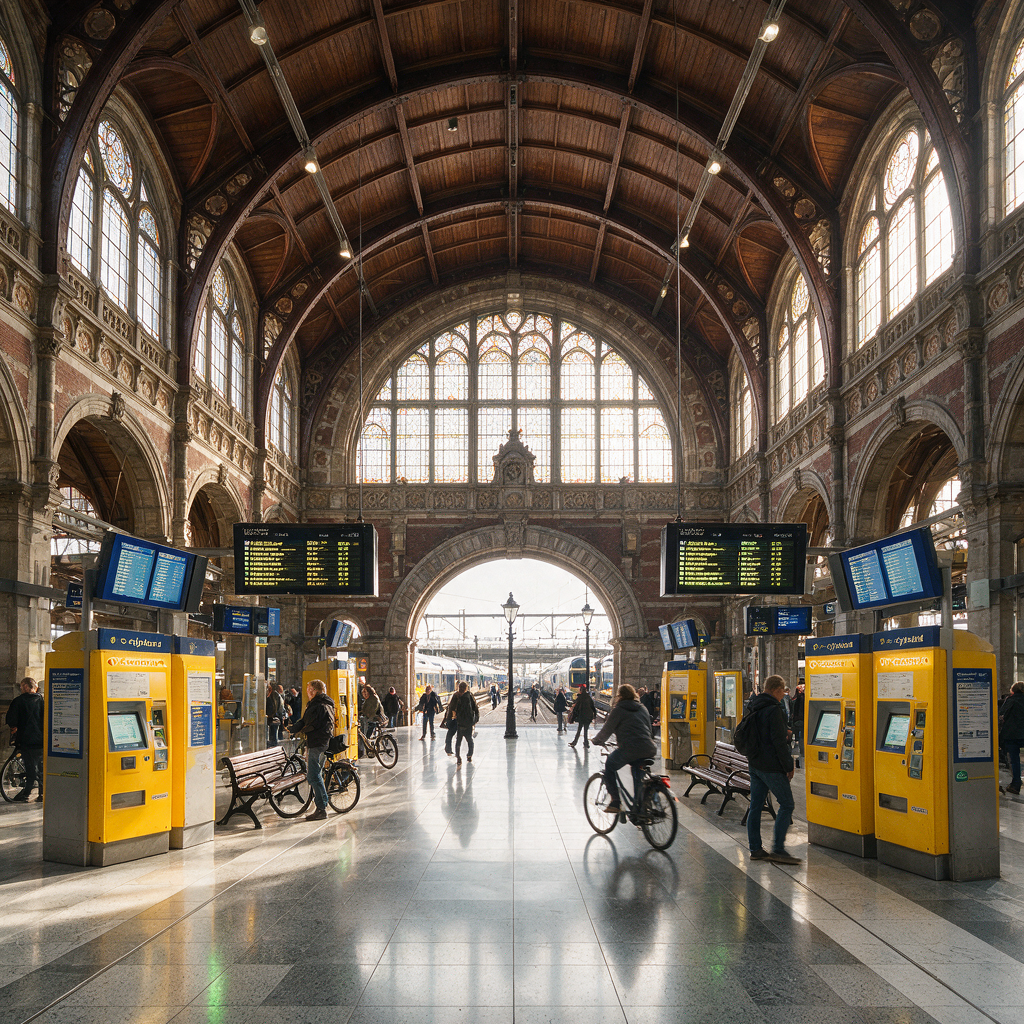
The OV-Chipkaart: The Essential Card
The OV-chipkaart is the unified public transport card for the Netherlands. One card works on NS trains, Amsterdam trams, Rotterdam metro, Utrecht buses, and intercity buses across the country. You check in when you board and check out when you exit — skip either step and you’ll be charged the maximum fare, which is a real but easily avoidable problem.
There are two versions. The anonymous OV-chipkaart (blue card) costs €7.50 at any NS ticket machine and can be loaded with credit immediately. This is what most short-stay visitors use. The personal OV-chipkaart (yellow card) is tied to your identity and allows subscriptions and discounts, but requires registration and is only useful if you’re staying several weeks.
Buy the anonymous card at Schiphol when you land — NS ticket machines in the airport accept credit cards and take about 3 minutes to operate. Load €20–30 for a week’s worth of travel in and between cities. Top up at any NS ticket machine, or at Albert Heijn supermarkets (look for the OV-chipkaart logo at the checkout).
Key rule: You need a minimum balance of €10 on the card to travel by NS train intercity. If your card drops below €10, you can still use local trams and buses but the train check-in will be declined. The machine will tell you. Keep the balance above €15 to be safe.
Alternatively, the NS app lets you buy train tickets on your phone (credit card accepted) and generate a QR code instead of using the chipkaart. For train-only travel, this is simpler. For trams and local buses, you still need either the physical card or a separate local transit app.
NS Trains: Getting Between Cities
NS (Nederlandse Spoorwegen) runs the Netherlands’ national rail network. Key intercity journey times from Amsterdam Centraal:
Amsterdam to Rotterdam: 40 minutes (€17.20 one-way, standard class)
Amsterdam to Utrecht: 30 minutes (€7.60)
Amsterdam to Haarlem: 15 minutes (€4.60)
Amsterdam to Leiden: 35 minutes (€9.20)
Utrecht to Rotterdam: 40 minutes (€9.40)
Steenwijk (nearest station to Giethoorn): 85 minutes from Amsterdam with one change (€22)
Prices above are peak single fares. The NS app and website also sell day returns (dagretour) at roughly 1.6x the single fare, which is cheaper than two singles if you’re returning the same day. Buy tickets in advance on the NS app for the standard fare; tickets bought from the conductor on board cost €2 extra.
First class (eerste klas) is typically €3–8 more per journey and offers guaranteed seats, quieter carriages, and free WiFi. The carriages are usually less crowded but not dramatically different in quality from second class.
Trains in the Netherlands are punctual — delays of more than 5 minutes are genuinely notable. If your train is cancelled or delayed by 30+ minutes, you’re entitled to a refund. The NS app shows real-time delay information and can reroute you automatically.
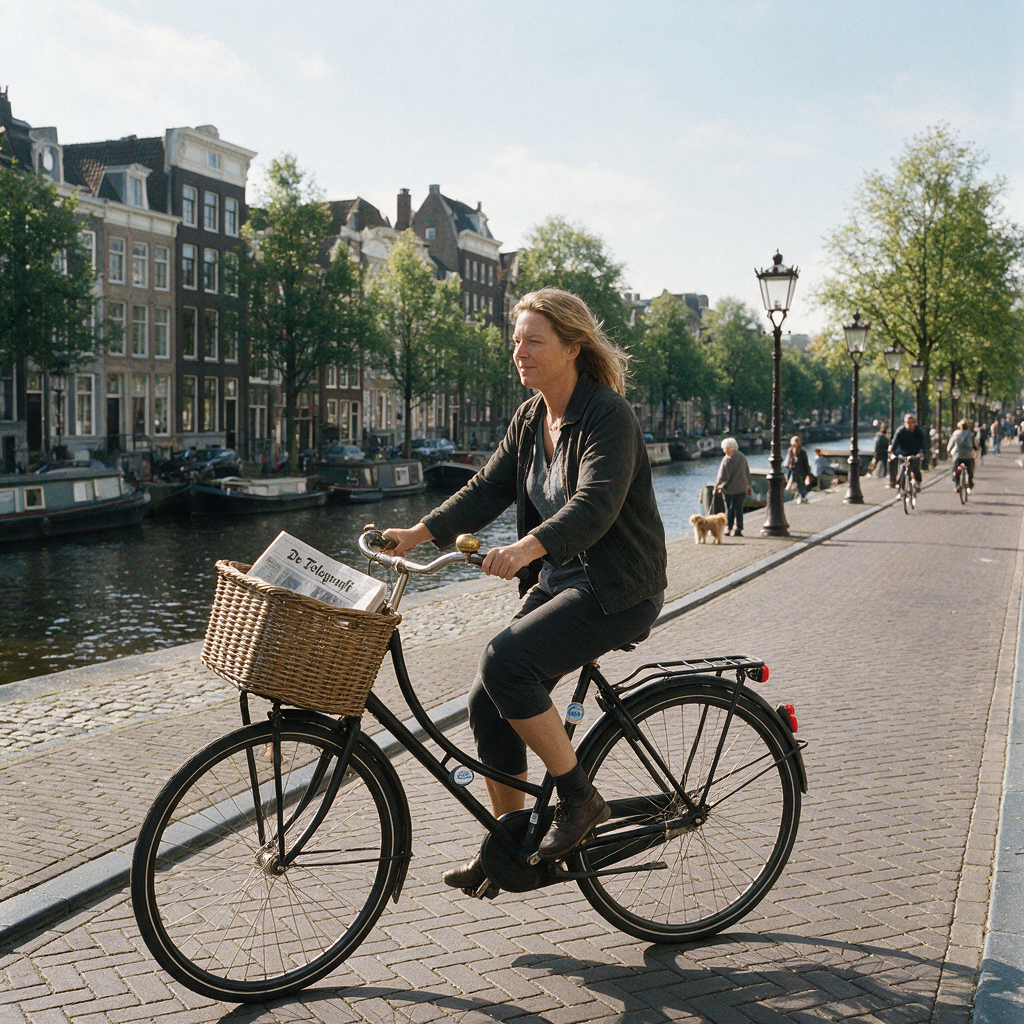
Amsterdam: Tram, Metro & Bus
Within Amsterdam, the GVB network runs trams, metro lines, and buses. The tram is the primary way to get around central Amsterdam — the network covers the Canal Ring, Museum Quarter, De Pijp, and Jordaan comprehensively. Key tram lines for visitors:
Tram 2: Central Station to Museumplein (Rijksmuseum, Van Gogh Museum)
Tram 1, 7, or 19: Central Station to Leidseplein
Tram 14: Central Station to De Pijp (Albert Cuyp Market)
The GVB metro (metro) runs primarily to districts outside the city centre and is less useful for standard tourist destinations. North-South metro line (opened 2018) connects Central Station to De Pijp and Amsterdam Zuid — relevant if your hotel is in those areas.
The GVB app (separate from the NS app) covers Amsterdam’s local network. The OV-chipkaart works on all GVB trams and metro.
A 24-hour GVB day ticket (€9.50) gives unlimited tram, metro, and bus travel within Amsterdam for a calendar day. If you’re making more than 4–5 tram journeys in a day, it’s better value than paying per trip. Buy at any GVB service desk or ticket machine at Central Station.
Free ferries cross the IJ waterway to Amsterdam Noord — useful if you want to visit the NDSM wharf (street art, food markets) or EYE Film Institute. The Buiksloterweg ferry departs from behind Amsterdam Centraal every few minutes and takes 4 minutes. Free of charge; OV-chipkaart not required.
Rotterdam: Metro & Waterbus
Rotterdam’s metro (RET) is more extensive than Amsterdam’s and more useful for getting around the city. The Erasmuslijn connects Rotterdam Centraal to De Kuip stadium in the south; the Calandlijn covers the western harbour district. For visitors, the metro connects the main train station to Blaak (Markthal, Cube Houses), Leuvehaven (Fenix Food Factory direction), and Erasmus Bridge.
Rotterdam also has a Waterbus service along the Maas river, connecting Rotterdam Erasmusbrug to Dordrecht and other riverside stops. Single journey €4, day ticket €10. A scenic alternative to metro for reaching Katendrecht (Fenix Food Factory) from central Rotterdam.
The OV-chipkaart works on all Rotterdam metro, tram, and bus services.
Utrecht: Cycling the City
Utrecht’s compact city centre is best covered on foot or by bicycle. The main train station (Utrecht Centraal) is surrounded by a massive bike park — 12,500 spaces in the Stationsplein underground bicycle storage. All the main sights (Dom Tower, Oudegracht, university buildings) are within 15 minutes on foot from the station.
Local buses in Utrecht work on the OV-chipkaart but are rarely necessary for visitors staying in the city centre. The U-OV bus network operates routes to surrounding villages and can reach destinations like Bunnik or Houten, which have their own cycling routes back to the city.
Schiphol Airport Connections
Amsterdam Schiphol is one of Europe’s best-connected airports for onward rail travel. The station is underground within the terminal — no bus transfer needed.
Amsterdam Centraal: 15 minutes, every 10 minutes, €5.70 (or OV-chipkaart deduction)
Rotterdam Centraal: 25 minutes direct on Intercity Direct (€21.30 including supplement) or 50 minutes on standard Intercity (€15.90, one change)
Utrecht Centraal: 40 minutes direct, €12.90
The Hague (Den Haag Centraal): 25 minutes, €10.60
The OV-chipkaart works at Schiphol station. If you arrive late at night (trains run until after midnight, first trains from 5am), there are night buses from the airport to Amsterdam as well.
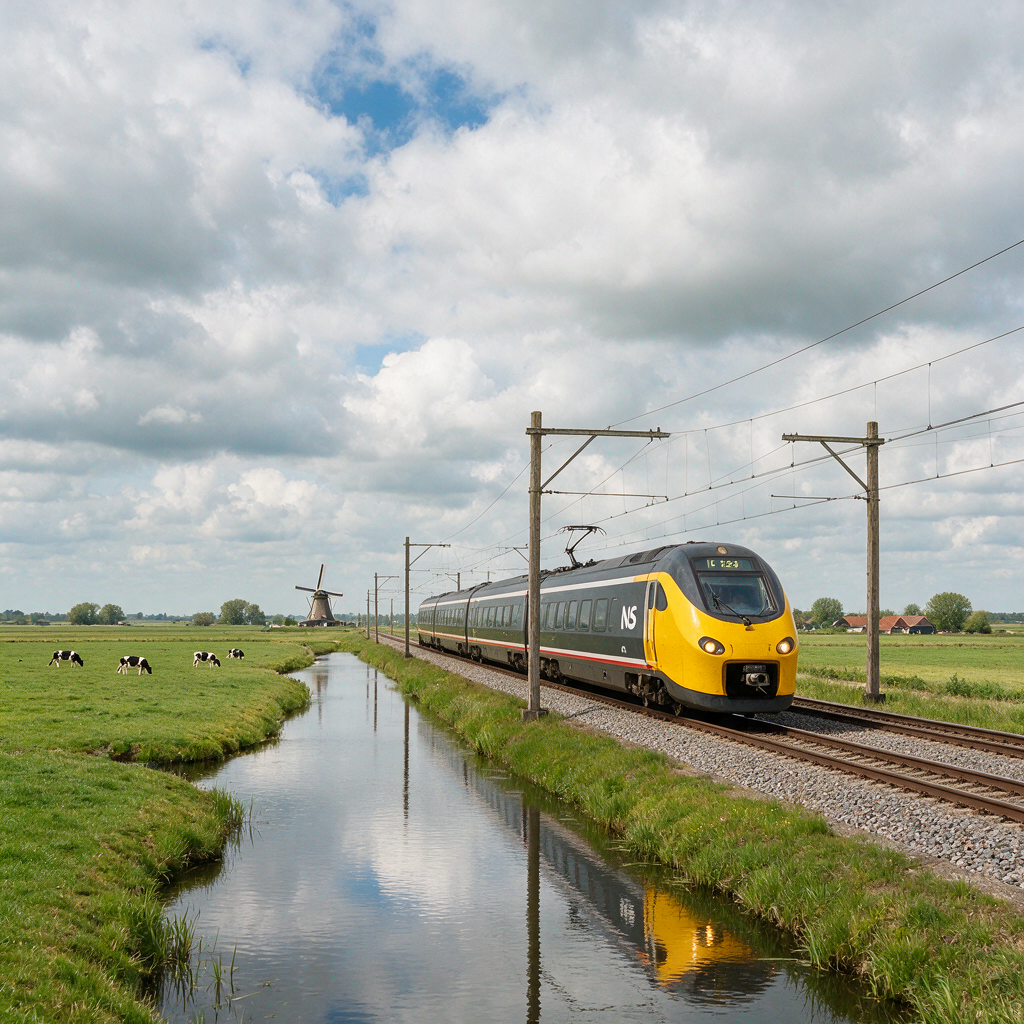
Cycling in the Netherlands
The Dutch cycling infrastructure is genuinely extraordinary — separated bike lanes on nearly every road, traffic signals timed for cyclists, bike parking at every train station. Visiting on a bicycle, even for half a day, gives you a completely different experience of the country.
Renting in Amsterdam: MacBike has 5 rental locations near major tourist areas; rental starts at €15/day for a standard city bike. Rent a Bike Amsterdam near Vondelpark is slightly cheaper (€12/day). Avoid expensive tourist bikes and get the standard Dutch “omafiets” (grandmother bike) — an upright, heavy, pedal-braked bike that’s exactly what locals use and is much easier to navigate with than a geared touring bike on flat Dutch roads.
Rules to know: Cycle on the right side of the road. Stay in the bike lane (fietspad) — cycling on the pavement is technically illegal and genuinely dangerous given how fast Amsterdam cyclists move. Pedestrians should never walk in bike lanes, which are usually red-coloured or marked with a bicycle symbol. Watch for tram tracks — wheels catch in the gaps and can send you over the handlebars. Check out at traffic lights marked with a bicycle signal, which operates on shorter cycles than car signals.
OV-fiets: If you have a personal OV-chipkaart and Dutch bank account, the OV-fiets scheme rents white bicycles from train station bike parks across the country for €4.75/24 hours. This is designed for commuters doing the last mile from a train station and isn’t accessible to tourists without Dutch bank accounts — but worth knowing about for longer stays.
Day Trips by Public Transport
Zaanse Schans from Amsterdam: Intercity train to Zaandijk-Zaanse Schans (20 minutes, €4) — the station is a 10-minute walk from the windmills. Trains run every 30 minutes.
Keukenhof from Amsterdam: Train to Leiden Centraal (35 minutes, €9.20), then bus 858 to Keukenhof (30 minutes, bus and ticket combo available at Leiden station). Alternatively, direct shuttle buses from Amsterdam Centraal operate during the Keukenhof season (late March–mid May, €20 return including garden entry).
Giethoorn from Amsterdam: Train to Steenwijk (85 minutes with one change, usually at Zwolle), then bus 70 or taxi to Giethoorn (20 minutes). Total journey ~2 hours. Return the same way. Plan for a 6-hour day trip minimum.
Volendam & Marken from Amsterdam: Bus 316 from Amsterdam Centraal to Volendam (45 minutes, €5.50). Ferries run between Volendam and Marken from April to October. The OV-chipkaart works on this bus.
Essential Apps & Booking
NS app: Buy train tickets, view live departure boards, check real-time platform information. Available in English. Download before you land — you’ll use it constantly.
9292 app: The Netherlands’ multi-modal trip planner. Enter any origin and destination and it shows train + tram + bus combinations with real-time delays. More comprehensive than Google Maps for Dutch public transport.
GVB app: Amsterdam-specific tram, bus, and metro journey planner. Less essential if you have 9292, but useful for checking Amsterdam day ticket prices.
NS International: For booking Thalys or Eurostar connections to Paris, London or Brussels from Amsterdam. Separate from the domestic NS app.
Frequently Asked Questions
Do I need to book train tickets in advance in the Netherlands?
Not usually for domestic travel — you can buy on the day from ticket machines or the NS app. During peak summer weekends, trains can be crowded but rarely fully booked. The exception is the Intercity Direct Amsterdam–Rotterdam service, which has seat reservations available (optional) for €2.50.
Can I use my Indian credit card at Dutch ticket machines?
Yes. NS ticket machines accept Visa and Mastercard. Contactless payments also work. Some older machines at smaller stations accept cash only — note that Dutch machines dispense change in coins, so avoid large-denomination notes.
Is Uber available in the Netherlands?
Yes, Uber operates in Amsterdam and Rotterdam. Taxis are also available but Dutch taxis are expensive by Indian standards — a 15-minute ride in Amsterdam typically costs €20–30. Public transport is almost always faster and cheaper in city centres.
Can I take a bicycle on NS trains?
Yes, outside rush hour (6:30–9am and 4–6:30pm on weekdays). A day ticket for bicycle carriage costs €6.50. Folding bikes travel free. OV-fiets rental bikes cannot be taken on trains.
How do I get from Schiphol to my hotel if I arrive late at night?
NS trains run until after 1am and restart from 5am. After the last train, night buses (Nachtbus) operate from Schiphol to Amsterdam on routes N97 and N99. Taxis from Schiphol to Amsterdam centre cost €35–50 at night.
Is public transport in the Netherlands expensive?
Compared to India, yes. Compared to other Western European countries, it’s typical. A week of trains + trams, covering all the destinations in a standard 8-day itinerary, costs roughly €60–80 per person. A Museumkaart (€69.95) covers museums; there’s no equivalent rail pass that covers all Dutch transport cheaply for short stays.
Getting Around the Netherlands With Confidence
The Dutch transit system rewards travelers who embrace it. The OV-chipkaart is genuinely the only thing you need — one card, every mode of transport, every city. The 9292 app handles route planning. And when trains don’t quite cover the last mile, there’s almost always a bus, a waterbus, or a rental bike.
If you’d prefer a Netherlands trip where the logistics are already sorted — hotels near transit, day trips booked and routed, no standing at ticket machines figuring out Dutch — Get Tripped’s Netherlands packages handle that so you can spend your time actually seeing the country. Explore Netherlands tour packages from India and we’ll take care of the planning.