Singapore has one of the easiest vegetarian and vegan scenes in Southeast Asia, largely thanks to its Indian and Buddhist Chinese communities, both of which have deep, genuinely old traditions of meat-free cooking that go well beyond “salad and fried rice.” That said, not every part of the city is equally well stocked — Little India and Chinatown will spoil you, while a beach day on Sentosa takes a little more planning. This guide goes area by area through the six zones most Singapore itineraries actually spend time in, with specific restaurant names, not just “look for the green leaf symbol” advice.
Table of Contents
- A quick note on Little India, the city’s veg stronghold
- Marina Bay
- Gardens by the Bay
- Sentosa Island
- Orchard Road
- Clarke Quay
- Jewel Changi Airport
- How to read menus and ask the right questions
- FAQs
A quick note on Little India, the city’s veg stronghold
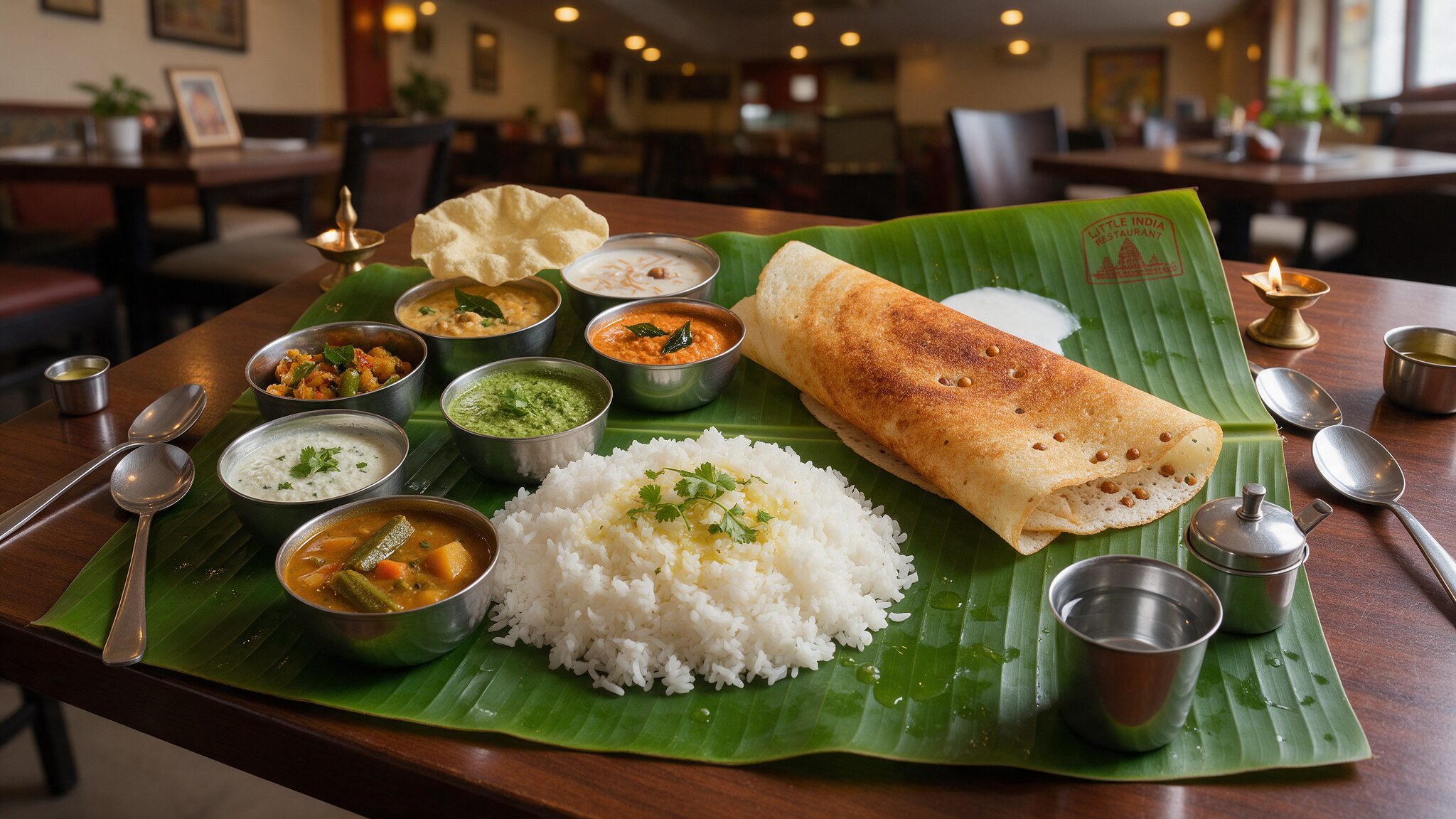
Technically not one of our six core areas, but if vegetarian or vegan food matters to your trip, build in a dedicated visit here regardless of your main itinerary — it’s that good. Ananda Bhavan, running since the 1920s under various names, serves South and North Indian vegetarian food including an excellent mock-meat Mysore dish that mimics mutton convincingly enough to surprise you. Komala Vilas on Serangoon Road has been a pure vegetarian institution since 1947, known for its chappathi meal sets and ghee masala dosai. Both are proper sit-down meals, not snack stops, and either makes a satisfying full lunch for under SGD 15 per person.
Marina Bay
Marina Bay’s dining skews toward fine dining and hotel restaurants rather than dedicated vegetarian spots, so the honest approach here is different from the other areas: most upscale restaurants around the bay will do a vegetarian tasting menu if you call ahead, and it’s worth doing so rather than hoping to walk in and find a plant-based menu on the spot. For something more casual, the Indian and Southeast Asian stalls inside Lau Pa Sat include vegetable biryani and vegetarian thosai options that make a perfectly good meal if you’re not after a sit-down experience. We’d rate Marina Bay as the area on this list where you need to plan slightly ahead rather than wing it.
Gardens by the Bay
Satay by the Bay, the food court within the gardens, has at least one stall doing vegetarian noodle and rice dishes alongside its mostly meat-forward lineup — ask the stall directly rather than assuming from the menu board, since vegetarian items aren’t always the ones displayed most prominently. If you want a proper sit-down vegetarian-friendly meal with a view, Pollen, the restaurant inside the Flower Dome, lists vegetarian options on its à la carte menu and is worth the splurge for a special occasion lunch surrounded by the conservatory’s flowers.
Sentosa Island
This is the area where we’d set realistic expectations: Sentosa’s food scene is built around beach clubs and seafood, and dedicated vegetarian or vegan restaurants are thin on the ground. Trapizza at Siloso Beach does solid Mediterranean-style pizzas with a proper vegetarian option, including a good margherita and a vegetable-topped version, and it’s reliably one of the easiest non-meat meals on the island. Beyond that, your best bet is asking any of the beach grill restaurants to swap proteins for grilled vegetables or tofu — most kitchens here are used to the request even if it’s not printed on the menu, since Sentosa sees a huge range of international visitors daily.
Orchard Road
Orchard swings back to easy. Real Food, a long-running vegetarian restaurant inside Orchard Central, does a full menu of vegetarian and vegan Asian fusion dishes, including good mock-meat versions of local favourites, and makes a great lunch stop between shopping. Joie Restaurant by DOZO, also in Orchard Central, is a solid second option with a broader international vegetarian menu if Real Food’s queue is long. Both are inside the same mall, so you can decide on the spot rather than committing in advance.
Clarke Quay
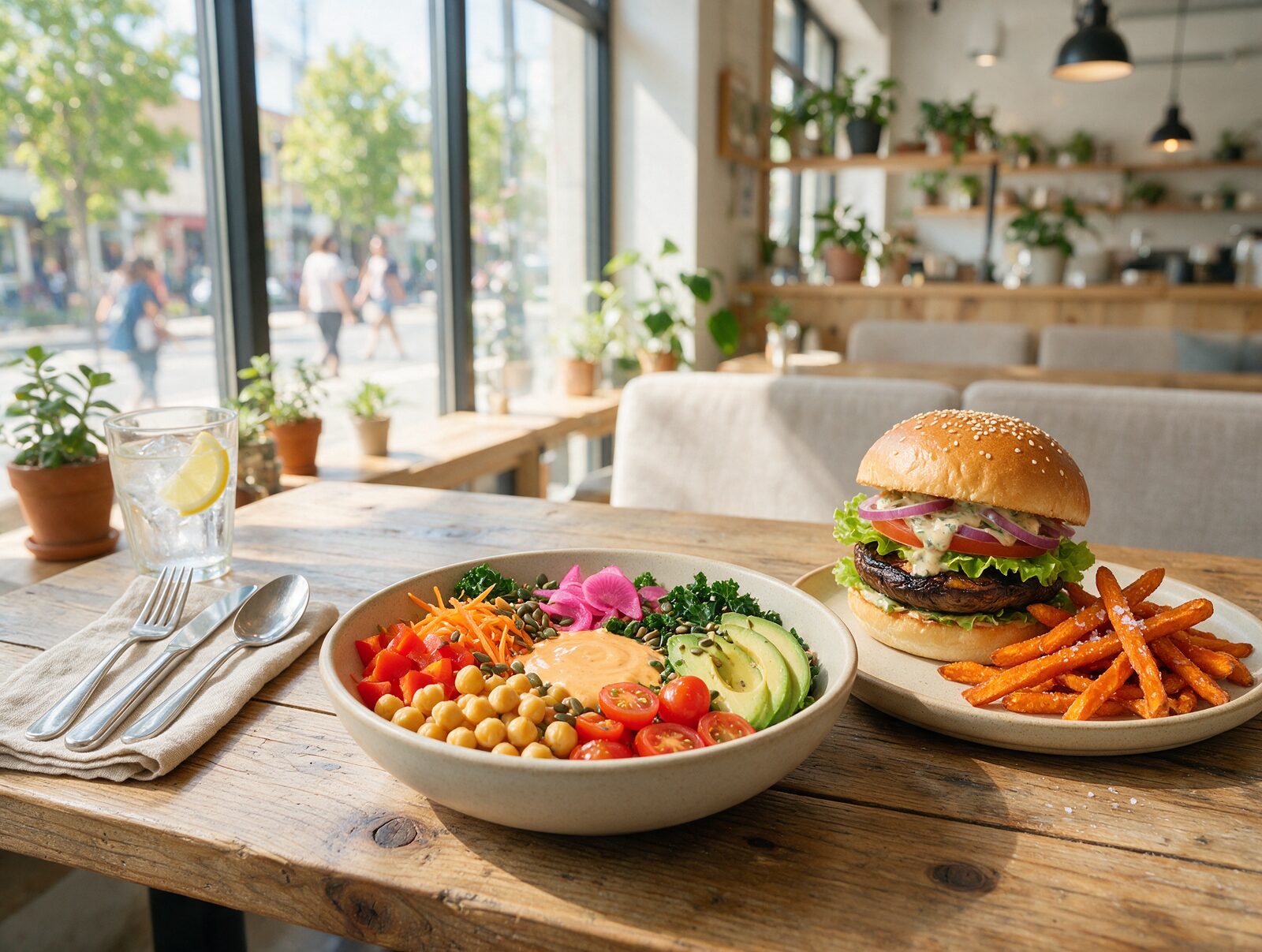
nomVnom, a vegan burger and comfort-food spot with a branch right in Clarke Quay’s central strip, is the easy pick here — proper vegan burgers, loaded fries, and milkshakes that don’t taste like a compromise. It fits the Clarke Quay evening-out mood well, so if your group has mixed dietary needs for a riverside dinner, it’s an easy consensus pick that doesn’t feel like you’re settling for the “vegetarian option” at a meat-focused restaurant.
Jewel Changi Airport
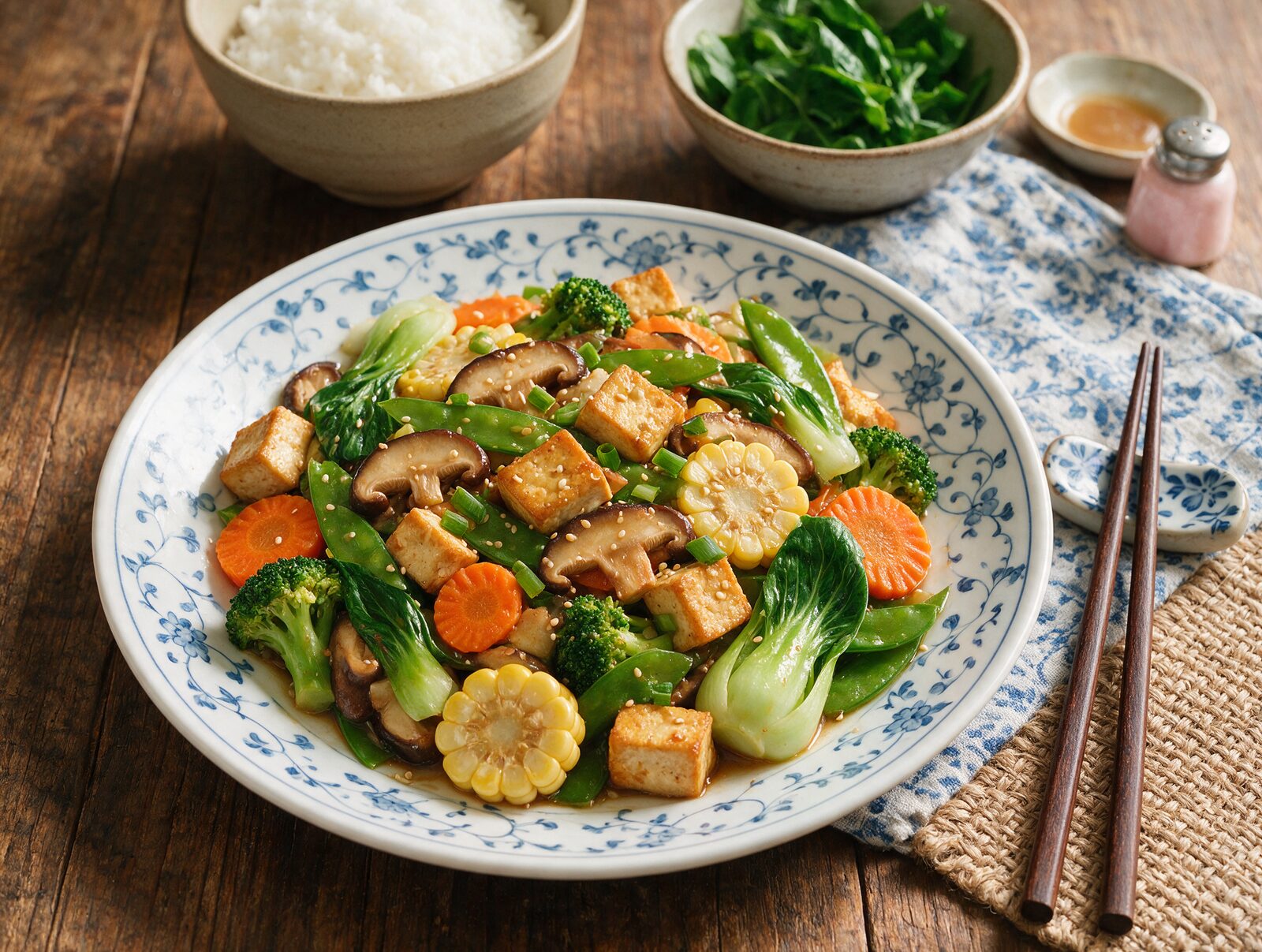
Jewel’s food hall has enough variety that you won’t struggle, even if it doesn’t have a single standout dedicated vegetarian restaurant the way Orchard does. Japanese and Korean chains in the mall typically have clearly marked vegetarian bibimbap or vegetable-tempura options, and a few of the Southeast Asian stalls do a reliable vegetable fried rice or noodle dish. It’s a fine last-meal-in-Singapore option if you’re vegetarian, just go in knowing you’re choosing from “has good options” rather than “built around this cuisine.”
Buddhist vegetarian food: a tradition worth seeking out deliberately
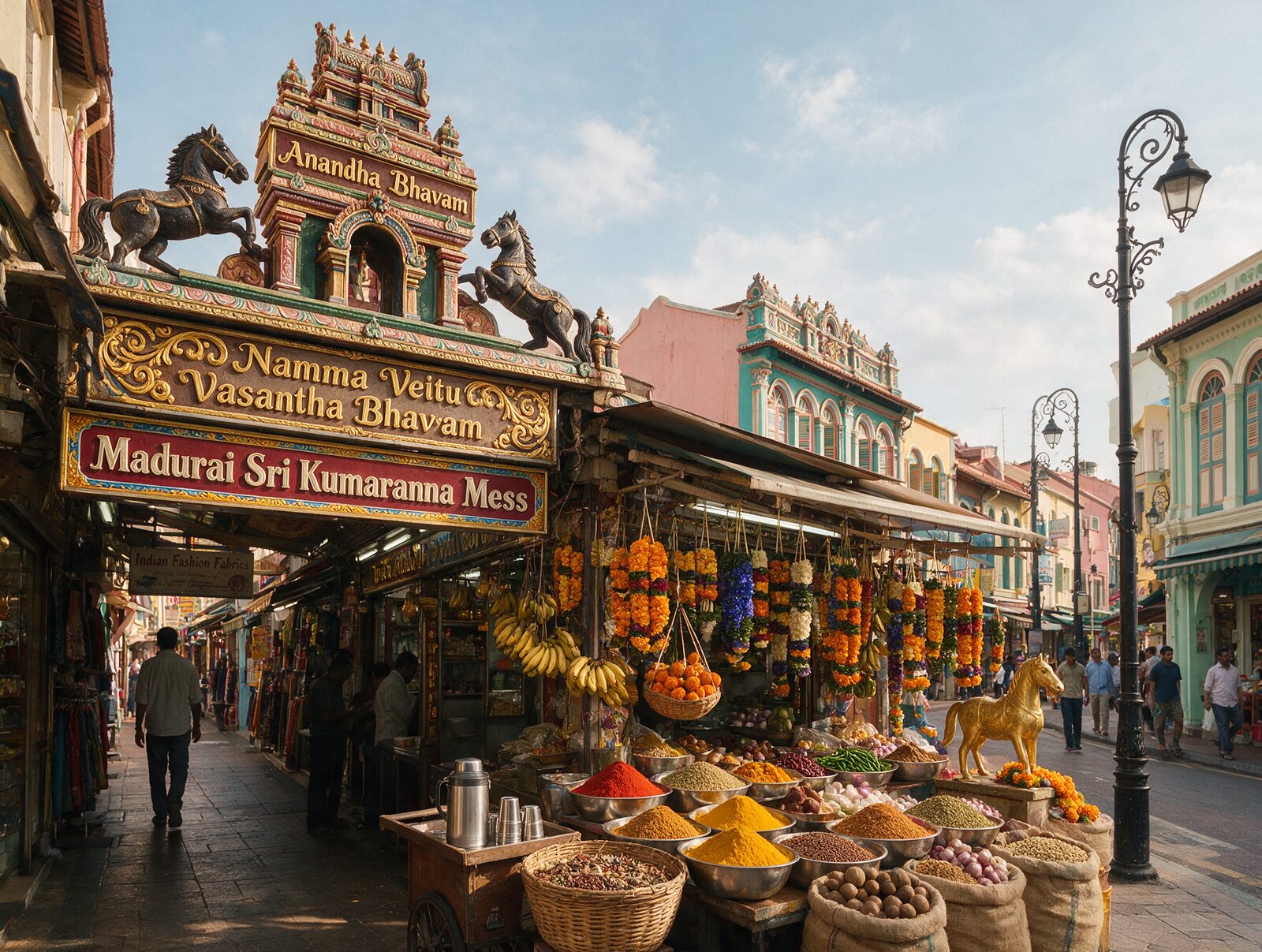
Beyond the Indian vegetarian scene, Singapore has a genuinely old Chinese Buddhist vegetarian tradition, built around temples and the communities around them, that produces some of the most convincing mock-meat cooking you’ll find anywhere. Yi Xin Vegetarian, in the Central area, is a good example — a no-frills restaurant doing Chinese vegetarian dishes, including mock “meat” versions of claypot and stir-fry classics, that taste far closer to the real thing than the description suggests. It’s not trying to be trendy or Instagram-friendly; it’s simply continuing a style of cooking that’s been refined for decades, and that shows in the result. If you’re curious about the history behind it, it traces back to Buddhist dietary precepts that predate the modern plant-based movement by a very long way, which is a fun fact worth knowing next time someone calls “mock meat” a recent trend.
Vegan desserts, drinks, and grocery options
Ice kachang and chendol, Singapore’s two most iconic cold desserts, are naturally plant-based in their traditional form (double-check if a specific stall adds evaporated milk, since some modern versions do), so they’re safe defaults when you want something sweet after a hawker meal. For coffee, ask for your kopi “si kosong” or simply request oat or soy milk — most modern cafes in Orchard and Clarke Quay now stock a plant-based milk option, though the old-school kopitiams generally won’t, so budget your expectations accordingly by location. If you’re self-catering even partially, Singapore’s supermarkets (Cold Storage and FairPrice are the two biggest chains) carry a solid range of plant-based packaged goods, Beyond Meat and Impossible products included, at prices only slightly higher than in Indian metro supermarkets.
A note for strict vegans traveling with non-vegan family
One pattern we see often with Get Tripped families: one or two vegetarian or vegan travelers in a group that otherwise eats everything. The good news is Singapore handles this gracefully almost everywhere — hawker centres in particular are built around everyone ordering something different and sharing a table, so a mixed group rarely needs to negotiate which restaurant to pick the way you might in a smaller town with fewer options. Clarke Quay and Orchard Road are your easiest compromise areas for exactly this reason; Sentosa and Marina Bay take slightly more coordination, which is worth flagging to whoever’s planning the day so nobody ends up hungry and frustrated an hour into a beach afternoon.
How to read menus and ask the right questions
Singapore’s food labelling isn’t always as clear as Western vegetarian/vegan symbols suggest — “vegetarian” dishes at some Chinese stalls can still involve fish sauce, oyster sauce, or stock made from meat, since the concept of strict vegetarianism maps more precisely onto Indian cuisine here than Chinese. If you’re vegan specifically, ask directly whether a dish contains egg or dairy rather than assuming a vegetarian label covers it — most stall owners are used to the question and will answer honestly rather than guess. A genuinely useful phrase to learn: asking for a dish “without belachan” (shrimp paste) at Malay or Peranakan stalls, since it sneaks into dishes that otherwise look entirely plant-based.
One honest caveat: don’t expect every hawker stall to have a vegetarian option just because the overall centre does. It’s the centre, not the individual stall, that gives you variety — walk the full length before committing to the first thing that looks promising.
Jain and stricter dietary requests
If you’re travelling Jain or avoiding onion and garlic as well as meat, Little India is still your most reliable base — several of the South Indian vegetarian restaurants there, Ananda Bhavan among them, are used to the request and can usually adjust specific dishes, though it’s worth calling ahead for a larger group rather than surprising the kitchen at peak lunch hour. Outside Little India, this gets genuinely harder; most hawker stalls cook in shared woks and won’t be able to guarantee a request this specific, so we’d steer strict Jain travelers toward building more meals around Little India and self-prepared or packaged options elsewhere, rather than assuming every stall can accommodate it. It’s one of the more honest caveats in this guide, and better to know before you land than to discover it hungry on day two.
Frequently Asked Questions
Is Singapore easy for vegetarians?
Yes, especially compared to much of Southeast Asia, largely because of the city’s strong South Indian and Buddhist Chinese food traditions. Little India and Orchard Road are the easiest areas; Sentosa requires a little more effort.
Is Singapore vegan-friendly?
Increasingly so — dedicated vegan spots like nomVnom and a growing list of plant-based cafes have opened in the past several years, though you’ll still want to double-check dairy and egg content at traditional stalls rather than assume.
Are hawker centres good for vegetarians?
Mixed — Indian and some Chinese Buddhist stalls at most hawker centres will have reliable vegetarian options, but you may need to walk the centre and check a few stalls rather than finding what you need at the first one.
What’s a good vegetarian dish to try in Singapore specifically?
Vegetarian thosai or a full South Indian thali in Little India is a genuinely great introduction, alongside Buddhist-style vegetarian “mock meat” dishes if you’re curious about the texture and flavour work that goes into them.
Do I need to worry about cross-contamination for strict vegetarians?
At dedicated vegetarian restaurants like Komala Vilas or Real Food, no — the kitchens are entirely meat-free. At mixed hawker stalls, it’s worth asking directly if that level of strictness matters to you.
Plan Around the Food, Not Just the Sights
If vegetarian or vegan dining is a priority rather than an afterthought on your trip, it’s worth telling your travel planner upfront so hotel and restaurant choices reflect that from day one, rather than scrambling area by area once you’ve landed. Get Tripped factors dietary needs into every custom Singapore itinerary we build. Browse our Singapore trips to start planning.