The mistake most first-time Austria travelers make with packing isn’t bringing the wrong clothes — it’s packing for one season when the trip actually crosses several microclimates in a single day. Vienna at street level and the Nordkette above Innsbruck can be 15–20 degrees Celsius apart at the same hour, and a Salzburg morning that starts overcast and cool can turn warm and sunny by early afternoon. This guide breaks packing down by season, with the layering logic that actually handles Austria’s range rather than a generic “bring a jacket” list.
Table of Contents
- The Layering Logic Behind This List
- Spring (March–May)
- Summer (June–August)
- Autumn (September–November)
- Winter (December–February)
- Footwear, Whatever the Season
- What Everyone Should Pack, Regardless of Season
- Mistakes We See Indian Travelers Make
- FAQs
The Layering Logic Behind This List
Austria’s weather is genuinely changeable, and altitude matters more than most travelers expect — Vienna sits at roughly 170 meters, while a cable car ride out of Innsbruck can put you at over 2,300 meters within twenty minutes. The fix isn’t packing for the coldest possible moment of the trip; it’s packing three thin layers you can add or shed rather than one thick one you’re stuck with. A base layer (moisture-wicking, not cotton, if you’re doing any real walking or hiking), a mid layer (a fleece or light sweater), and an outer shell (windproof, and water-resistant at minimum) covers almost every scenario this itinerary throws at you, in any season. A fun fact that explains a lot of this: Innsbruck’s own tourism board points out that the city sits at the meeting point of several alpine valleys, which is exactly why its microclimate shifts faster than Vienna’s flatter, more consistent city weather.
Spring (March–May)
Spring is genuinely one of the best times to visit — Schönbrunn’s gardens and Mirabell Gardens are in bloom, and the crowds are noticeably thinner than summer. Weather swings hard though: expect anywhere from 5°C to 18°C depending on the week and whether you’re in a city or up in the mountains around Innsbruck. Pack:
- A waterproof, packable jacket — spring rain showers are common and often arrive with little warning
- Layerable sweaters or light fleeces, at least two, since evenings stay cool even on a warm-feeling day
- Comfortable closed-toe walking shoes rather than sandals; cobblestones and occasional rain don’t mix well with open footwear
- A scarf, which does double duty as an extra warmth layer and works with the season’s cooler mornings even in shoulder months like May or September.
- Sunglasses — spring light in the Alps is bright even when the air temperature says otherwise
Summer (June–August)
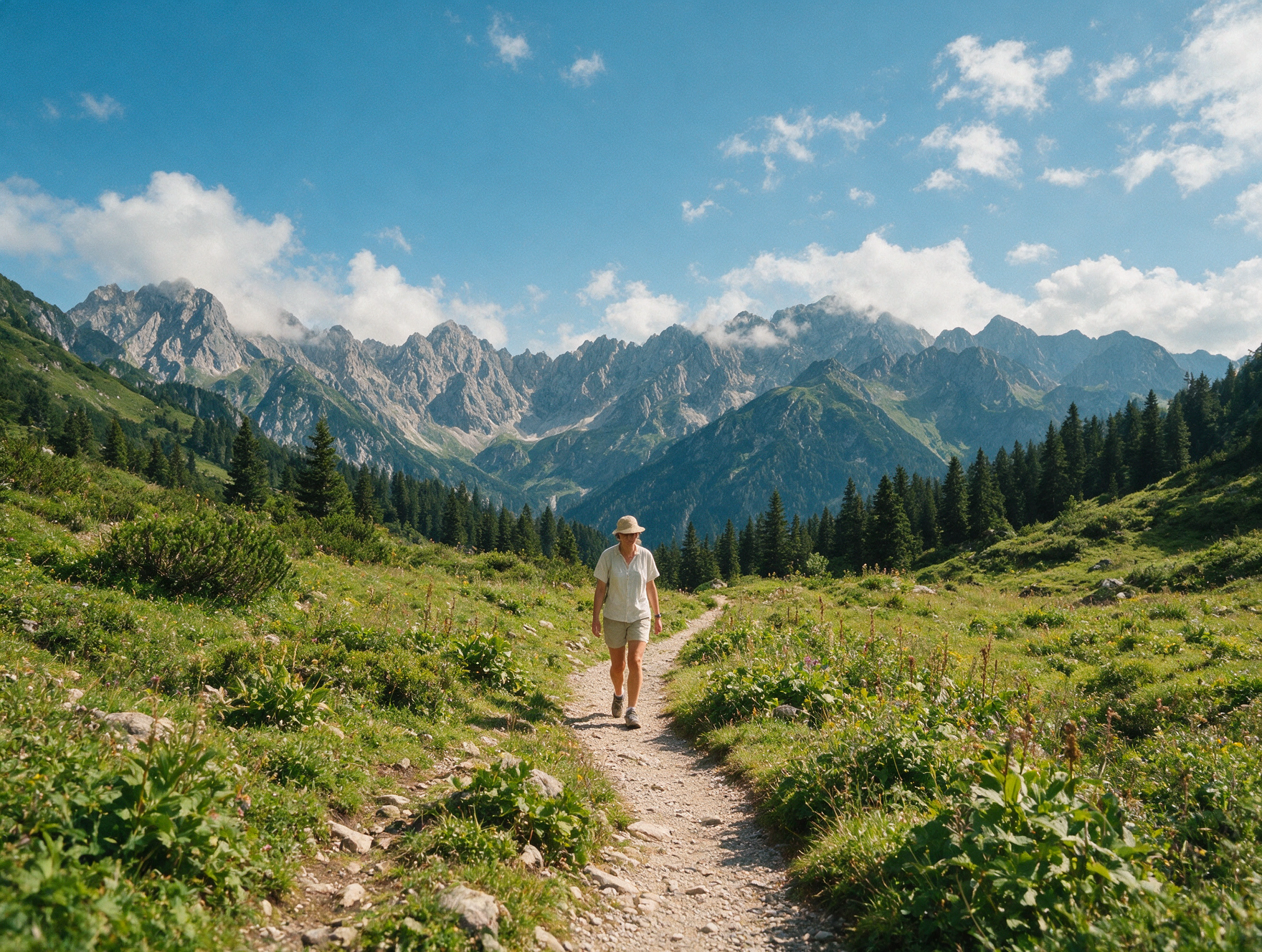
Summer is warm in the cities — Vienna regularly hits the high 20s and occasionally low 30s Celsius in July and August — but the mountains stay noticeably cooler, and a cable car ride up the Nordkette or a day in Hallstatt’s higher elevations can feel 10 degrees cooler than the valley floor. Pack:
- Breathable, lightweight clothing for city days — cotton or linen works fine here, unlike the layering logic for hiking days
- One warm layer (a light fleece or windbreaker) specifically for any day trip involving altitude, even in peak summer
- Comfortable walking shoes or trail sneakers if you’re doing any hiking around Hallstatt or Innsbruck’s foothills
- A hat and sunscreen — UV exposure at altitude is stronger than the temperature alone suggests
- A reusable water bottle; Austria’s tap water is safe to drink and public fountains are common, so refilling rather than buying bottled water constantly is both cheaper and the local norm
Autumn (September–November)
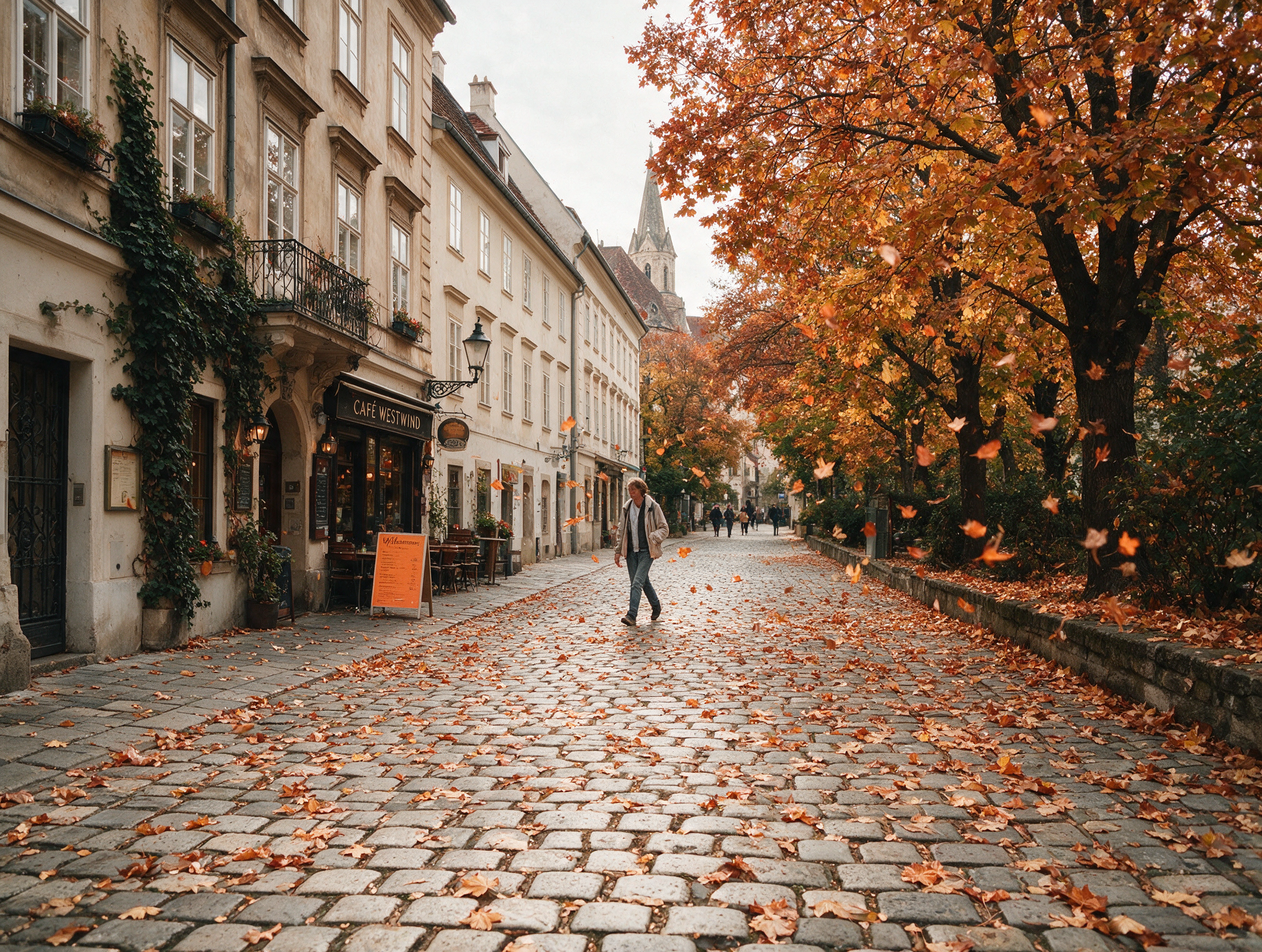
Autumn is underrated — wine harvest season around Vienna, fewer crowds, and often better hotel rates than summer, though the weather turns genuinely cold by late November, especially in Innsbruck and the Alps. Pack:
- A proper mid-weight jacket, not just a light layer, particularly for late September onward
- Layers you can combine: a base layer, a sweater, and a jacket that can go over both on the colder days
- Waterproof shoes or boots — autumn rain is more persistent than spring’s shorter showers
- An umbrella or a jacket with a hood, since autumn rain tends to last longer through the day
- A light pair of gloves for late-autumn Innsbruck or Hallstatt mornings, if you run cold
Winter (December–February)
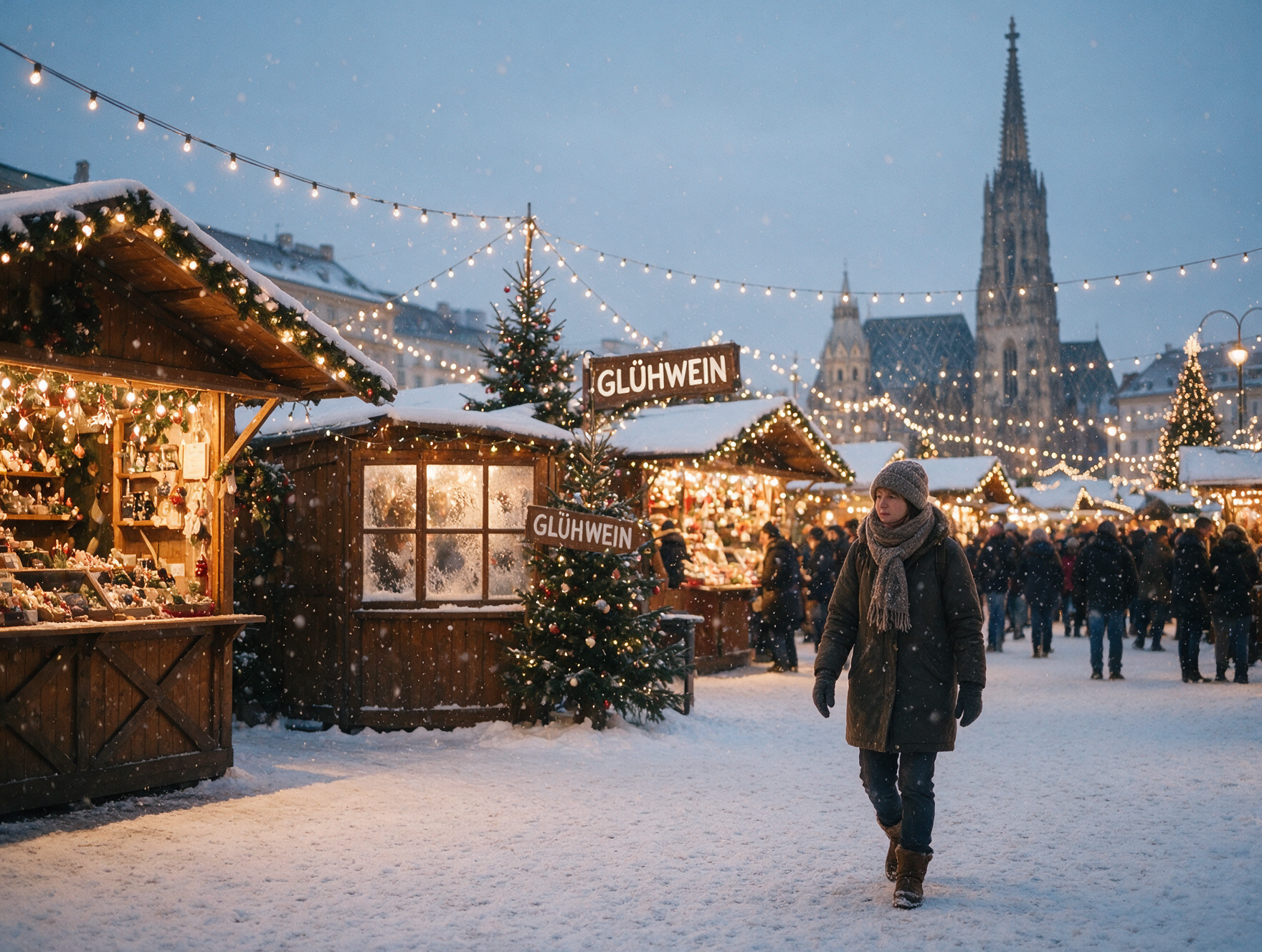
Winter means Christmas markets, and it also means real cold — Vienna regularly sits between -2°C and 5°C in December and January, and Innsbruck and the Alpine towns run colder still, especially at altitude or after dark. This is the one season where under-packing for warmth is a genuine, trip-affecting mistake rather than a minor discomfort. Pack:
- A proper insulated winter coat — not a fashion jacket, an actual cold-weather coat rated for sub-zero temperatures
- Thermal base layers, both top and bottom, especially if you’re spending long stretches outdoors at Christmas markets or on a Hallstatt day trip
- A warm hat, gloves, and a scarf — all three, not just one, since Austrian winter wind at market stalls and open squares cuts through faster than the temperature reading suggests
- Waterproof, insulated boots with real grip — icy cobblestones in Salzburg’s old town and Hallstatt’s lakeside paths are a genuine slip risk without proper soles
- Hand warmers, genuinely useful for a long evening at an outdoor Christmas market rather than a gimmick
Footwear, Whatever the Season
Every city on a typical Austria itinerary is built around cobblestones, and Hallstatt and the Alpine towns add uneven, sometimes wet or icy surfaces on top of that. A single pair of good, broken-in walking shoes matters more than most other packing decisions — new shoes bought the week before the trip are a reliable way to spend day two limping instead of sightseeing. Bring a second, lighter pair only if you’re planning a dedicated dinner-out evening where hiking shoes would feel out of place.
A Note on Luggage and Packing Strategy
Given the range of layers this itinerary calls for, packing cubes earn their keep more on an Austria trip than on most — separating base layers, mid layers, and outerwear into their own compartments makes it much faster to grab exactly what a given day needs without unpacking everything else onto a hotel bed. If your Austria trip is part of a longer, multi-country Europe itinerary, pack Austria’s layers toward the top or in an easily accessible cube, since this is the leg most likely to need a mid-day wardrobe change between a warm city afternoon and a cool mountain evening.
One more practical point: if you’re flying a budget or mid-tier carrier for the India-to-Europe leg, double-check your checked baggage allowance before you pack a winter coat and boots on top of everything else — winter gear takes up real volume and weight, and it’s worth wearing the bulkiest coat onto the flight itself rather than packing it, both to save space and because airports and layovers in winter are exactly where you’ll want it anyway.
What Everyone Should Pack, Regardless of Season
- A European (Type C/F) plug adapter — Austria uses the standard European two-pin round socket, different from Indian plugs A second, smaller point worth remembering: Indian electrical adapters sold as “universal” don’t always grip the recessed European socket properly, so it’s worth testing yours or buying a dedicated European adapter locally in India before you fly rather than discovering the fit is loose in a Vienna hotel room.
- A day backpack or crossbody bag for sightseeing days, separate from your main luggage
- A portable charger, since a full day of photos, maps, and translation apps drains a phone faster than a normal day at home
- Copies (physical and digital) of your visa, insurance certificate, and hotel confirmations — not strictly a clothing item, but as essential as anything else on this list
- A modest, presentable outfit for visiting Stephansdom or any working church, even though dress codes in Austria are fairly relaxed compared to some other European countries
Mistakes We See Indian Travelers Make
The most common one: packing for Delhi or Mumbai winter and assuming that covers Vienna or Innsbruck winter. Austrian cold, especially with wind at altitude or in open squares, is a different category of cold than most Indian cities ever produce, and a jacket that felt “warm enough” for a North Indian winter morning often isn’t enough for a full day outdoors in Vienna in January. The second common mistake is the opposite problem in summer: assuming a hot Vienna afternoon means you can skip a warm layer entirely, then being caught out and genuinely cold on the Nordkette cable car or a breezy Hallstatt lake crossing. Pack for the range, not the average.
A smart-spending tip that saves suitcase space: buy a warm hat, gloves, or even a heavier jacket locally if you’re traveling in winter and find you’re under-prepared — European winter gear is widely available and often better suited to the actual cold than what’s easy to find in India, and it’s a reasonable trade-off against checked-baggage weight on the way there.
FAQs
Do I need hiking boots for a standard Vienna-Salzburg-Innsbruck itinerary?
Not technically, but good closed walking shoes with real tread are worth it even without a dedicated hiking day, given how much of this itinerary is on foot over cobblestones and occasionally wet or icy paths.
Is Austria’s weather predictable enough to pack light?
Not really — even within a single season, days can swing significantly, especially between valley cities and mountain viewpoints, which is exactly why the layering approach in this guide matters more than picking one “right” outfit.
What should I absolutely not forget for a winter Austria trip?
A genuinely warm coat rated for sub-zero temperatures, and a hat and gloves you’ll actually wear rather than pack and forget — underestimating Austrian winter cold is the single most common packing mistake we see.
Can I do laundry mid-trip to pack lighter?
Yes — most mid-range and upscale hotels in Vienna, Salzburg, and Innsbruck offer laundry service, and it’s a reasonable way to pack for 4–5 days rather than a full 7–8 day trip’s worth of clothing. Solo travelers doing their own laundry mid-trip should know that most hotel laundry services take 24-48 hours, so plan the drop-off a couple of days before you’ll actually need clean layers again, not the night before.
Should I pack differently for a honeymoon or luxury trip versus a family trip?
The seasonal layering logic stays the same regardless of trip style, but luxury travelers might add one or two smarter evening outfits for a fine-dining reservation like Tian in Vienna, while families should prioritize durability and easy layering for kids over fashion, since children run warmer or colder than adults and need faster adjustments through the day.
Let Us Match the Packing List to Your Actual Dates
The right packing list depends heavily on your exact travel dates and which parts of Austria you’re prioritizing — a ski-season Innsbruck add-on needs a very different list from a September Vienna-and-Salzburg trip. When we plan a custom Austria itinerary for a traveler, this is one of the details we walk through directly, so you’re not guessing.