Austria might be the one country on a typical Europe-planning spreadsheet where we actively tell travelers not to rent a car. Between Vienna’s dense city network and the ÖBB rail system stitching the rest of the country together, driving mostly adds parking headaches without saving real time. This guide covers how to actually move around Austria — city transit in Vienna, Salzburg, and Innsbruck, the intercity trains that connect them, and the odd exceptions (like Hallstatt’s ferry) that don’t fit either category.
Table of Contents
- Getting Around Vienna
- Intercity Trains: ÖBB
- Getting Around Salzburg
- Getting Around Innsbruck
- Hallstatt: Train Plus Ferry
- Airport Transfers
- Apps and Tickets Worth Downloading
- Etiquette and Rules
- FAQs
Getting Around Vienna
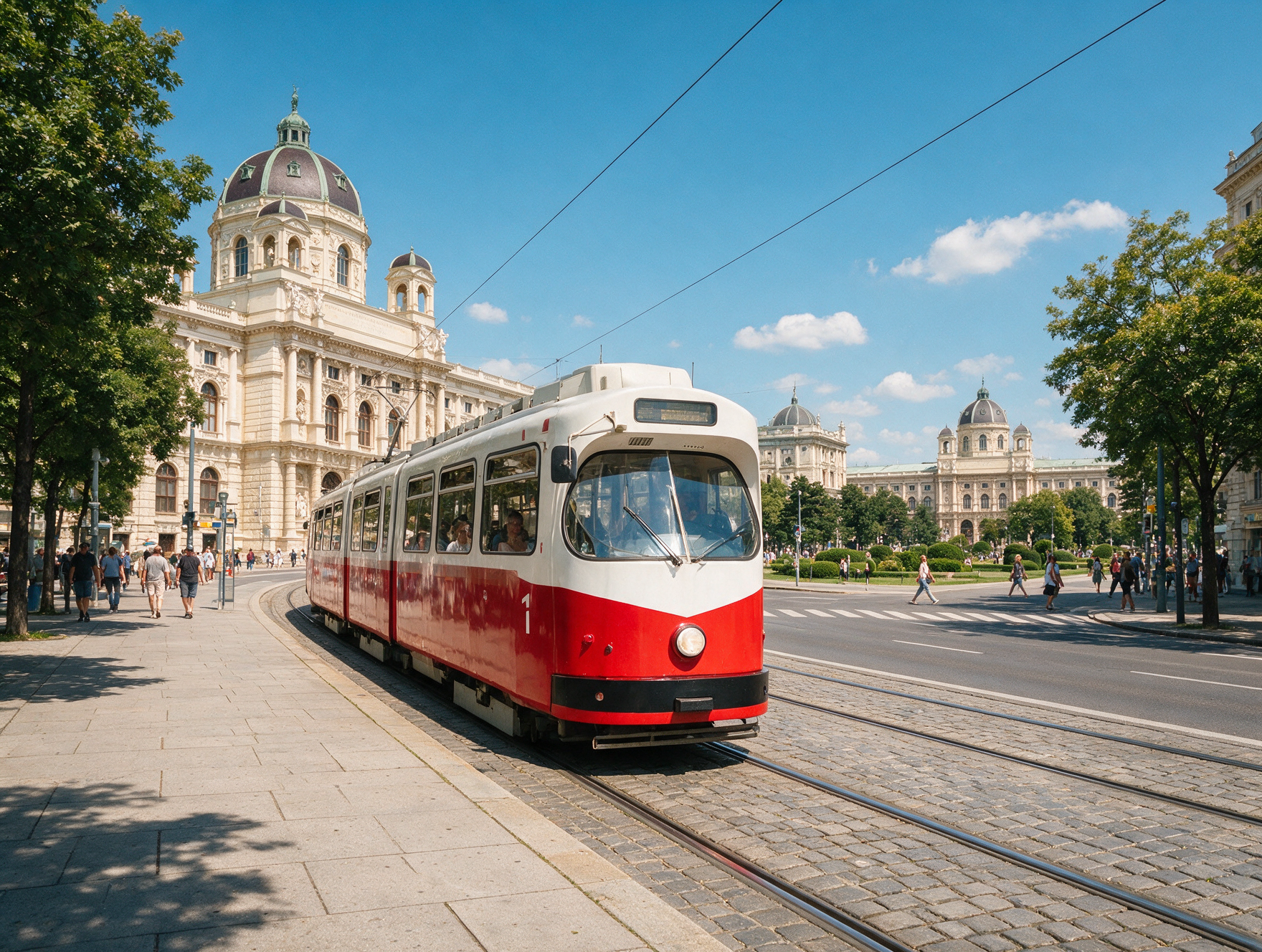
Vienna’s public transport, run by Wiener Linien, is the backbone of the city: five U-Bahn lines, a dense tram network (including the historic Ringstrasse loop), and buses filling in the gaps. It’s genuinely one of Europe’s better city transit systems — frequent, clean, and running late enough that you’re rarely stuck waiting more than 5–10 minutes even off-peak.
Ticket options, as of this writing:
- Single ticket: €2.40 — one continuous journey with transfers allowed, no backtracking
- 24-hour ticket: €6.00
- 48-hour ticket: €14.10
- 72-hour ticket: €17.10
- Vienna City Card (24h/48h/72h): €17–€25, bundles transit with discounts at museums and attractions
Buy tickets at U-Bahn station machines, the WienMobil app, or most tobacco shops (Tabak-Trafik) — and validate single tickets at the small blue machines on platforms or station entrances before you board. Multi-day passes are validated once, on first use, and count 24/48/72 hours forward from that moment rather than by calendar day. Fare inspections happen, quietly and without warning, and the fine for riding without a valid ticket is well into triple digits in euros — not a risk worth taking to save €2.40.
Intercity Trains: ÖBB
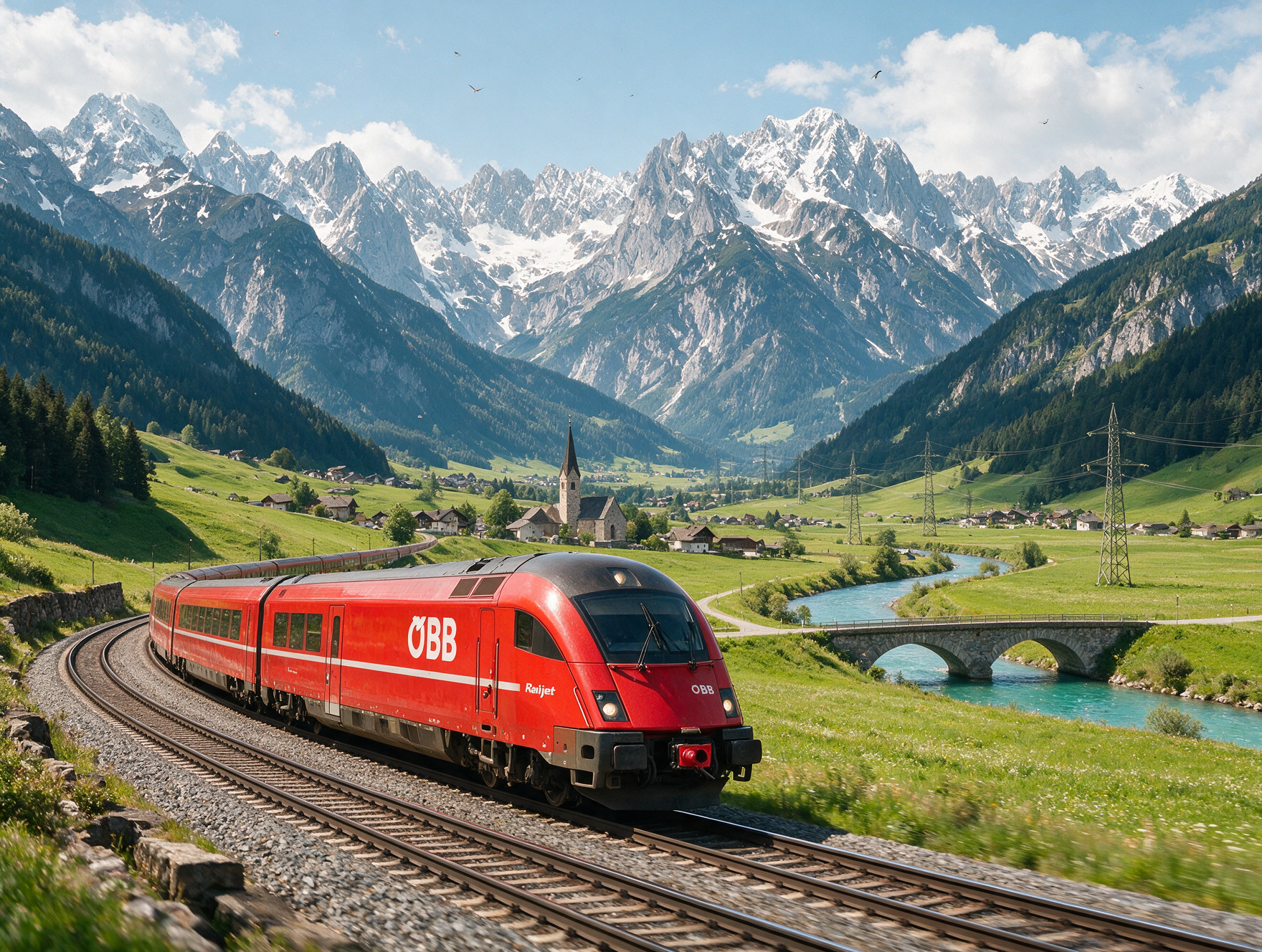
Austrian Federal Railways (ÖBB) runs the Railjet service between Vienna, Salzburg, and Innsbruck, and it’s genuinely one of the better parts of an Austria trip rather than just transit — comfortable seating, real legroom even in second class, and scenery in the second half of the Salzburg–Innsbruck leg that’s worth staying awake for. Journey times: Vienna–Salzburg is about 2.5 hours, Salzburg–Innsbruck about 2 hours, and Vienna–Innsbruck direct runs around 4 hours if you skip Salzburg on that leg.
Book through the ÖBB website or app rather than buying at the station where possible — advance “Sparschiene” fares can run a third of the walk-up price on the same route, and the savings compound fast across a multi-city itinerary. A fun fact for train nerds: Austria’s rail electrification runs on 15kV at 16.7Hz, a legacy standard shared with Germany and Switzerland, which is part of why cross-border trains between the three countries run so smoothly without a locomotive swap at the frontier. Seat reservations are optional but worth the small extra fee on a longer leg if you want a guaranteed window seat for the alpine scenery.
Getting Around Salzburg
Salzburg’s old town is compact enough to walk almost entirely on foot, and honestly should be — most of what you’ll want to see sits within a 20-minute walk of the Salzach river. For anything further out (Hellbrunn Palace, the airport, or the outer districts), Salzburg’s bus network run by Salzburg AG covers it well; a single ticket runs a couple of euros, and day passes are available if you’re making multiple trips. The Salzburg Card, similar in concept to Vienna’s City Card, bundles transit with free entry to major attractions if you’re planning a sightseeing-heavy day.
Getting Around Innsbruck
Innsbruck’s old town is even more compact than Salzburg’s, and the IVB tram and bus network (run by Innsbrucker Verkehrsbetriebe) handles everything outside walking range — including, notably, the tram line that gets you close to the Hungerburgbahn funicular, which connects to the Nordkette cable car up into the mountains. A single IVB ticket costs a couple of euros; if you’re planning both an old-town day and a mountain day, check whether a combined transit-plus-cable-car ticket saves money over buying separately, since Innsbruck often bundles these for visitors.
Hallstatt: Train Plus Ferry
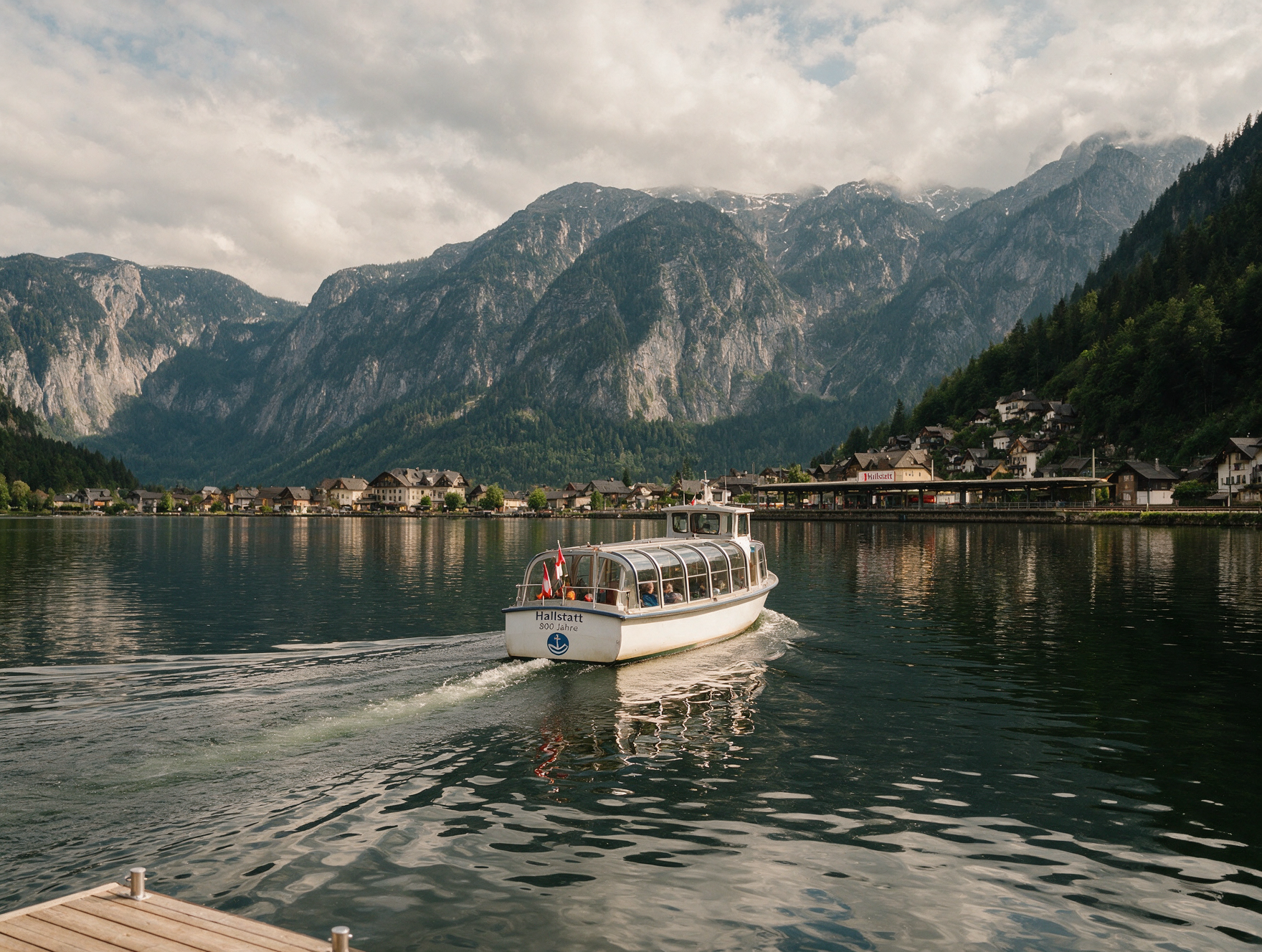
This is the one genuinely unusual leg on an Austria itinerary. The train from Salzburg or Attnang-Puchheim drops you at Hallstatt’s station, which sits across the lake from the village itself — from there, a short passenger ferry (timed to meet arriving trains) crosses to the village proper. It’s a five-minute ride, but it’s also part of the charm of arriving in Hallstatt rather than a chore, and it’s included in most rail tickets to Hallstatt rather than requiring a separate fare, though double-check this when you book since exceptions do happen on some ticket types.
Understanding Zones and When a Pass Actually Pays Off
Vienna’s core zone covers the vast majority of what a visitor needs — the entire city within the Gürtel ring road, plus a bit beyond — so most travelers never need to think about zone boundaries the way you might on, say, London’s Tube. The math on passes is straightforward: if you’re taking more than two and a half single trips in a day (a single ticket is €2.40, a 24-hour pass is €6.00), the day pass wins, and on a typical sightseeing day in Vienna — U-Bahn to Schönbrunn, tram along the Ring, another hop back to your hotel — you’ll clear that threshold without trying. For a 3-day Vienna stay, the 72-hour pass at €17.10 is very close to just buying three 24-hour passes back to back, so there’s little reason not to get the longer one if you know you’ll be there that long.
One quirk worth knowing: none of Vienna’s city passes cover the CAT airport train or the S7 airport line beyond the city’s own zone boundary, so budget that as a separate cost on arrival and departure days rather than assuming your multi-day pass stretches to the airport.
Regional and Scenic Rail Beyond the Main Route
If your itinerary has room for a detour, Austria’s regional rail lines are worth building time around rather than treating purely as transit. The Wachau Valley line along the Danube (an easy day trip from Vienna) and the Salzkammergut lake district lines around Hallstatt run through scenery that rivals anything you’d pay for a dedicated scenic railway elsewhere in Europe, and they’re covered by the same regional ÖBB ticketing as any other regional route — no special scenic-train premium fare required. If you have an extra day in the Vienna-to-Salzburg stretch, a Wachau detour by regional train and a short river connection is a genuinely good use of it.
Traveling With Luggage
Austrian trains and trams don’t have the aggressive luggage restrictions some other European rail systems enforce, but platforms and station transfers aren’t always step-free — older U-Bahn stations and some regional stops still rely on stairs rather than lifts. If you’re traveling with a family or with travelers who have mobility considerations, check platform accessibility on the ÖBB app when booking, since it flags step-free routes, and budget a few extra minutes for transfers at stations without escalators.
For solo travelers and couples without heavy luggage, this barely matters — a rolling carry-on and a backpack move through any of these stations without trouble. For families with car seats, strollers, or multiple large suitcases, plan connections with a bit more buffer, particularly at Salzburg’s main station where platform transfers can mean a longer walk than expected.
Airport Transfers
From Vienna International Airport, the CAT (City Airport Train) covers the 16km into the city center in 16 minutes, though it’s priced at a premium over regular transit (a separate ticket, not covered by Vienna transit passes). The regular S-Bahn (S7) line is slower but far cheaper, at around €5.40, and is covered by the standard fare system rather than the CAT’s premium pricing — a reasonable trade if you’re not in a hurry straight off a long flight. Salzburg and Innsbruck’s airports are both small and close to their city centers, with regular bus connections taking 20 minutes or less; taxis are also reasonably priced given the short distances involved.
Late Trains and Night Connections
Vienna’s U-Bahn runs regular service until around midnight on weeknights, and Wiener Linien extends to a night-tram and night-bus network (marked with an “N” prefix) running through the small hours on Fridays, Saturdays, and public holiday eves — useful if your Vienna State Opera standing-ticket night runs later than the last regular U-Bahn. Salzburg and Innsbruck’s night coverage is thinner, as you’d expect from smaller cities, so if you’re out late in either place, confirm the last bus time before you go rather than assuming a Vienna-level night network exists there too.
Apps and Tickets Worth Downloading
- WienMobil — Vienna’s official app for tickets, real-time departures, and journey planning
- ÖBB Scotty / ÖBB app — for booking intercity trains, checking platform numbers, and getting live delay updates
- Google Maps — genuinely reliable for transit routing in all three cities, including real-time tram and bus arrivals
Etiquette and Rules
A few unwritten (and occasionally written) rules that make life easier: stand on the right on escalators, let people exit the train before boarding, and don’t eat strong-smelling food on the U-Bahn — nobody will say anything, but you’ll notice the looks. A mistake we’ve seen travelers make: assuming Austrian trains run on Indian-railway-style flexible timing. ÖBB trains leave on the minute printed on the board, and being five minutes “early” by your own reckoning can still mean watching the train pull away exactly on schedule. Get to the platform with buffer time, especially for a train you’re connecting onward from.
FAQs
Is it worth renting a car for an Austria trip focused on Vienna, Salzburg, Hallstatt, and Innsbruck?
Generally no — the ÖBB rail network covers this route comfortably and is often faster door-to-door once you factor in city parking and navigating unfamiliar roads.
Can I use one ticket across Vienna’s U-Bahn, tram, and bus?
Yes, a single Vienna transit ticket covers all Wiener Linien modes (U-Bahn, tram, bus) within the core zone for one continuous journey.
How far ahead should I book ÖBB intercity trains?
As early as your itinerary is confirmed — advance Sparschiene fares are significantly cheaper and sell out on popular departure times, especially in summer.
Is the Hallstatt ferry crossing included in the train ticket?
Usually yes for most standard ÖBB tickets to Hallstatt, but it’s worth confirming at the time of booking since this can vary by ticket type.
Do I need cash for public transport in Austria, or does card work?
Card and contactless payment work at most ticket machines and on the WienMobil, ÖBB, and city transit apps; carrying a little cash is still sensible as a backup, particularly for smaller-town bus tickets bought on board.
What’s a realistic daily transit budget in Austria?
Around €6–8 per person per day in Vienna if you’re buying a 24-hour pass, less in Salzburg and Innsbruck where distances are shorter and single tickets often make more sense than a day pass.
Let Us Handle the Logistics
Working out train times, ferry connections, and which day pass makes sense for which city is exactly the kind of detail we build into every Get Tripped Austria itinerary — down to which Railjet departure gets you into Salzburg in time for dinner. If you’d rather not manage six different transit apps on your own trip, that’s what we’re here for.