Most Egypt itineraries treat Alexandria as a rushed day trip from Cairo — three hours each way on the desert road, a couple of hours at the Bibliotheca and Qaitbay Citadel, and back on the bus before dinner. It’s understandable; Cairo, Luxor, and Aswan carry the big-ticket monuments that justify the flight from India in the first place. But Alexandria rewards travelers who give it more than a box-ticking afternoon, because underneath the Corniche postcard shots is a city with a genuinely different texture from the rest of Egypt — Mediterranean, cosmopolitan, faded-grand in a way that has nothing to do with pharaohs.
This guide skips past the Bibliotheca Alexandrina and Qaitbay Citadel — worth doing, but covered everywhere else — and goes into the neighborhoods and markets that most first-time visitors never see.
In This Guide
- Why the common Alexandria itinerary misses the city’s best part
- 5 spots most tourists skip entirely
- A realistic half-day plan connecting them
- What to eat where locals actually eat
- FAQs
Why the Standard Itinerary Sells Alexandria Short
A typical day-trip itinerary from Cairo hits three stops — Bibliotheca Alexandrina, Qaitbay Citadel, maybe the Catacombs of Kom el Shoqafa — and calls it done. That’s fine as far as it goes, but it treats Alexandria purely as a museum-and-monument city, which misses what actually made it famous for two thousand years: it was the Mediterranean’s great trading and intellectual crossroads, a genuinely mixed city of Greek, Egyptian, Jewish, and later Ottoman and Italian communities, and that layered history is still visible in its architecture and street life if you know where to look, away from the main tourist corridor along the water.
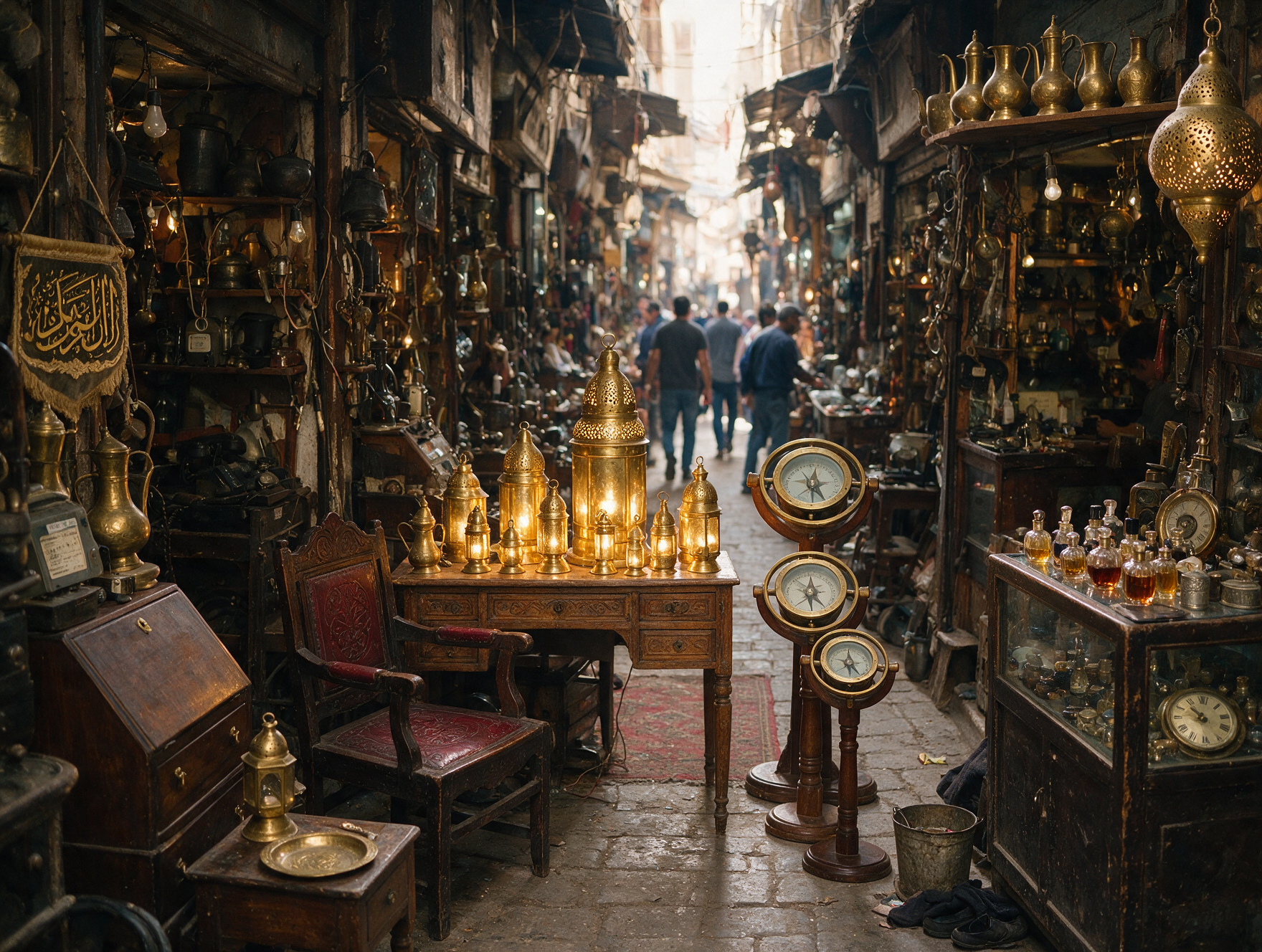
1. Souq El Attarine — Alexandria’s Antique Heart
Skip the modern souvenir shops near the Corniche and head instead to the Attarine district, where narrow lanes are lined with genuine antique dealers selling French colonial-era furniture, ship compasses and brass lanterns pulled from old vessels, rare spices, and bespoke perfume blends that trace back to the city’s trading-port heyday. This is a noticeably calmer, more refined shopping experience than Cairo’s Khan el-Khalili — less aggressive haggling, more genuine conversation with dealers who know the provenance of what they’re selling. Go late morning, around 11am, when shops have properly opened, and budget two to three hours if you actually want to browse rather than just walk through. Wear comfortable shoes; the streets are narrow and uneven underfoot.
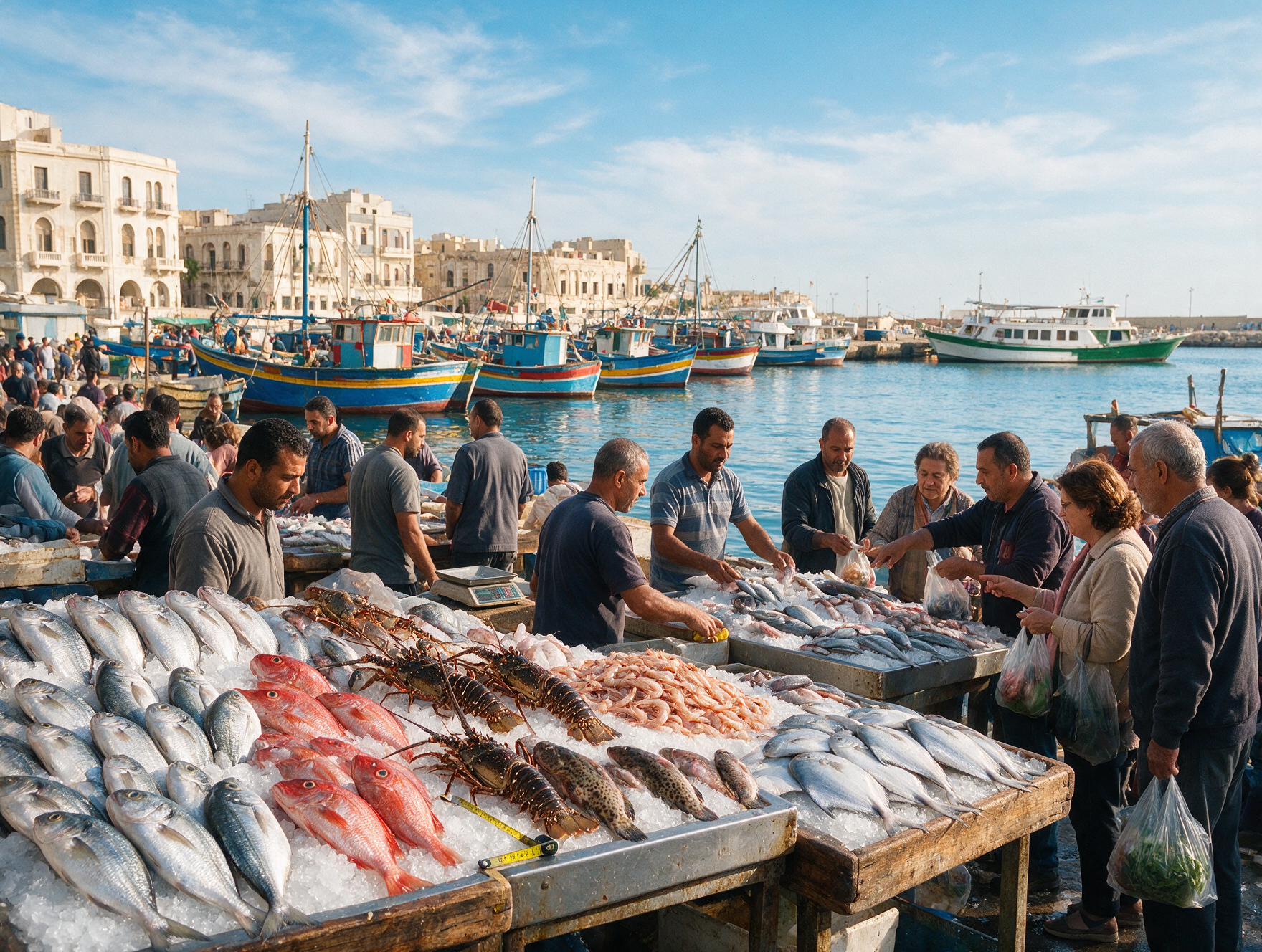
2. Anfushi Fish Market — Where Alexandria Actually Eats
Down near the old harbor, this working fish market is where the city’s restaurants source what ends up on your dinner plate later that evening. It’s loud, briny, and entirely unstaged — fishermen hauling in the morning’s catch, vendors calling out prices, none of it arranged for tourists. Several no-frills restaurants sit right at the market’s edge where you can pick your fish fresh and have it grilled to order within the hour, which is about as direct a farm-to-table (or in this case, sea-to-table) experience as Egypt offers. Go before noon for the freshest selection and the most active atmosphere.
3. The Corniche, Away From the Postcard Stretch
Everyone photographs the section near Qaitbay Citadel and Stanley Bridge. Walk further — toward Gleem or Sidi Bishr, a couple of kilometers east — and you’ll find a version of the Corniche that’s used the way locals actually use it: families out for an evening walk, teenagers on bikes, older men fishing off the seawall with hand lines, tea stalls rather than souvenir stands. It’s a genuinely nice, unhurried walk with the added bonus of catching the Mediterranean light without fifty other people in your photo.
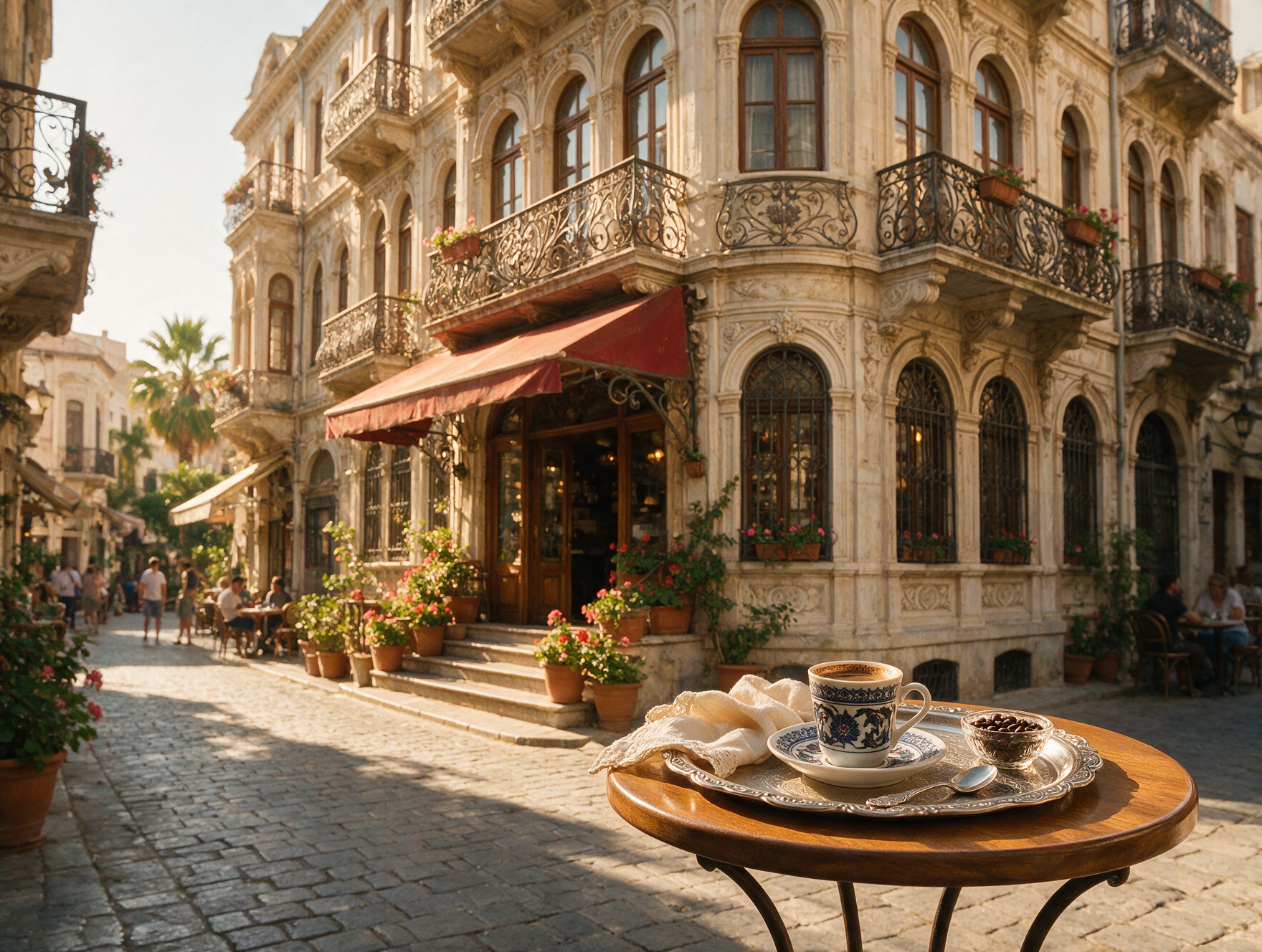
4. A Historic Downtown Café, Not a Tourist Café
Alexandria’s downtown area, around Raml Station and the older commercial streets nearby, still holds onto pockets of its early-20th-century character — Belle Époque buildings with wrought-iron balconies, faded signage in French and Arabic side by side, and old-school cafés that have been serving the same generations of regulars for decades. Sit with a Turkish coffee or a glass of karkade and watch the street; this is the closest Alexandria gets to the ahwa culture Cairo is famous for, minus the tourist crowds that have found their way to Cairo’s most famous spots like El Fishawy.
5. Kom El Dikka’s Quiet Corner
The Roman amphitheater at Kom El Dikka gets a fraction of the visitors that Cairo’s major sites do, and the surrounding residential streets — ordinary Alexandria apartment blocks, small grocers, neighborhood life going on around a 2,000-year-old ruin as if it’s the most normal thing in the world — are worth ten minutes of wandering after you’ve seen the amphitheater itself. It’s a small but genuine reminder that Alexandria isn’t a preserved museum piece; people live their ordinary lives directly alongside its ancient layers.
A Realistic Half-Day Plan
Start at Souq El Attarine around 10:30–11am for the antique browsing, then walk or take a short taxi to Anfushi for a fresh-fish lunch around 1pm. Spend the early afternoon at Kom El Dikka and the surrounding downtown streets, then finish with a late-afternoon walk along the quieter stretch of the Corniche toward Gleem as the light softens, ending with coffee at a downtown café before heading back if you’re on a day trip from Cairo, or dinner locally if you’re staying overnight.
An Honest Caveat
If you’re doing Alexandria as a single day trip from Cairo, you genuinely cannot fit all five of these plus the standard Bibliotheca-and-Citadel circuit into one day without rushing everything. Pick a lane: either the well-known monuments, or this more local, neighborhood-focused half-day. Get Tripped’s honest recommendation, if you’ve got any flexibility, is to stay one night in Alexandria rather than day-tripping — it’s the only way to properly do both without feeling like you’re checking boxes on a bus schedule.
A Mistake to Avoid
Don’t assume Alexandria’s food scene is an afterthought to Cairo’s. The city’s coastal position means the seafood here is genuinely better and fresher than what you’ll typically find in Cairo, and treating an Alexandria day trip as “grab a quick lunch, get back to the real sightseeing” means missing one of the better meals available anywhere on an Egypt itinerary.
A Fun Fact
Modern Alexandria sits largely on top of its ancient predecessor — much of the classical city, including parts of the famous Library of Alexandria and the Pharos Lighthouse (one of the Seven Wonders of the Ancient World), now lies underwater in the harbor, submerged by earthquakes and rising sea levels over the centuries. Divers occasionally still bring up fragments, and Qaitbay Citadel itself was partly built from the lighthouse’s fallen stones after it finally collapsed in the 1300s.
Smart Spending in Alexandria
This is one of the more affordable stretches of an Egypt itinerary, and the good news is that the best experiences here — wandering Souq El Attarine, walking the quieter Corniche, sitting in a downtown café — cost close to nothing beyond a coffee and whatever you choose to buy. The one place worth spending a bit more deliberately is lunch at Anfushi: paying slightly above the absolute cheapest stall for a restaurant with a visibly busy turnover of fresh fish is a small premium worth paying for both quality and comfort. Skip the souvenir stands directly outside Qaitbay Citadel, where prices run noticeably higher than the same items in Attarine or downtown, purely because of foot traffic from tour buses.
Getting Around Once You’re There
Alexandria stretches roughly 20km along the coast, which is longer than it looks on a simple map, so while individual neighborhoods are very walkable, moving between Attarine, Anfushi, and the Gleem stretch of Corniche is easier with a short taxi or rideshare than on foot. Uber and Careem both operate in Alexandria, and fares between these neighborhoods typically run modest by any standard — a genuinely cheap way to string together a full day without wasting time on unfamiliar bus routes.
Payment and Practicalities
Cash still rules in the souk and at market-adjacent restaurants, even as card acceptance grows at hotels and more formal restaurants downtown. Keep small denominations of Egyptian pounds on hand for the antique souk, the fish market, and any street-side tea or snack stops — it makes small transactions noticeably smoother and avoids the awkwardness of a vendor needing to break a large note for a modest purchase. The Egyptian Tourism Authority also publishes up-to-date currency and entry guidance worth checking before you travel.
Who This Suits
This neighborhood-focused approach to Alexandria is especially good for travelers who’ve already done a more conventional Egypt trip and want a different texture on a return visit, and for couples or small groups who prefer wandering and eating well over a checklist of monuments. Families with younger kids may get more mileage out of the standard Bibliotheca-and-Citadel route, since the antique souk and fish market, while atmospheric, don’t have the same built-in kid appeal as a big aquarium-style library or a seaside fort.
Segment Notes
Solo travelers and couples get the most freedom out of this neighborhood-first itinerary, since it rewards wandering without a fixed schedule. Luxury travelers should still consider a private guide for Souq El Attarine specifically — a knowledgeable local can tell genuine antiques from reproductions, which matters if you’re considering a serious purchase rather than a small souvenir.
FAQs
Is Alexandria worth visiting if I only have a short Egypt trip?
If your trip is under a week and focused on Cairo, Luxor, and Aswan, Alexandria is genuinely the first thing to cut without much regret — it’s a different kind of city rather than an essential Egyptological stop. If you have 8+ days or you’re specifically drawn to Mediterranean and cosmopolitan history, it’s a worthwhile add.
How do I get from Cairo to Alexandria?
The most comfortable option is the train from Cairo’s Ramses Station, roughly 2.5–3 hours depending on the service, with several departures daily. A private car takes a similar amount of time via the desert or agricultural road and gives more flexibility if you’re planning to see the neighborhoods in this guide rather than sticking to a fixed tour schedule.
Is Souq El Attarine expensive?
Prices vary widely depending on what you’re after — a small spice packet or perfume oil costs very little, while genuine antique furniture can run into real money. Haggling is expected and conducted more as friendly conversation than aggressive back-and-forth, which makes it a pleasant experience even if you’re not planning to buy anything substantial.
Is the Anfushi fish market safe and hygienic to eat at?
The restaurants at the market’s edge that grill fish to order fresh are a normal and popular choice for both locals and visitors, and the constant turnover of fresh catch is, if anything, a food-safety advantage over restaurants sourcing from further afield. Use ordinary judgment about any specific stall’s cleanliness, as you would anywhere.
What’s the best time of year to visit Alexandria?
Spring (March–May) and autumn (September–November) bring pleasant Mediterranean weather without Cairo’s dry desert heat or winter’s occasional coastal storms, making the Corniche walks and outdoor market browsing genuinely comfortable rather than something to rush through.
Can I find vegetarian food easily in Alexandria beyond the fish market?
Yes — Egyptian staples like koshari, ful medames, and falafel (called ta’ameya locally, made from fava beans rather than chickpeas) are widely available at downtown cafés and street stalls, and most sit-down restaurants carry a solid vegetarian mezze spread even if the menu leans heavily toward seafood overall.
Fitting Alexandria Into Your Egypt Trip
Get Tripped can build Alexandria in either as a well-planned day trip from Cairo or as an overnight add-on for travelers who want the fuller neighborhood experience described here, alongside the standard monuments. It pairs naturally with the front end of a longer Egypt tour package from India that continues on to Cairo’s pyramids, Luxor’s temples, and Aswan’s Nile scenery — see our 7 nights, 8 days Egypt itinerary for how it all fits together, and get in touch and we’ll work out where it fits best given how many days you have.