Egypt has a reputation, fairly earned, as a destination where the big-ticket entry fees add up fast — Giza, the Egyptian Museum, Karnak, the Valley of the Kings tombs, Philae Temple, each one its own ticket. What doesn’t get talked about enough is how much of the country’s actual character costs nothing at all to experience. Some of the most memorable hours of an Egypt trip — watching the sun set over the Nile, wandering a neighborhood that hasn’t changed its rhythm in decades, sitting in a coffee house older than most countries — don’t need a ticket.
This isn’t a “how to see Egypt on nothing” guide — Get Tripped doesn’t do budget-travel framing, and honestly you should absolutely pay for a guide at Karnak or a good felucca captain in Aswan. This is a list of the genuinely free experiences worth building into an itinerary that otherwise revolves around paid sites, because they round out the trip rather than replace it.
Table of Contents
Cairo
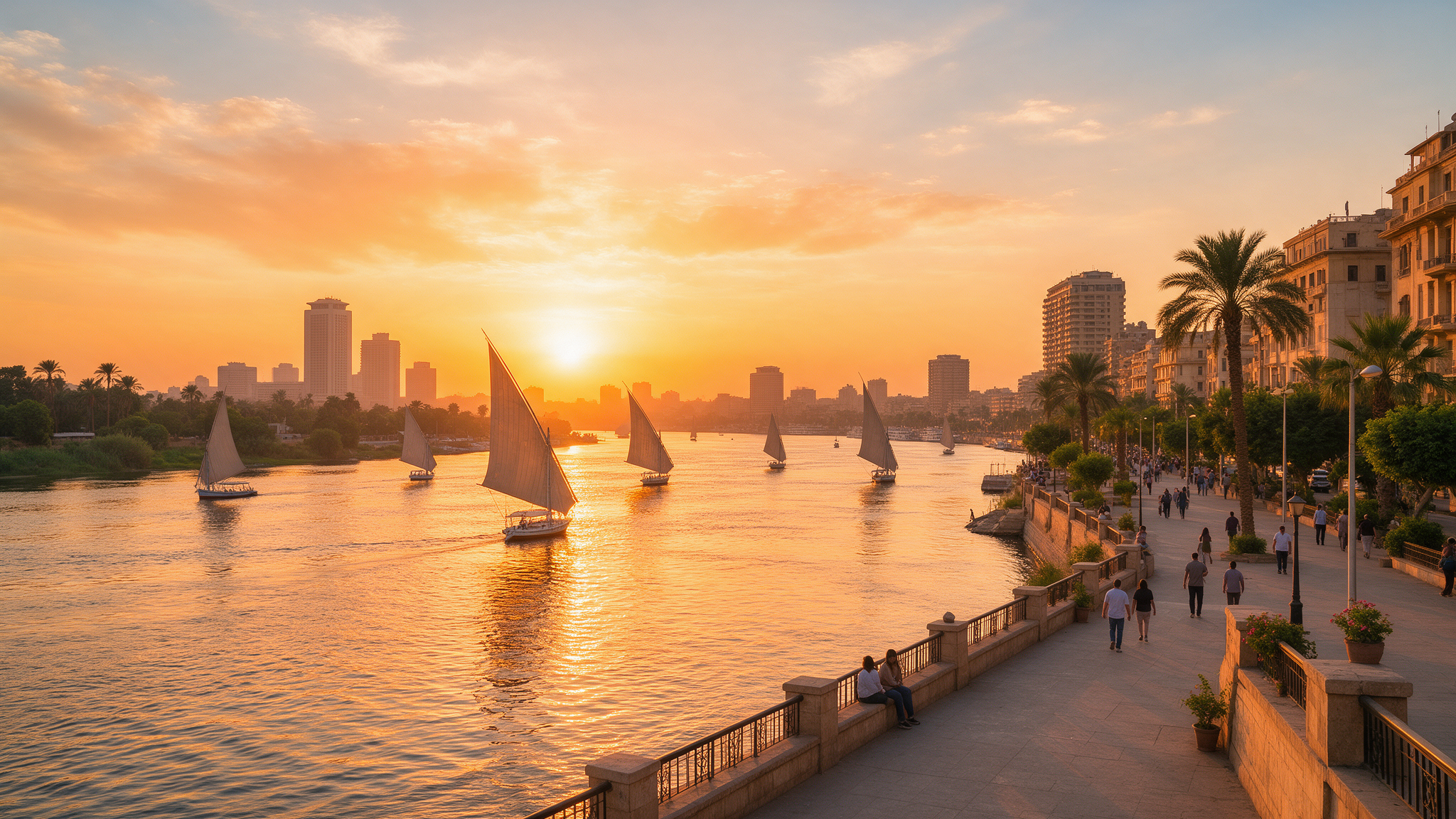
Walk the Corniche at sunset. Cairo’s riverside promenade along the Nile costs nothing and gives you the city’s best golden-hour view — locals fishing, families out for evening walks, felucca boats drifting past with their lanterns lit. This is genuinely one of the better free experiences in the entire country, not a consolation-prize activity.
Wander Khan el-Khalili bazaar without buying anything. The market itself — its narrow lanes, coppersmiths still working by hand, the smell of spices stacked in open sacks — is free to walk through, and you don’t need to purchase a single souvenir to get the experience. Go in the early evening when it’s lively but not at its most crowded.
Sit in an ahwa (traditional coffee house). The seat and the atmosphere cost nothing beyond whatever tea or coffee you order (which itself runs a few dozen Egyptian pounds), and watching a genuine slice of Cairo social life unfold around a backgammon board is worth the modest price of a drink.
Visit Al-Azhar Park in the late afternoon. A large, well-maintained public park with genuinely good views over the Islamic Cairo skyline and the Citadel — entry has a small nominal fee, but it’s a fraction of what most Cairo sites charge and arguably delivers more per rupee than several paid attractions.
Giza
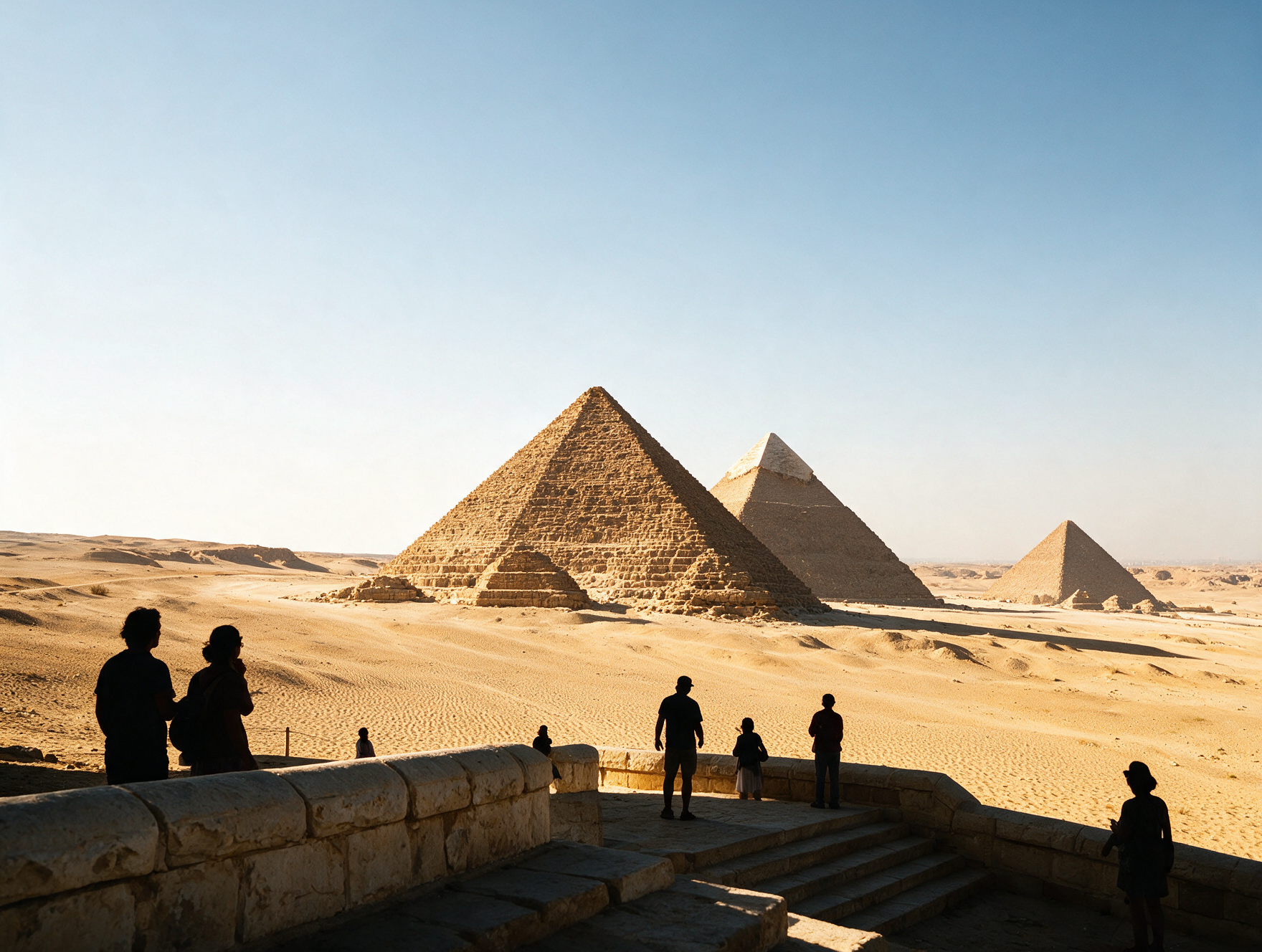
The panorama viewpoint. A short distance from the main ticket gates, a well-known public viewpoint gives you a wide shot of all three pyramids together — the classic postcard angle — without paying the entry fee, if your goal that particular moment is the photo rather than walking right up to the base. It’s also, honestly, a better spot for photos than being right up against the stone, where the scale is harder to capture.
Watch the sound and light show from outside the paid seating area. The nightly sound and light show at the pyramids does have paid seating, but the illuminated pyramids themselves are visible, and partially audible, from several free vantage points nearby if you’re not fussed about the full seated experience.
Mistake to avoid: Don’t let a “guide” who approaches you near the viewpoint talk you into an unofficial camel ride or “special access” for cash — this area sees a lot of persistent touts, and the free viewpoint itself needs no assistance to enjoy.
Alexandria
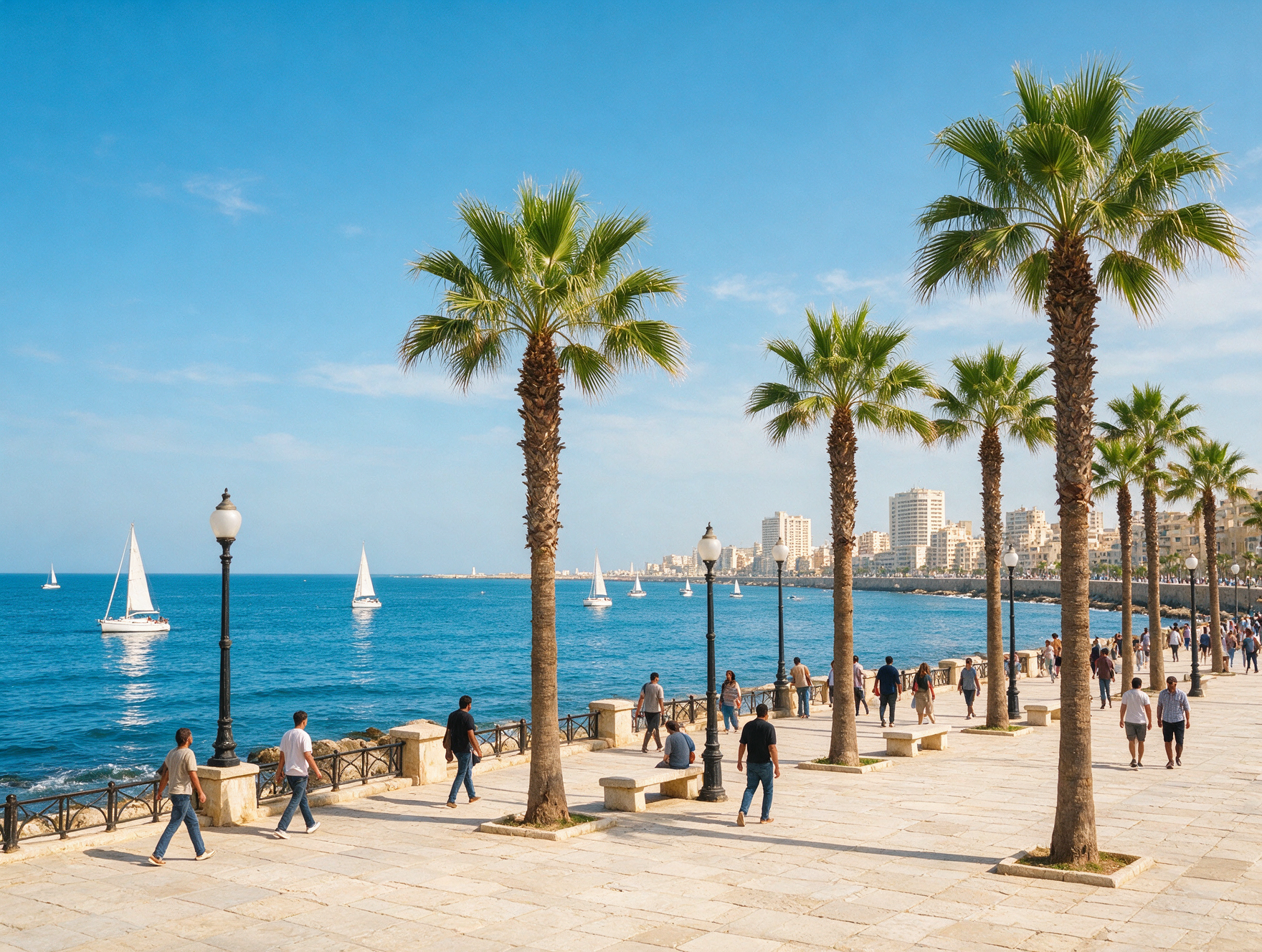
Walk the Corniche. Alexandria’s Mediterranean waterfront promenade, stretching along the coast past the Qaitbay Citadel, is a genuinely pleasant, completely free walk, especially in the late afternoon when the sea breeze picks up and cuts the heat.
Exterior views of the Bibliotheca Alexandrina. The library’s interior requires a ticket, but its striking modern exterior — a huge tilted disc facing the sea, inspired by the ancient Library of Alexandria it commemorates — is a worthwhile stop even from outside, and the surrounding plaza is free to explore.
People-watch at a seafront café with just a tea. Alexandria’s café culture along the Corniche doesn’t require a full meal — a cup of tea and an hour watching the Mediterranean is a low-cost, high-value way to experience the city’s different pace from Cairo’s.
Luxor
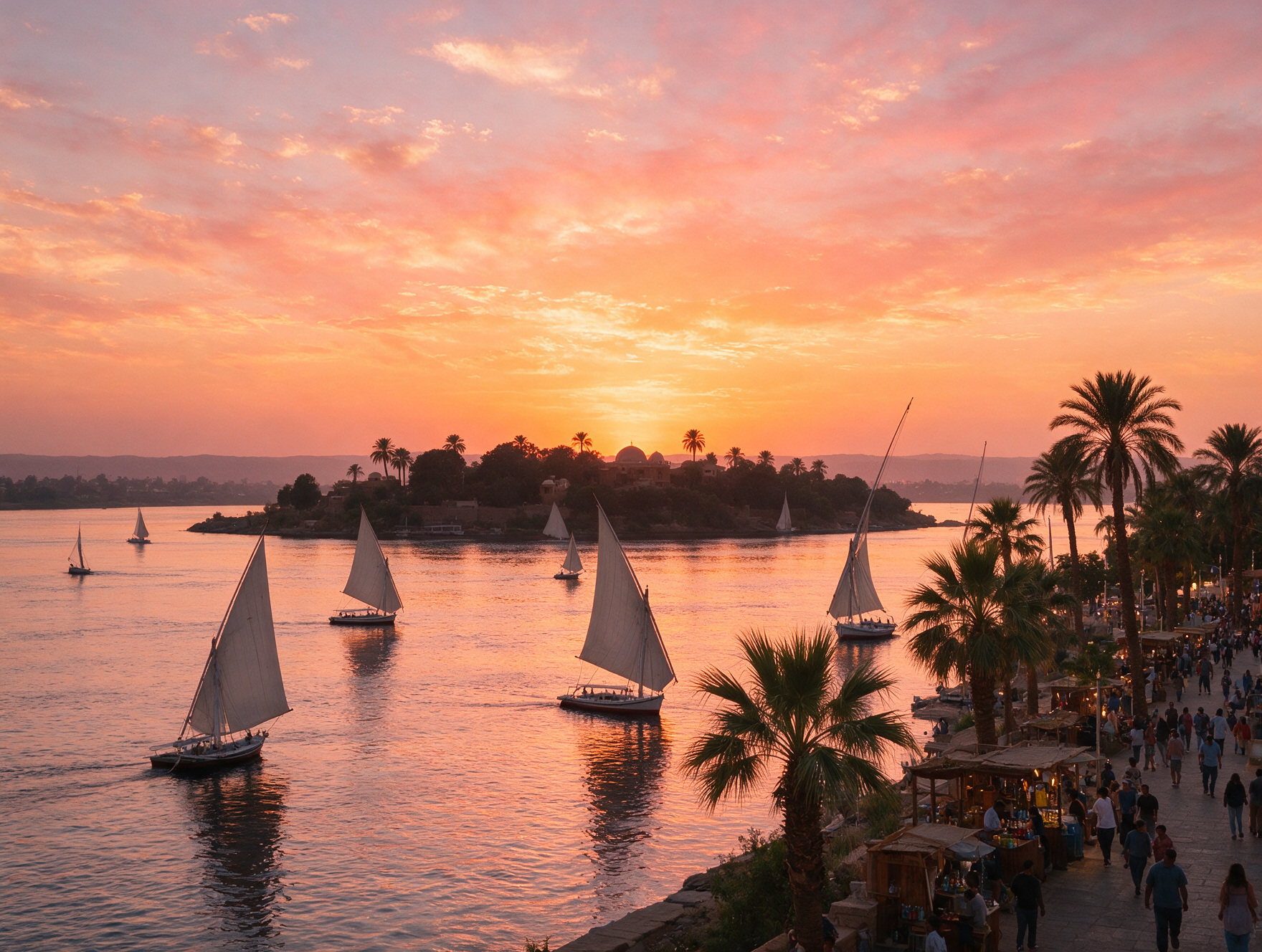
Sunset from the East Bank Corniche. Watching the sun go down behind the Theban hills on the West Bank, from a bench along Luxor’s East Bank promenade, is free and arguably rivals some of the paid temple visits for pure atmosphere — the hills glow orange-pink as the temperature finally drops for the evening.
Walk (part of) the Avenue of Sphinxes. The restored processional avenue connecting Luxor and Karnak temples runs for about 2.7 km, and while the temples themselves require tickets, walking sections of the avenue and viewing the sphinx statues lining it is free and gives you a genuine sense of ancient Thebes’s scale.
Watch the felucca traffic from the Corniche. Even if you don’t book a ride yourself, watching Luxor’s feluccas navigate the Nile in the late afternoon light is a free, unhurried way to spend twenty minutes between paid activities.
Aswan
Walk through the Nubian market. Aswan’s souk is smaller and less overwhelming than Khan el-Khalili in Cairo, and walking its lanes of spices, textiles and handicrafts costs nothing even if you don’t buy — though the dried hibiscus and spice stalls here are genuinely good value if you do want a souvenir.
Watch feluccas from the Corniche at sunset. Aswan’s Corniche, with Elephantine Island and the Nubian hills as a backdrop, is arguably the single best free sunset-watching spot in the entire country — better, some travelers argue, than anything in Cairo or Luxor, purely because of how the light hits the water and the surrounding desert hills.
A fun fact: Aswan sits almost exactly on the Tropic of Cancer, which is part of why ancient Egyptian astronomers used the region for solar observations — the sun’s angle here at the summer solstice was famously used by Eratosthenes to calculate the Earth’s circumference in the 3rd century BCE, using nothing more than a well, a stick, and some careful geometry.
Who Gets the Most Out of Free Egypt Experiences
Solo travelers often get the most out of ahwa culture specifically — sitting alone with tea and a backgammon board nearby is a completely normal, comfortable way to spend an hour, and it’s one of the easier ways to strike up a conversation with a local if you’re open to it. Families traveling with kids should prioritize the Corniche walks over the markets during the hottest parts of the day — open-air markets in Cairo or Aswan get genuinely uncomfortable with children by midday, while a riverside walk stays breezier. Couples should specifically build in the Aswan or Luxor sunset Corniche walk as an actual planned moment rather than an afterthought — it’s consistently one of the most-mentioned “best part of the trip” moments precisely because nobody expects a free activity to outshine a paid temple visit, and it often does.
A smart-spending tip that isn’t really about being cheap: pairing one paid, guided morning (Karnak, the Valley of the Kings, Philae) with one free, unstructured afternoon (a Corniche walk, a market wander) each day tends to produce a better-paced trip than back-to-back paid sites, since it gives you recovery time in the heat and a chance to actually process what you saw that morning instead of rushing to the next ticketed entrance.
Tips for Making the Most of Free Experiences
- Time sunset walks 30-40 minutes before actual sunset to catch the light building, not just the final moment.
- Carry small change even for “free” activities — tea at an ahwa, a small tip for a market vendor who chats with you, or a donation-style entry at a smaller park adds up to genuinely modest amounts but is good practice to have ready.
- Free doesn’t mean unguided is always better — pairing a free Corniche walk with a paid guide’s context on nearby paid sites earlier in the day often makes the free experience more meaningful, since you’ll actually understand what you’re looking at across the river.
Free Photography Spots Worth Knowing
Beyond the Giza panorama viewpoint already mentioned, a few free spots consistently produce better photos than the paid sites right next to them. In Cairo, the view of the Cairo Tower and the Nile skyline from the Zamalek side of the river at blue hour (just after sunset, before full dark) is free and dramatically underrated compared to paying for the tower’s own observation deck. In Luxor, standing on the East Bank Corniche looking west as the Theban hills catch the last light gives you a shot that captures the whole West Bank necropolis in one frame, something you can’t actually do once you’re standing among the tombs themselves. In Aswan, the First Cataract’s exposed granite boulders near the Old Cataract Hotel are free to walk around and photograph, and they’re part of what gave Aswan its ancient reputation as Egypt’s southern gateway.
FAQs
What are the best free things to do in Cairo?
Walking the Nile Corniche at sunset, wandering Khan el-Khalili bazaar without buying anything, and sitting in a traditional ahwa (coffee house) are all genuinely worthwhile and cost little to nothing.
Is there a free way to see the pyramids?
A well-known public viewpoint near Giza gives you the classic wide-angle view of all three pyramids without an entry ticket, though getting up close to the pyramids and Sphinx themselves requires paid entry.
What’s the best free sunset spot in Egypt?
Aswan’s Corniche is frequently cited as the best, with Luxor’s East Bank promenade a close second — both offer river views with dramatic desert-hill backdrops at no cost.
Are Egypt’s museums free on any particular day?
This varies and changes periodically, so check the specific museum’s current policy before visiting — don’t rely on older blog posts for this detail, since free-entry days are one of the more frequently adjusted policies.
Free Doesn’t Mean Forgettable
Some of Egypt’s best moments — a Nile sunset, a coffee house conversation, a market wander — don’t show up on any ticket price list. Build them into your itinerary alongside the paid sites rather than treating them as filler. Get Tripped’s Egypt itineraries already factor in this kind of downtime between the big-ticket monuments.