The packing mistake I see most often with Egypt-bound travelers isn’t about what to bring — it’s about assuming one packing list works for the whole trip. Cairo in December can dip cool enough at night that you’ll want a light jacket, while Aswan the same week is still warm enough for short sleeves at midday. And the modesty question — how much to cover up, and where — genuinely varies between a Nile cruise deck, a mosque visit, and a Red Sea beach day, in ways that a generic “what to pack for the Middle East” list won’t tell you.
Here’s a season-by-season Egypt packing guide built around the actual climate swings across Cairo, Luxor, Aswan and Alexandria, plus the modesty and practical items that matter regardless of when you go.
Table of Contents
Egypt’s Climate, City by City
Cairo and Alexandria sit in a milder Mediterranean-influenced zone, with genuinely cool winter nights (Cairo can drop to 9°C in January) and hot but not extreme summers. Luxor and Aswan, further south in Upper Egypt, are a different story — desert climate, minimal rainfall, and summer highs that regularly hit 40-45°C, occasionally called “life-threatening” heat by local guides for good reason. This split matters enormously for packing, since a single Cairo-Luxor-Aswan itinerary can span both climate zones within the same week.
Winter (November-February): The Best Time to Visit
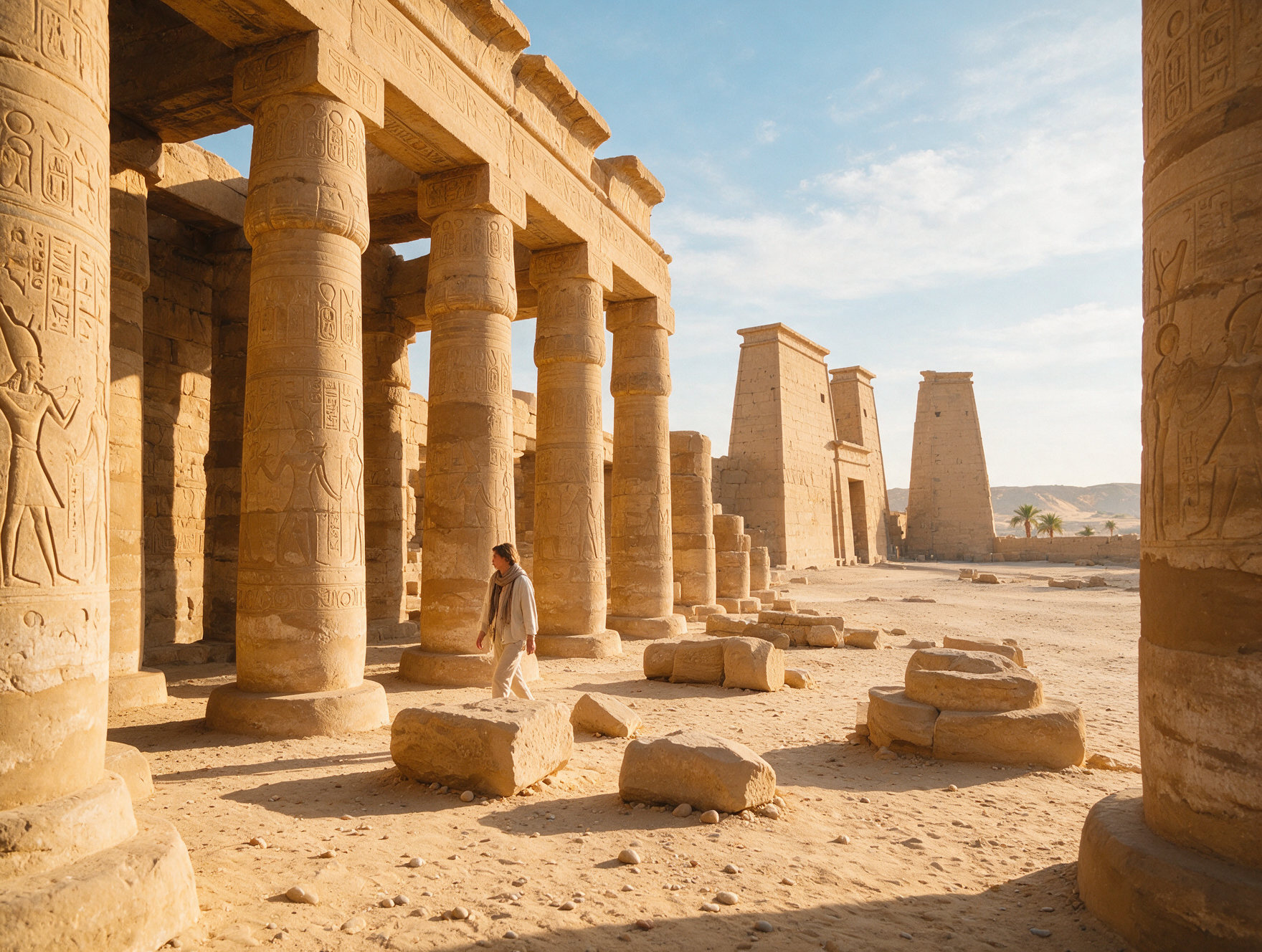
This is peak season for a reason — daytime temperatures across the whole country are comfortable for sightseeing (Cairo and Alexandria around 18-19°C, Luxor and Aswan a pleasant 22-23°C), though evenings, especially in Cairo, genuinely cool down. Pack layers: light long-sleeve shirts or a light sweater for evenings, a proper jacket for early morning starts (especially if you’re doing the 7:30am Giza sunrise strategy), comfortable closed shoes for walking on uneven ancient stone, and a scarf that doubles as a modesty layer for mosque or temple visits. Sunscreen and sunglasses are still essential even in winter — Egypt’s sun is intense year-round given its latitude and lack of cloud cover.
Spring (March-April): Watch for Khamsin Winds
Spring brings rising temperatures and a specific weather phenomenon worth knowing about: the khamsin, a hot, dry, sand-laden wind that can sweep through in sudden bursts, occasionally reducing visibility and covering everything in a fine layer of dust. Pack a light scarf or bandana you can pull over your nose and mouth if a khamsin hits, and consider packing a few extra contact lens supplies or glasses wipes if you wear either, since dust days are genuinely rough on eyes. Otherwise, spring packing is similar to late winter — light layers, sun protection, and comfortable walking shoes — just with lighter fabrics as the month progresses toward the summer heat.
Summer (May-September): Upper Egypt Gets Genuinely Dangerous
We’d steer most travelers away from Luxor and Aswan in peak summer — daytime highs regularly exceed 40°C and can push past 45°C in Aswan specifically, which isn’t just uncomfortable, it’s a real heat-safety issue for extended outdoor sightseeing at places like the Valley of the Kings, which has minimal shade. If summer is your only window, prioritize Cairo and Alexandria, where the Mediterranean coast in particular stays more manageable (around 29-30°C), and if you do go to Luxor or Aswan, restrict outdoor sightseeing to early morning (before 9am) and evening, resting indoors through the brutal midday hours.
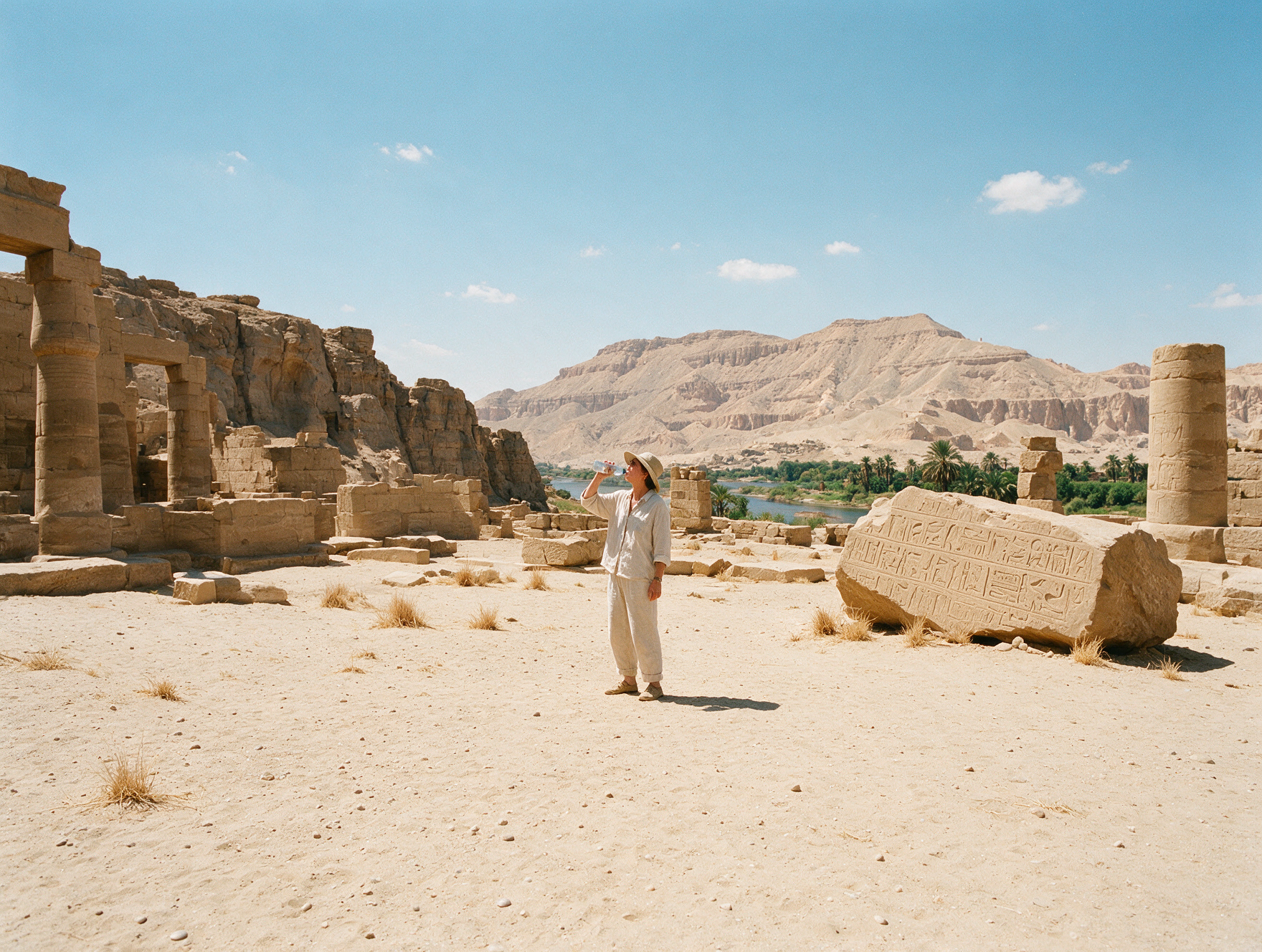
Pack: breathable, loose, light-colored natural fabrics (cotton and linen breathe far better than synthetic blends in this heat), a wide-brimmed hat, a reusable water bottle you can refill constantly, electrolyte sachets (genuinely useful given how much you’ll sweat), and stronger sunscreen than you think you need — SPF 50 minimum, reapplied often.
Autumn (October): The Underrated Shoulder Season
October is a smart pick that doesn’t get enough attention — temperatures are cooling from summer’s extremes but haven’t yet hit peak-season crowd levels or pricing, and Upper Egypt is back to manageable daytime heat (low-to-mid 30s°C) by mid-to-late October. Pack similarly to spring: light layers, strong sun protection, and one slightly warmer piece for early morning or evening river breezes if you’re on a Nile cruise.
Modesty and Dress Codes
Egypt is a majority-Muslim country, and while tourist areas and Nile cruise ships are relatively relaxed about dress, a few situations call for more coverage. Visiting active mosques requires shoulders and knees covered for everyone, and women typically need a headscarf on hand (many mosques provide loaner scarves at the entrance, but carrying your own is more reliable). Away from resort pools and cruise ship decks, looser, more covering clothing — think below-the-knee shorts or skirts and sleeves rather than tank tops — draws less attention and is simply more comfortable in local neighborhoods, markets and smaller towns. This isn’t a legal requirement for tourists in most contexts, but it’s a genuinely good comfort and courtesy call, and one that Indian travelers, especially those used to similar norms in parts of India, often find intuitive already.
Honest note: Red Sea resort areas like Hurghada and Sharm El Sheikh, if you’re extending your trip there, are considerably more relaxed about swimwear and beachwear than Cairo, Luxor or Aswan — don’t over-pack conservative clothing if a beach extension is part of your plan.
What to Pack Regardless of Season
- Comfortable, broken-in closed shoes — sandals are fine for hotel downtime, but tomb and temple floors are uneven stone, and you’ll be on your feet for hours most days.
- A universal power adapter — Egypt uses Type C and F sockets (European-style two-round-pin), 220V, which most Indian appliances aren’t natively compatible with without an adapter.
- A basic medical kit — rehydration salts, any prescription medication in original packaging with a doctor’s note for anything unusual, and standard traveler’s diarrhea medication, since diet changes catch some travelers off guard even when they’re careful.
- A dust-resistant camera bag or phone case — desert sites are genuinely dusty, and gear left exposed accumulates grit fast.
- Cash in small denominations — Egyptian pounds in smaller notes are essential for tips, small vendors and transport, as covered in our transit guide.
Electronics and Photography Gear
Beyond the power adapter already mentioned, pack a portable power bank — long days at sites with no charging access (the Valley of the Kings, Karnak, Philae) drain phone batteries fast, especially with GPS and camera use running most of the day. A lens cloth or small blower brush is worth its weight for anyone bringing a proper camera, since fine desert dust works its way into gear faster than most travelers expect, particularly during a khamsin wind event. If you’re planning to fly a drone at any point, check current Egyptian regulations well before your trip — drone use is heavily restricted around archaeological sites and requires permits that most tourists don’t have time to arrange, so many travelers find it’s simply not worth packing one for this specific trip.
Nile Cruise-Specific Packing
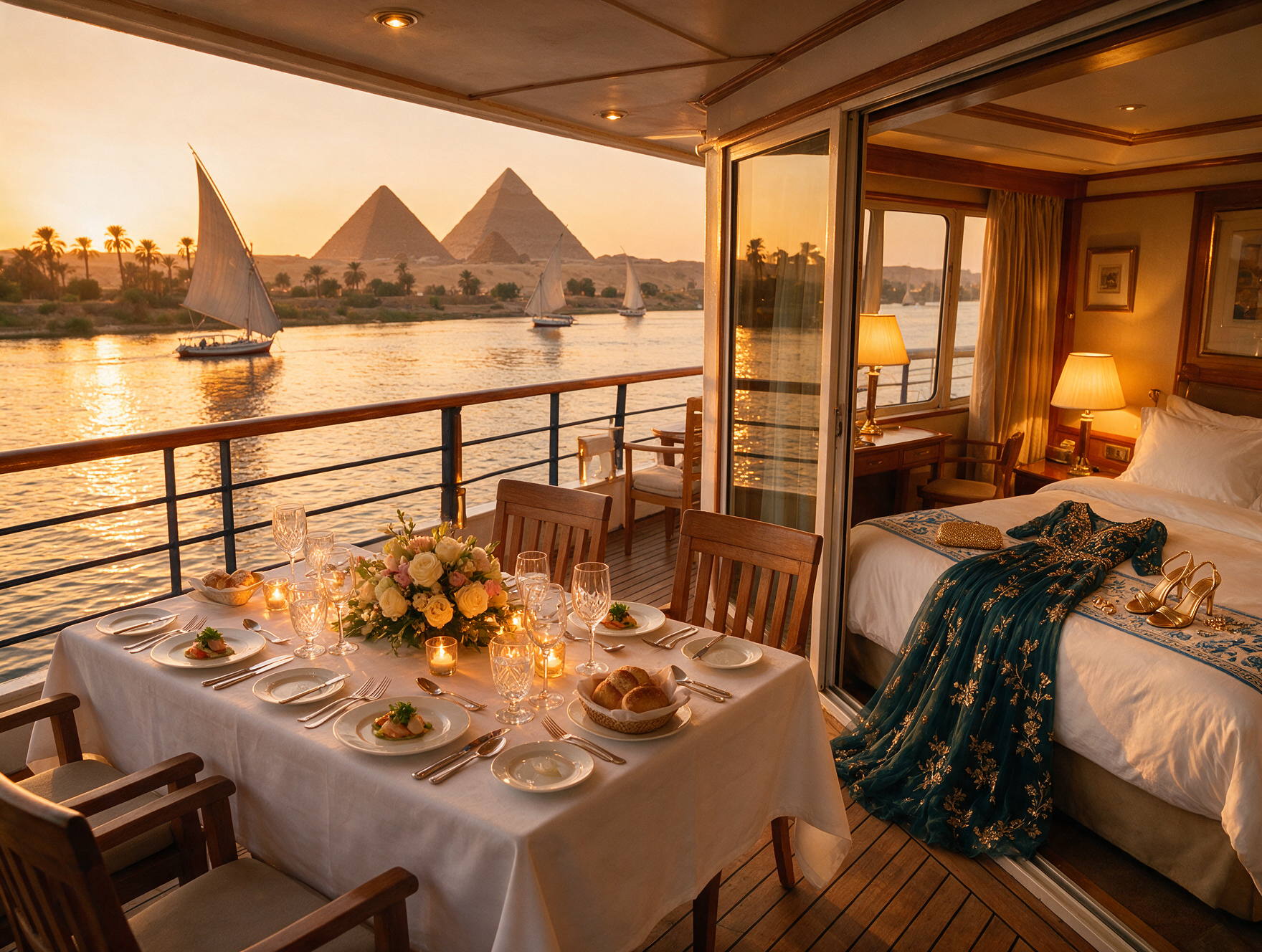
If a Nile cruise is part of your itinerary, add: one slightly dressier outfit for the ship’s evening dinner service (most cruise lines have an implicit smart-casual expectation, not a strict dress code, but it’s noticeable if you’re the only one in shorts and a t-shirt), a swimsuit and cover-up for the ship’s pool deck, a light jacket or shawl for evening deck time when the river breeze picks up, and motion-sickness tablets if you’re at all prone to it, since the Nile’s current can produce a gentle but noticeable sway, particularly through narrower stretches.
Packing Notes by Traveler Type
Families traveling with kids should pack an extra layer of sun protection specifically for children — a lightweight long-sleeve rash guard style top works well for both boat time and general sightseeing, and pack more electrolyte sachets than you think you’ll need, since kids dehydrate faster in desert heat and are less reliable about self-reporting thirst. Couples on honeymoon should pack at least one genuinely nice outfit for a Nile-view dinner in Luxor or Aswan — several riverside restaurants and cruise ships lean into the romantic-dinner setup, and it’s worth having something beyond travel-worn daywear for at least one evening. Luxury travelers staying at five-star properties in Cairo, Luxor and Aswan can pack lighter on the practical end — laundry service is reliably available and often same-day — and prioritize packing for the photography opportunities instead, since these hotels’ pyramid-view or Nile-view settings are worth dressing for.
A smart-spending tip: laundry service through hotels along this route is generally affordable compared to Western pricing, which means packing for roughly 4-5 days of rotation rather than a full trip’s worth of outfits is a genuinely practical way to travel lighter, especially useful given how much dust accumulates on clothing at desert sites.
FAQs
What should I pack for Egypt in winter?
Light layers for daytime, a proper jacket or warm layer for cool evenings (especially in Cairo), comfortable walking shoes, and sun protection — winter is Egypt’s most comfortable season but evenings still get genuinely cool.
Is it safe to visit Luxor and Aswan in summer?
It’s manageable with real precautions (early-morning and evening sightseeing only, heavy hydration, loose light clothing), but daytime heat regularly exceeds 40-45°C, and we’d generally steer travelers toward October-April for this specific region.
Do I need to cover my head in Egypt?
Only when entering active mosques, where women typically need a headscarf and both men and women need shoulders and knees covered. Elsewhere, dress is a comfort and courtesy choice rather than a strict requirement for tourists.
What type of power adapter do I need for Egypt?
Egypt uses Type C and Type F sockets at 220V — bring a universal adapter, since Indian plug types don’t fit natively.
What should I pack specifically for a Nile cruise?
A slightly dressier outfit for dinner, swimwear for the pool deck, a light layer for evening river breezes, and motion-sickness tablets if you’re prone to it.
Pack for the Egypt You’re Actually Visiting
A single packing list rarely works for a Cairo-to-Aswan itinerary, given how much the climate shifts along the way — pack in layers, prioritize sun protection year-round, and adjust for whichever season lines up with your travel dates. Get Tripped’s Egypt trip planning can help you time your visit to the season that suits your itinerary best.