Eight days is the sweet spot for a first Italy trip — long enough to actually settle into Rome instead of sprinting through it, short enough that you’re not trying to force in Sicily, Puglia, and the Dolomites on the same ticket. This Italy 7 nights 8 days itinerary covers Rome, Florence, and Venice, with a day built in for the Amalfi Coast if you’re willing to trade a slower Florence for a coastal detour. We’ll flag that fork when we get to it.
Before You Go: The Shape of This Trip
This itinerary assumes you land in Rome and fly out of Venice or Milan — booking an open-jaw ticket (into one city, out of another) saves you a full day of backtracking compared to a round trip through a single airport. Domestic movement is by train: Trenitalia’s Frecciarossa and the competing Italo high-speed services connect all three cities in under 3 hours each leg, and honestly the train ride between Florence and Venice, cutting through the edge of the Dolomites’ foothills, is a better use of that travel time than a flight would be.
Day 1–3: Rome
Three days in Rome sounds like a lot until you’re standing in the Vatican Museums queue realizing the Sistine Chapel alone deserves an unhurried hour.
Day 1: Land, check into your hotel (Monti or Trastevere neighborhoods put you close to the action without the Piazza Navona markup), and ease in with an evening walk — Trevi Fountain, Pantheon, and a plate of cacio e pepe somewhere without a laminated tourist menu out front. If the restaurant has photos of the food on its menu, walk on.
Day 2: Ancient Rome day. Colosseum and Roman Forum in the morning (book timed-entry tickets in advance — the walk-up line in peak season can eat two hours you don’t have), Palatine Hill in the early afternoon when the crowds thin slightly, and a slower evening in Trastevere for dinner.
Day 3: Vatican Museums and St. Peter’s Basilica first thing — an 8am entry, if you can get it, beats the 11am crowd by a wide margin. Afternoon free for the Galleria Borghese (also timed-entry, book weeks ahead) or just wandering the Monti district’s independent shops, which get skipped by most first-timers rushing between the big three sights.
Day 4–5: Florence
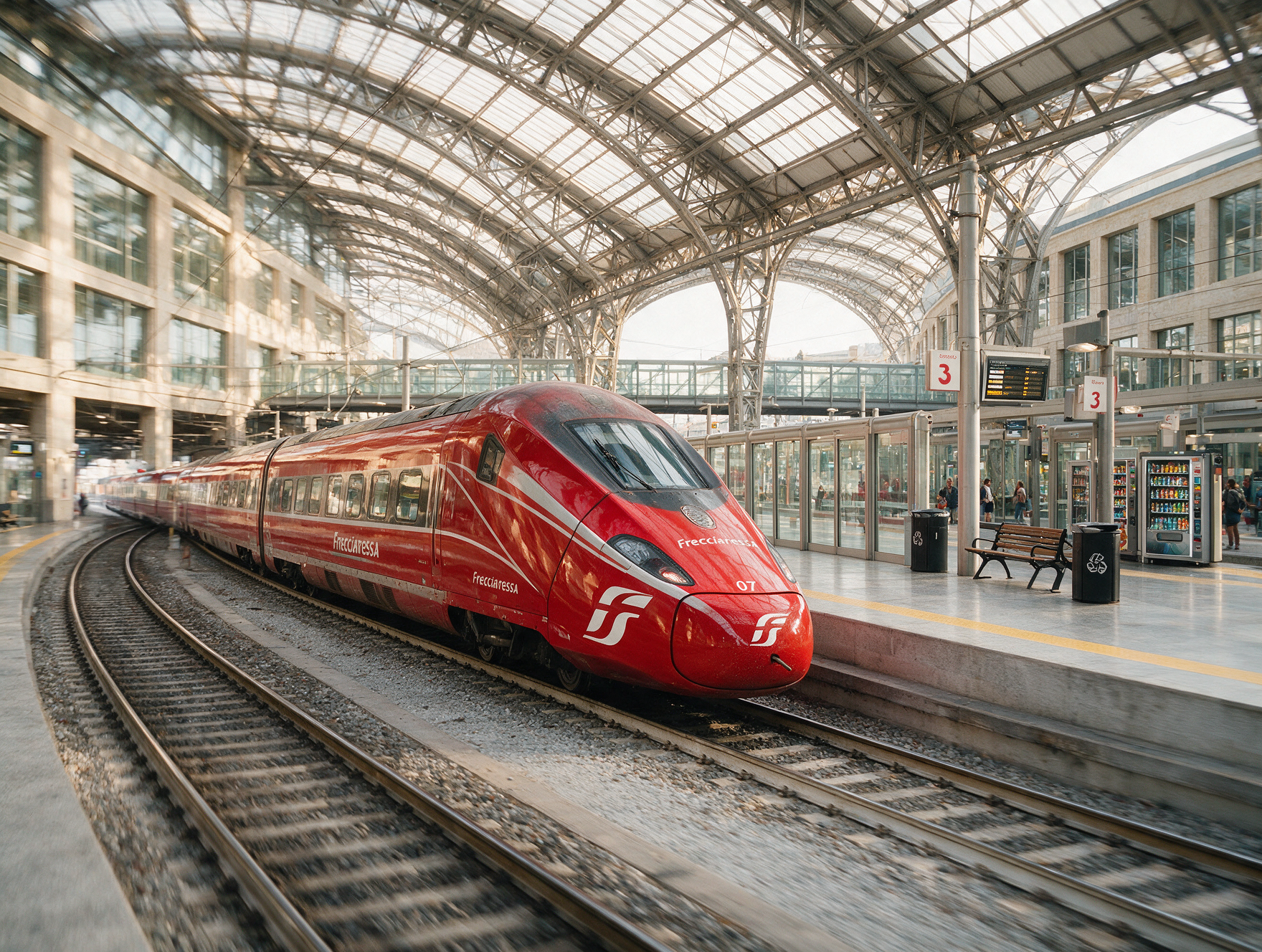
Take the morning Frecciarossa from Roma Termini — about 1.5 hours to Firenze Santa Maria Novella, which drops you inside the historic center, no taxi needed.
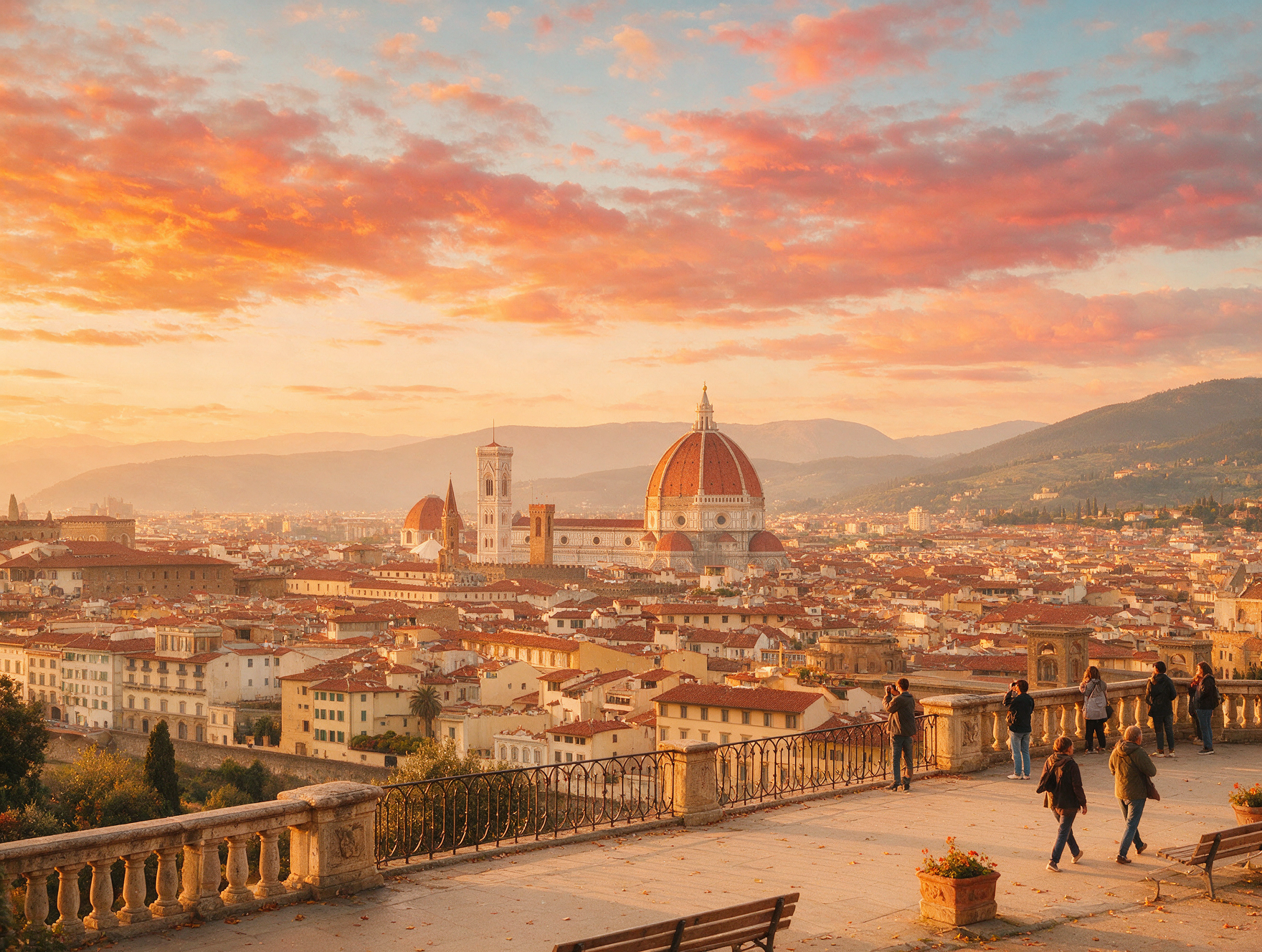
Day 4: Uffizi Gallery in the morning (book ahead, always), then the Duomo complex — climbing Brunelleschi’s dome is worth the 463 steps for the view, but skip it if anyone in your group has real knee issues, since there’s no elevator and no way to turn back partway. Ponte Vecchio at golden hour.
Day 5: Day trip into Tuscany — a half-day tour into Chianti wine country covers rolling vineyard views and a proper Tuscan lunch, or stay in the city for the Accademia (Michelangelo’s David) and the Oltrarno neighborhood, which has better artisan workshops than the main tourist streets and noticeably fewer people in them.
Day 6–8: Venice
Florence to Venice is roughly 2 hours by high-speed train, arriving at Venezia Santa Lucia station — which means you step off the train and directly onto a canal. It’s a genuinely disorienting, wonderful way to arrive somewhere.
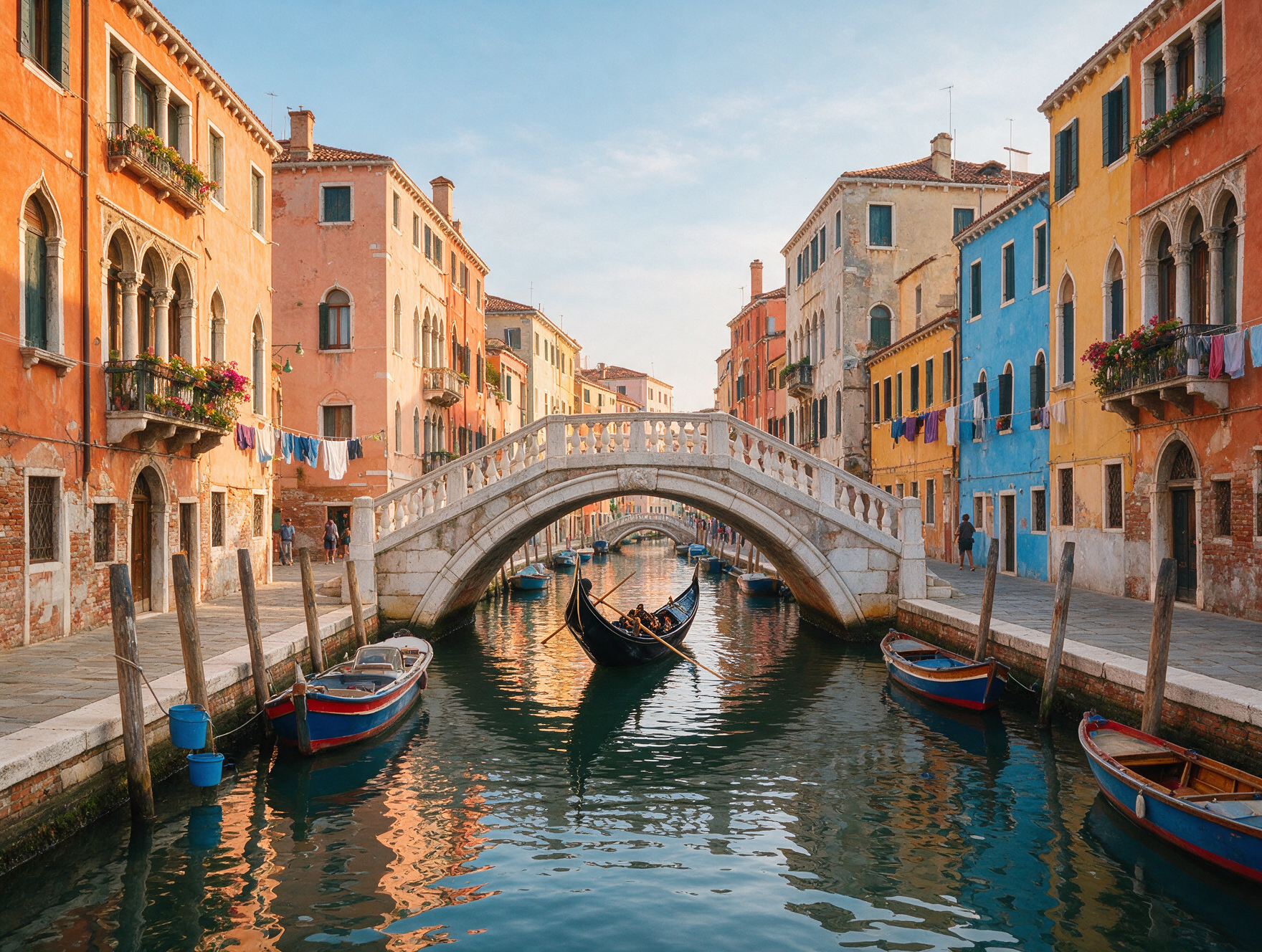
Day 6: Get lost on purpose. Venice’s best experience is wandering without a fixed destination through Cannaregio or Dorsoduro, away from the St. Mark’s Square crush. Save the a proper gondola ride for early evening when the canal light turns gold and the day-trip cruise ship crowds have cleared out.
Day 7: St. Mark’s Basilica and Doge’s Palace in the morning before the cruise ship crowds arrive (they usually hit peak density around 10:30am), then a vaporetto out to Murano and Burano for glassblowing and the famously colorful houses — go in that order, since Burano’s light is better in the afternoon.
Day 8: Departure day. If your flight is from Venice Marco Polo, budget the vaporetto-plus-bus or water taxi transfer time generously — it’s slower than it looks on a map.
The Amalfi Coast Fork
If turquoise water and cliffside towns matter more to you than a second Tuscan day, swap Day 5 for a train down to Naples and a transfer to Positano or Amalfi. It’s a longer travel day (Florence to the Amalfi Coast is close to 5 hours door to door), so this only works if you’re willing to sacrifice some Florence downtime, or if you extend the trip to 9 nights instead of 7. We’d rather tell you honestly that cramming both in 8 days does neither justice than sell you a itinerary that looks impressive on paper and feels rushed in person.
Where to Stay
For a first Italy trip, boutique hotels in central locations beat big chains on the outskirts, even at a similar price point — you’re paying for walkability, not just square footage. In Rome, look at Monti or Trastevere. In Florence, the Oltrarno side of the river is quieter than the Duomo-adjacent streets. In Venice, Cannaregio gives you Venice’s charm without the San Marco premium.
Rough Costs
Mid-range travelers should budget €150–250 per person per day covering hotels, meals, trains, and museum tickets — more if you’re adding a Michelin-recommended dinner or two, which, in this destination, you should. High-speed train tickets between the three cities run €30–90 per leg depending on how far ahead you book (book at least 3–4 weeks out for the better fares).
Getting There from India
Air India runs direct Delhi–Rome service four times weekly and daily Delhi–Milan flights on Boeing 787s, both around 7.5–8.5 hours. From Mumbai and other cities, one-stop options via Istanbul (Turkish Airlines), Dubai, Doha, or a European hub add a few hours but open up more schedule flexibility.
Frequently Asked Questions
Is 8 days enough for Rome, Florence, and Venice?
Yes, if you accept you’re seeing the highlights rather than every museum and neighborhood. Three cities in 8 days means roughly 2.5 days each, which is enough to not feel rushed but not enough to see everything — that’s just the nature of a first Italy trip.
Should I book trains before arriving in Italy?
Yes — the cheapest fares on Frecciarossa and Italo sell out weeks in advance, and last-minute tickets on the same route can cost 2–3x more.
Is it better to fly or take the train between Rome, Florence, and Venice?
Train, without much debate. City-center to city-center by high-speed rail beats flying once you account for airport transfer and security time, and the scenery is a genuine part of the experience.
What’s the best month for this itinerary?
May, June, or September give you 22–27°C days without peak-July crowds and heat. September edges it out slightly for fewer tourists.
Ready to Book This Route?
This itinerary is a starting template, not a rigid script — Get Tripped can adjust the pacing, swap in the Amalfi Coast fork, or extend it to 10–12 days if you want more breathing room. See our Italy tour packages or get in touch for a custom Italy itinerary built around your actual dates and travel pace.