Italy has a reputation for being an expensive country to sightsee in — timed-entry museum tickets, skip-the-line surcharges, guided tour add-ons — but some of the best things we did across Rome, Florence, Venice, and Milan cost nothing at all. This list of free things to do in Italy covers real, specific spots worth building into your itinerary, not padded filler like “walk around and enjoy the atmosphere.”
Rome
The Pantheon — Free to enter (a change from a few years ago when it was also free; double-check current policy before you go, since Rome has occasionally floated entry fees for this one). The oculus at the top, open to the sky, still works as an ancient sundial nearly 2,000 years after it was built.
Trevi Fountain and the Spanish Steps — Both free to visit, though the fountain gets genuinely crowded by mid-morning. Go before 8am if you want the classic photo without fifty other people in frame.
Villa Borghese Gardens — Rome’s large central park is free to wander (the Galleria Borghese museum inside it isn’t), with a lake, a small zoo, and enough shaded paths to make a hot afternoon bearable.
Basilica exteriors and several church interiors — Most of Rome’s churches, including significant ones like Santa Maria Maggiore and San Giovanni in Laterano, are free to enter, and some hold artwork that would command a ticket price anywhere else in the world.
Florence
Piazzale Michelangelo — The single best sunset view of Florence, completely free, a 20-minute walk (or short bus ride) up from the Arno. Arrive 30-45 minutes before sunset to get a spot along the wall before it fills in.
Ponte Vecchio — Free to walk across, and worth doing at both midday (for the jewelry shop windows) and evening (for the river light).
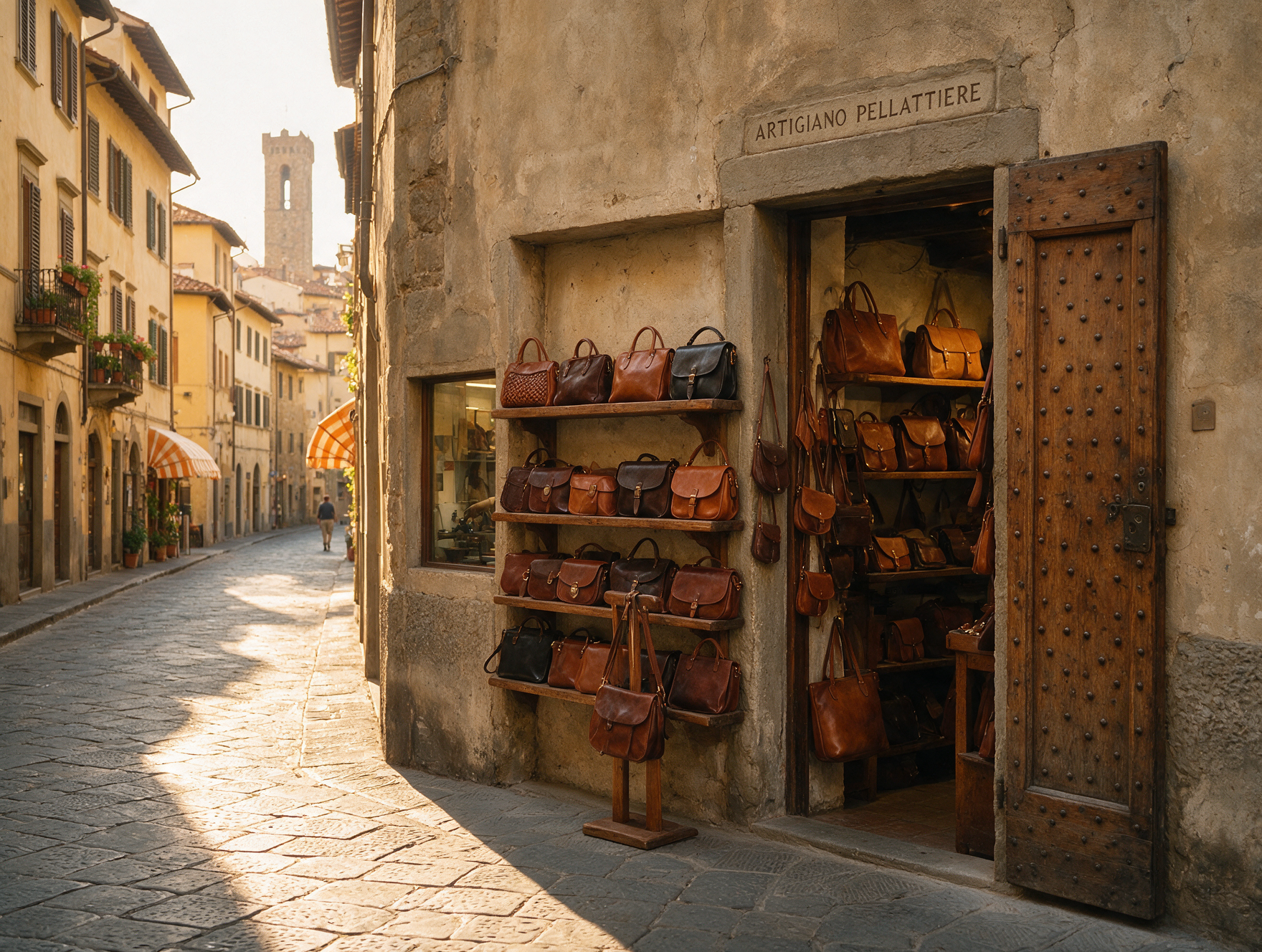
Basilica di Santa Croce’s exterior and the Oltrarno district — The Oltrarno side of the river has Florence’s best concentration of working artisan workshops — leatherworkers, frame-makers, restorers — many with open doors where you can watch someone actually working, no ticket required.
Venice
Giardini della Marinaressa / Remembrance Park — A genuinely peaceful green space away from the Rialto crush, good for a free break with lagoon views.
The Jewish Ghetto (Cannaregio) — Venice’s historic Jewish quarter, dating to 1516, is quiet, atmospheric, and rarely crowded — a real neighborhood rather than a photo-op street.
Venice Arsenale exterior — The former shipyard’s exterior and surrounding walk tell you a lot about Venice’s maritime history without paying the interior admission fee.
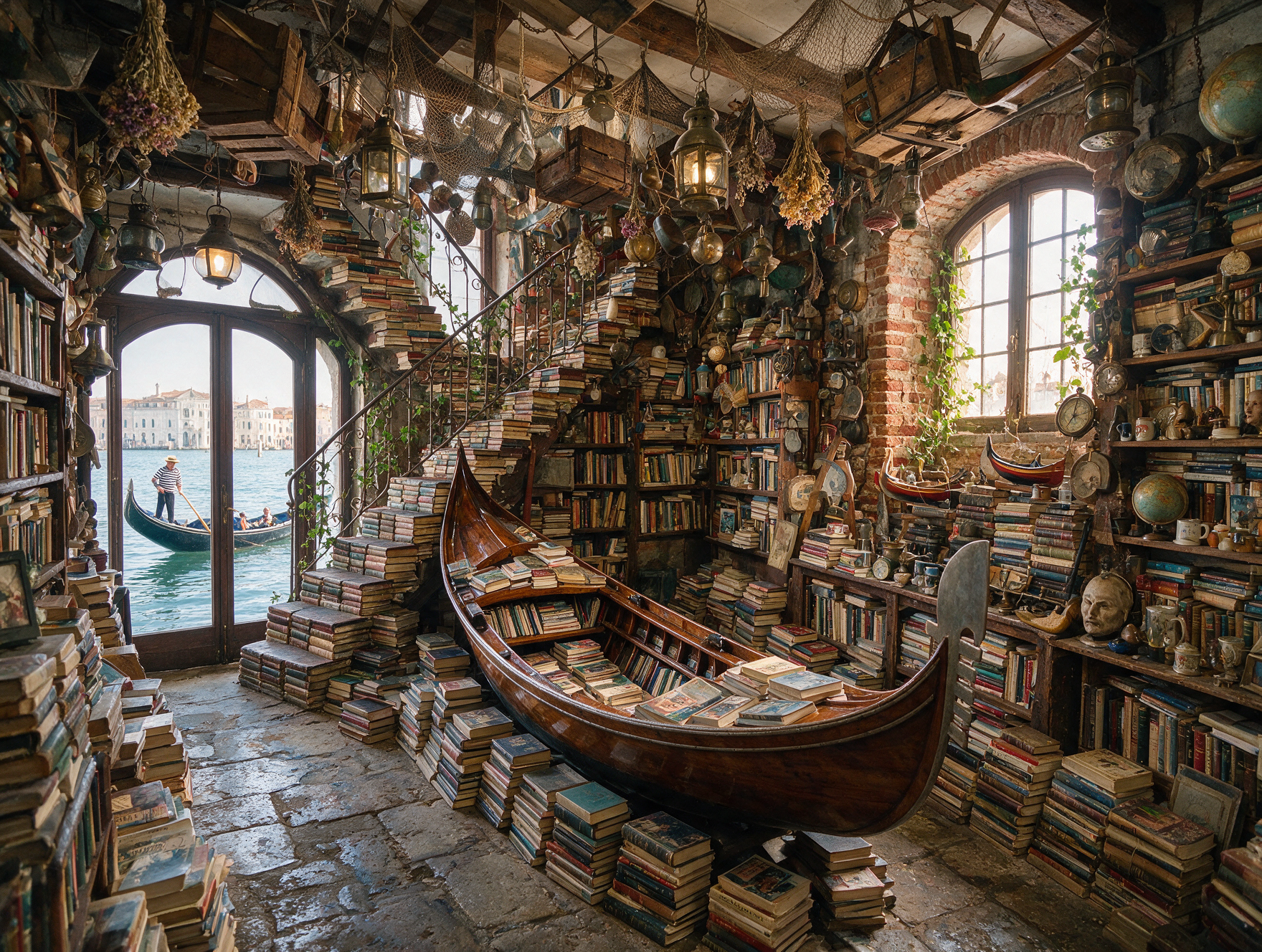
Acqua Alta Bookshop — A famously flooded secondhand bookstore with a full gondola of books inside — free to browse, and one of Venice’s more photogenic oddities. Go early to avoid the queue that builds by midday.
Milan
Duomo di Milano exterior — The cathedral’s exterior, one of the most elaborate Gothic facades in Europe, is free to admire; only the interior and rooftop terraces charge entry.
Castello Sforzesco courtyards — Free to enter and wander for as long as you like; only the museums inside the castle charge a fee.
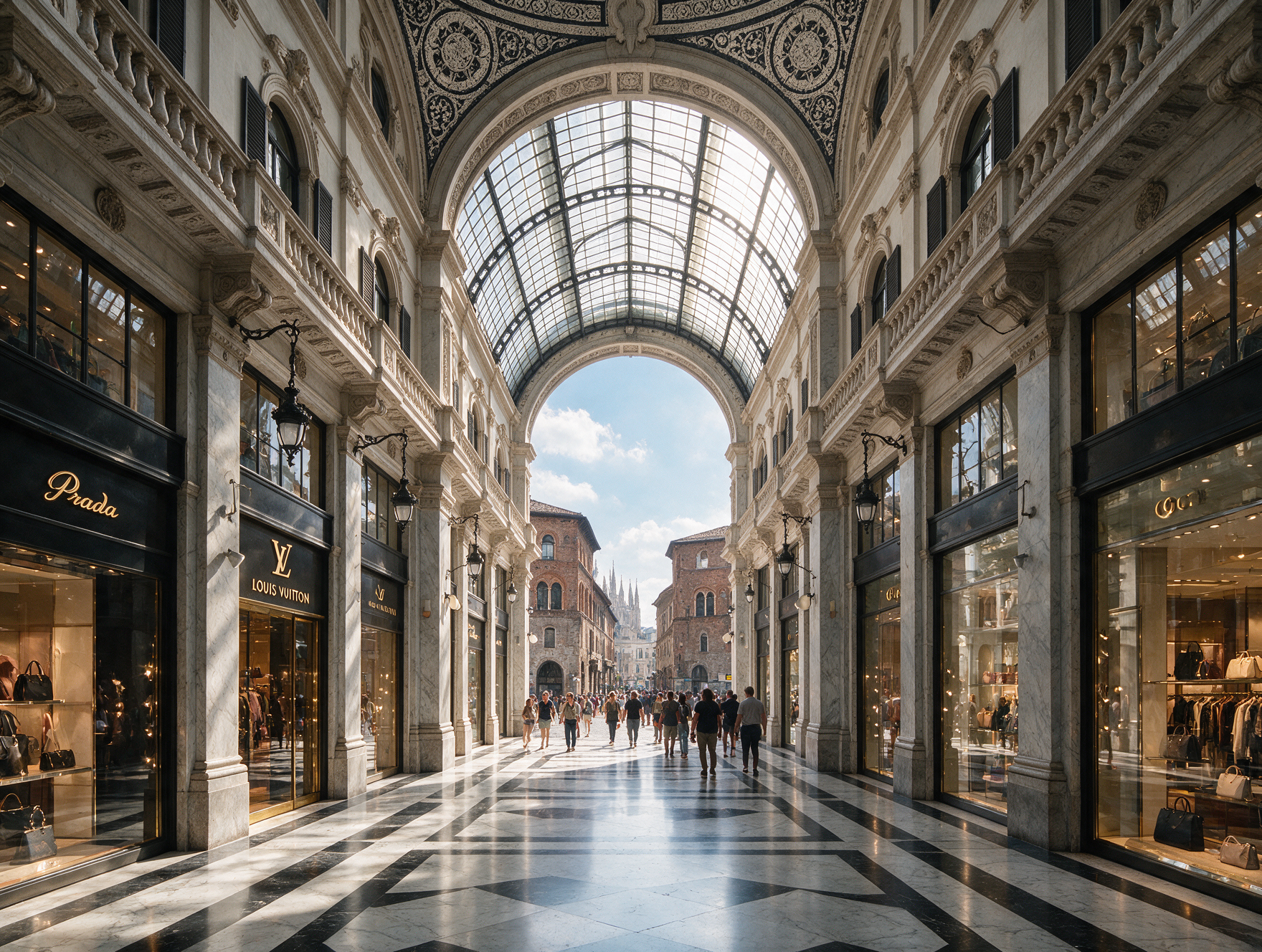
Galleria Vittorio Emanuele II — This grand 19th-century shopping arcade is free to walk through 24 hours a day, and worth seeing even if you’re not buying anything from the luxury stores inside.
Parco Sempione — A 95-acre park behind Castello Sforzesco with a lake and an amphitheater, always free, and a good place to decompress after a museum-heavy morning.
Navigli canal district — Free to stroll, with an antique market on the last Sunday of each month along the Naviglio Grande towpath.
A Timing Tip That Saves Money
Many Italian state museums offer free entry on the first Sunday of every month — this applies to some (not all) major sites in Rome, Florence, and Milan, but it also means significantly larger crowds than a normal paid day. Worth it if budget matters more than crowd levels; skip it if you’d rather pay and see the place properly.
Frequently Asked Questions
Are museums free in Italy?
Not generally, but many state museums offer free entry on the first Sunday of each month, and some smaller civic museums (like Milan’s Palazzo Morando) are free year-round.
Is the Pantheon in Rome free?
As of our latest research, yes, but this has changed before and could again — check current policy close to your travel dates rather than assuming.
What’s the best free view in Florence?
Piazzale Michelangelo, especially at sunset — it’s the postcard view of the whole city and costs nothing.
Can you see Venice without spending money on attractions?
Yes — walking the back streets of Cannaregio and Dorsoduro, visiting the Jewish Ghetto, and browsing the Acqua Alta Bookshop all cost nothing, though you’ll still pay for vaporetto transit and any food along the way.
See More Without Spending More
A well-planned Italy itinerary balances free highlights with the paid sights genuinely worth the ticket price. Get Tripped can help you figure out which is which. Browse our Italy tour packages or get in touch for a custom Italy itinerary that makes the most of both.