We packed for a “mild European spring” once and landed in Rome to a cold snap that had locals in wool coats while we shivered in the light jackets every packing list told us would be enough. Italy’s weather varies more by region and week than most generic guides account for, and this Italy packing guide by season is built around what you’ll actually need in Rome, Florence, Venice, Milan, the Amalfi Coast, and Lake Como at different times of year — not a one-size-fits-all list.
Spring (March–May)
Temperatures climb steadily from around 16°C in March to 23°C by May, with the season known for sudden rain showers, especially in March and early April.
- A packable rain jacket or compact umbrella — you will get caught out at least once
- Layers: a light sweater or cardigan over a t-shirt handles the morning-to-afternoon temperature swing
- Comfortable, broken-in walking shoes — cobblestones in Rome and Florence are genuinely tough on new shoes
- One smarter outfit for a nicer dinner — Italians dress a notch more formally than most Indian travelers expect, even at mid-range restaurants
Summer (June–August)
Peak warmth, 27-30°C, with July hitting up to 11 hours of daily sunshine. This is also peak tourist season, and peak heat — Rome and Florence especially can feel brutal by early afternoon.
- Breathable, lightweight fabrics — linen and cotton over synthetics, which trap heat
- A hat and sunglasses; shade is scarce in places like the Roman Forum with no natural cover
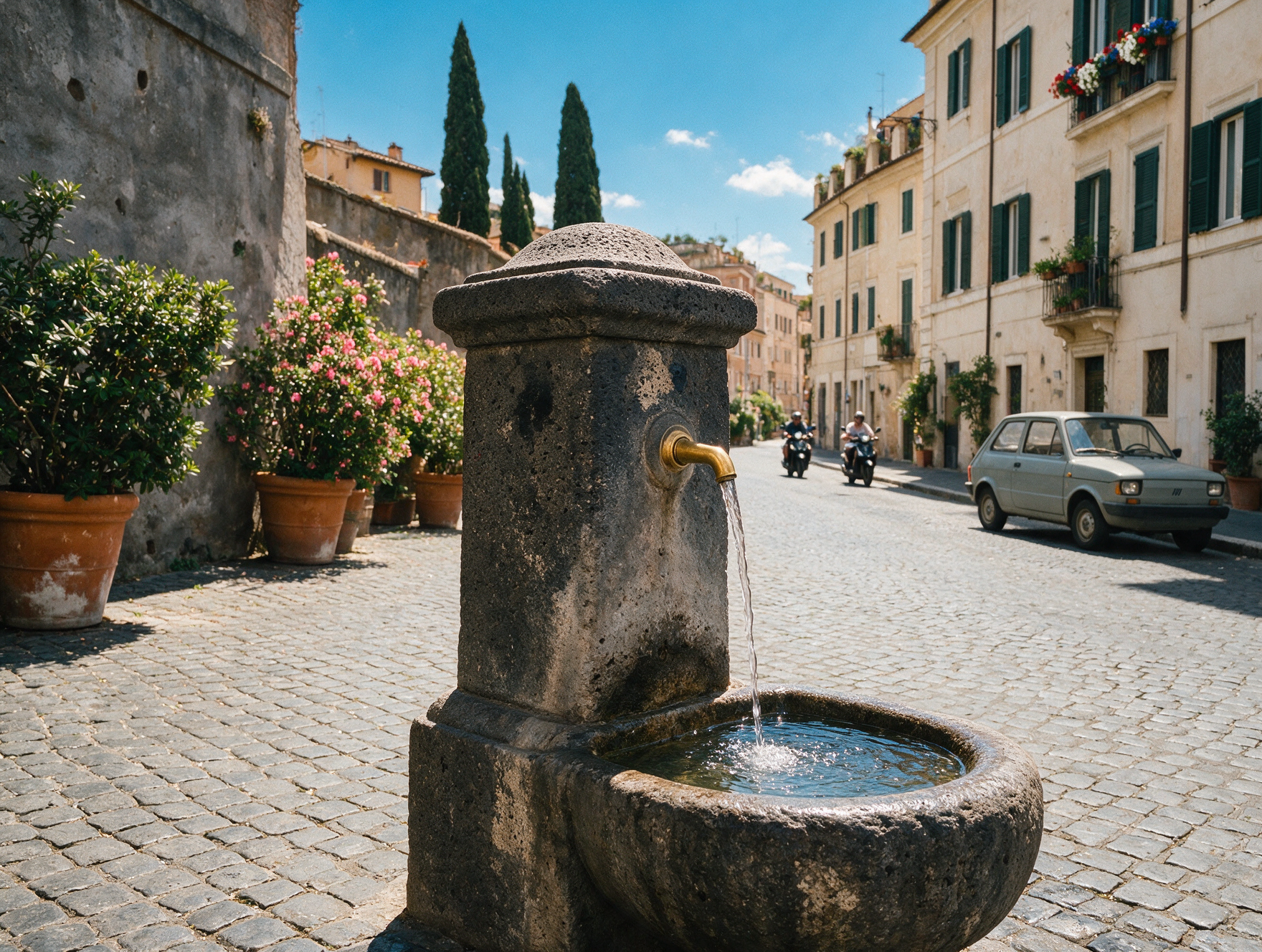
- A reusable water bottle — Rome’s public drinking fountains (nasoni) are free and safe to refill from, and this is one of the city’s most underrated free amenities
- A light scarf or shawl for church visits — many churches, including St. Peter’s Basilica, require shoulders and knees covered, and turn away visitors in tank tops or shorts
- Sandals for the Amalfi Coast, but bring one sturdier pair too — the coastal paths and cliffside steps aren’t sandal-friendly for long walks
Autumn (September–October)
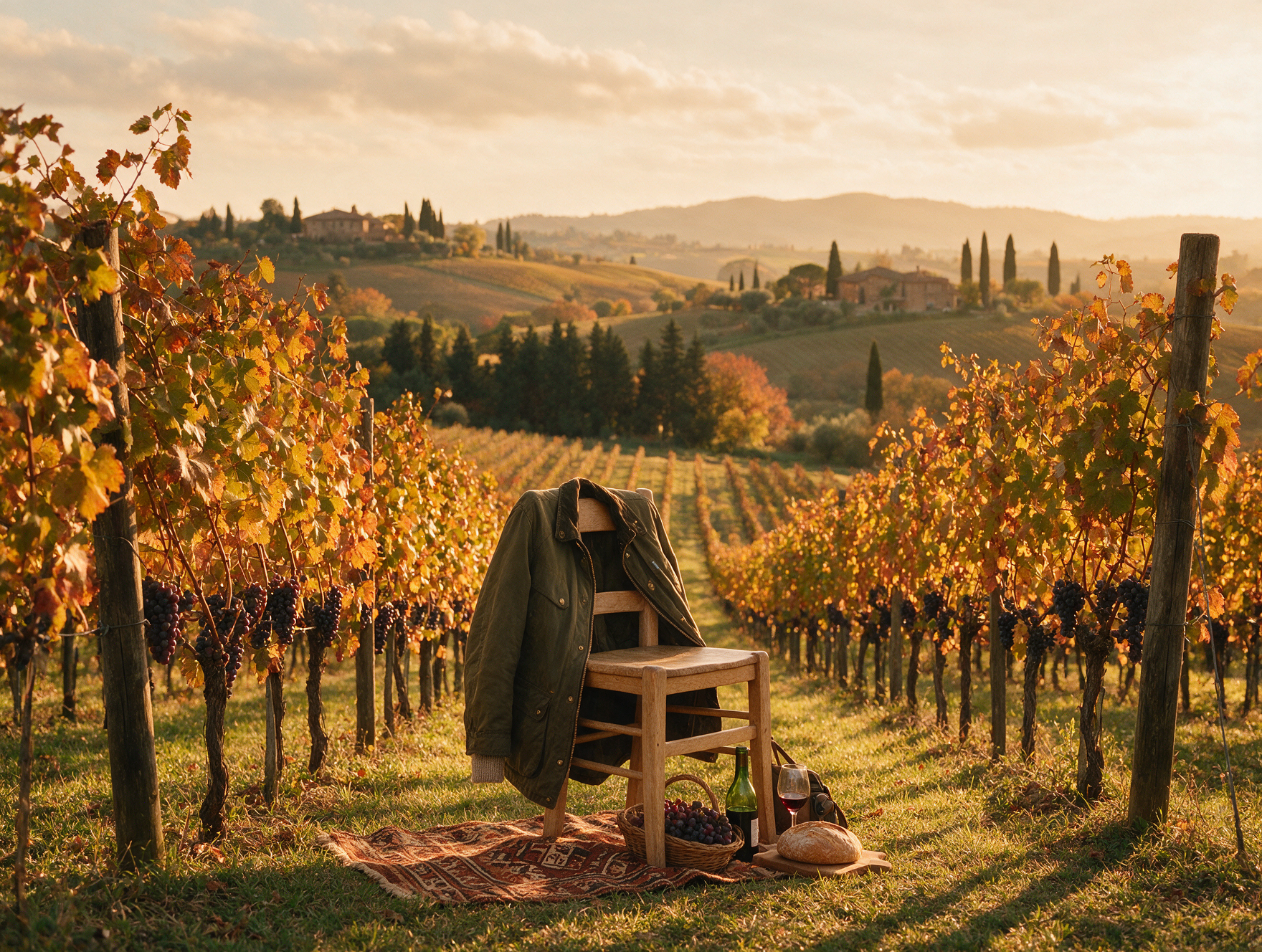
Our pick for the best overall season — 22-27°C, fewer crowds than summer, and Italy’s grape and olive harvest season if you’re routing through wine country. September rates especially well for balancing weather and crowd levels.
- Light layers again, similar to spring but with less rain risk
- A light jacket for cooler evenings, especially around Lake Como and in the Dolomites-adjacent stretch between Florence and Venice
- Comfortable walking shoes remain non-negotiable
Winter (November–February)
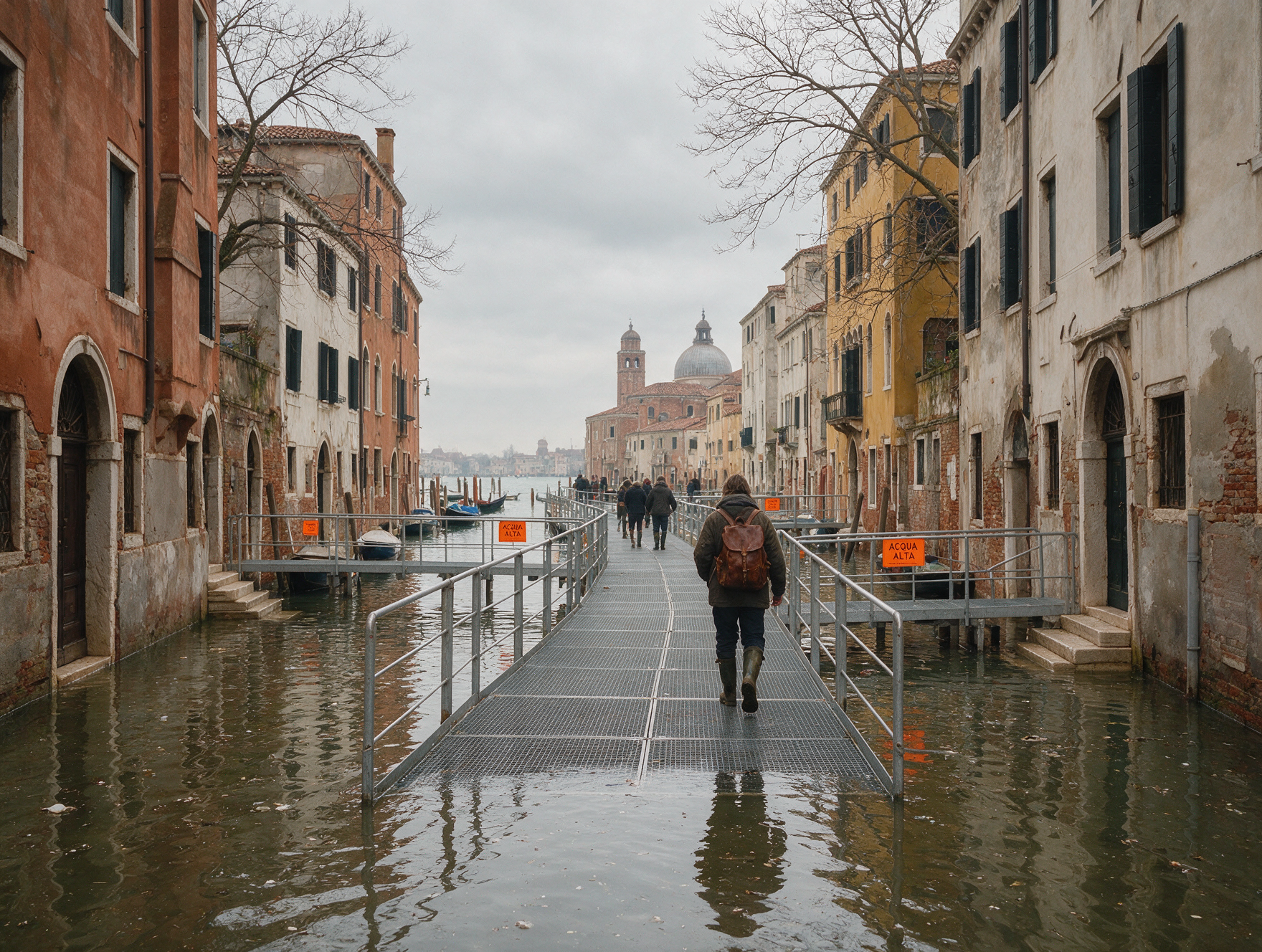
Cool at 12-17°C with limited daily sunshine (4-5 hours), plus genuine cold snaps, especially in Milan and the north. Venice in particular can flood during acqua alta season (typically October-January), which catches visitors off guard if they haven’t checked tide forecasts.
- A proper insulated coat, not just a light jacket — northern Italy in December is colder than most Indian travelers expect
- Waterproof shoes or boots, especially for Venice during acqua alta season, when raised walkways go up in flooded areas but streets can still be wet underfoot
- Gloves and a scarf if you’re sensitive to cold — heating in older Italian buildings and budget accommodations is not always as strong as you’d expect
- Fewer crowds and lower hotel prices are the upside — Christmas markets in the north (Bolzano, Trento) are also worth building a trip around if timing allows
Packing Tips That Apply Year-Round
Bring a universal power adapter (Italy uses Type C/F/L sockets, different from Indian Type D/M plugs) and a portable charger for long sightseeing days. Pack a day bag with a zip closure — pickpocketing is a real, documented issue around major tourist sites like the Colosseum and Termini station, more a matter of petty theft than violent crime, but worth a moment’s extra vigilance. And bring at least one outfit smarter than “tourist casual” — Italians notice, and a slightly more put-together look gets you marginally better service in restaurants, which is a small but real thing.
A Mistake to Avoid
Don’t over-pack for heat and under-pack for evenings, especially in shoulder season. A 23°C afternoon in Florence in April can drop to 10°C by 9pm, and a single light jacket that felt unnecessary at 2pm becomes essential three hours later.
Frequently Asked Questions
What should I pack for Italy in summer?
Lightweight breathable fabrics, a hat and sunglasses, a scarf for church visits, and sturdier shoes even if you’re tempted to pack only sandals — cobblestones and cliffside paths punish flimsy footwear.
Is Italy cold in winter?
Yes, especially in the north — Milan and Lake Como see genuinely cold temperatures (12-17°C daytime, colder at night), and Venice can experience seasonal flooding (acqua alta) from October through January.
Do I need formal clothes for Italy?
Not formal exactly, but “smart casual” goes further than pure tourist-casual, especially for dinners and church visits, where shoulders and knees need covering regardless of season.
What’s the best season to visit Italy?
September edges out the competition — pleasant 22-27°C weather, thinning summer crowds, and harvest season if you’re routing through wine country.
Pack Smart, Travel Light
Whatever season you’re traveling in, Get Tripped can tailor your Italy itinerary to the weather and crowd patterns of your specific travel window. Explore our Italy tour packages or reach out for a custom Italy itinerary built around your season and travel style.