We once watched a couple sprint through Roma Termini with 20 minutes to spare, only to realize they’d validated a regional ticket for a high-speed train seat that didn’t exist — regional tickets don’t come with seat assignments, and they’d been trying to sit in someone else’s reserved Frecciarossa seat for ten confused minutes before a conductor sorted it out. Italy’s public transit system is genuinely good, but it has quirks that catch first-timers, and this guide covers how to move between and within Rome, Florence, Venice, Milan, and the wider country without the confusion.
Getting Between Cities: Trenitalia vs. Italo
Trenitalia is the state operator and runs the Frecciarossa high-speed trains (up to 300 km/h) connecting Milan, Florence, Rome, and Naples, plus the entire regional network. Italo is a private competitor on the same major high-speed routes — Turin, Milan, Venice, Bologna, Florence, Rome, Naples — often at competitive prices. Neither operator’s app shows the other’s trains, so if you want to compare fares properly, use an aggregator like Trainline or Italiarail before booking direct.
Booking tip: Fares are dynamic, like airline tickets. A Rome–Florence economy fare booked a month out might run €20-30; the same route booked the morning of travel can hit €70-90. Book as early as your itinerary allows — ideally 3-4 weeks ahead for the best prices.
Sample journey times: Rome–Florence about 1.5 hours, Florence–Venice 2-3 hours, Milan–Rome around 3.5 hours by high-speed train.
Regional Trains vs. High-Speed
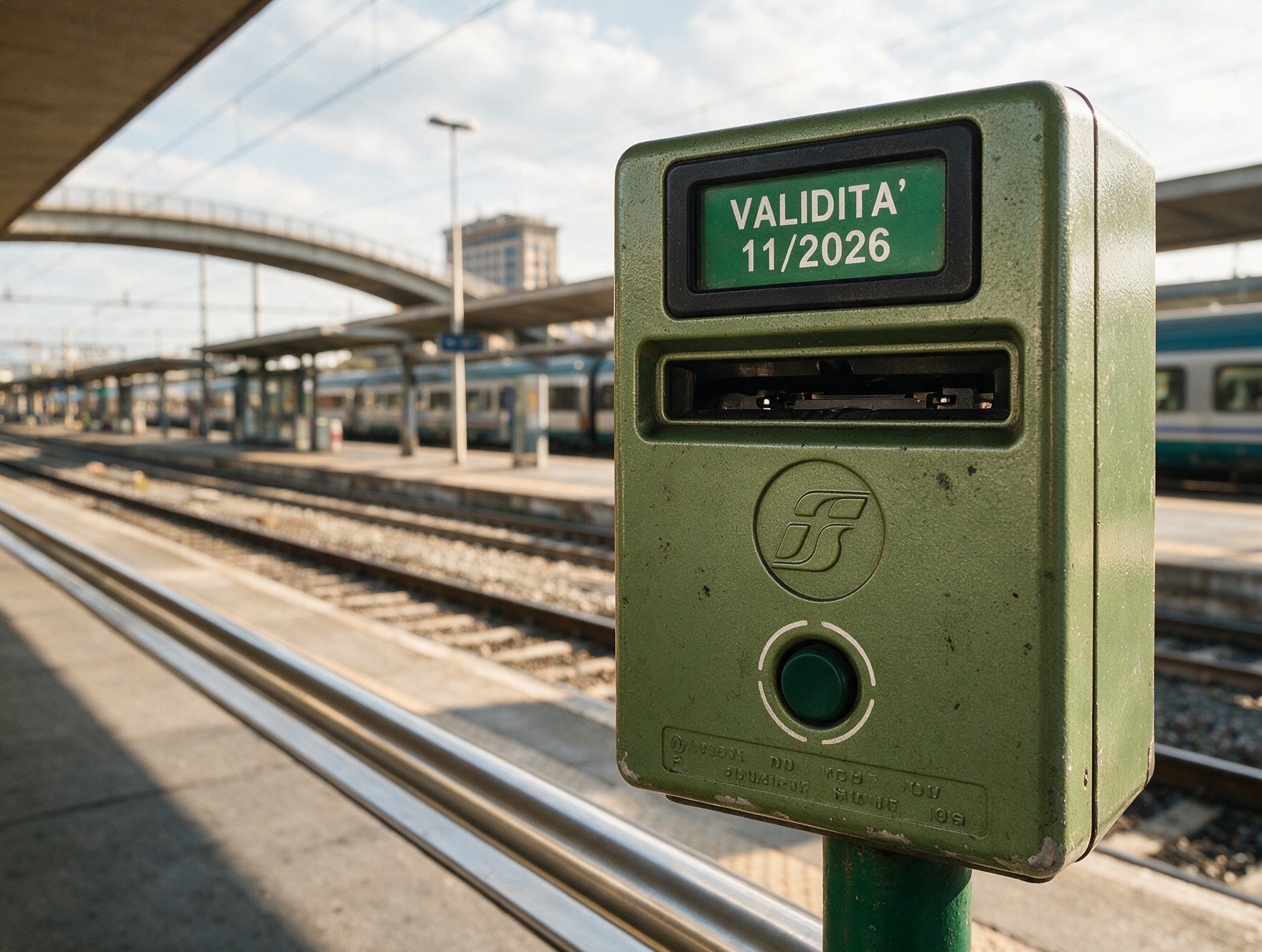
Regional trains (marked “R” or “RV”) are slower, cheaper, unreserved-seating trains used for shorter hops — day trips to smaller towns, or budget-conscious travel between nearby cities. You must validate a regional ticket at the small green or yellow machines on the platform before boarding — failing to do this is one of the most common (and expensive) mistakes visitors make, since inspectors treat an unvalidated ticket as if you hadn’t bought one at all, with an on-the-spot fine. High-speed Frecciarossa and Italo tickets are pre-assigned to a specific train and seat, so validation doesn’t apply the same way — but you do need the correct ticket for the correct train time, since these aren’t flexible like regional fares.
Getting Around Rome
Rome’s metro has just two main lines (A and B, plus a newer C line still expanding), which undersells the city’s actual transit needs — expect to supplement with buses run by ATAC for anywhere the metro doesn’t reach. A single ticket (€1.50) covers 100 minutes across metro, bus, and tram, and a 24-hour or 72-hour pass is worth it if you’re moving around a lot. Walking is often just as fast in the historic center, where most major sights sit within a compact, walkable core.
Getting Around Florence
Florence’s historic center is small enough to walk almost entirely on foot — most visitors won’t need transit at all beyond arriving at the train station. For excursions into the surrounding Tuscan countryside (Chianti, Siena, Pisa), regional trains or a guided day tour cover the distance better than trying to self-drive, especially since parking in Florence’s restricted traffic zones (ZTL) can result in fines mailed to your home address months later if you’re not careful.
Getting Around Venice
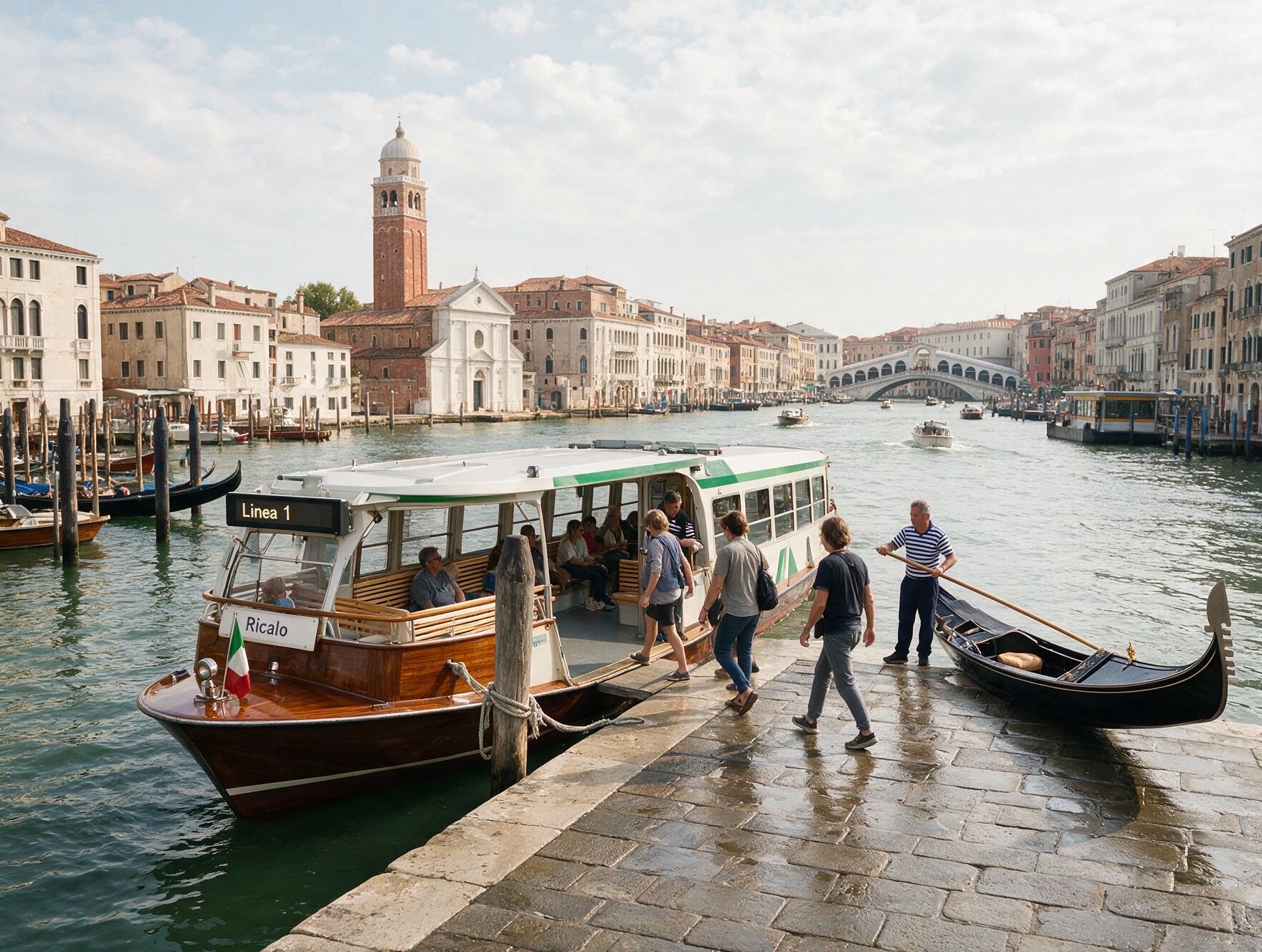
There are no cars or buses in central Venice — vaporetti (waterbuses), run by ACTV, are the city’s public transit, along with your own two feet across an enormous network of bridges. A single vaporetto ride is pricier than you’d expect (around €9.50), so a 24, 48, or 72-hour pass makes sense if you’re hopping between islands like Murano and Burano. Water taxis exist but run considerably more expensive — reserve those for a special arrival or departure, not routine transit.
Getting Around Milan
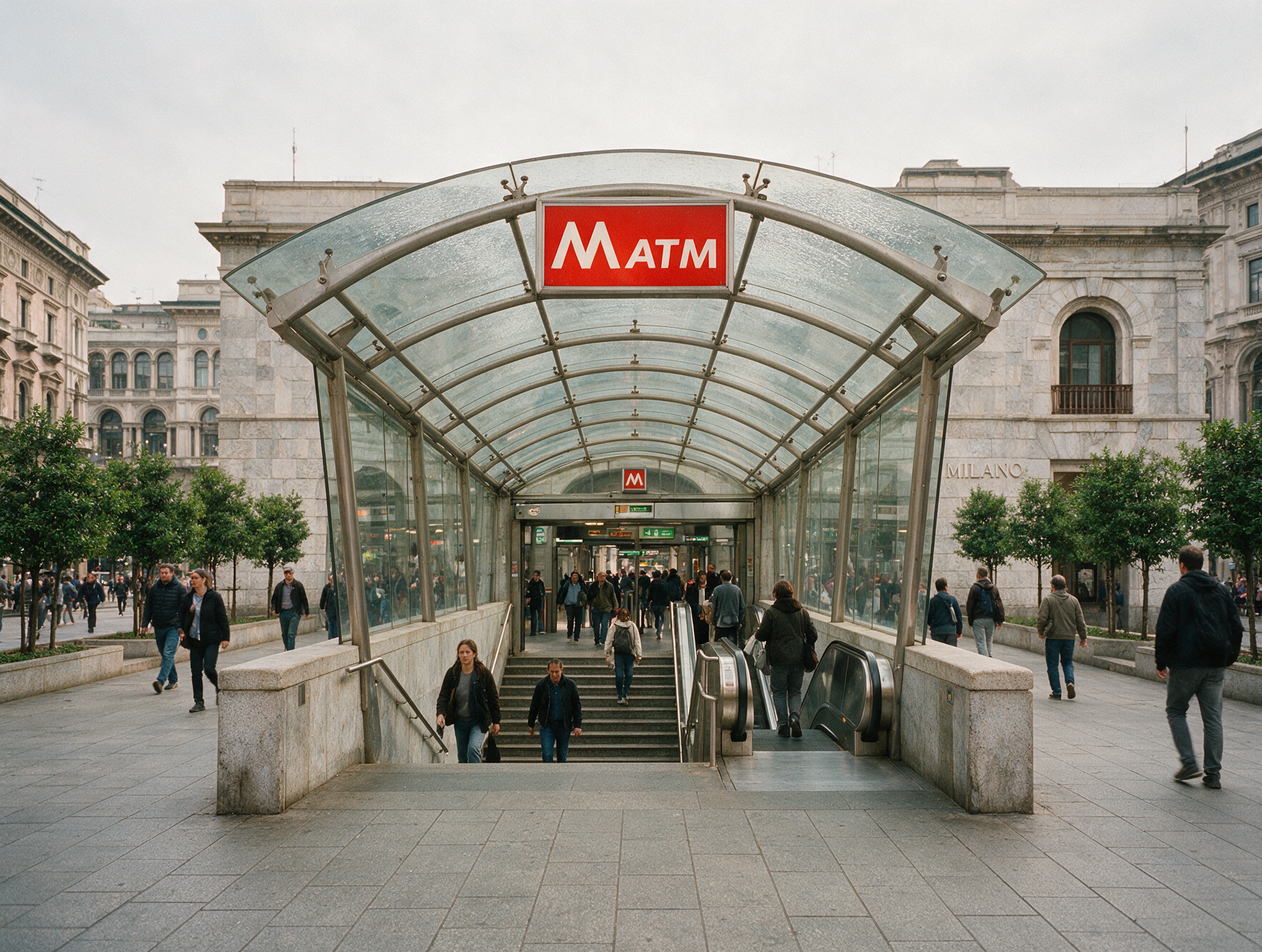
Milan’s metro (ATM) is modern, efficient, and the fastest way to cover the city’s larger sprawl compared to Rome or Florence. A single ticket covers 90 minutes across metro, bus, and tram, and day passes are worth it if you’re covering the Duomo, Navigli, and Brera districts in one day. Milan is also the most bike-friendly of the major cities, with a solid bike-share system if you’d rather pedal between neighborhoods.
Rail Passes: Worth It?
An Interrail one-country Italy pass (roughly €49-62 per travel day, plus reservation fees for high-speed trains) makes sense for flexible, multi-stop itineraries where you’re not locking in exact dates weeks ahead. For a fixed point-to-point itinerary like Rome-Florence-Venice, though, booking individual advance tickets is usually cheaper — do the math for your specific trip before assuming a pass saves money.
A Mistake to Avoid
Don’t buy your regional train ticket and forget to validate it before boarding. The validation machines are small, easy to miss, and it’s an honest mistake — but Italian rail inspectors don’t treat it as one, and the fine (often €50 or more, paid on the spot) is a frustrating way to start a train journey.
Frequently Asked Questions
Do I need to book Italian trains in advance?
For high-speed Frecciarossa and Italo trains, yes — seats are assigned and prices rise closer to departure. Regional trains don’t require advance booking and have unreserved seating.
Is Trenitalia or Italo better?
Both run modern high-speed trains on the same major routes at similar journey times — the choice usually comes down to price and schedule on your specific travel dates, so compare both via an aggregator rather than defaulting to one.
How does public transport work in Venice?
Venice has no cars in the historic center — vaporetti (waterbuses) run by ACTV are the main transit option alongside walking, with day passes worth it for island-hopping to Murano and Burano.
What happens if I forget to validate a regional train ticket?
Inspectors can fine you on the spot, often €50 or more, treating an unvalidated ticket as invalid regardless of intent — always validate at the platform machines before boarding regional trains.
Move Through Italy the Easy Way
Get Tripped’s Italy itineraries are built around realistic train timings and transit logic, so you’re not losing half a travel day to a missed connection. Check out our Italy tour packages or ask us to build a custom Italy itinerary with all the transit logistics handled.