Our Italy visa got rejected once — not because of a missing document, but because the applicant’s cover letter and bank statement told slightly different stories about who was paying for the trip. The consulate doesn’t care that it was an honest mix-up. It just sees an inconsistency and stamps “refused.” That’s the kind of detail that trips up otherwise well-prepared Indian travelers applying for an Italy Schengen visa, and it’s the kind of thing a generic checklist won’t warn you about.
This guide walks through exactly what an Indian passport holder needs for an Italy visa for Indians in 2026 — fees, documents, where to apply, how long it actually takes, and the specific mistakes that get applications sent back for review.
Quick Facts: Italy Visa for Indians 2026
| Visa Type | Fee | Processing Time |
|---|---|---|
| Schengen Short-Stay (Type C) | €80 (~₹7,600 at current rates) + VFS/BLS service charge of ₹2,200–2,500 | 15 working days standard, up to 30–45 during April–September peak season |
| National Long-Stay (Type D) | €116 (~₹11,000) + service charge | 30–60 days |
| Children under 6 | Free | Same as accompanying adult |
Rates fluctuate with the euro-rupee exchange rate, so treat the INR figures as a planning estimate, not the number you’ll actually be charged — always check the live conversion on your application day.
Do Indians Need a Visa for Italy?
Yes. Italy is part of the Schengen Area, and Indian passport holders need a Schengen visa for any visit under 90 days, whether it’s a honeymoon in Venice or a work trip to Milan. There’s no visa-on-arrival option and no e-visa shortcut — this is a full application through the visa outsourcing partner handling Italian visas in your jurisdiction.
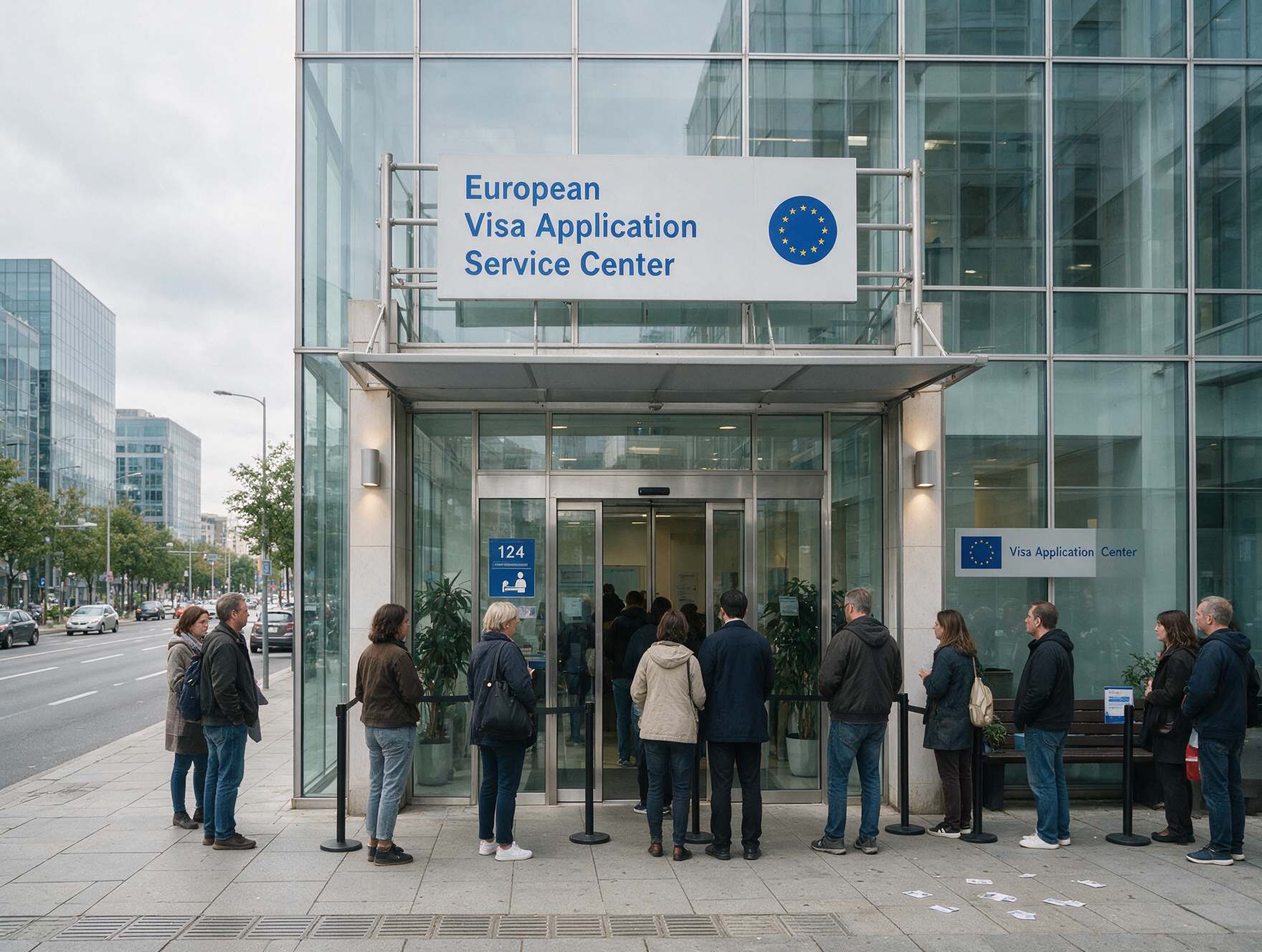
Where and How to Apply
Italian visa applications from India go through VFS Global or BLS International, depending on which one holds the contract in your jurisdiction at the time you apply — this has changed hands before, so don’t assume last year’s provider is still the right one. As of 2026, applications run through the Prenotami portal, the Italian government’s own booking system, which now also feeds into VFS/BLS appointment slots. You’ll register on Prenotami first, then get routed to book your biometric appointment.
Application centers currently cover Delhi, Mumbai, Bengaluru, Chennai, Hyderabad, Kolkata, Pune, Ahmedabad, Chandigarh, Goa, Kochi, Surat, Jaipur, and Lucknow. If you’re not near one of these cities, budget an extra day of travel — video-call or postal applications aren’t an option for a first-time Schengen visa.
Documents You Actually Need
- Passport valid for at least 3 months beyond your return date, issued within the last 10 years, with at least 2 blank pages
- Two recent passport-size photos, 35mm x 45mm, white background, no glasses or headwear (a religious head covering is an exception, but confirm current guidance with your VFS center)
- Completed and signed Schengen visa application form via Prenotami
- Travel medical insurance covering at least €30,000, valid across the entire Schengen area for your full trip dates
- Confirmed round-trip flight reservation (a hold, not necessarily a paid ticket — but check your specific consulate’s current stance, since this detail changes)
- Proof of accommodation for every night of the trip — hotel bookings, or a signed dichiarazione di ospitalità if you’re staying with someone
- Bank statements for the last 6 months, showing a reasonable minimum balance (guidance floats around ₹3–5 lakh, but consulates look at consistency of balance more than a single large deposit right before applying)
- Income tax returns for the last 2 years, or an employer letter with salary details if you’re not self-employed
- A cover letter stating the purpose of travel, dates, and who’s funding the trip — and this is where our rejected applicant went wrong, since the letter named a spouse as co-traveler and funder while the bank statements were entirely in the applicant’s own name with no joint account reference
- Day-by-day itinerary — this doesn’t need to be rigid, but it should look like a real trip, not a copy-pasted template
The mistake to avoid: if someone else is funding your trip — a parent, a spouse, an employer — make sure every document tells that same story. A sponsor letter, the sponsor’s bank statements, and your cover letter all need to agree on who’s paying. Consulate officers read dozens of these a day and inconsistencies are the fastest way to get flagged for additional scrutiny, even when nothing is actually wrong.

Visa Validity and Multiple Entry
First-time applicants are typically granted a single or double-entry visa matching their trip dates plus a few buffer days. If you’ve held Schengen visas before and used them properly — no overstays, no unused visas — subsequent applications tend to get longer validity, sometimes multi-entry visas valid for 1–5 years. This isn’t guaranteed and depends heavily on your travel history and the specific consulate officer, so don’t plan a multi-country Europe trip around an assumption of a 5-year visa on your first try.
Costs Beyond the Visa Fee
Budget for the VFS/BLS service charge (₹2,200–2,500), travel insurance (roughly ₹1,500–3,500 for a 10-day trip depending on coverage and age), courier charges if you want your passport returned by post, and photocopying/printing costs if your center doesn’t handle that in-house. None of this is expensive individually, but it adds ₹5,000–8,000 to what people budget as “just the visa fee.”
Best Time to Apply
Apply 3 months before travel if you can, and no less than 15 working days before your trip — though during the April–September travel season, processing regularly stretches past the standard window as consulates deal with a flood of summer applications. We’ve seen July applicants wait closer to 6 weeks. If your trip dates are fixed and non-refundable, that’s a real risk worth planning around, not a footnote.
What Happens After You Apply
Biometrics (fingerprints and a photo) are captured at the application center — this is now mandatory even for those who’ve provided biometrics before, following the fingerprint policy that came into effect in January 2025. After submission, you can track status online through the VFS/BLS portal. Passports are either couriered back or available for pickup, and a rejection at this stage typically comes with a reason code, though the explanations are often frustratingly generic.
A Mistake First-Timers Make
Booking non-refundable flights before the visa is approved. We understand the temptation — flight prices to Italy from India climb the closer you get to departure — but a rejected or delayed visa application with a non-refundable ticket already booked is a genuinely bad position to be in. If you must lock in a fare early for pricing reasons, choose one with a reasonable change or cancellation policy, even if it costs slightly more upfront.

Frequently Asked Questions
Can Indians get a visa on arrival for Italy?
No. Italy requires a Schengen visa arranged in advance through VFS Global or BLS International — there’s no visa-on-arrival or e-visa option for Indian passport holders.
How much bank balance is needed for an Italy visa?
There’s no official minimum published by the consulate, but practically, showing a stable balance of ₹3–5 lakh across your 6-month statement history is a reasonable benchmark. A sudden large deposit right before applying tends to raise more questions than it answers.
How long does the Italy visa process take from India?
Officially 15 working days, but realistically budget 3–4 weeks, and 6 weeks if you’re applying between April and September.
Do I need travel insurance for an Italy visa?
Yes, it’s mandatory — minimum €30,000 coverage, valid for your entire Schengen trip duration and across the whole Schengen area, not just Italy.
Can I apply for an Italy visa without confirmed hotel bookings?
You need proof of accommodation for every night, but this doesn’t always mean prepaid, non-refundable bookings — many travelers use free-cancellation hotel reservations for the visa application and finalize their actual stay later. Confirm your specific consulate’s current requirement before relying on this.
What’s the difference between VFS Global and BLS International for Italy visas?
Both are outsourcing partners that handle the administrative side of visa applications on behalf of the Italian consulate — which one serves your city depends on the current contract, so check the official Italian embassy website in India for the up-to-date assignment rather than assuming.
Planning the Rest of Your Trip
Once the visa is sorted, the fun part starts — figuring out how many days to spend in Rome versus Florence, whether the Amalfi Coast fits into a first trip, and how to string together trains between cities without wasting half your holiday in transit. That’s exactly what our Italy 7 Nights 8 Days Itinerary is built for.
If the paperwork above feels like a lot to manage solo, Get Tripped’s custom Italy trip planning handles the visa documentation checklist alongside your actual itinerary, so nothing falls through the cracks between the two. Explore our Italy trip packages or reach out for a custom Italy itinerary built around your dates and travel style.