The free bowl of miso soup that lands on your table at almost every set meal in Japan is, nine times out of ten, built on bonito fish stock. That single fact surprises more vegetarian travelers than anything else about Japanese food, and it’s the reason this guide exists. If you’re planning a trip from India and eat vegetarian, vegan, or Jain, Japan is absolutely doable — thousands of Indian travelers do it every cherry blossom and autumn season — but it takes a bit more homework than “vegetarian” usually does elsewhere in Asia. This guide gives you the honest version: what’s genuinely hard, the Japanese phrases that get you through it, and real, verified restaurants in each of Japan’s six signature cities — Tokyo, Osaka, Kyoto, Hiroshima, Nara, and Sapporo.
We’re a Mumbai-based travel company that builds curated Japan tour packages from India, and dietary planning is one of the first things families and honeymooners ask us about before booking. So this isn’t theoretical — it’s the same city-by-city list our own itinerary planners use when a guest tells us “strict vegetarian, no eggs, no fish stock.”
Table of Contents
- Is Japan Actually Vegetarian-Friendly? The Honest Answer
- The Dashi Problem — Why “Vegetable” Isn’t Always Vegetarian
- Japanese Phrases and Cards That Actually Work
- Tokyo: Best Vegetarian and Vegan Restaurants
- Osaka: Best Vegetarian and Vegan Restaurants
- Kyoto: Best Vegetarian and Vegan Restaurants
- Hiroshima: Best Vegetarian and Vegan Restaurants
- Nara: Best Vegetarian and Vegan Restaurants (and an Honest Caveat)
- Sapporo: Best Vegetarian and Vegan Restaurants
- Indian Restaurants in Japan — When You Need a Taste of Home
- Convenience Store and Supermarket Survival Tips
- Best Time to Visit Japan for a Vegetarian Food Trip
- How Get Tripped Builds Vegetarian-Friendly Japan Itineraries
- FAQs
Is Japan Actually Vegetarian-Friendly? The Honest Answer
Japan is not naturally a vegetarian country the way India is. There’s no cultural tradition of avoiding meat and fish for most of the population, and the word “vegetarian” (bejitarian) doesn’t carry the same weight on a menu that it does back home — a waiter can genuinely believe a dish is vegetarian because it looks like vegetables, while the broth underneath is fish-based. That’s not a trick being played on you. It’s just a different food grammar, and once you understand the one rule that trips people up, the rest gets much easier.
The good news: Japan’s cities — especially Tokyo, Osaka, and Kyoto — have seen a real boom in dedicated vegan and vegetarian restaurants over the past decade, partly driven by demand from Indian, Southeast Asian, and Western tourists, and partly by a homegrown macrobiotic and Buddhist temple-food (shojin ryori) tradition that was vegetarian centuries before “plant-based” was a marketing word. You will eat very well in Japan. You just need a plan, especially outside the big three cities.
The Dashi Problem — Why “Vegetable” Isn’t Always Vegetarian
Here’s the one thing to actually memorize before you land: dashi. It’s the stock that underlies most Japanese cooking, the way chicken stock underlies a lot of French and Chinese cuisine. The traditional version is made from katsuobushi (dried, smoked bonito flakes) and kombu (kelp), and it goes into things you would never suspect — miso soup, tempura dipping sauce (tentsuyu), the broth simmering your “vegetable” side dish, even some instant noodle bases and rice crackers.
The problem is that dashi disappears into a dish. A menu that says “simmered seasonal vegetables” is describing the solids, not the liquid they were cooked in. Bonito flakes are shaved so thin they look like wood shavings, not fish, so a garnish of them on a plate of cold tofu doesn’t register as “meat” to most travelers. This is genuinely the single biggest way vegetarians accidentally eat fish stock in Japan, and it’s worth naming plainly rather than glossing over — we’d rather you know this on day one than find out from an apologetic waiter on day five.
A mistake to avoid: don’t assume a dish is safe just because the menu photo shows only vegetables. Ask about the dashi specifically — asking “is this vegetarian?” alone isn’t always enough, because dashi isn’t always thought of as an ingredient by the person answering.
Kombu-only dashi (kelp, no bonito) is genuinely vegetarian and vegan, and a growing number of restaurants — especially the dedicated vegan ones in this guide — use it deliberately. Shojin ryori, the Buddhist temple cuisine you’ll find around Kyoto’s temples, is built on kombu and shiitake dashi from the ground up, so it’s one of the most reliably strict-vegetarian ways to eat well in Japan, and it happens to be some of the most refined food in the country.
Japanese Phrases and Cards That Actually Work
You don’t need to speak Japanese, but three or four memorized phrases (or a card you show the server) will solve 90% of your ordering problems. Save these in your phone before you go, since Wi-Fi at small restaurants can be patchy.
- I’m vegetarian/vegan, I don’t eat meat, fish, egg, dairy or honey:
Watashi wa bejitarian (vīgan) de, niku, sakana, tamago, nyūseihin, hachimitsu o tabemasen.
私はベジタリアン(ヴィーガン)で、肉、魚、卵、乳製品、はちみつを食べません。 - Does this contain dashi (fish stock)? — the single most useful question you’ll ask all trip:
Kore ni dashi wa haitte imasu ka?
これに出汁は入っていますか? - No bonito flakes and no fish stock, please:
Katsuobushi to sakana no dashi wa nuki de onegai shimasu.
かつお節と魚の出汁は抜きでお願いします。 - Without egg, please:
Tamago nuki de onegai shimasu.
卵抜きでお願いします。 - Is this vegetarian-friendly?
Kore wa bejitarian taiō desu ka?
これはベジタリアン対応ですか?
A local tip that doesn’t make the top-10 lists: print or screenshot these as a single card rather than reciting them, and hand it over instead of speaking — it removes any pronunciation guesswork and most Japanese servers will read it, nod, and go check with the kitchen, which is exactly what you want. Several travel-allergy sites (like Prepared Travel’s Japan guide) sell printable dietary cards in Japanese for this exact purpose, and they’re worth the small cost if you’re traveling as a strict vegetarian or Jain family.
Tokyo: Best Vegetarian and Vegan Restaurants
Tokyo has, by far, the widest spread of dedicated vegan restaurants of any city in Japan, so this is the easiest stop on your trip to eat well without compromise.
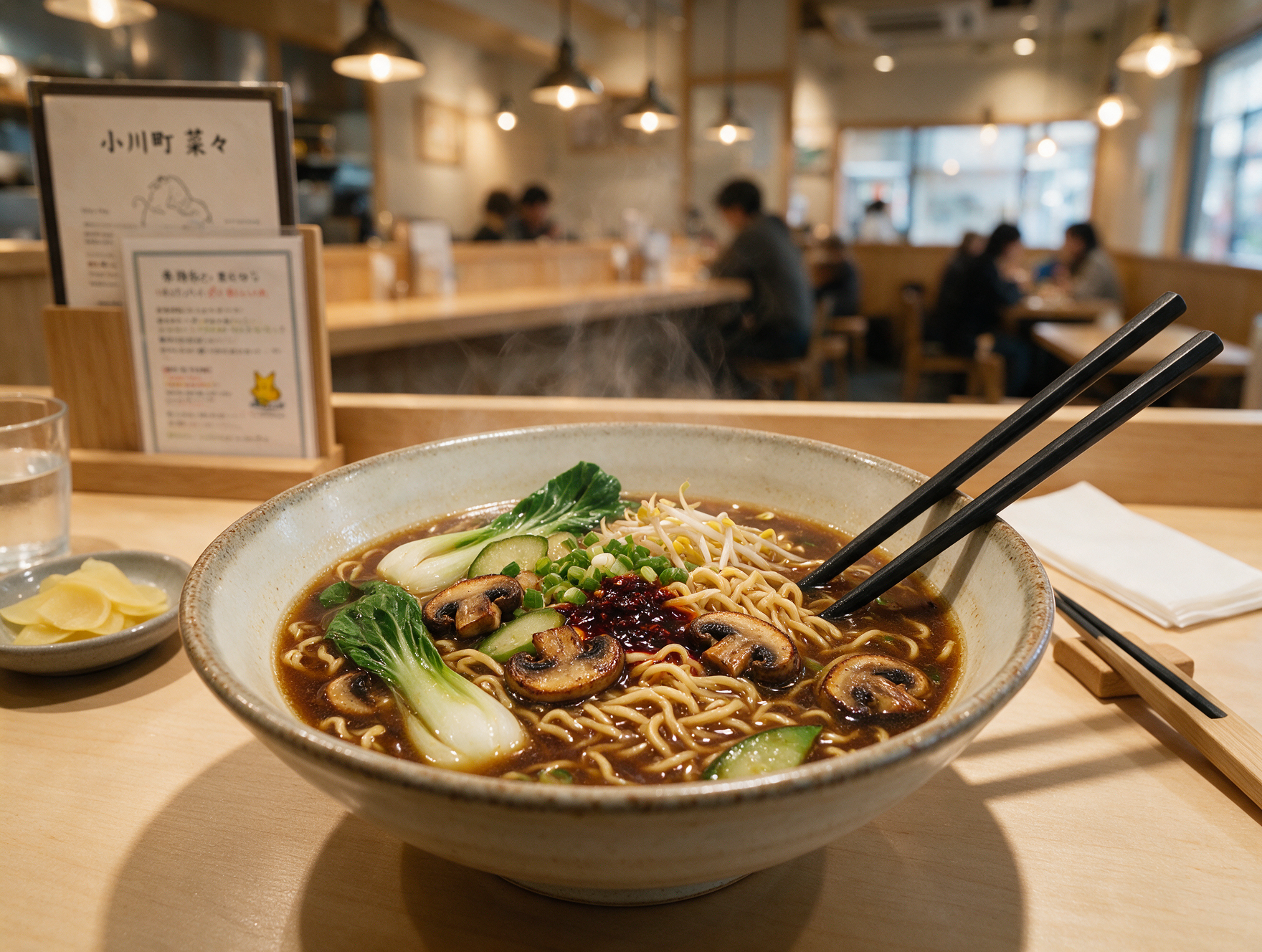
- T’s Restaurant, Tokyo Station — Inside Tokyo Station itself (Keiyo Street underground concourse), this is a fully vegan ramen counter, famous for its tantanmen, and genuinely convenient if you’re catching a shinkansen and want a proper hot meal rather than a station snack.
- AIN SOPH.Journey, Shinjuku — Part of Tokyo’s longest-running vegan restaurant group, with an all-day menu of plant-based pancakes, burgers, and Japanese-fusion mains in a bright, casual space near Shinjuku 3-chome. Good for a relaxed lunch between sightseeing stops.
Fun fact worth knowing: Tokyo’s vegan scene grew noticeably after the 2020 Olympics pushed restaurants to add English and allergen-labeled menus, and that infrastructure — QR-code menus with allergen filters — is still there and genuinely useful for vegetarians, not just vegans.
Osaka: Best Vegetarian and Vegan Restaurants
Osaka is Japan’s food-obsessed city, and its vegan options lean creative rather than purist — think plant-based takoyaki and okonomiyaki alongside more familiar vegan cafes.
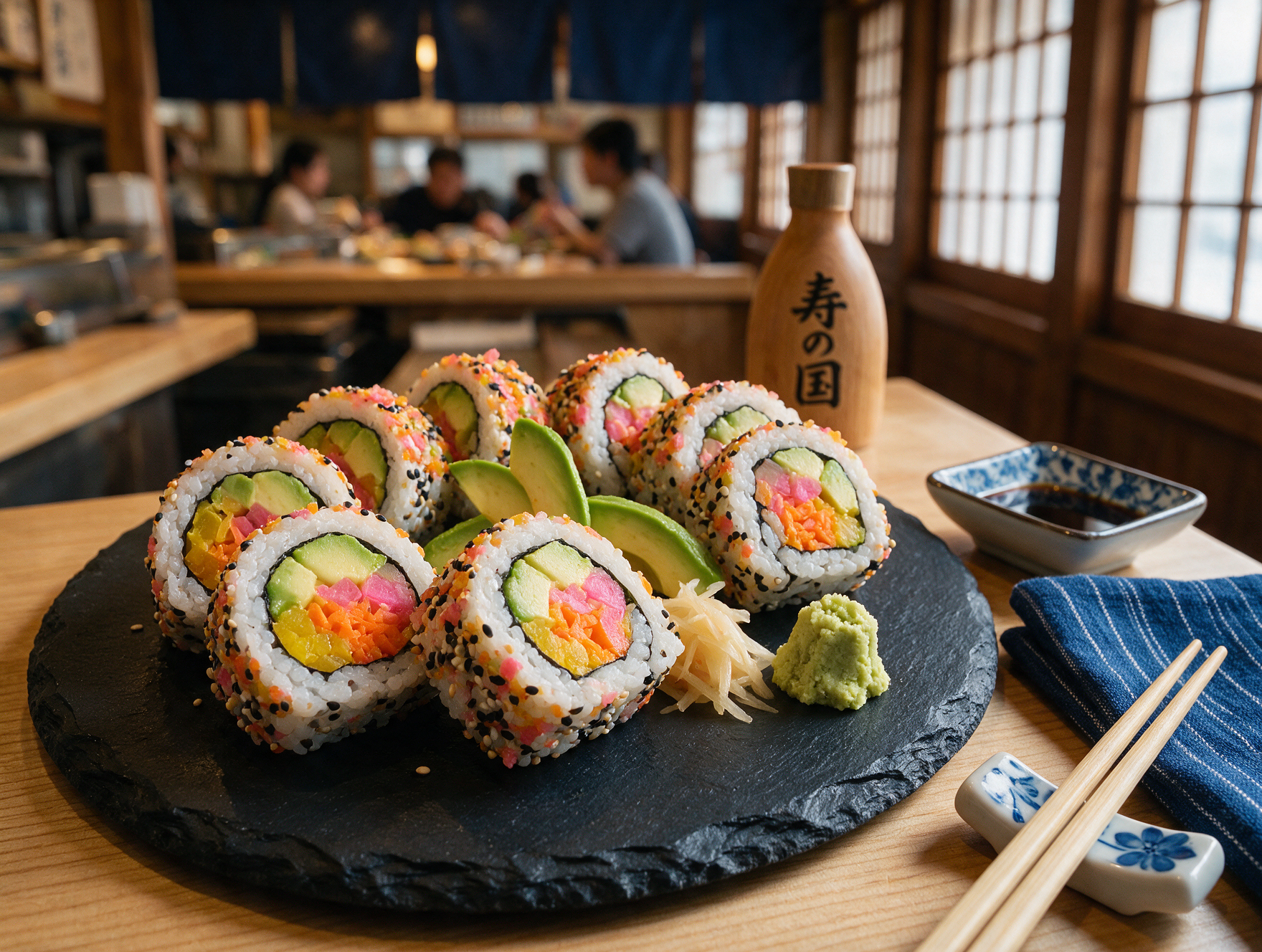
- Shojin Sushi Minamo, Chuo-ku (near Shinsaibashi) — A fully vegan and gluten-free sushi restaurant, which is a genuinely rare combination in Japan; good if you’re traveling with someone who’s both vegetarian and needs gluten-free.
- Green Earth, Osaka — Reportedly Osaka’s oldest vegetarian restaurant, open since 1991, serving pasta, pizza, and burgers in a casual, long-running setup that locals still recommend.
An honest caveat: Osaka’s famous street food — takoyaki (octopus balls) and standard okonomiyaki — is built around fish flakes and dashi-based batter by default, so don’t assume the “casual street food capital” reputation extends to easy vegetarian eating on the street. Stick to the dedicated restaurants above for anything you don’t want to double-check dish by dish.
Kyoto: Best Vegetarian and Vegan Restaurants
Kyoto is the single best city in Japan for vegetarian food, full stop, because of its centuries-old shojin ryori tradition around the city’s temples.
- Itadakizen, Kamigyo Ward — A vegan Japanese restaurant serving grilled onigiri, vegan sushi, noodles and tofu steaks, popular enough that it’s spawned locations elsewhere in Japan and even abroad.
- Vegan Izakaya Nijiya (虹屋), Nakagyo — A traditional-style vegan izakaya doing Japanese course meals, soy meat skewers, and gyoza — a good pick if you want the izakaya experience (small plates, drinks, casual atmosphere) without worrying about hidden dashi or gelatin.
A local tip: several temples around Arashiyama and eastern Kyoto serve shojin ryori set meals to visitors, usually by reservation — it’s a proper multi-course experience and one of the more memorable vegetarian meals you’ll have anywhere, not just in Japan. Book ahead through your hotel concierge or your travel agent, since walk-ins are often turned away.
Hiroshima: Best Vegetarian and Vegan Restaurants
Hiroshima’s food identity is built around okonomiyaki, and — happily — the city’s vegan scene has specifically adapted that dish rather than skipping it.
- Croissant Marché, near Hiroshima Peace Memorial Park — A fully vegan, macrobiotic-leaning restaurant in the city center serving set lunches, curry, and vegan bread — a solid, no-compromise stop if you’re spending the day at the Peace Park.
- Kasane Gasane, in front of Hiroshima Station (Full Focus Building, 6F) — A specialty okonomiyaki restaurant with a dedicated vegan menu, swapping the usual pork and dashi-based sauce for a vegan sauce and soy-ham topping, so you don’t have to skip Hiroshima’s signature dish entirely.
Mistake to avoid: standard Hiroshima-style okonomiyaki always contains pork, dashi-based sauce, and often a fried noodle layer cooked on the same griddle as meat — don’t order it anywhere without checking for a vegan version specifically, since the “just leave out the meat” request doesn’t remove the sauce or the shared-griddle issue.
Nara: Best Vegetarian and Vegan Restaurants (and an Honest Caveat)
Nara is usually a half- or full-day trip from Kyoto or Osaka to see the deer park and Todai-ji, and honestly, it has far fewer dedicated vegetarian options than the bigger cities — worth saying plainly rather than padding the list.
- Kinatei, near JR Nara Station — A genuinely vegetarian, vegan-run restaurant about a 7-minute walk from JR Nara Station, run by an English- and Chinese-speaking chef who serves set lunch and dinner courses built on locally sourced, organic vegetables, with unlimited rice and miso soup included. It’s small (seats around 22) and closed Mondays, so it’s worth checking hours before you plan your day trip around it.
If Kinatei doesn’t fit your schedule or is fully booked, the practical workaround for a Nara day trip is to eat a proper vegetarian meal in Kyoto or Osaka before or after, and treat Nara itself as a snack stop — a konbini onigiri (rice ball) with a plain umeboshi (pickled plum) or kombu filling is reliably vegetarian, and most tourist-area cafes near the deer park can do a simple vegetable udon if you ask them to leave out the dashi and any meat toppings, even if it’s not on the menu as a vegetarian dish.
Sapporo: Best Vegetarian and Vegan Restaurants
Sapporo is a smaller vegetarian scene than Tokyo or Osaka, but it’s more developed than you’d expect for a regional Hokkaido city, likely helped by a steady flow of international skiers and hikers through the region.
- Lohas, Tanukikoji Shopping Arcade — A raw and macrobiotic restaurant where nearly everything on the menu is vegan by default, including options that can be adapted from the soba noodles if you ask.
- Soup Curry Beyond Age — Does a dedicated vegan soup curry, which matters here because soup curry is Sapporo’s own signature dish (distinct from Tokyo-style curry rice), so this is your chance to try the local specialty without compromising.
Fun fact: Hokkaido’s food culture leans heavily on dairy and seafood more than most of Japan, since it’s the country’s biggest dairy-producing region — which is exactly why deliberately vegan restaurants like these two are worth seeking out rather than hoping a regular Hokkaido restaurant will happen to have a plant-based dish.
Indian Restaurants in Japan — When You Need a Taste of Home
After a week of careful ordering, most Indian travelers eventually want a night off from decoding menus — and Japan’s bigger cities do have real, running Indian restaurants, not just a token curry-rice joint.
- Tokyo — Nishi-Kasai: This Edogawa-ward neighborhood is genuinely nicknamed “Little India” by Tokyo’s own city government, home to a large South Asian professional community and a real cluster of Indian and South Indian restaurants and grocery stores, including Annapurna and other vegetarian-friendly kitchens. It’s also worth knowing about even if you don’t eat there, since it’s where to find Indian groceries, spices, and snacks if you’re self-catering part of your trip. Closer to the tourist center, Nataraj in Shibuya runs a daily vegetarian Indian lunch buffet until 3pm.
- Osaka: Shama Osaka (Nishi Ward) and Ali’s Kitchen (Shinsaibashisuji) are established Indian kitchens with vegetarian menus, both walkable from the main shopping and nightlife districts.
- Kyoto: New Delhi Indian Restaurant (Kamigyo Ward) and Mughal Indian Restaurant & Bar (Nakagyo Ward) both serve vegetarian thalis and standard North Indian menus.
- Hiroshima: Ganesh Indian Restaurant on Hondori, the city’s main covered shopping arcade, is an easy stop between Peace Park and the tram.
- Sapporo: The Taj Mahal Indian Restaurants group runs multiple branches around the city (including one inside Sapporo Factory), with a full vegetarian menu — useful given how thin Sapporo’s dedicated vegan scene otherwise is.
An honest caveat here too: Indian restaurants in Japan are run for a broad customer base, not exclusively for Indian palates, so spice levels are often dialed down by default — it’s worth asking for it “spicy, Indian-style” specifically if that’s what you want.
Convenience Store and Supermarket Survival Tips
Japan’s convenience stores (konbini) — 7-Eleven, Lawson, and FamilyMart — are everywhere, open 24 hours, and genuinely useful for a strict vegetarian in a pinch, not just a backup option.
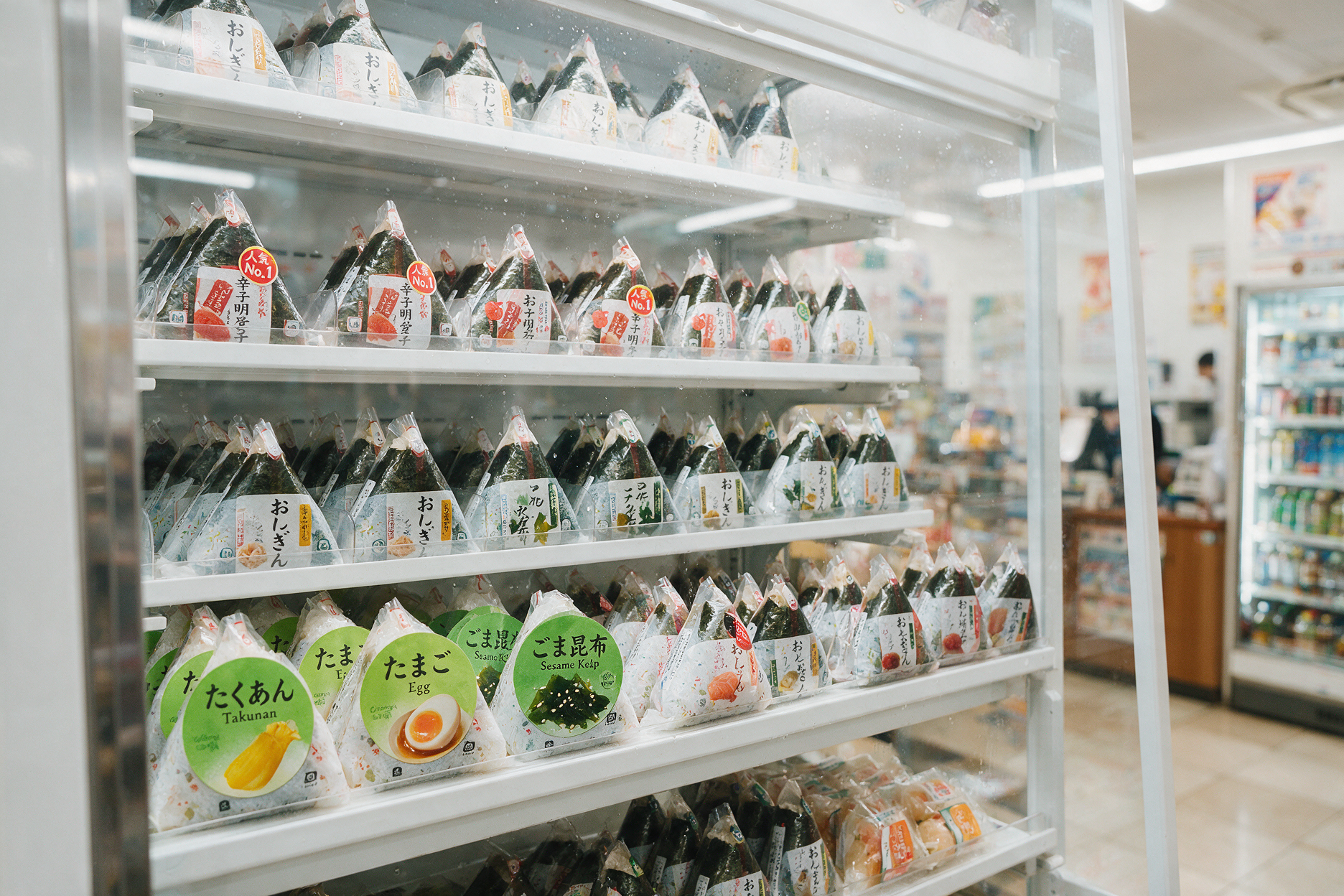
- Onigiri (rice balls): Look for umeboshi (pickled plum), kombu (kelp), or plain salted varieties — these are reliably vegetarian. Tuna mayo, salmon, and most of the “meat” fillings are obviously out, but so are a few that don’t sound like it, so check the label photo if you can’t read the kanji.
- Packaged salads and edamame: Widely available and safe, though check dressing packets for fish-based sauces.
- Instant cup noodles: Almost always contain dashi or meat extract in the powder — this is one to skip unless you find one of the newer plant-based instant noodle lines that have started appearing in bigger Lawson and 7-Eleven stores in Tokyo.
- Fruit, steamed sweet potatoes (at the counter), and packaged mochi are all easy, dependable snacks between meals.
A local tip not in most top-10 lists: the Seicomart chain, common in Hokkaido, has its own private-label vegetable and salad items that are worth checking if you’re in Sapporo and stuck between meals.
Best Time to Visit Japan for a Vegetarian Food Trip
The best time to visit Japan overall — spring (late March to early April, for cherry blossoms) and autumn (late September through November, for foliage) — is also the easiest time to eat vegetarian, simply because these are peak tourist seasons and restaurants in Tokyo, Osaka, and Kyoto lean harder into English menus and allergen labeling during these months. If you’re planning a Japan cherry blossom tour or an autumn foliage trip, you’ll find the vegetarian-restaurant density in Kyoto and Tokyo noticeably better than during quieter shoulder months. We’ve covered the season in more depth in our guide to Japan’s autumn foliage beyond Kyoto and our broader Japan autumn 2026 travel guide, both useful if you’re building a full itinerary around this food guide.
Summer (July-August) is hot and humid, and winter in Hokkaido (Sapporo) means some smaller vegan cafes — Itadakizen in Sapporo is one example — reduce hours or close for the coldest stretch, so it’s worth checking ahead if you’re traveling December through February.
How Get Tripped Builds Vegetarian-Friendly Japan Itineraries
When we put together a custom Japan itinerary for a vegetarian family, a Jain traveler, or a vegan honeymoon couple, three things change from a standard package: we pre-book restaurants like the ones in this guide rather than leaving meals to chance, we brief our on-ground guides to carry a dietary card in Japanese, and we build in at least one shojin ryori temple meal in Kyoto as a genuine culinary highlight rather than a workaround. If you’re looking at Japan family holiday packages, Japan honeymoon packages from India, or a Tokyo and Kyoto tour package with strict dietary requirements, it’s worth telling your travel consultant upfront — it changes which hotels and restaurants we recommend, not just which dishes you order. You can browse our Japan destination page for current package options, or get in touch for a custom Japan itinerary built around your dietary needs from day one.
FAQs
Is Japan hard for vegetarians?
It’s harder than most of Southeast Asia but easier than most people fear, especially in Tokyo, Osaka, and Kyoto. The real challenge isn’t finding vegetables — it’s dashi (fish stock) hiding in dishes that look vegetarian. Once you know to ask about it specifically, eating well gets much easier.
What is dashi and why does it matter for vegetarians?
Dashi is the fish- or kelp-based stock that underlies most Japanese cooking, including miso soup and many “vegetable” side dishes. The traditional version uses bonito flakes, making it non-vegetarian even when the dish looks plant-based. Kombu-only dashi, made from kelp, is vegetarian and vegan.
Are there vegan restaurants in every Japanese city?
Tokyo, Osaka, and Kyoto have a wide and growing selection. Hiroshima and Sapporo have a smaller but real handful of dedicated options. Nara has very few — we could only verify one fully vegetarian restaurant there, Kinatei near JR Nara Station — so it’s worth planning your Nara day trip’s main meal around Kyoto or Osaka instead.
Can I get Jain food in Japan?
Strict Jain food (no onion, garlic, or root vegetables) is genuinely difficult to find as a labeled menu category in Japan, even at vegetarian restaurants. Indian restaurants in cities like Tokyo, Osaka, and Kyoto are your best bet, since staff are more likely to understand the request — call ahead and ask specifically rather than assuming a vegetarian restaurant covers it.
What Japanese phrase should I learn first as a vegetarian traveler?
“Kore ni dashi wa haitte imasu ka?” (Does this contain dashi?) is the single most useful question, since it catches the hidden fish stock that a general “is this vegetarian?” question sometimes misses.
Do Indian restaurants exist in smaller Japanese cities?
Yes, more than most travelers expect — Hiroshima and even Sapporo (a Taj Mahal Indian Restaurants branch, among others) have established Indian kitchens with vegetarian menus, largely serving local South Asian residents as well as tourists.
Is Japan visa-friendly for Indian travelers in 2026?
Yes. Indian passport holders can apply for a Japan tourist visa through VFS Global (or Japan’s eVisa portal if applying from certain other countries), with single-entry visas valid for stays up to 90 days. Processing typically takes about five working days. Requirements include a valid passport, travel itinerary, accommodation proof, and financial documents — check current fees and documentation before applying, since Japan has signaled possible visa fee changes in 2026.
What should I eat at a Japanese convenience store as a vegetarian?
Onigiri with umeboshi (pickled plum) or kombu filling, packaged edamame, plain salads (check the dressing), and fruit are reliable choices. Skip instant cup noodles unless you spot one specifically labeled plant-based, since the powder base is almost always dashi or meat extract.
The Bottom Line
Vegetarian and vegan travel in Japan takes more planning than a trip to Thailand or India itself, but it doesn’t take luck. Learn the dashi question, keep a dietary card handy, and book at least one of the verified restaurants in each city above rather than wandering in blind. Do that, and a vegetarian trip through Tokyo, Osaka, Kyoto, Hiroshima, Nara, and Sapporo is genuinely one of the better food trips you can take — not a compromise version of a “real” Japan trip.
If you’d rather have someone else handle the restaurant research, reservations, and dashi-checking for you, that’s exactly what we do. Explore Get Tripped’s Japan tour packages or reach out for a custom Japan itinerary built around your dietary needs, whether that’s a 10-day family trip, a cherry blossom honeymoon, or a Tokyo-Kyoto week with a few Kamakura and Enoshima day trips built in.