Most of what pulls travelers to Kenya costs money. A morning in the Maasai Mara watching a pride of lions cross the grass means paying a park fee in US dollars, not shillings — that is simply how conservation is funded here, and no honest guide pretends otherwise. But when people call us about Kenya tour packages from India, a lot of them ask a smaller, more practical question too: is there anything to actually do for free once you land? There is. The things to do in Nairobi that cost nothing are genuinely good, Diani Beach itself does not charge an entry fee, and even the paid parks have free edges worth knowing about. This guide separates what is really free in Kenya from what just sounds like it should be — including a few quieter places to visit in Kenya that most safari itineraries skip entirely — so you can plan the paid parts of your trip knowing exactly where your money is going.
In this guide:
- Free things to do in Nairobi (parks, markets, and a surprisingly good backstory)
- Diani Beach — the one big-ticket Kenyan experience that is actually free
- What is NOT free at Amboseli, the Mara, Lake Nakuru, and Mount Kenya — and the honest workaround
- How to use free experiences as add-ons to a planned trip, not a budget substitute
- A mistake to avoid, a fun fact, and notes for families and couples
- FAQs on safety, visas, and safari costs for Indian travelers
Free Things to Do in Nairobi
Nairobi gets treated as a layover city by a lot of safari itineraries, which is a waste, because it has more free, legitimately interesting things packed into its center than most African capitals. None of this requires a park fee or a tour operator.
Uhuru Park
Uhuru Park, right in the middle of the city near Kenyatta Avenue, has zero entry fee and no gate to pass through at all. You can walk the lawns, sit by the small lake, and watch Nairobi’s office workers eat lunch on the grass the same way they have for decades. A pedal boat ride on the lake costs a small amount — somewhere around KES 100–200 — but walking in and sitting down costs nothing. Go before 6pm; the park gets less comfortable after dark, same as any city-center green space anywhere in the world.
Jeevanjee Gardens
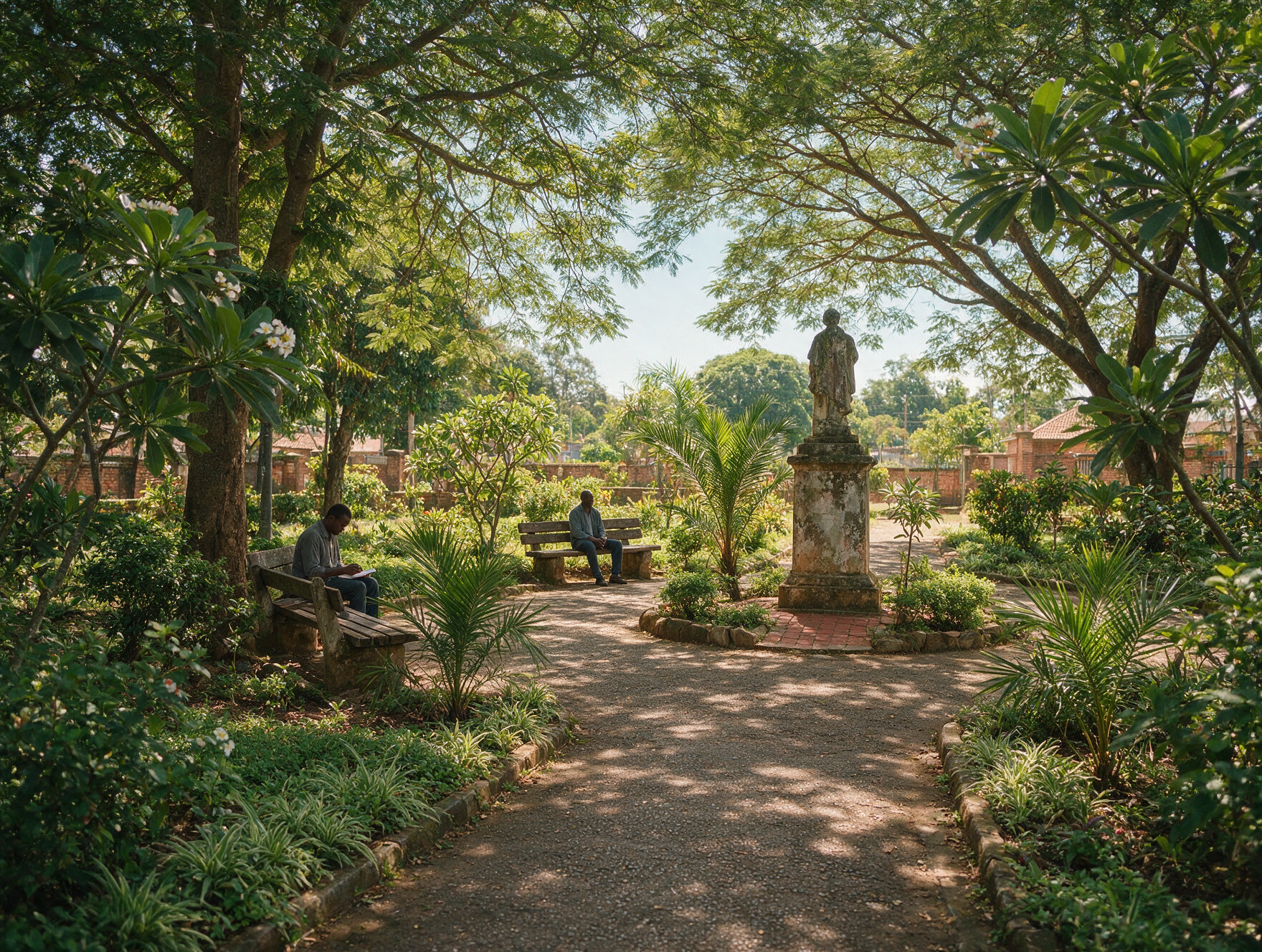
This is the one I’d actually send people to first, because almost no safari-focused blog mentions it. Jeevanjee Gardens is a small, free public park donated to Nairobi in 1906 by the Indian-born businessman Alibhai Mulla Jeevanjee — a detail that lands differently for an Indian traveler than for most other visitors. There’s a statue of Queen Victoria in the middle of it, installed partly as a deliberate move to stop colonial officials from seizing the land for development; it got vandalized in 2015 and now stands minus its head, which is its own small piece of Nairobi history. The park also doubles as an informal public debating ground locals call Bunge la Wananchi — “parliament of the people.” It is five minutes from the CBD, completely free, and takes maybe twenty minutes to see properly.
Maasai Market and City Market
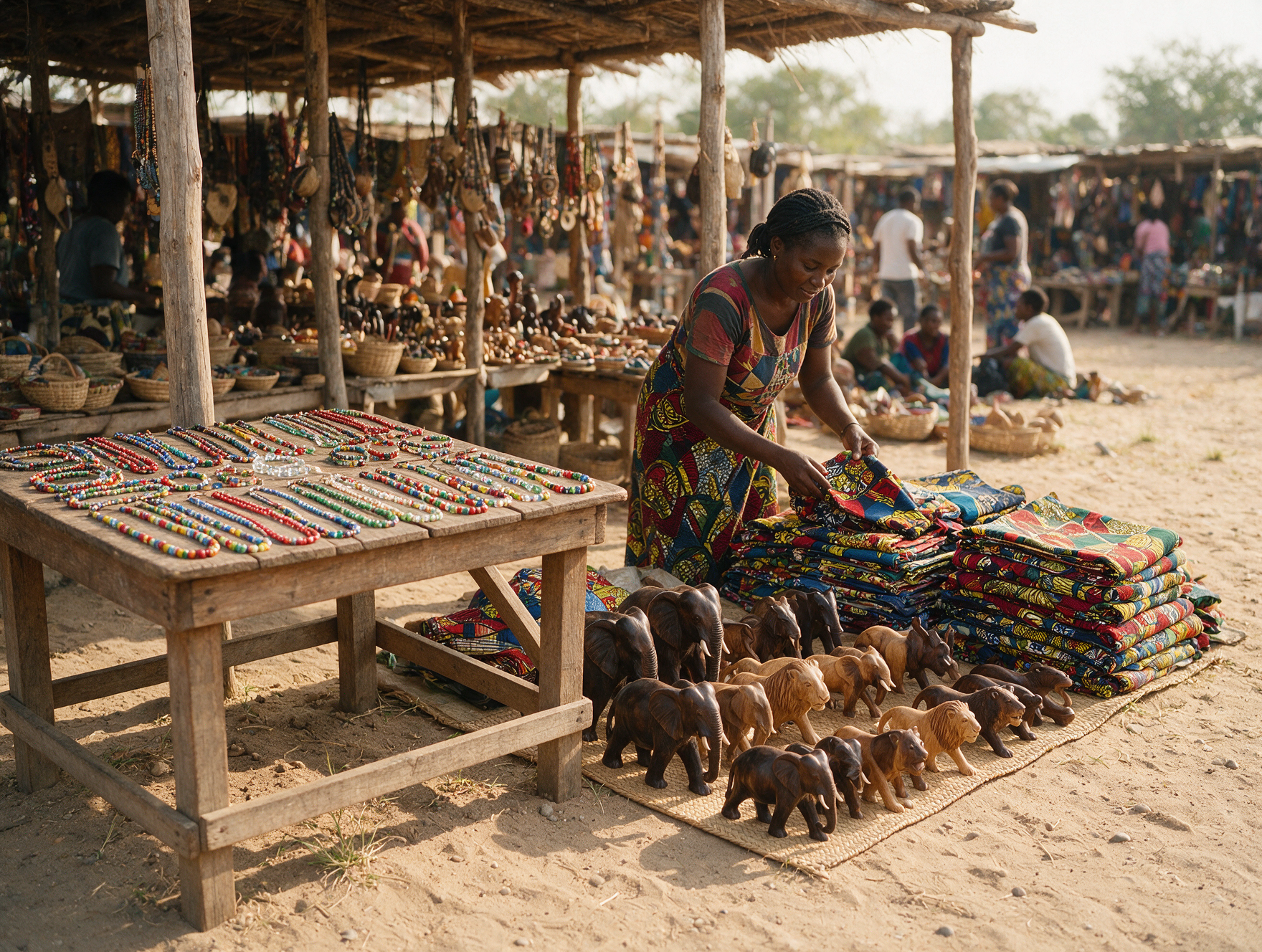
You do not have to buy anything to walk through Maasai Market or Nairobi’s City Market on Muindi Mbingu Street. Maasai Market is not a single fixed location — it rotates to a different spot depending on the day of the week, so check current listings before you go rather than assuming it’s in the same place your friend visited last year. Browsing beadwork, wood carvings, and kikoy fabric costs nothing, and even if you do buy, haggling is expected and starting at roughly half the quoted price is normal, not rude.
Free Religious and Civic Sites
Nairobi’s Holy Family Minor Basilica and Jamia Mosque are both open to respectful visitors outside of service times, free of charge, and both are worth a look for the architecture alone even if you’re not religious. The University of Nairobi’s main campus, a short walk from the city center, is also open and free to walk through.
Diani Beach: The One Big Kenyan Experience That Is Actually Free
If Nairobi’s free list is made of small things, Diani Beach is the one genuinely large experience in Kenya that doesn’t come with a gate or a fee. Diani sits about 30 kilometers south of Mombasa on the Indian Ocean coast, and the beach itself — all 17 kilometers of it, running from the Kongo River in the north down to Galu in the south — is public land. Nobody checks a ticket to walk on it.
At low tide, the water pulls back far enough to expose sandbars and shallow tide pools you can wade through for an hour without needing any gear. The sand is the pale, almost powdery kind that photographs well in any light, which is why Diani shows up on “best beaches in Africa” lists as often as it does. At the northern tip stands the Kongo Mosque, a 16th-century Swahili ruin and one of the oldest structures left on this stretch of coast — you can walk up to it for free, and it’s a genuinely different kind of “free thing to do” than another viewpoint or city park.
Where the costs come back in: renting snorkeling gear, booking a dhow sunset cruise, or paying for a boat out to the reef and the sandbank sites further offshore. Those are worth the money if you have a day to spare, but they’re add-ons, not the price of entry. Most beachfront hotels also reserve their loungers for guests, so if you’re staying elsewhere, bring your own mat or towel rather than assuming you can use a resort’s chairs.
What Is Not Free — and Why That’s Fine
Here’s the part most “free things to do in Kenya” posts quietly skip, because it doesn’t fit a listicle: the headline wildlife experiences are paid, full stop. Masai Mara National Reserve, Amboseli National Park, Lake Nakuru National Park, and Mount Kenya National Park all charge non-resident entry fees, and there is no legitimate free-access workaround to any of them. Trying to find one isn’t a hack; it’s usually just a way to get turned around at a gate.
The fees fund genuinely serious work — anti-poaching patrols, ranger salaries, and community conservancy payments that keep land out of agricultural development and in wildlife corridors. As of the current Kenya Wildlife Service fee schedule, Amboseli runs around USD 80–100 per adult per day for non-residents depending on season, and the Mara is typically higher, especially across its various conservancies, where day rates can run from roughly USD 70 up past USD 200 in peak months. Lake Nakuru and Mount Kenya sit somewhere in between. These numbers move year to year, so treat them as a planning range rather than a quote — your Kenya safari cost from India will ultimately depend on season, park combination, and whether you’re staying inside a conservancy or a public reserve. For current official rates, the Kenya Tourism Board’s own Magical Kenya travel guide and the Kenya Wildlife Service are worth checking directly, rather than trusting a number from any single blog, including this one.
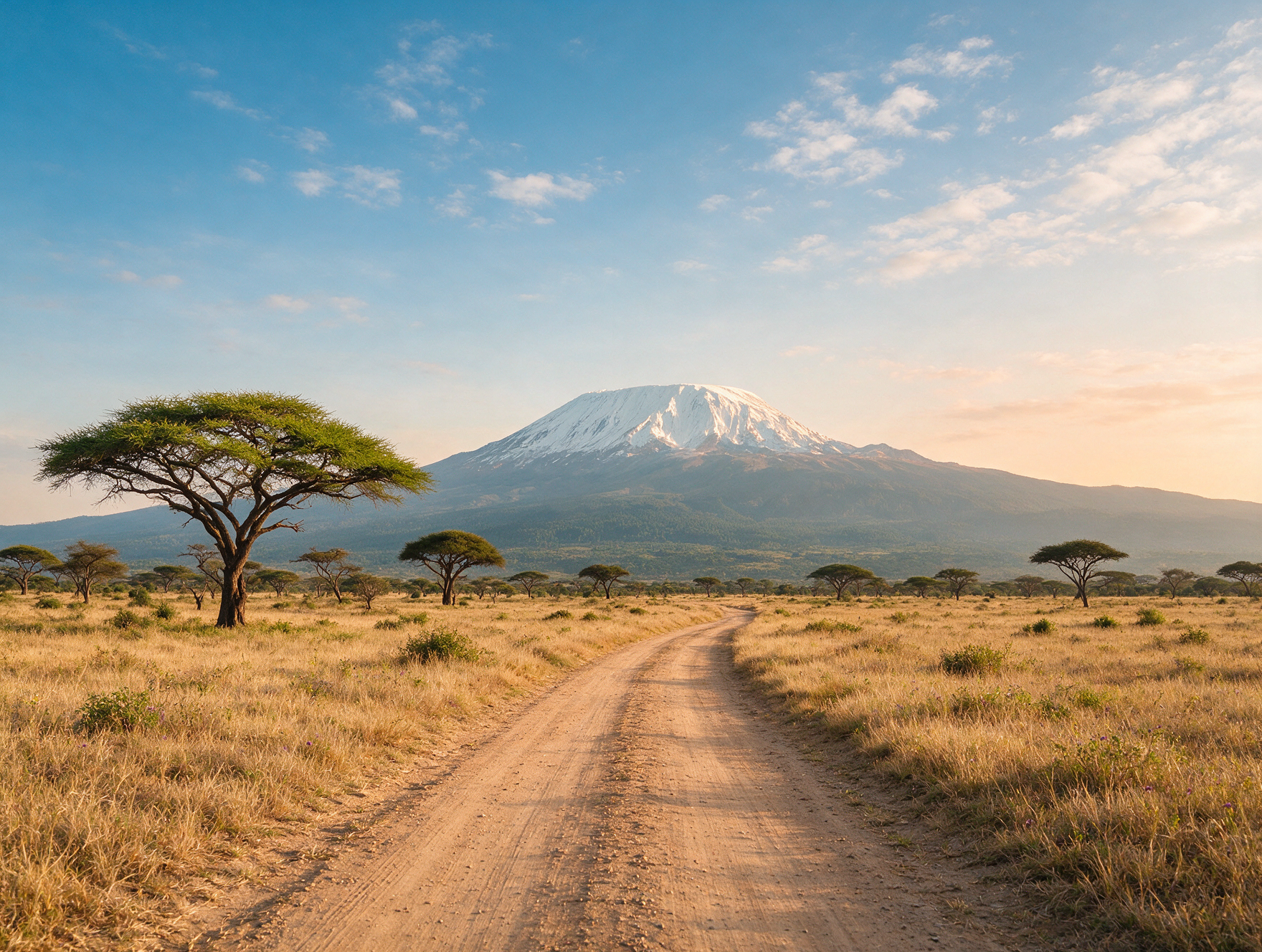
There is one honest exception worth knowing. Amboseli is famous for its views of Mount Kilimanjaro across the border in Tanzania, and you do not need to be inside the park to see it. The town of Loitokitok and the roads running along Amboseli’s boundary sit almost at Kilimanjaro’s foot on the Kenyan side, and on a clear morning — the mountain is notoriously shy in the afternoon haze — you can see the snow cap from outside the gate for free. You won’t get the elephants silhouetted against it, which is the shot everyone actually wants, but you’ll get the mountain. That’s the honest version of “free Amboseli,” not a loophole into the park itself.
Free Add-Ons, Not a Budget Trip
We want to be straightforward about how we think this list should actually be used. Get Tripped doesn’t build budget or backpacker-style Kenya trips, and this post isn’t suggesting you should try to see Kenya for free. The real value of everything above is as texture around a planned trip, not a substitute for one.
A well-built Kenya itinerary already has downtime in it — an arrival afternoon in Nairobi before your flight connects to the bush, or a few unstructured days at the coast after a Mara or Amboseli safari to decompress. That’s exactly where this list belongs. Spend your first afternoon in Nairobi at Jeevanjee Gardens and the markets instead of sitting in a hotel room waiting for jet lag to pass. Add two free mornings on Diani’s sand before or after your safari rather than treating the beach leg as an afterthought. None of this changes what you’re paying for the safari itself — it just makes sure the non-safari days of a premium trip are as well-used as the paid ones.
For couples: the free sunrise walk along Diani at low tide, before the beach vendors and day-trippers arrive, is better than most paid sunset cruises we’ve organized — quieter, and you get the whole stretch of sand to yourselves.
For families: Uhuru Park’s lawns and the pedal boats are an easy, low-stakes way to burn a few hours with kids between a long-haul flight and the drive out to a safari lodge, without needing an entrance fee or a strict schedule. We build this kind of buffer day into most Kenya family holiday packages we plan, since young kids rarely do well going straight from a redeye flight into a six-hour game drive.
A Mistake to Avoid, and a Fun Fact Worth Knowing
The mistake: Karura Forest, inside Nairobi, gets recommended constantly as a free green escape, including on several “free things to do in Nairobi” lists we checked while researching this piece. It is not free. Non-resident adults currently pay around KES 850 (roughly USD 6–7) at the gate, with reduced rates for children. It’s a lovely forest with waterfalls and cycling trails, and worth the small fee — just don’t plan your day around it being a zero-cost stop, because you’ll be caught out at the entrance.
The fun fact: Kenya’s National Museums occasionally do run free-entry days — in September 2025, every National Museums of Kenya site waived admission for World Tourism Day. The catch, and it’s worth knowing before you build a trip around it, is that offer was restricted to Kenyan citizens only. So while the museums here aren’t part of our free list for visiting Indian travelers, it’s a nice sign of how seriously Kenya treats public access to its own heritage sites domestically.
Frequently Asked Questions
Is Kenya safe for Indian tourists?
Generally, yes. Nairobi’s tourist and business districts, the main safari circuits, and Diani Beach all see heavy, routine tourist traffic, including a steady flow of Indian travelers, and standard city-travel precautions apply — don’t walk alone late at night in Nairobi’s CBD, use registered taxis or your hotel’s transport after dark, and keep valuables out of sight at markets. Most visits run without incident when people follow the same common sense they’d use in any large city.
Do Indian citizens need a visa to visit Kenya?
Yes. Kenya replaced its visa system with an Electronic Travel Authorization (eTA) in January 2024, and regular Indian passport holders need to apply for one online before arrival through the official portal at etakenya.go.ke. Apply a few days ahead of travel rather than at the airport.
How much does a Kenya safari cost from India, roughly?
Park fees alone for Amboseli run about USD 80–100 a day per adult for non-residents, and the Masai Mara can run from roughly USD 70 to over USD 200 a day depending on season and whether you’re in a public reserve or a private conservancy. That’s before lodging, transport, and a guide, which is where most of a safari budget actually goes. A realistic mid-range to premium multi-day Kenya safari from India, including flights, typically lands well into six figures in rupees per person — we can give you an exact number once we know your dates and which parks you want.
Is Diani Beach really free to visit?
Yes. The beach itself is public land with no entry gate or fee. You only pay if you rent equipment (snorkeling gear, kayaks), book a boat trip or dhow cruise, or use facilities that belong to a specific hotel as a non-guest.
Can I see Mount Kilimanjaro without paying Amboseli’s park fee?
Partially. The mountain is visible from the town of Loitokitok and roads along Amboseli’s boundary on clear mornings, free of charge. You won’t get the park’s famous “elephants with Kilimanjaro behind them” photograph without paying to go inside — that shot specifically requires being in the park.
What’s the best time of year to combine free Nairobi activities with a paid safari?
Kenya’s dry seasons — roughly late June through October, and January to February — give you the clearest Kilimanjaro views from Amboseli’s edges and the easiest wildlife viewing inside the parks. Nairobi’s free attractions and Diani Beach are enjoyable year-round, so build those around whichever dry-season window fits your safari dates.
Do I need cash for any of the free attractions in this guide?
Not for the genuinely free ones — Uhuru Park, Jeevanjee Gardens, market browsing, and Diani’s public beach cost nothing to simply walk into. Carry some Kenyan shillings in small denominations anyway, since boat rides, snorkel rental, tips, and market purchases are still largely cash-based, especially outside Nairobi’s bigger hotels.
The Honest Takeaway
Kenya’s biggest draws — the Mara’s migration, Amboseli’s elephants against Kilimanjaro, Nakuru’s flamingos — are paid experiences, and that’s not a flaw in the country, it’s the system that keeps those landscapes intact. But the things to do in Nairobi outside the parks, and the full stretch of Diani Beach, give you real, worthwhile time in Kenya for nothing at all. Use them as what they are: good, free texture around a trip you’re already investing in properly, not a way to avoid investing in it.
If you’re mapping out where free time fits around a Masai Mara and Amboseli circuit, or a Nairobi-to-Diani combination, Get Tripped’s Kenya destination guide is a good next stop, and our team — reachable through our Kenya travel agency in Mumbai — can build the paid side of the itinerary around exactly the free experiences covered here. Tell us your dates and whether the Mara or Amboseli matters more to you, and we’ll put together a plan that doesn’t waste a single day, free or otherwise.