Most people planning a Kenya safari package from India picture the animals first and the logistics never. That’s backwards, a little. Kenya’s safari destinations are spread across a country roughly twice the size of Rajasthan, and how you move between Nairobi, the Mara, and the coast shapes your trip more than almost any other single decision. Fly over the Rift Valley escarpment in a 12-seat Cessna and you’ll be sipping a sundowner by 4 PM. Drive it on a bad day and you’re still watching trucks crawl up a single-lane pass at sunset.
This guide covers how transport actually works for travelers booking Kenya tour packages from India through a premium operator — domestic flights into the bush, private vehicle transfers with a driver-guide, Nairobi’s ride-hailing apps, the train down to the coast, and where the famous matatus fit into all of this (spoiler: as a thing you look at, not a thing you ride).
In This Guide
- Why Kenya safari logistics run through two different Nairobi airports
- Domestic flights to safari airstrips — and the luggage mistake that catches people out
- Private safari vehicle transfers, the actual default for most itineraries
- Getting around Nairobi: ride-hailing, hotel transfers, and traffic
- The SGR train to the coast, for a Diani Beach extension
- Matatus — Kenya’s informal buses, and why we don’t put clients on them
- Road safety notes worth knowing before you land
- FAQs
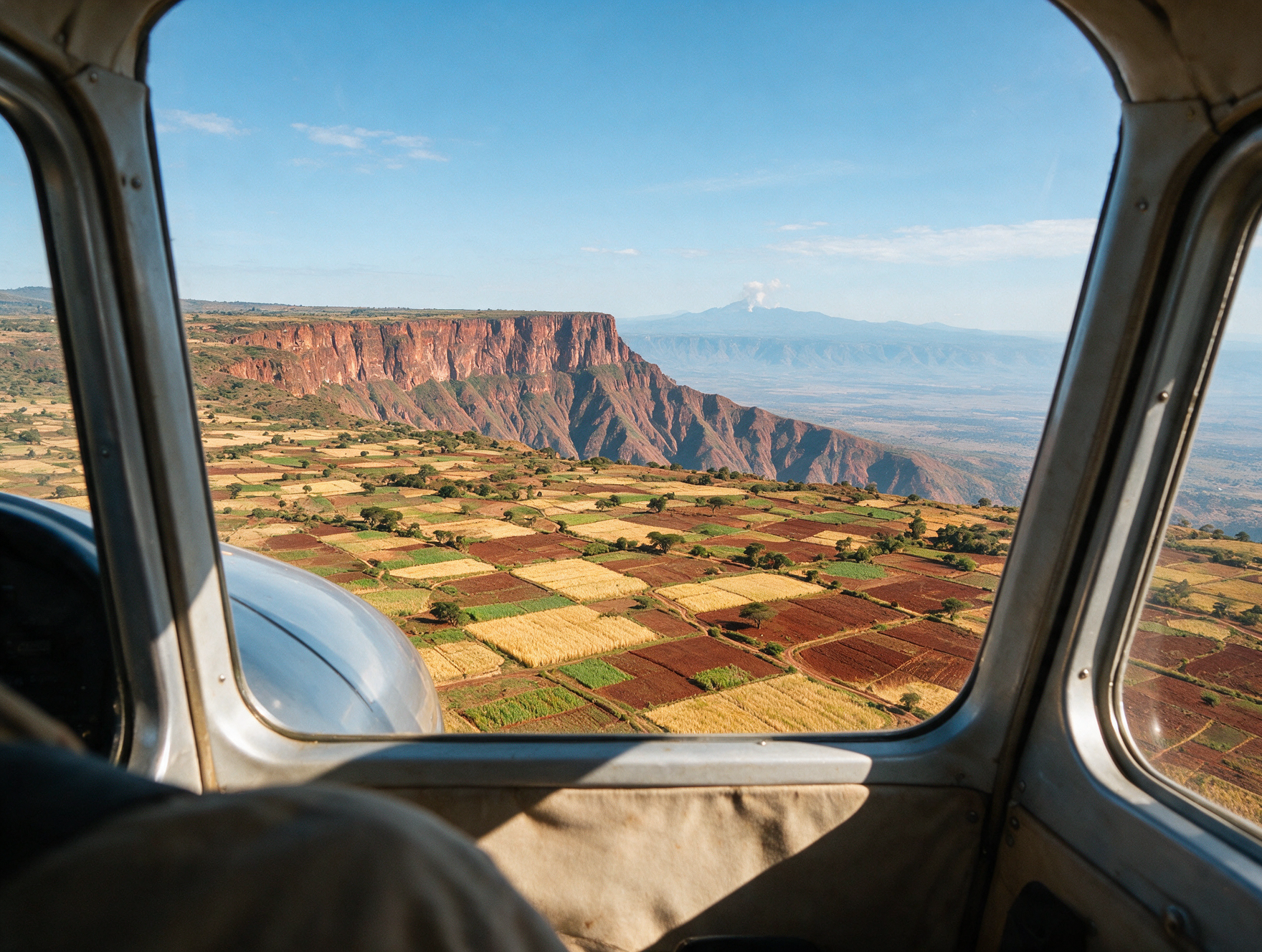
Two Airports, One City: JKIA and Wilson
Here’s something that trips up first-time visitors to Kenya more than almost anything else: Nairobi has two airports that matter to your safari, and they’re not the same place.
Jomo Kenyatta International Airport (JKIA) is where your international flight from India lands — direct options or one-stop connections via Doha, Dubai, or Addis Ababa are common. Wilson Airport, about 30-45 minutes away depending on traffic, is where the small safari planes depart from. If your itinerary has you flying into the bush the same day you land in Kenya, that transfer between airports needs to be built into the plan, with a comfortable buffer for Nairobi traffic. This is exactly the kind of detail a private operator handles for you — it’s one of the more irritating things to discover on your own at midnight after a long flight.
Get Tripped builds this connection into every Kenya safari package itinerary, so nobody is standing in an arrivals hall trying to figure out which airport their next flight leaves from.
Domestic Flights to Safari Airstrips
For most multi-destination safaris — Nairobi to the Mara, the Mara to Amboseli, Amboseli to the coast — small aircraft are the backbone of how premium travelers actually move around. Three carriers run most of this network: Safarilink and AirKenya fly 12 to 14-seat Cessna Caravans and similar turboprops directly into bush airstrips near the lodges and camps — Mara, Amboseli, Samburu, Lamu, Lewa. Jambojet, by contrast, is Kenya’s low-cost domestic carrier and mostly connects bigger airports — Nairobi to Mombasa, Kisumu, Malindi — rather than flying into dirt airstrips, so it’s more relevant if your trip includes a coastal leg than if it’s purely safari circuit.
These flights genuinely save a day of driving each way, and on a 10 or 12-day itinerary that matters. A hop from Wilson Airport to a Mara airstrip is around 45 minutes; the same journey by road is five to seven hours depending on the route and the season.
The mistake to avoid: these aircraft enforce a strict 15kg total luggage limit per person — that’s checked and carry-on combined, not 15kg each. Hard-shell suitcases are generally not accepted either, because the cargo holds on a Caravan or Dash-8 are small and curved, and a rigid case simply doesn’t fit through the hatch. You need a soft duffel bag that can flex. People who show up with a 23kg hard-shell rolling suitcase either pay a steep excess fee (roughly USD 3-4 per extra kilo, when there’s spare capacity) or leave the bag behind at a storage counter and collect it on the way back through Nairobi. Neither is how you want to start a safari. Pack a soft bag, weigh it at home, and keep valuables and camera gear as a separate small carry-on.
Fun fact: pilots on these routes often fly the same Mara or Amboseli circuit multiple times a day, and more than a few can point out specific elephant herds or a resident pride by name as you fly over — it’s a surprisingly personal way to see the landscape from above before you see it from a vehicle.
This is also where the real cost difference in a Kenya safari cost from India shows up — flying between camps instead of driving adds a meaningful amount to the budget, but it buys back one or two full travel days, which on a shorter trip is often the better trade.
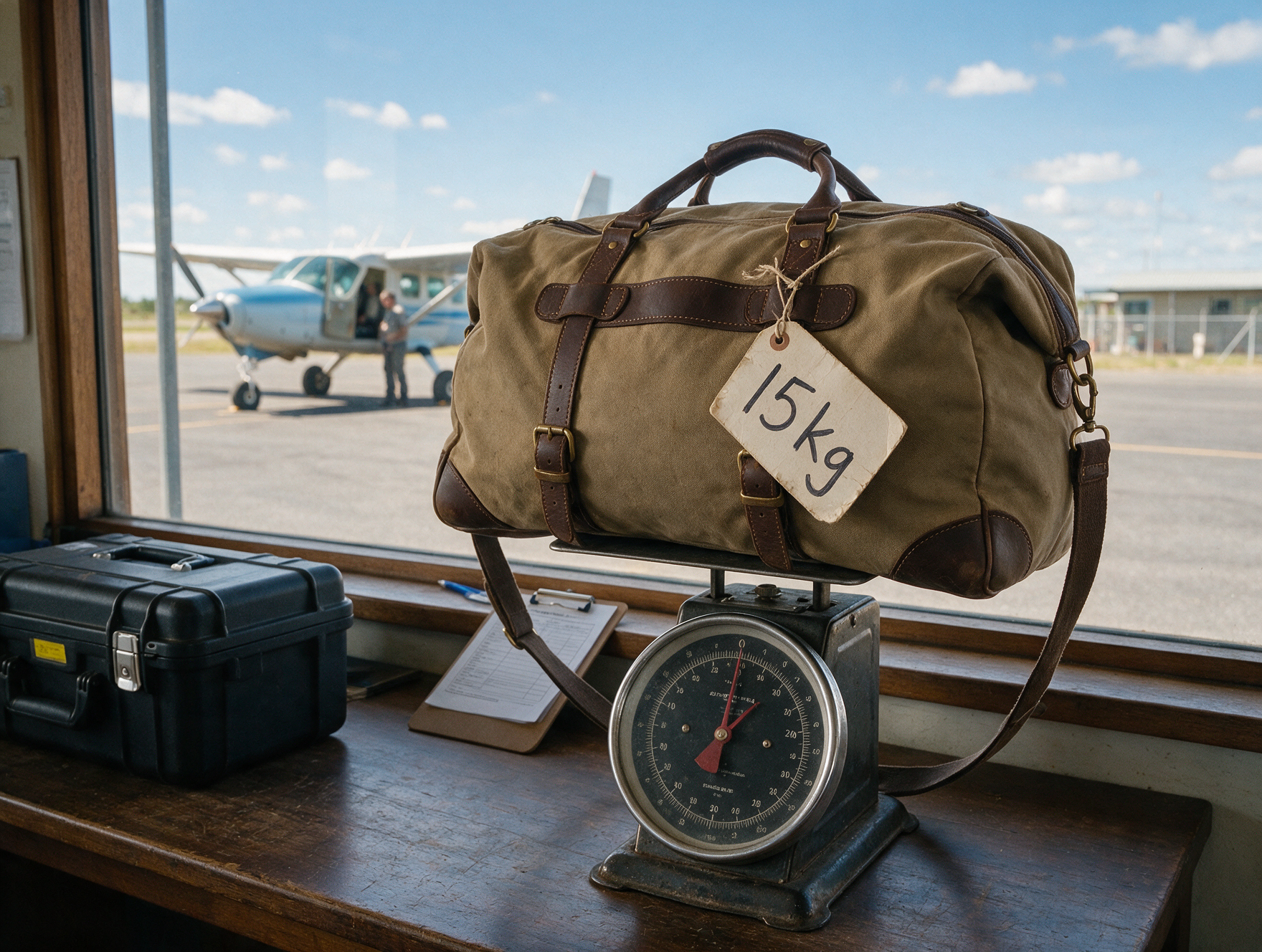
Private Safari Vehicle Transfers: The Actual Default
If there’s one thing to understand about how premium safari travel works in Kenya, it’s this: almost nobody serious about comfort rides public transport between destinations. The standard is a private 4×4 safari van or Land Cruiser with a pop-up roof, a dedicated driver-guide, and just your group inside — not a shared shuttle, not a scheduled bus.
The driver-guide is doing more than driving. On transfer days between parks, they’re also your first game-viewing session — slowing for a giraffe near the road, stopping for a Maasai village view, timing a border crossing to avoid the midday heat. This is the single biggest difference between a luxury Kenya safari package and a self-drive or shared-shuttle trip: the vehicle is also doing the job of a guide, not just a taxi.
Road conditions vary a lot by route. Nairobi to the Mara covers roughly 270-290km and takes 5.5 to 7 hours, mostly on tarmac, with one notorious stretch: the Mai Mahiu escarpment road down into the Rift Valley, a steep single-lane descent shared with heavy cargo trucks heading to and from Uganda. On a bad day — a breakdown, an overturned truck — this stretch alone can add an hour or two. Good operators now route around the worst of it using the newer tarmacked Ngong-Suswa bypass, which skips the escarpment bottleneck entirely on the way out.
Hidden gem: if your driver does take the escarpment road, ask for a short stop at the Milano viewpoint. It’s just a roadside pull-off with a few curio stalls, nothing fancy, but the view down into the Rift Valley floor — green when it’s rained recently, dusty gold in the dry months — is one of those stops nobody mentions in the brochure and everybody remembers.
Once you’re off the highway and into the reserve itself, roads turn to graded dirt and, in the Mara especially, washboard gravel that genuinely needs a 4×4 with decent clearance — not because it’s dangerous, but because a low sedan would simply get stuck or shake itself apart. This is non-negotiable in the rainy seasons (roughly April-May and November), when some tracks become impassable without a serious vehicle.
For families: private vehicles mean flexible timing — bathroom stops, shorter driving stretches between naps, and no fixed shuttle schedule to work around. For couples and honeymooners: ask about upgrading to a vehicle with just the two of you and no other guests sharing the game drives, which most premium operators can arrange for a supplement.
Getting Around Nairobi: Ride-Hailing and Hotel Transfers
Nairobi itself is a different transport problem entirely — this is a city of roughly five million people with traffic to match, and it’s where most travelers spend a day or two before or after the safari portion of their trip, covering things to do in Nairobi like the Giraffe Centre, the Elephant Orphanage, or the Nairobi National Museum.
Uber and Bolt both operate in Nairobi and are the sensible way to get around the city independently. Bolt has the wider reach across the country; Uber tends to be the more familiar first choice for visitors. Both let you see the driver’s name, photo, and registration before you get in — check all three match before boarding, and keep the trip inside the app rather than agreeing to pay the driver directly, which is a common scam pattern everywhere, not just Kenya. Most hotels and all Get Tripped itineraries also include pre-arranged airport and city transfers, which is simpler than negotiating a ride at 2 AM after a long-haul flight.
One honest caveat: Nairobi traffic is genuinely unpredictable, especially on Mombasa Road near the airport and anywhere close to the CBD during rush hour (roughly 7-9 AM and 5-7:30 PM). Build in real buffer time for any airport transfer — an hour’s cushion has saved more than one flight connection.
Boda-bodas (motorcycle taxis) are everywhere and genuinely useful for locals navigating traffic, but they’re not something we’d put a client on — no luggage space, more road exposure, and insurance coverage is a question mark. Stick to a car.
The SGR Train: A Smart Way to Reach the Coast
If your Kenya itinerary includes a few days unwinding on Diani Beach or Mombasa’s coastline after the safari circuit, the Madaraka Express — Kenya’s Standard Gauge Railway — is worth knowing about as a genuine alternative to flying.
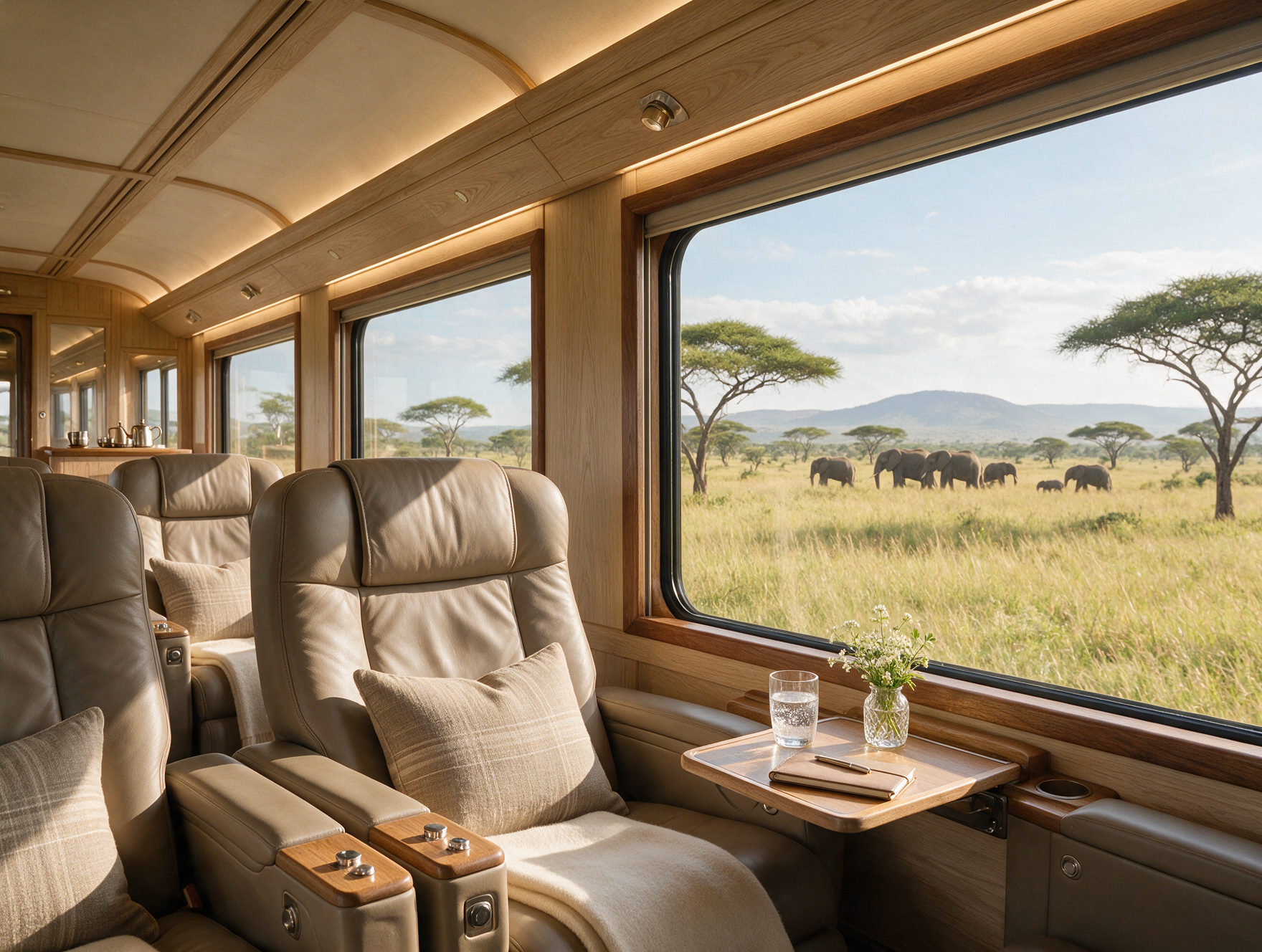
The train runs Nairobi to Mombasa in about 4 hours 30 minutes, with three departures a day in each direction. First class and the newer Premium class both have reclining seats, air conditioning, and large windows — on the stretch through Tsavo, it’s not unusual to spot elephants or giraffe from your seat, which is more than you can say for most train journeys anywhere. Fares run roughly from KSh 1,500 in economy up to KSh 12,000 for premium, making it considerably cheaper than a domestic flight for this particular route, though it takes longer door to door once you factor in getting to and from the terminals, which sit outside both city centers.
It’s a nice change of pace after days of game drives — no packing a soft duffel, no 15kg limit, just a comfortable seat and scenery. Book through the official Kenya Railways e-ticketing site rather than a third-party reseller, and go for first or premium class; economy is fine for a short hop but not for a 4.5-hour ride with luggage.
Matatus: Local Color, Not a Client Option
No honest guide to getting around Kenya skips the matatus, so here it is: these are the privately-run minibuses that handle most of Nairobi’s actual day-to-day public transport, and they’re a genuine piece of Kenyan street culture. Many are hand-painted with elaborate graffiti art, portraits of musicians or footballers, and sound systems loud enough to feel from the sidewalk. Nairobi’s matatu art scene has been written about in design magazines well beyond Kenya — it’s a real thing, not a tourist gimmick.
That said, we don’t recommend them as transport for our clients, and we’re upfront about why: routes aren’t clearly signed for outsiders, they’re frequently overcrowded, driving style is aggressive by design (drivers are often paid per trip, not per hour, which incentivizes speed over caution), and pickpocketing on crowded routes is a known risk. If you want the matatu experience, the honest version is photographing a few from the safety of your private vehicle in traffic — which is exactly what most of our guests end up doing anyway, usually without being asked.
This is really the whole philosophy behind how Get Tripped designs transport for Kenya: public options exist and they’re interesting to look at, but the private-vehicle-plus-driver-guide model isn’t an upsell for its own sake — it’s genuinely the difference between a relaxed trip and a stressful one, especially for a first visit.
Road Safety and General Transport Notes
On the question people ask most directly — is Kenya safe for Indian tourists — the transport-specific answer is reassuring: licensed tour vehicles, reputable domestic airlines, and app-based ride-hailing in Nairobi are all well-established and used by serious international operators every day. The bigger real risks are the ordinary ones: pickpocketing in crowded markets or matatu stops, night driving on rural roads (most operators avoid it by design), and informal taxis outside airports that aren’t part of any registered fleet — always use a pre-booked transfer or a verified app at JKIA, not a tout in the arrivals hall.
Seatbelts are required by law in the front seats of private vehicles and are worth using in the back too, even on game drives where everyone wants to stand through the pop-up roof — ask your driver-guide when it’s appropriate. Carry a printed or downloaded copy of your itinerary and transfer confirmations; mobile signal is good in most towns and reserves now but still patchy in a few conservancy areas.
Frequently Asked Questions
Do I need to book domestic flights separately from my safari package?
Not if you’re booking through Get Tripped — domestic flights between safari airstrips, along with the private vehicle transfers at each destination, are built into the itinerary and quoted upfront as part of your Kenya safari package, so there’s no separate booking to juggle.
How strict is the luggage weight limit on bush flights, really?
Very. The 15kg combined limit (checked plus carry-on) is enforced at check-in with an actual scale, and it includes camera bags and daypacks, not just your main luggage. Soft-sided bags only — pack light and leave bulky items at your hotel in Nairobi if your itinerary loops back through the city.
Is Kenya safe for Indian tourists in terms of getting around?
Yes, with the usual sensible precautions. Stick to licensed tour vehicles and registered domestic airlines, use ride-hailing apps rather than unmarked taxis in Nairobi, and avoid independent night driving on rural roads. This is standard advice for most international destinations, not a Kenya-specific worry.
How long does it take to get from Nairobi to the Maasai Mara by road versus by air?
By road, 5.5 to 7 hours depending on the route and traffic at the Mai Mahiu escarpment. By air, around 45 minutes from Wilson Airport. Most itineraries use a mix — perhaps flying one leg and driving another — to balance cost, time, and the chance to see more of the countryside.
Can I use Uber or Bolt for an airport pickup when I land in Nairobi?
You can, though most travelers on a packaged safari find it easier to have a pre-arranged transfer waiting, especially after an overnight flight. If you do use an app, confirm the driver’s name and plate number match what’s shown before getting in.
Is the SGR train worth it over flying to Mombasa?
If you have the extra few hours and want a scenic, comfortable alternative to a short domestic flight, yes — especially for a coastal extension after your main safari. If you’re tight on time, flying is faster door to door.
What should families with young kids know about transport in Kenya?
Private vehicles give you control over pacing — more stops, shorter driving stretches, and no fixed shuttle schedule. If your itinerary includes a bush flight, double-check child luggage against the same 15kg limit; it catches families off guard more than any other group.
Getting Around Is Part of the Experience
Kenya’s own tourism board calls its slogan “Magical Kenya,” and most Magical Kenya travel guide content focuses on the parks and the beaches, which is fair — that’s the main event. But the best Kenya itineraries treat transport as part of the trip, not just the gaps between the good parts. A well-timed flight over the Mara, a driver-guide who knows exactly where to pause on the escarpment road, a slow afternoon on the SGR watching Tsavo roll past the window — these add up to more than they look like on a day-by-day itinerary PDF.
If you’re mapping out places to visit in Kenya and want someone else to handle the airstrip transfers, the escarpment timing, and the 15kg luggage math, that’s exactly what a planned trip through Get Tripped takes off your plate.
Ready to see it for yourself? Explore Get Tripped’s Kenya safari packages and book Kenya safari holidays with every transfer — flights, vehicles, and drivers — already sorted.