The question comes up on almost every Kenya safari consultation Get Tripped runs for a vegetarian family: what happens when we’re two hours from the nearest town and the only thing on the dinner table is roast meat? It’s a fair worry, and a decade ago it was a real problem. It isn’t anymore, not if you plan for it. Kenya tour packages from India increasingly route through lodges that handle vegetarian and vegan requests as routine, not as an inconvenience — but only if someone tells the kitchen in advance.
This guide covers food, specifically, at every one of the six places on Get Tripped’s Kenya itinerary: Nairobi, Maasai Mara National Reserve, Amboseli National Park, Lake Nakuru National Park, Diani Beach, and Mount Kenya National Park. Each section below names real restaurants and lodges, explains what to expect on the plate, and tells you what to ask for ahead of time. If you’re comparing Kenya family holiday packages or Kenya honeymoon packages from India and food is the thing holding you back, this should settle it.
For a wider look at where to go beyond these six spots, Kenya’s official Magical Kenya travel guide covers the full list of places to visit in Kenya. This piece sticks to one thing: food, place by place, lodge by lodge.
In This Guide
- Nairobi — Africa’s Wildlife Capital, and Kenya’s best Indian vegetarian food outside India
- Maasai Mara National Reserve — buffet lodges and bush dinners that actually plan for vegetarians
- Amboseli National Park — the lodge that puts “vegetarian” on its dietary policy in writing
- Lake Nakuru National Park — garden-grown salads and flamingo views
- Diani Beach — coconut curries, an Italian kitchen, and why seafood isn’t the only story
- Mount Kenya National Park — mukimo country and farm-to-table lodges
How Safari Lodges Handle Vegetarian and Vegan Requests
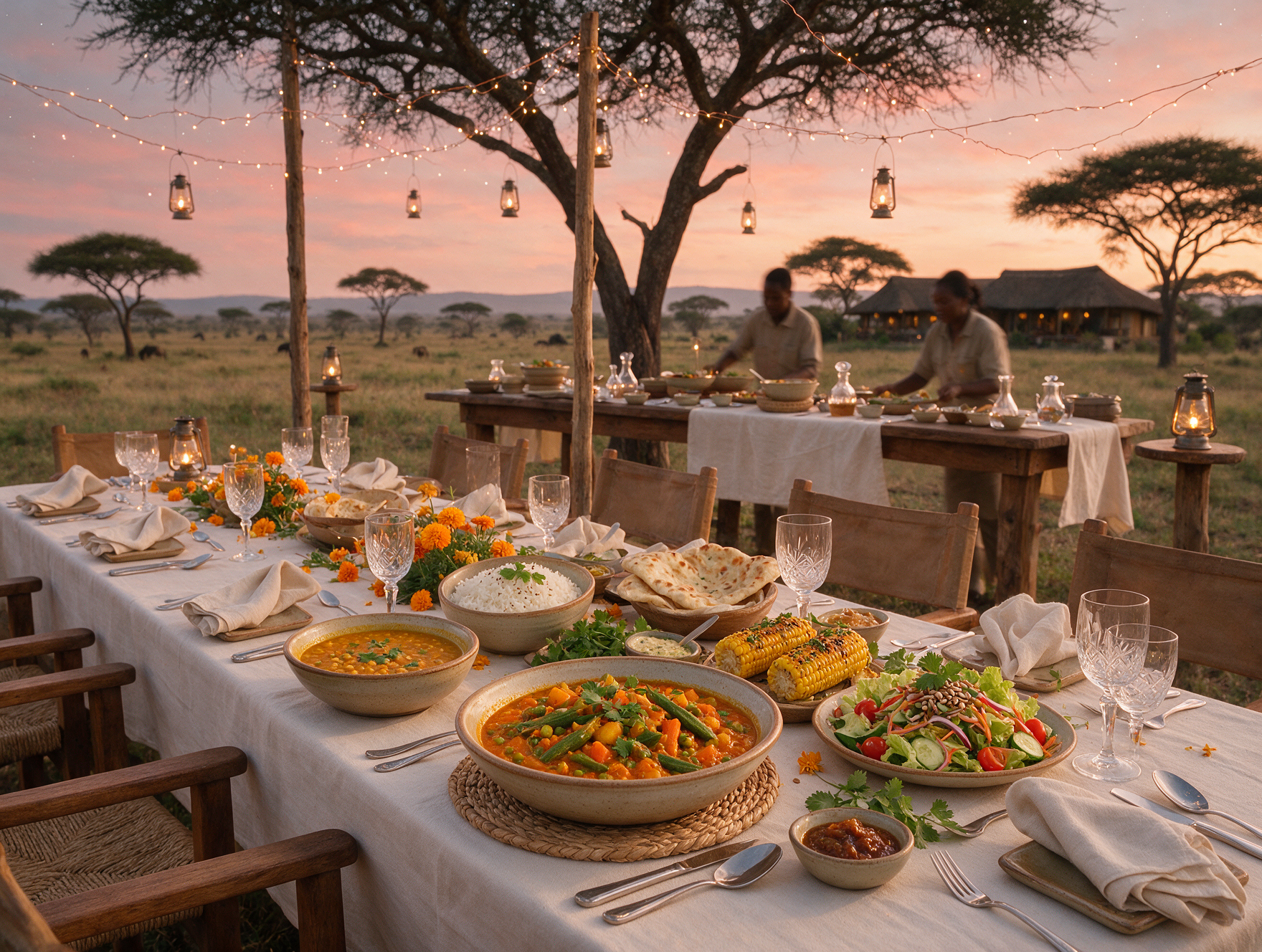
Most people picture safari food as meat skewered over a fire, and at some camps that’s exactly the default menu. But the reputable lodges across Kenya’s parks run on a pre-order system, not a fixed menu, because they’re cooking for groups that fly or drive in for just two or three nights at a time. That system works in your favor if you use it.
Here’s roughly how the timing works, based on lodge size:
- Large lodges with 20+ rooms (Serena, Sopa, Sarova properties) can usually turn around a vegetarian or vegan request with about 48 hours’ notice.
- Smaller, owner-run camps often need 5-7 days, since they order fresh supplies in smaller batches and can’t substitute at the last minute.
- Remote fly-in camps — think Samburu or the Chyulu Hills — need 10-14 days, because specialty ingredients arrive on the same small aircraft as the guests.
In practice, this means telling your tour operator at the time of booking, not the night before you leave India. Get Tripped builds dietary flags into every Kenya booking form for exactly this reason, so the request reaches the lodge with the rest of the reservation and the kitchen has already planned for it by the time you check in.
The mistake to avoid: assuming the lodge will “figure it out” because you’re vegetarian, not vegan, and surely that’s easy. It often isn’t, if nobody told them. Travelers who show up unannounced tend to get the same backup plan every night — steamed vegetables and rice — because that’s what a kitchen can improvise without notice. Flag it ahead, and most lodges will put together an actual vegetarian main: dal, a vegetable curry, sometimes a proper thali-style spread, not just a sad side dish.
Bush breakfasts and bush lunches on game drives are usually boxed — sandwiches, boiled eggs, fruit, maybe a muffin. If you’re vegan, ask specifically for bean, hummus or peanut butter fillings instead of the default cheese or egg sandwich; most camps can swap this in once they know.
Nairobi: Africa’s Wildlife Capital
Nairobi is, genuinely, one of the easiest cities in the world to eat vegetarian Indian food outside India itself. That’s not a coincidence — Indian traders and railway workers arrived with the Kenya-Uganda Railway in the 1890s and never really left, and Nairobi’s Parklands and Westlands neighborhoods still carry a large Indian-origin Kenyan population with the restaurants to match. If you only eat one proper thali on this whole trip, have it here, before you head out to the parks.
Where to Eat
Maharaja, in Parklands (opposite MP Shah Hospital, a short drive from Westlands), is a pure vegetarian restaurant doing Gujarati, Punjabi and Rajasthani food alongside South Indian dishes and Indo-Kenyan fusion plates. Go for the thali if you want to taste a bit of everything, or the Sunday breakfast buffet (8:30-11:30am) if you’re in town over a weekend — it’s popular with local Gujarati families, which is usually a good sign.
Haandi, in Westlands, is the better-known name if you want a sit-down dinner rather than a thali counter. It’s built its reputation on North Indian tandoor dishes, but the vegetarian section is extensive — paneer in several preparations, dal makhani, vegetable biryani — and it’s an easy recommendation for a mixed group where not everyone is vegetarian.
Outside the Indian restaurants, it’s worth trying actual Kenyan vegetarian food too: githeri (a maize-and-bean stew, naturally vegan), sukuma wiki (collard greens, usually sautéed with onion and tomato), and mukimo (mashed potato, corn, peas and pumpkin leaves) show up on local menus and buffets all over the city. They’re good, filling food in their own right, not just a fallback when the kitchen has nothing else.
If you’re combining food with sightseeing, there are plenty of things to do in Nairobi beyond restaurants — the Giraffe Centre, Nairobi National Park, the elephant orphanage — but build in at least one proper sit-down meal at Maharaja or Haandi before you head to the bush.
Fun fact: chapati is genuinely popular across Kenya, and it’s a direct legacy of that same Indian railway history — it’s eaten with stews and curries in Kenyan homes that have never cooked an Indian dish otherwise.
Maasai Mara National Reserve
This is the one park where people worry most about food, probably because it’s also where most Indian travelers spend the most nights. The good news: the bigger lodges here run proper buffets, and vegetarian isn’t an afterthought.
Mara Serena Safari Lodge, built on a hilltop overlooking the Mara river plains, runs a buffet breakfast and lunch with vegetarian dishes alongside the usual continental spread, and a five-course themed dinner buffet three nights a week. Even the bush dinner — the one with meat and fish grilled over an open flame under the stars — explicitly lists vegetarian options, so you’re not stuck picking around a plate of nyama choma.
Angama Mara, for travelers going the luxury route, is smaller and more personal, which means advance notice matters more here — plan on 5-7 days so the kitchen can plan menus around you rather than substitute on the fly. It’s worth the planning; the food, and the view over the Mara escarpment, are some of the best in the region.
Families traveling with kids who eat differently from the adults will be glad to know most Mara lodges, Serena included, will do a simplified, separate kids’ plate with the same advance notice.
Amboseli National Park
Amboseli’s main draw is Kilimanjaro looming over the plains on a clear morning, and the food here tends to get less attention in guides — unfairly, because one lodge in particular is unusually upfront about it.
Amboseli Serena Safari Lodge states plainly on its own dining page that it caters to kosher, vegetarian and gluten-free guests, and will accommodate “any additional dietary requirements” beyond that. Lunch runs buffet-style with rotating meat, fish and vegetarian stations, and there’s a bush breakfast and bush dinner at Observation Hill if you want a meal with a view rather than in the dining room. It’s a small thing, but having a lodge say this outright, rather than you having to ask and hope, makes planning easier.
Amboseli Sopa Lodge is the other common choice in the park and runs a similar buffet-style service. Like most big Kenyan lodge brands, it can set aside a vegetarian plate without much fuss, but it’s worth confirming at booking rather than assuming.
Lake Nakuru National Park
Lake Nakuru is smaller and closer to Nairobi than the other parks on this list — a half-day’s drive, which is why it’s often paired with Naivasha or the Mara on a longer circuit. It’s known for rhinos and, when water levels cooperate, flamingos, and the lodges here lean into their own gardens for food in a way that actually helps vegetarian travelers.
Sarova Lion Hill Game Lodge runs its Flamingo Restaurant with elaborate buffet counters and live cooking stations, and grows its own vegetables and herbs for the salad buffet. The lodge says its chefs are “happy to cater for most special dietary requirements,” and because so much of the produce is grown on-site rather than trucked in, the vegetarian spread tends to be fresher than the catch-all steamed vegetables you sometimes get elsewhere.
Lake Nakuru Sopa Lodge, the other main option inside the park, runs a similar continental buffet. Options thin out the further you get from Nairobi, but lodges plan for it if you tell them, and Sopa is no exception — just flag it when the booking goes in.
Diani Beach
Diani flips the usual safari-food script. Here the worry isn’t meat, it’s that every menu looks like it’s built entirely around the day’s fresh catch. It isn’t, quite — Swahili coastal cooking leans on coconut and vegetables more than most visitors expect, and some of the best food on this beach never touches a fish.
Casamia, a fine-dining Italian restaurant on the beach, is explicitly described as a good choice for vegetarians, vegans and guests avoiding gluten, with Mediterranean-leaning pasta and vegetable dishes done properly rather than as an afterthought to the seafood menu.
For something more local, The African Pot serves traditional Kenyan dishes — the same githeri and sukuma wiki you’d find inland — alongside heartier stews, and its vegetarian dishes get called out specifically by people who’ve eaten there. It’s a hidden gem precisely because it isn’t trying to be the fanciest restaurant on the strip; it’s just good, honest cooking a short walk from the beach road, away from the resort buffets.
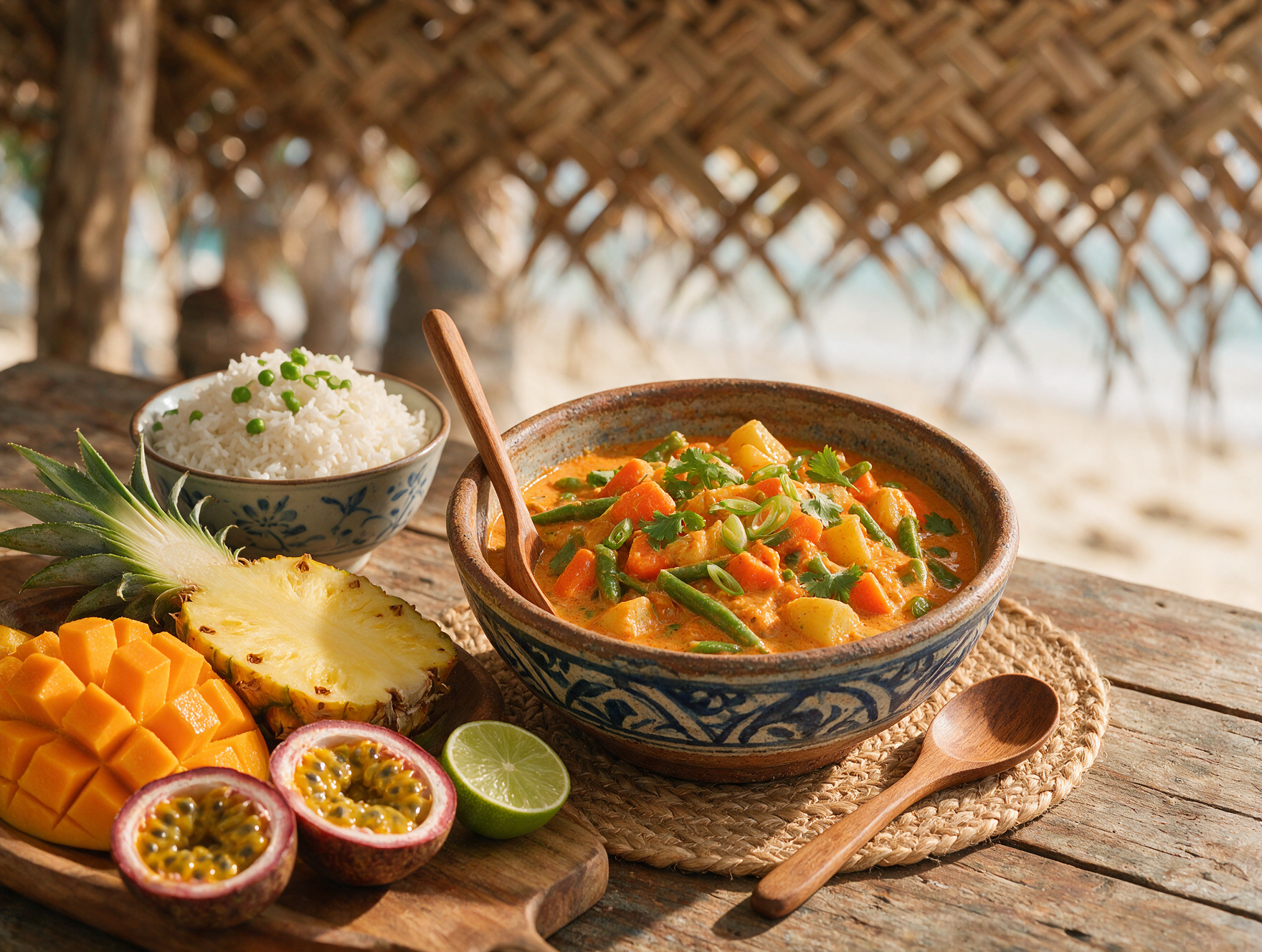
Coconut shows up everywhere on this coast in ways that work naturally for vegans: mboga ya nazi (vegetables cooked down in coconut milk), coconut rice, and tropical fruit — mango, pineapple, passion fruit — that’s actually in season rather than flown in. If you’re staying at one of the big beach resorts, ask the kitchen for a coconut vegetable curry even if it’s not on the printed menu; most coastal Kenyan chefs know how to make one.
Mount Kenya National Park
Mount Kenya is the odd one out on this list because most travelers pass through Nanyuki and the surrounding highlands for the mountain scenery and the chance to stand near the equator, not for a classic game drive, though there’s wildlife here too, just at altitude. It’s also, unexpectedly, where some of Kenya’s best vegetarian local food comes from.
This is Kikuyu farming country, and the signature dish is mukimo — mashed potato, sweet corn, beans and pumpkin leaves, sometimes with a little green banana worked in. It’s filling, entirely vegetarian by default, and worth asking for by name rather than settling for a generic “mixed vegetables” on a buffet.
Fairmont Mount Kenya Safari Club, near Nanyuki, runs its Tusks restaurant on locally sourced, organic ingredients from its own garden and farm, and states outright that it’s vegetarian-friendly with gluten-free options too. Guests are asked to flag dietary restrictions at the time of booking, which is exactly the right way around.
Serena Mountain Lodge, built deeper into the forest around a waterhole for night-time animal viewing, follows the same Serena-wide approach to dietary requests as its sister lodges in the Mara and Amboseli: tell them ahead, and the kitchen plans for it.
Water, Fruit and Food Safety for Vegetarians in Kenya
None of this is specific to vegetarian travelers, but it matters more when fresh fruit and salad make up a bigger share of what you’re eating.
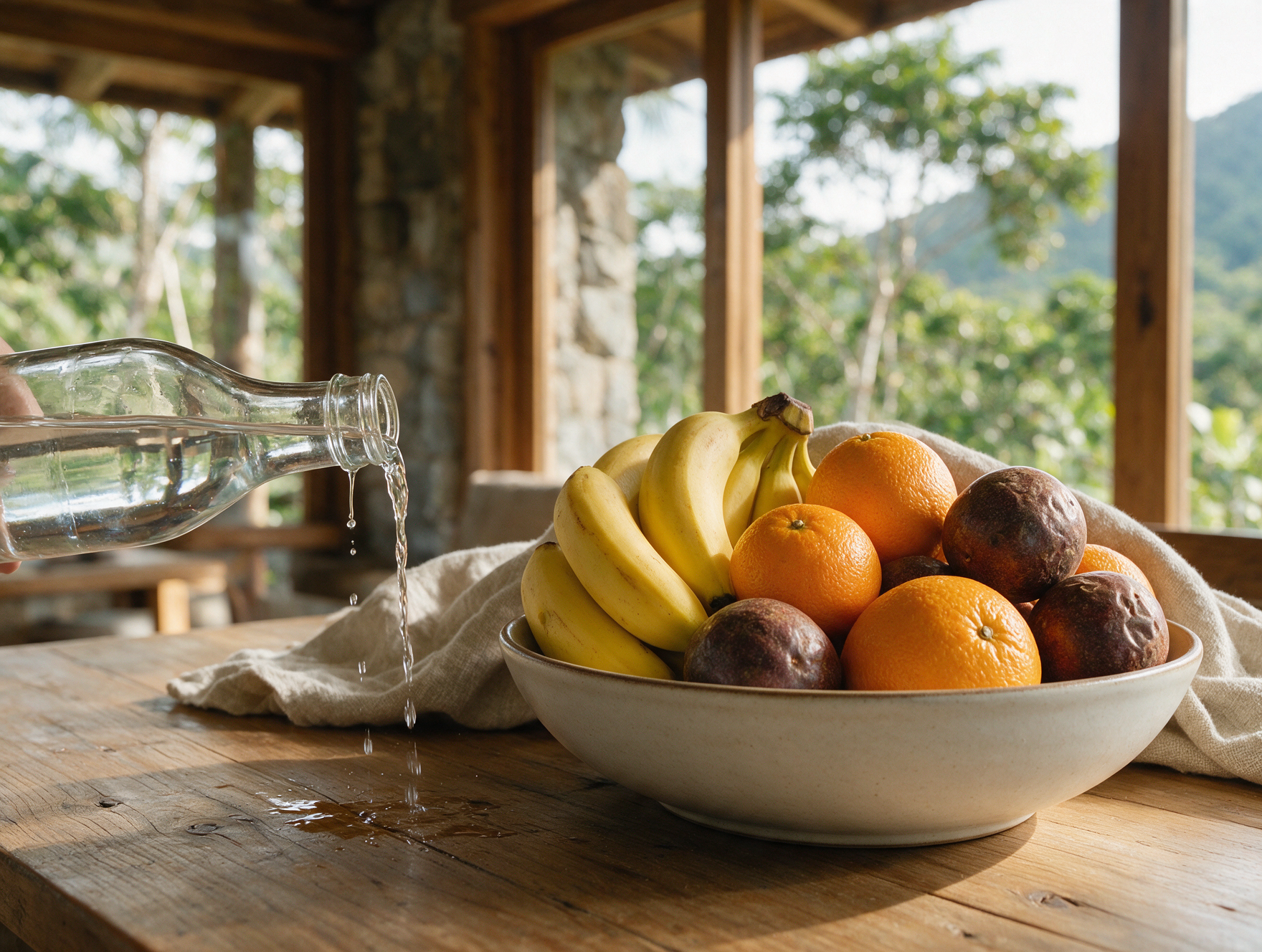
- Drink bottled or filtered water, not tap water, in Nairobi and everywhere else in the country. Every lodge and most restaurants sell bottled water cheaply, and reputable kitchens use filtered or boiled water for cooking and for washing produce.
- Stick to fruit you can peel — bananas, oranges, pineapple, passion fruit — when you’re unsure how something was washed. Pre-cut fruit at street stalls is the one place to be a little cautious; at lodges and proper restaurants it’s a non-issue.
- Carry a small stash of electrolyte sachets (ORS) regardless of diet. It’s not a sign anything went wrong if you need one; it’s just sensible on a longer trip with changes in water and altitude, especially heading up toward Mount Kenya.
- Ice at upscale lodges and hotels is almost always made from filtered water — a roadside stall or small kibanda is where to be more careful.
On the broader question of whether Kenya is safe for Indian tourists: yes, on the main tourist circuit covered in this guide (Nairobi’s tourist areas, the parks, Diani), standard city-travel sense applies. Use registered taxis or your tour operator’s transport after dark in Nairobi, keep valuables out of sight, and you’re fine. Food safety is a smaller, more manageable version of the same common-sense approach.
Frequently Asked Questions
Will I actually get proper vegetarian food on safari, or just steamed vegetables every night?
You’ll get proper food if you ask ahead. Lodges that get advance notice typically prepare a real vegetarian main — dal, a vegetable curry, sometimes a thali-style spread — not just a side dish. The steamed-vegetables problem mainly happens to travelers who show up without warning the kitchen.
Is Jain food (no onion, no garlic, no root vegetables) available in Kenya?
It’s harder, but not impossible, at the bigger lodges and the Indian restaurants in Nairobi. Maharaja, for instance, deals with Jain requests regularly given its local Gujarati clientele. On safari, flag it specifically and well in advance, and treat it like a vegan request but stricter, since it takes more planning than a standard vegetarian meal.
Can vegans eat well in Kenya, or is it mostly a vegetarian-with-dairy country?
Vegans actually do well here. Githeri, sukuma wiki, most bean stews, and coastal coconut-based dishes near Diani are naturally vegan. The main thing to watch for is ghee or butter added to local staples like mukimo and chapati — ask, and most kitchens can leave it out.
Is Kenya safe for Indian tourists traveling as a family?
Yes, on the standard tourist circuit — Nairobi’s main areas, the safari parks, and Diani Beach — which is where Kenya family holiday packages typically route anyway. The same common-sense precautions that apply to any international trip with children apply here.
How much more does a Kenya safari cost from India if I need special meal arrangements?
Essentially nothing extra at most lodges. Vegetarian and vegan meals are usually included in the standard board rate, not an add-on. Kenya safari cost from India is driven mainly by season, lodge category and park fees, not dietary requests.
Do I need to carry my own snacks on safari?
Not strictly, but it doesn’t hurt. A small stash of namkeen, biscuits or nuts covers the gap between a light boxed lunch on a long game drive and dinner back at the lodge, especially for picky eaters or kids.
Is it true that Kenya has a lot of Indian restaurants?
In Nairobi, yes. It has one of the largest and oldest Indian-origin communities in East Africa, concentrated in Parklands and Westlands, with restaurants to match. Outside Nairobi, options thin out fast, which is exactly why planning vegetarian meals at lodges in advance matters so much more once you leave the city.
The Bottom Line
Kenya’s vegetarian food problem is mostly a planning problem, not a food problem. Nairobi has genuinely excellent Indian vegetarian food, Kenyan staples like githeri, sukuma wiki and mukimo are vegetarian (often vegan) by default, and the main safari lodges across the Mara, Amboseli, Nakuru and Mount Kenya all say, in writing or in practice, that they’ll handle a vegetarian or vegan request if you tell them early enough. Diani is the pleasant surprise — the coconut-and-vegetable side of Swahili cooking holds up fine against the seafood menus. The one real risk is going in quiet and hoping for the best. Don’t do that part.
Plan Your Kenya Trip with Get Tripped
Get Tripped puts together Kenya tour packages from India that cover all six places in this guide — Nairobi, the Mara, Amboseli, Lake Nakuru, Diani Beach and Mount Kenya — and dietary requirements go into the lodge bookings from day one, not as a special request bolted on later. Kenya family holiday packages and Kenya honeymoon packages from India both get the same treatment: tell us once, and it follows you through every lodge and restaurant on the itinerary.
See the full Kenya destination page for itineraries and packages, or talk to Get Tripped’s team — your Kenya travel agency in Mumbai, and for travelers calling in from anywhere else in India — about building vegetarian or vegan meals into your trip from the first lodge to the last.