New Zealand has a reputation for being an expensive country to travel through, and in a lot of ways that’s fair — the paid activities here (helicopter flights, Milford Sound cruises, bungee jumps) are genuinely premium-priced. What doesn’t get mentioned enough is how much of what actually makes the country worth visiting — the harbour views, the volcanic walks, the alpine valleys, the night skies — costs nothing at all. You just need to know where to look, since none of it is signposted the way the paid attractions are.
Here’s what’s genuinely free across the six stops on a typical New Zealand itinerary — Auckland, Rotorua, Wellington, Queenstown, Mount Cook, and Lake Tekapo.
In This Guide
- Free in Auckland
- Free in Rotorua
- Free in Wellington
- Free in Queenstown
- Free Around Mount Cook
- Free Around Lake Tekapo
- One Thing That Isn’t Actually Free
- FAQs
Free in Auckland
Auckland Domain and the Wintergardens — the city’s oldest park is a short walk from the museum, and its two glasshouses (the Wintergardens) are free, almost always quiet, and a genuinely pleasant midday break from a sightseeing day, which is more than you can say for most paid gardens elsewhere.
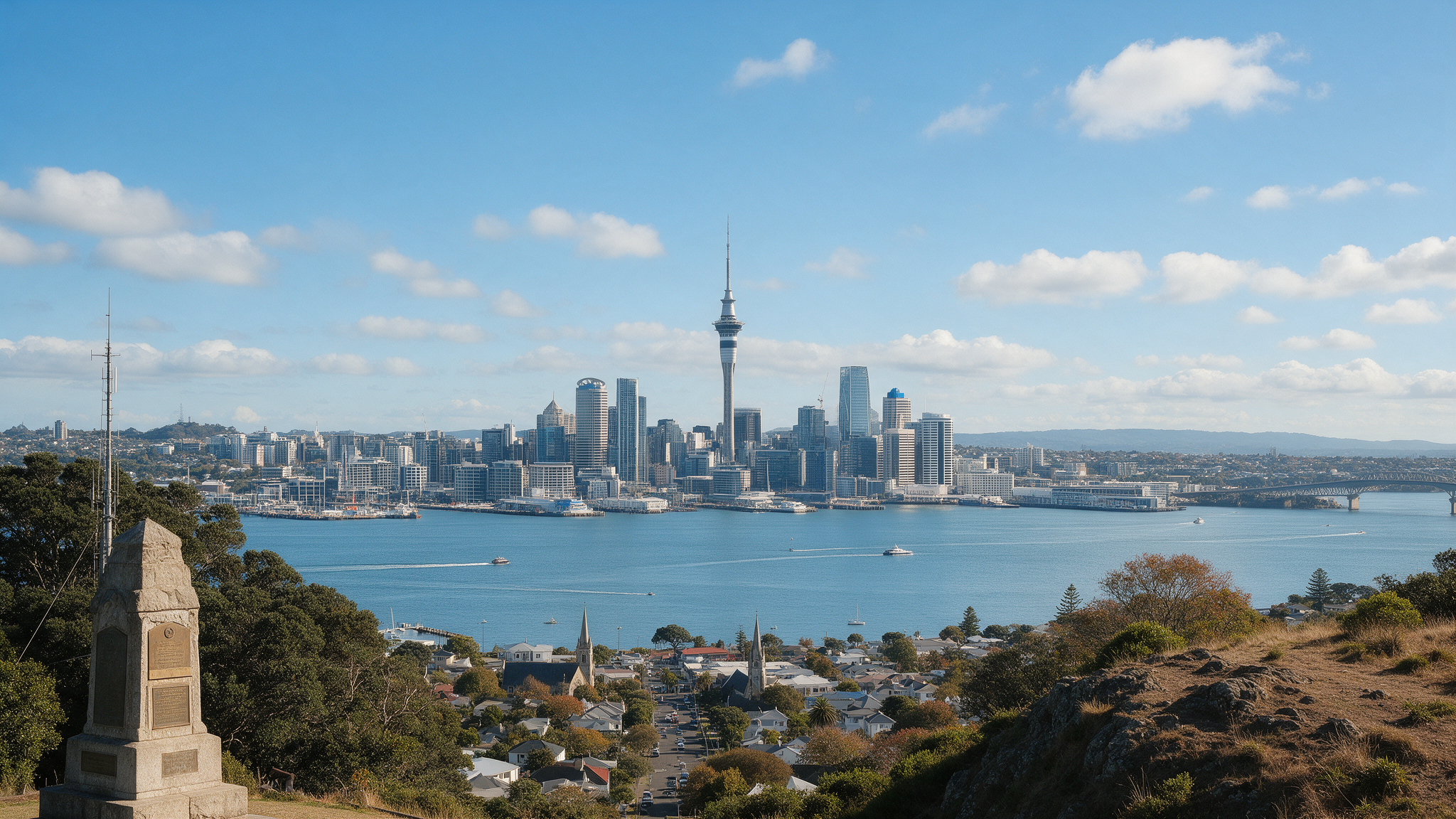
Mount Victoria, Devonport — take the ferry across the harbour (the only cost involved), then walk twenty minutes up a volcanic cone for a 360-degree harbour panorama that most visitors never see because they stay in the central city.
Mission Bay Beach — a proper urban beach with harbour and volcanic-island views, a ten-minute drive or bus ride from downtown, and free to simply walk, swim, or sit at.
Cornwall Park and One Tree Hill — another volcanic cone, this one surrounded by farmland-style parkland with sheep grazing right inside the city limits, which surprises most first-time visitors.
Auckland Art Gallery Toi o Tāmaki — the main collection has free general admission (special touring exhibitions are sometimes ticketed separately), and the building itself, with its timber-ribbed canopy over the entrance, is worth a look even if you’re not planning a long gallery visit.
A fun fact worth knowing before you go: Auckland sits on a field of around 50 volcanoes, most dormant and several — like Mount Victoria and One Tree Hill — now public parks you can walk up for free. Locals genuinely don’t think of them as volcanoes day to day; they’re just the hills with the best views.
Free in Rotorua
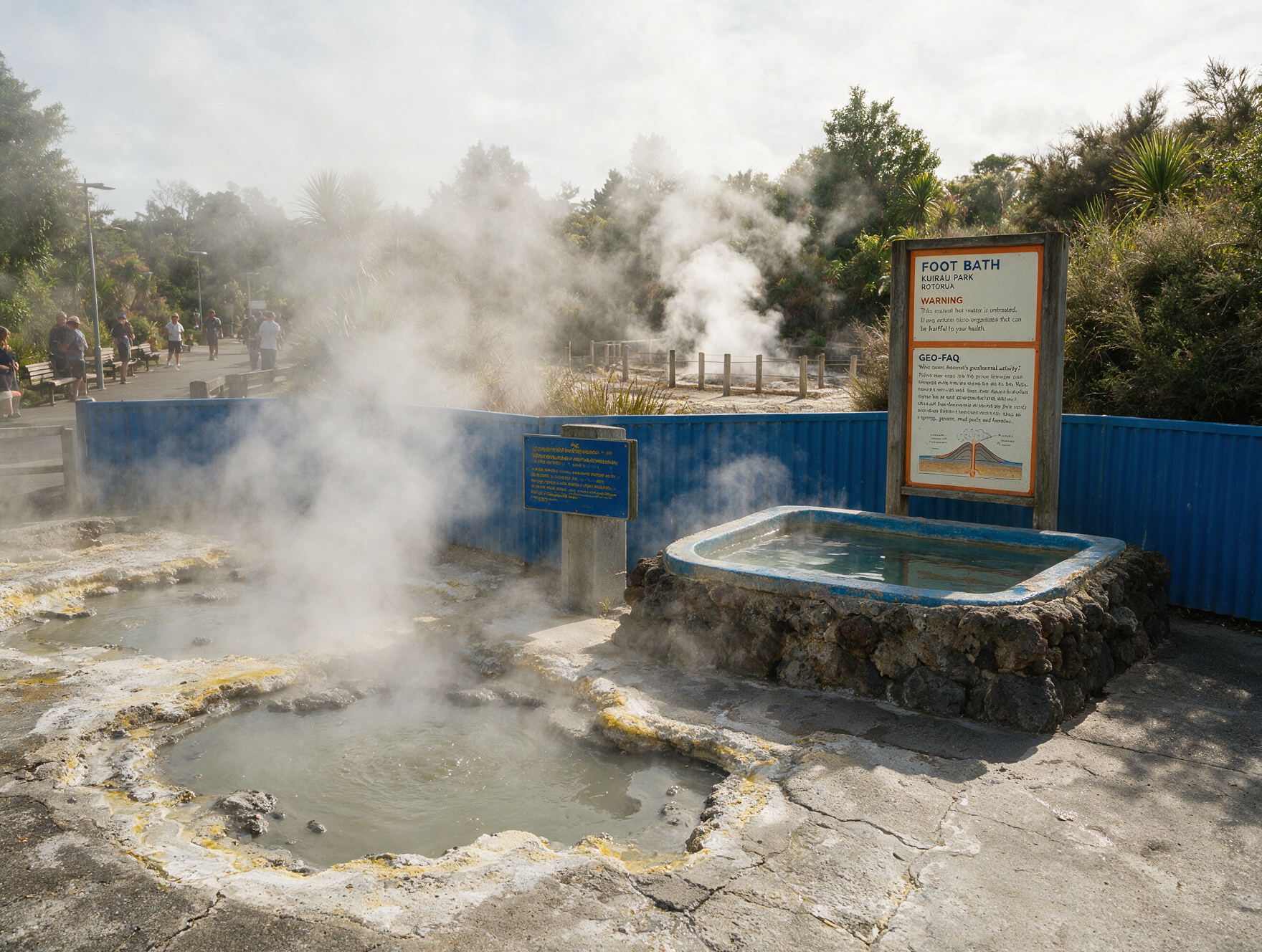
Kuirau Park — a public geothermal park right in town, with bubbling mud pools, steaming craters, and free public foot baths you can actually use. It’s the single best way to get a taste of Rotorua’s geothermal weirdness without paying for Te Puia or Wai-O-Tapu, even though those paid sites go further with guided context.
Government Gardens — formal gardens next to the Rotorua Museum building, with geothermal steam vents scattered through otherwise ordinary English-style lawns, which is a strange and photogenic combination you won’t find paired like this anywhere else.
Honest caveat: Kuirau Park’s mud pools genuinely smell like sulphur, and some fenced areas are fenced for real safety reasons (the ground temperature underneath is not a joke) — stick to the marked paths and don’t go looking for a shortcut.
Free in Wellington
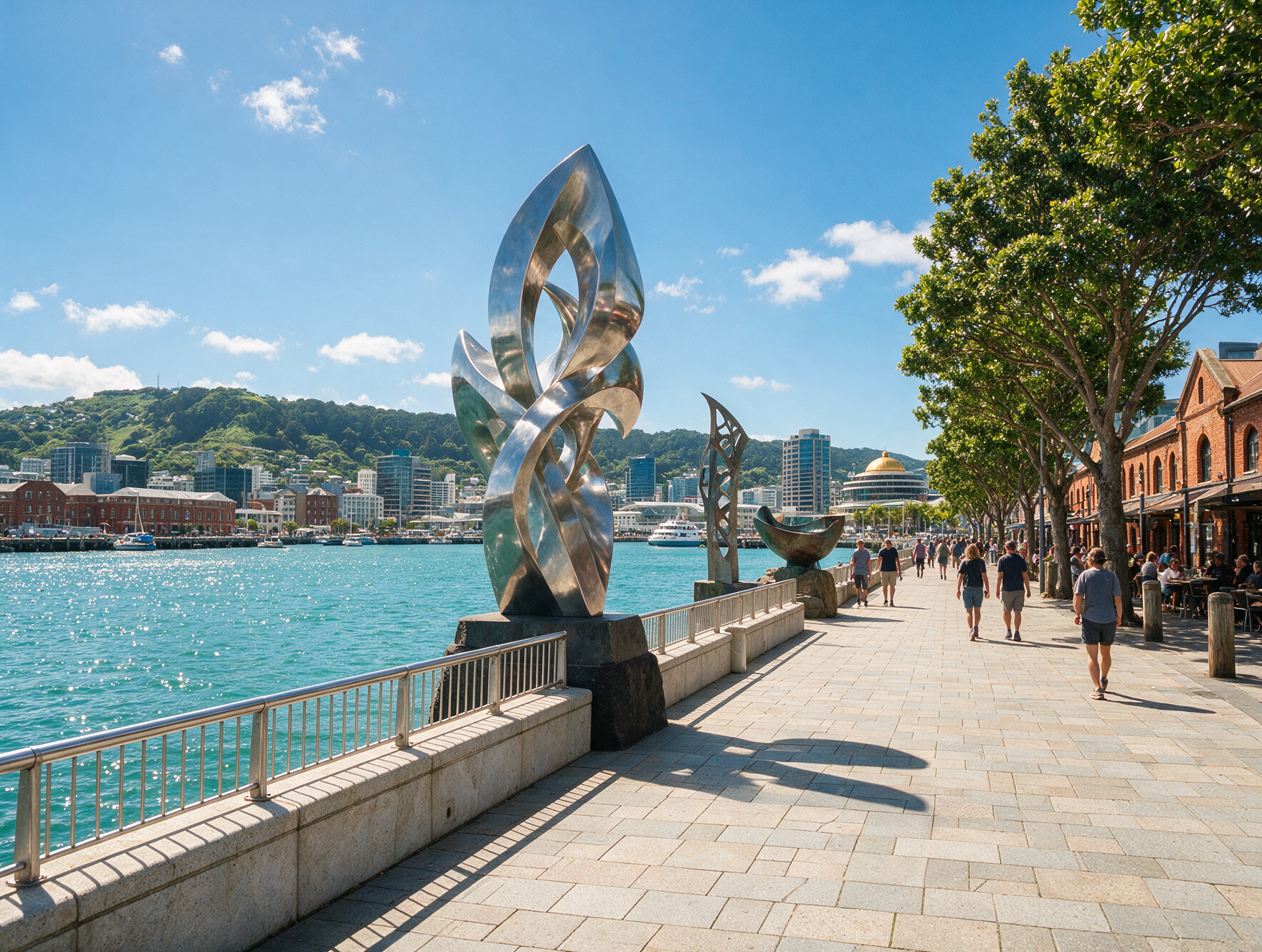
The waterfront walk — from Oriental Parade around to Te Papa and the Wellington waterfront is flat, scenic, and free, taking you past public art, swimming spots locals actually use in summer, and some of the city’s best harbour views.
Wellington Botanic Garden — the garden itself is free to wander (only the Cable Car ride up is a paid ticket), and it’s large enough to spend a genuine hour or two in without covering the same ground twice.
A mistake to avoid: don’t assume Te Papa, Wellington’s national museum, is free for everyone — general admission is free only for New Zealand residents; international visitors pay an entry fee (around NZD 35 for adults), with some special exhibitions charged on top of that for everyone. It’s still worth the ticket, just budget for it rather than being caught out at the door.
Free in Queenstown
Queenstown Hill (the Tiki Trail) — a genuinely good lookout over the town and Lake Wakatipu, reached on foot with no gondola ticket required (that’s the paid Skyline alternative, which gets you the same view faster but costs a meaningful amount per person). The walk up takes a couple of hours and rewards you with a view that’s arguably just as good.
The Queenstown Gardens and lakefront — the peninsula of parkland jutting into Lake Wakatipu right next to town is free to wander, with walking tracks, a disc golf course, and some of the calmest lake views in town once you’re away from the main waterfront strip.
Free Around Mount Cook
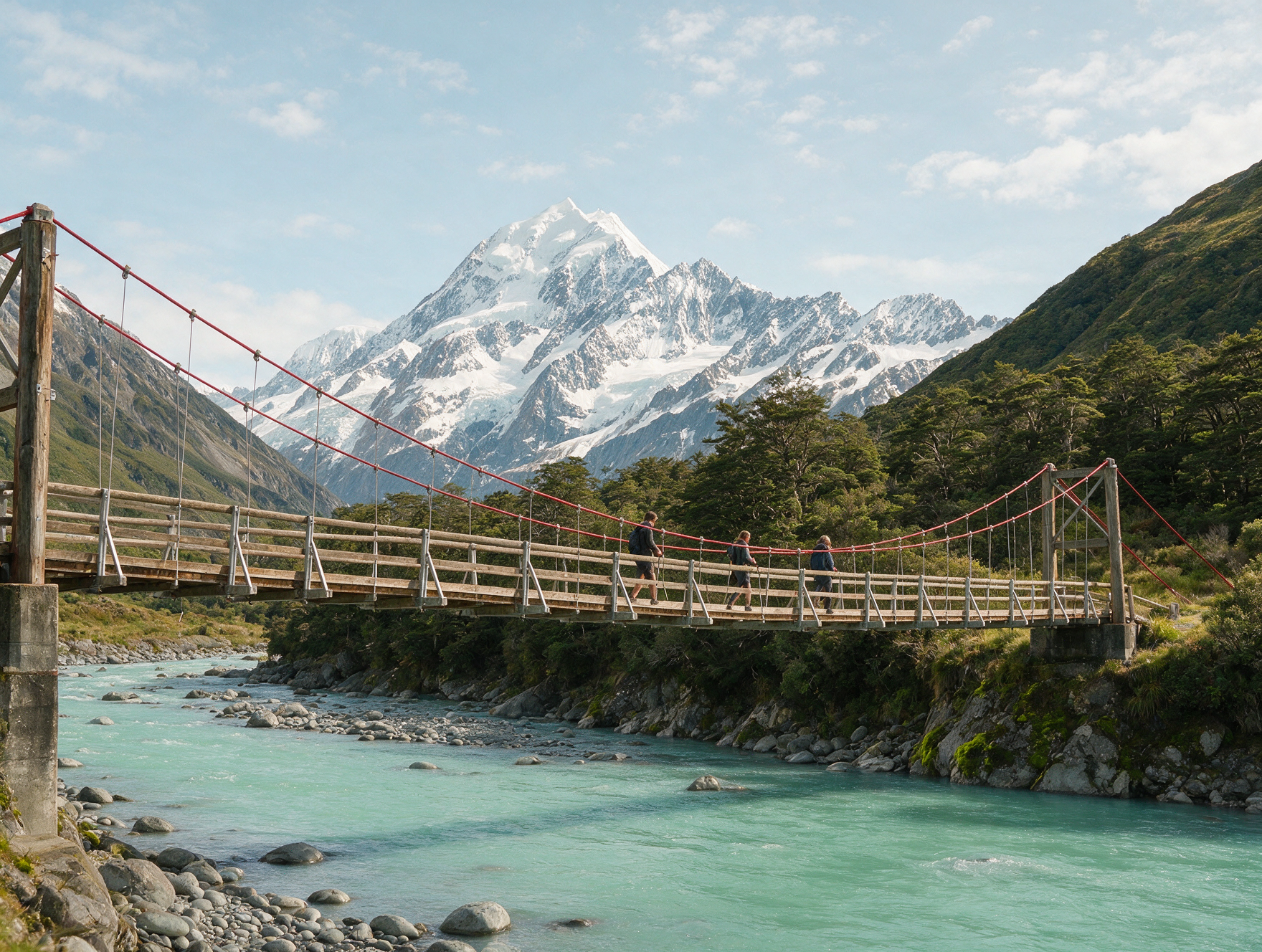
The Hooker Valley Track — widely considered one of New Zealand’s best day walks, and it costs nothing beyond getting yourself to the trailhead. It’s a relatively flat three-hour round trip (roughly 10km) across swing bridges and glacial riverbed terrain, ending at a lake with icebergs floating in it and Aoraki/Mount Cook filling the view. This single free walk is, for a lot of visitors, the best thing they do in the entire country.
A fun fact worth knowing before you go: the Department of Conservation maintains this track to a standard that makes it accessible to reasonably fit walkers of almost any experience level — you don’t need mountaineering gear or alpine experience to do it, just decent shoes and three hours.
Free Around Lake Tekapo
The lakeshore and the Church of the Good Shepherd — walking the shoreline, photographing the little stone church against the turquoise water, and just sitting by the lake costs nothing, even though most people associate Lake Tekapo with paid stargazing tours.
Stargazing from the lakeshore itself — Lake Tekapo sits inside a Dark Sky Reserve, and while the organised observatory tours (worth doing if it’s within budget) cost money, simply walking away from the village’s limited lighting on a clear night and looking up is free and still spectacular, provided the weather cooperates.
Local tip: check the moon phase before you go if stargazing matters to your trip — a bright full moon washes out a lot of the fainter detail, and a new-moon night near Tekapo is dramatically better for star visibility than a full-moon one, free activity or paid tour alike.
Mount John Summit walk — a free (if steep) walking track up to the observatory-topped summit above the village, with a café at the top that isn’t free but earns the climb with one of the best lake panoramas on the whole route. Budget an hour up, less coming down, and go earlier in the day if you want the lake at its most vividly turquoise rather than catching it in flat afternoon light.
Planning a Trip Around Free and Paid Activities
None of this means New Zealand can be done on a shoestring — it’s still a premium destination once you add flights, accommodation, and the paid experiences actually worth doing (a Milford Sound cruise, a Rotorua hāngī evening, the Skyline Gondola if your knees would rather not do the Tiki Trail). The point of knowing what’s free is spending your paid-activity budget on the things that genuinely need it, rather than paying for a view you could have walked to. A reasonable approach: treat one or two genuinely premium experiences per city as the splurge, and fill the rest of the itinerary with the free walks and parks above.
One Thing That Isn’t Actually Free
Worth repeating because it trips people up: Te Papa’s general admission in Wellington is not free for international visitors the way it is for New Zealand residents, despite a lot of outdated travel content claiming it’s “New Zealand’s free national museum.” Budget for the entry fee if it’s on your list, and treat the genuinely free options above as the ones to lean on if you’re actively managing costs.
FAQs
What’s the single best free thing to do on this route?
The Hooker Valley Track near Mount Cook, without much competition — a free, DOC-maintained walk that ends at a glacial lake with the country’s tallest peak in full view.
Is Te Papa Museum in Wellington free?
Only for New Zealand residents. International visitors pay an entry fee, with additional charges for some special exhibitions.
Can I see Rotorua’s geothermal activity for free?
Yes — Kuirau Park in town has free public mud pools, steam vents, and foot baths, though the paid sites like Te Puia add guided context and a wider range of geothermal features.
Is stargazing at Lake Tekapo free?
Walking the lakeshore and looking up is free, and Tekapo’s Dark Sky Reserve status makes it genuinely good even without a tour. Paid observatory tours add telescopes and guided astronomy if you want to go further.
Do I need a gondola ticket to get a good view in Queenstown?
No — the Queenstown Hill (Tiki Trail) walk gets you a comparable lookout over the town and lake on foot, for free, if you don’t mind the climb instead of the paid Skyline Gondola ride.
Is the Hooker Valley Track suitable for families?
Generally yes for families with older kids and reasonable fitness — it’s about 10km round trip on a well-maintained, mostly flat DOC track, though three swing bridges and a few hours of walking aren’t ideal for very young children or anyone with mobility limitations.
Are Auckland’s volcanic cone walks difficult?
No — Mount Victoria, One Tree Hill, and most of Auckland’s volcanic cone walks are short (15-30 minutes up) on well-maintained paths, suitable for most fitness levels and ages.
A New Zealand trip doesn’t have to be priced entirely around helicopter flights and fiord cruises — some of the best things here, the Hooker Valley Track above all, cost nothing but a few hours and decent shoes. Get Tripped can build a custom itinerary that mixes these free stops with the paid experiences genuinely worth the splurge. Talk to our New Zealand travel specialists about getting that balance right for your trip.