5 Hidden Gems of Lake Tekapo to Explore
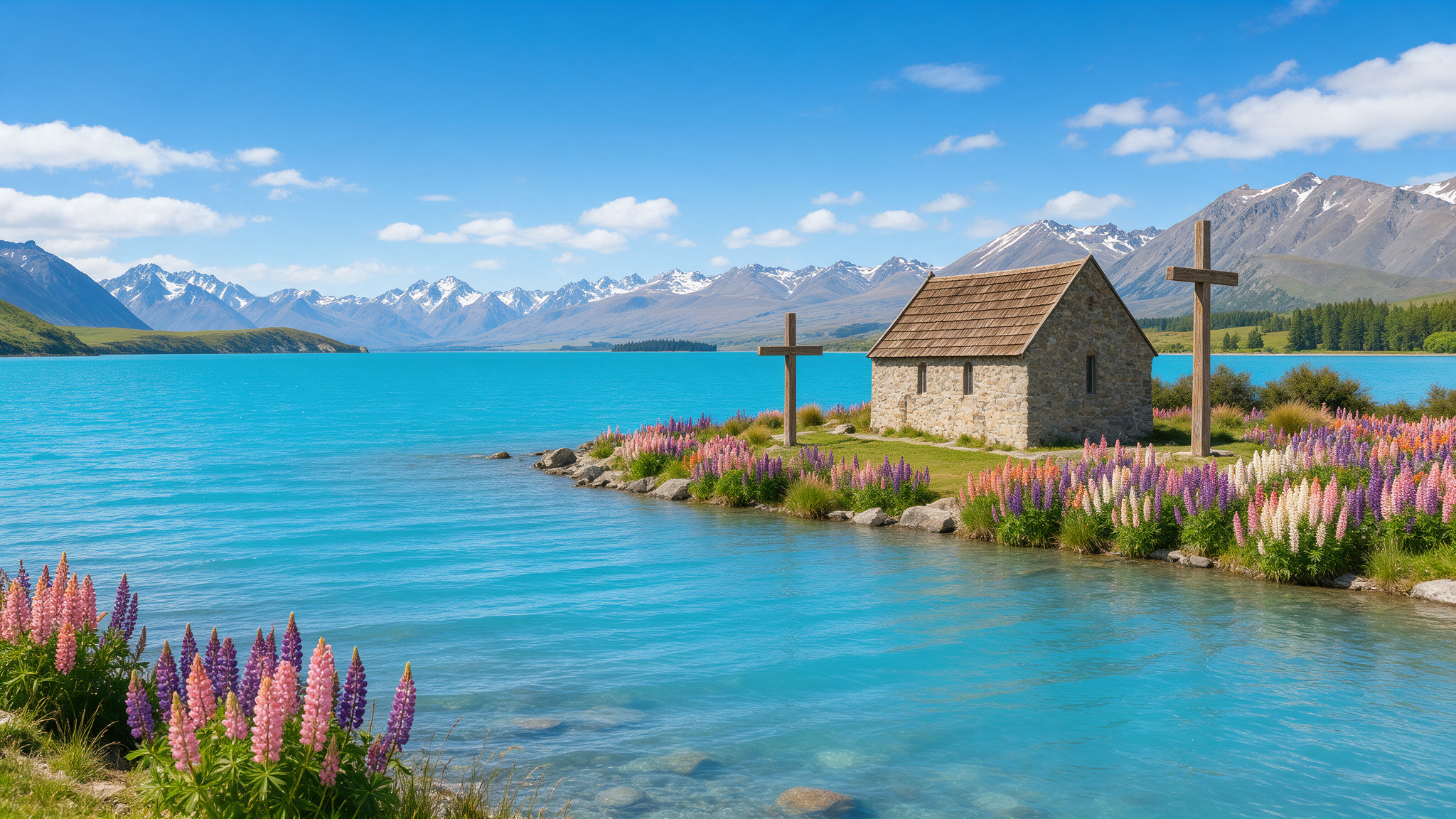
Every visitor to Lake Tekapo takes the same photograph: the small stone Church of the Good Shepherd, turquoise water behind it, the Southern Alps filling the background. It’s a genuinely beautiful shot, and I’m not going to pretend otherwise — but it’s also become such a magnet that most people spend twenty minutes at the church, maybe soak in the hot pools, and move on without realising the lake and the basin around it hold several equally striking spots that barely show up in the tour-bus itineraries.
This guide covers five of them, for travellers who want more than the postcard stop as part of a longer New Zealand South Island trip. If Queenstown is also on your route, our New Zealand hidden gems beyond Queenstown guide covers that side of the South Island in the same spirit.
In This Guide
- Why Tekapo is more than one photograph
- 1. Cowan’s Hill Walkway
- 2. Lake Alexandrina
- 3. Mount John Summit Track and Observatory
- 4. Godley Valley
- 5. Motuariki Island
- Don’t skip the stargazing, even as a repeat visitor
- Where to stay and eat
- Tekapo Springs, properly explained
- A fun fact worth knowing before you go
- A practical safety note
- What to pack
- Best time to visit and how long to stay
- A mistake to avoid
- Visa, costs, and getting around
- FAQs
Why Tekapo is more than one photograph
Lake Tekapo’s colour comes from glacial flour — fine rock particles suspended in the meltwater — which is why it holds that intense turquoise even on an overcast day. The church and the lupins (blooming November to January) get all the attention, but the Mackenzie Basin around the lake is genuinely varied: spring-fed lakes with a different colour entirely, alpine valleys, and one of the best stargazing viewpoints on the South Island, all within a short drive of the township.
1. Cowan’s Hill Walkway
A moderate round trip of about two hours through tussock grass and pine, Cowan’s Hill Walkway gives you an elevated view over the lake, Mount John, and the church from a completely different angle than the lakeside crowds ever see. It’s suitable for most reasonably fit visitors and genuinely quiet — a solid option if you want a walk that feels like a discovery rather than a queue for a photo.
2. Lake Alexandrina
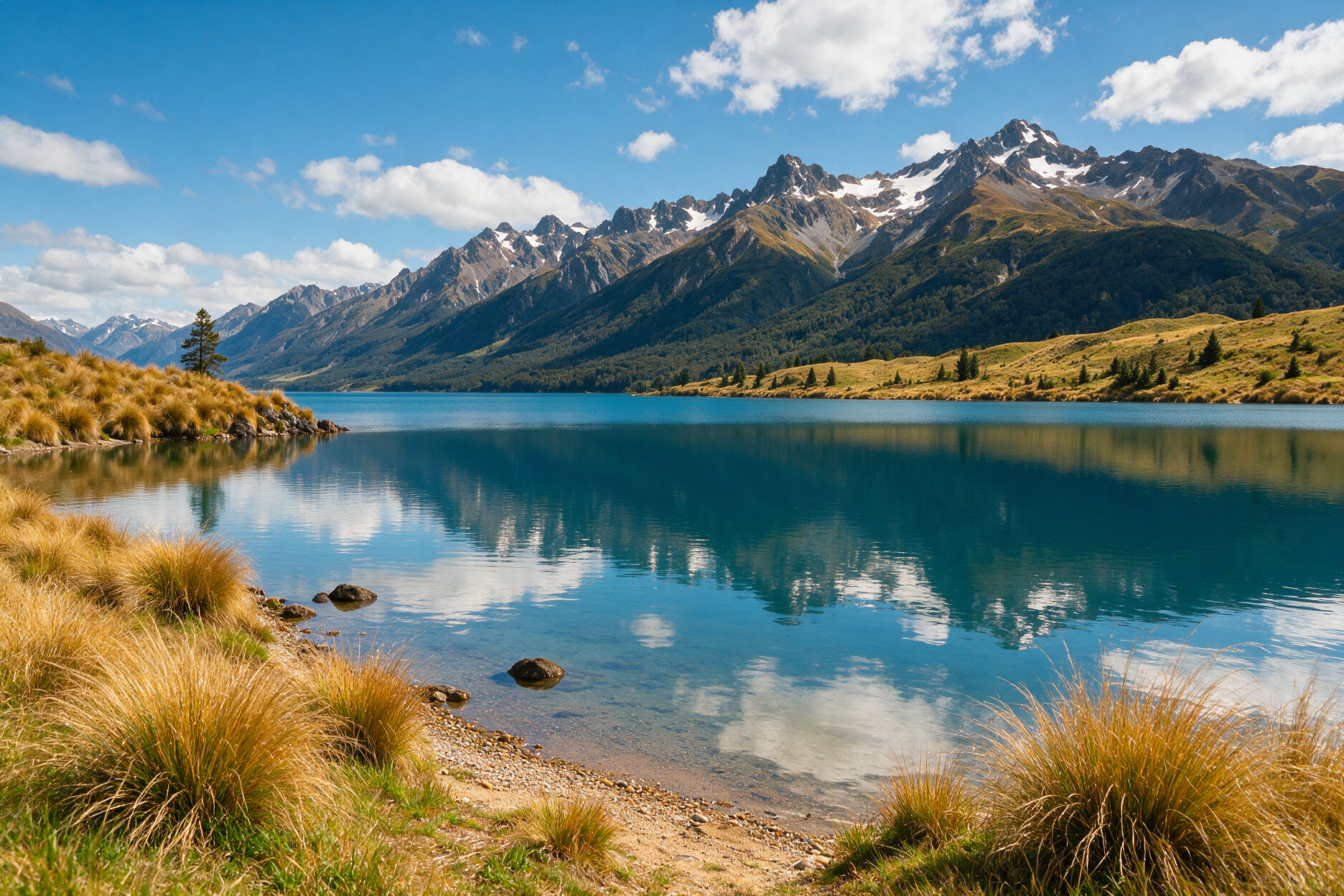
A short drive from the township, Lake Alexandrina is spring-fed rather than glacial, so it carries none of Tekapo’s milky turquoise — instead it’s a deeper blue-green, calm and genuinely reflective on a still day. It’s good for kayaking and trout fishing, and birdwatchers will likely spot black swans and paradise ducks along the shore. Holiday cottages line parts of it, giving the whole lake a quieter, more residential feel than Tekapo’s tourist-facing township.
3. Mount John Summit Track and Observatory
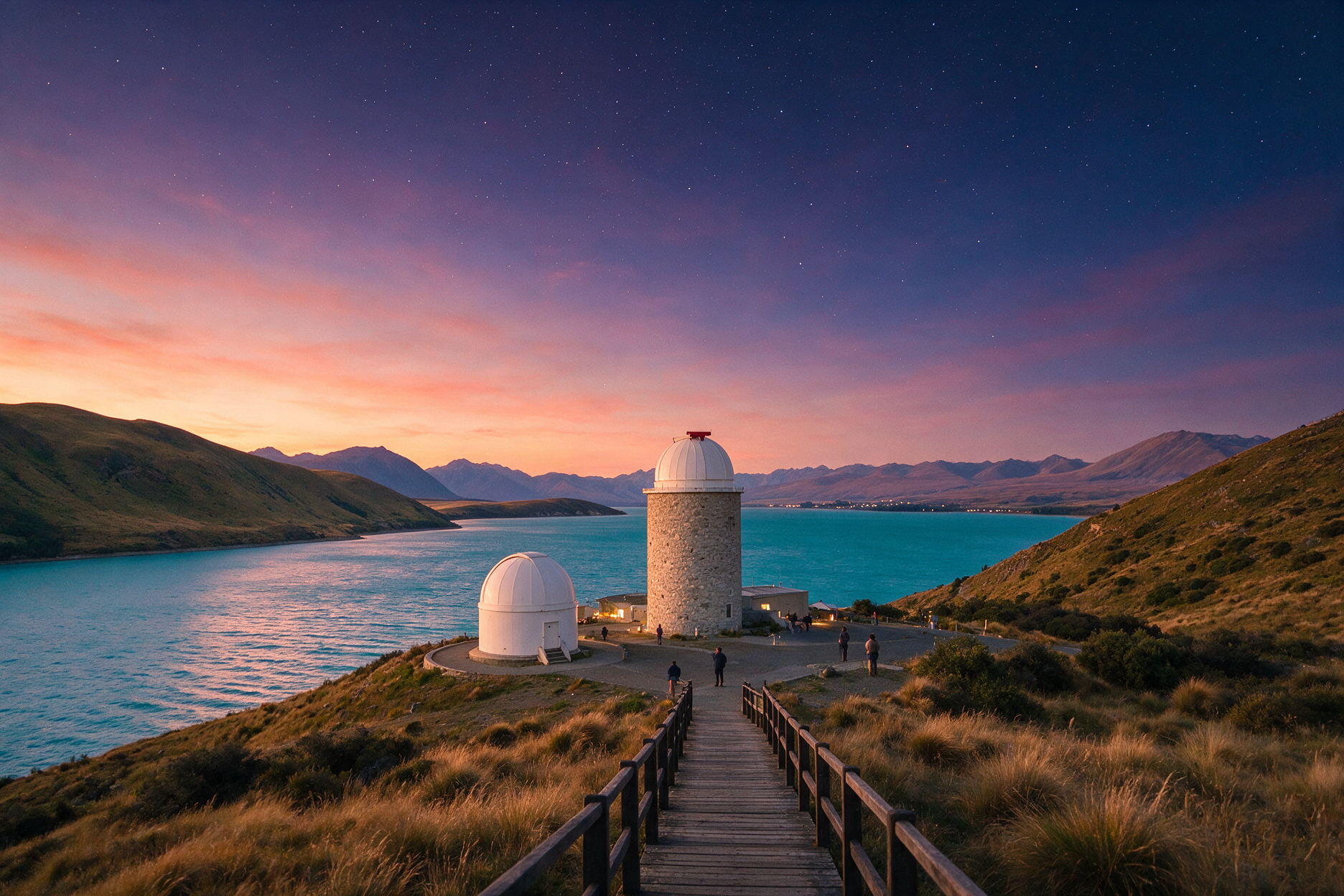
At 1,029 metres, Mount John gives a genuine 360-degree view over Lake Tekapo, the wider Mackenzie Basin, and the Southern Alps beyond. You can hike the roughly 3km Summit Track or simply drive up if time’s tight. The Mount John Observatory at the top runs guided night tours using some of New Zealand’s largest publicly accessible telescopes, and the Astro Café up there is a genuinely pleasant spot for a coffee with arguably the best view in the district.
4. Godley Valley
At the northern end of the lake, reached via Godley Peaks Road, Godley Valley is the wilder, less-visited option on this list — suited to 4WD exploration, hiking, and backcountry camping, with direct views toward Mount Cook. It holds hidden waterfalls and alpine lakes that don’t have fixed, signposted names or easy directions, which is part of the appeal: this is a spot for travellers who enjoy a bit of genuine exploration rather than a marked trail.
5. Motuariki Island
An uninhabited island sitting out in Lake Tekapo itself, Motuariki is reachable by paddling out from the shore — kayak or paddleboard rental is available in the township. It’s a quietly satisfying half-day activity: paddle out, land on an island nobody else is likely to be on, and look back at the lake and mountains from a vantage point almost no day-tripper bothers to reach.
Don’t skip the stargazing, even as a repeat visitor
Aoraki Mackenzie Dark Sky Reserve covers this whole basin, and Tekapo’s stargazing deserves a dedicated evening even if you’ve already done the daytime sights above. Tekapo Springs’ hot pools (around 36–40°C, open year-round) run a stargazing soak option that pairs heat with a dark-sky view, which is a genuinely good way to end a long day of exploring the lesser-known spots on this list. The Church of the Good Shepherd itself, once the day-trippers clear out, becomes one of the quieter and more atmospheric stargazing spots in the township.
Where to stay and eat
Lake Tekapo township is small enough that most accommodation sits within walking distance of the lakefront and the church, which makes it easy to fit in an early-morning or late-evening stop at any of the five spots above without much driving. For food, Reflections Café is the reliable breakfast-with-a-view option, Kohan Restaurant does genuinely good Japanese food (the salmon sashimi gets specific praise locally, which says something for a landlocked alpine town), and Jack Rabbit Café is the easy choice for a coffee and pastry between stops. Blue Lake Eatery & Bar is a solid, unfussy dinner option looking straight out over the water.
Tekapo Springs, properly explained
Tekapo Springs’ mineral-rich hot pools run at a genuinely comfortable 36–40°C and operate year-round, which matters given how cold the Mackenzie Basin gets outside summer. Beyond the pools, the complex has a steam room, sauna, spa treatments, and a café, plus a winter ice rink, a summer waterslide, and snow tubing depending on the season. The stargazing soak option — hot water, dark sky, no effort required — is arguably the single most relaxing way to end a day spent chasing the five spots on this list.
A fun fact worth knowing before you go
The Church of the Good Shepherd was built in 1935 using local stone specifically so it would blend into the landscape rather than dominate it — the altar window was deliberately left without stained glass so the view of the lake and the Southern Alps becomes part of the service itself. It’s one of the few churches in the world built around a view rather than away from one, which is a nice detail to know as you’re standing in the queue for your own photo of it.
Best time to visit and how long to stay
November to January brings the lupins into bloom along the lakeshore, which is a strong reason to visit in that window if photography matters to your trip, though it’s also peak season for the classic church shot’s crowds. Clear, dry autumn nights (March–April) are arguably better for stargazing specifically, with cooler temperatures and typically steadier skies. Two full days lets you cover all five spots above at an unhurried pace, plus at least one dedicated stargazing evening.
A practical safety note
If you’re paddling out to Motuariki Island or exploring Godley Valley independently, tell someone your plan and expected return time — this is backcountry-adjacent terrain by New Zealand standards, and mobile coverage around the lake is patchy at best. None of these five spots requires technical skill, but a bit of basic trip planning goes a long way in a place this remote.
A mistake to avoid
Don’t treat Tekapo as a 45-minute photo stop between Christchurch and Queenstown, which is how a lot of coach tours schedule it. You’ll get the church shot and nothing else, and the more interesting parts of the basin — Lake Alexandrina, Mount John, Godley Valley — simply won’t fit into that kind of stopover. If your own itinerary has Tekapo pencilled in as a quick stop, it’s worth asking whether an overnight is possible instead.
What to pack
The Mackenzie Basin sits at altitude and the temperature swings are real — warm, even hot, by day in summer, and genuinely cold once the sun drops for an evening stargazing session. Bring layers regardless of season, and if the hot pools and a stargazing soak are on your plan, pack a swimsuit and a warm change of clothes for afterward; walking back to your car in a damp swimsuit on a Mackenzie Basin night is not an experience worth repeating.
Visa, costs, and getting around
The standard New Zealand Visitor Visa applies here as everywhere else in the country — Indian passport holders should apply online well ahead of travel, with fees from NZD 441 and typical processing around two weeks, though it’s not guaranteed and delays are more common during the Christmas–New Year period. A rental car is genuinely useful for reaching Lake Alexandrina and Godley Valley, both of which sit outside easy walking distance from the township; Mount John and Cowan’s Hill are both accessible on foot if you’re based centrally.
Frequently Asked Questions
Is Lake Tekapo worth more than a quick photo stop?
Yes — beyond the famous church shot, the basin holds genuinely varied spots like Lake Alexandrina, Mount John, and Godley Valley that reward at least one overnight stay.
When do the lupins bloom at Lake Tekapo?
Typically November through January, which is also peak crowd season for the lakeside photo spots.
Do I need a car to see these hidden gems?
For Lake Alexandrina and Godley Valley, yes. Mount John and Cowan’s Hill Walkway are both reachable on foot from the township.
Is stargazing at Tekapo worth it if I’ve already seen the daytime sights?
Absolutely — the Dark Sky Reserve status makes the stargazing a genuinely separate experience from the daytime lake views, and it’s worth a dedicated evening.
What visa do Indian travellers need for Lake Tekapo?
The same national Visitor Visa required throughout New Zealand, applied for online in advance of travel.
Is Lake Alexandrina the same colour as Lake Tekapo?
No — Alexandrina is spring-fed and a deeper blue-green, while Tekapo’s turquoise comes from glacial flour suspended in the water.
Are the Tekapo Springs hot pools open year-round?
Yes, the mineral pools run at 36–40°C year-round, with seasonal extras like an ice rink in winter and a waterslide in summer.
Where should I eat in Lake Tekapo?
Kohan Restaurant for Japanese food with a strong local reputation, Reflections Café for breakfast with a view, and Blue Lake Eatery & Bar for an easy dinner overlooking the water.
How long should I budget for Lake Tekapo on a South Island trip?
One night is workable if your schedule is tight, but two full days lets you fit in the five spots above plus a proper stargazing evening without rushing any of it.
Is Lake Tekapo suitable as a base for visiting Mount Cook too?
Yes — it’s about an hour’s drive from Aoraki/Mount Cook and makes a reasonable alternative base if Mount Cook Village’s own accommodation is full or doesn’t suit your plans.
Beyond the One Photograph
The Church of the Good Shepherd earns its fame honestly, but Lake Tekapo’s real range — a spring-fed lake with a different colour entirely, a wild valley, an island nobody bothers to paddle to — only shows up once you give the basin more than a coach-tour stopover.
Planning a South Island route with proper time for Tekapo? Get Tripped Travels designs custom New Zealand itineraries that make room for the detours most tours skip — get in touch to start planning.