The single most common packing mistake Indian travellers make for New Zealand isn’t about what to bring — it’s about which months count as which season. New Zealand sits in the Southern Hemisphere, so December to February is summer, June to August is winter, and if you book a “summer holiday” trip using Northern Hemisphere instincts, you’ll land in Queenstown in July wearing the wrong layer for genuinely cold alpine weather. Get that flipped first, then the packing itself is straightforward.
This guide breaks down what to actually pack by season for a typical New Zealand itinerary across Auckland, Rotorua, Wellington, Queenstown, Mount Cook, and Lake Tekapo — climates that vary more than most first-time visitors expect from one country.
In This Guide
- New Zealand’s Seasons, the Right Way Round
- Summer (December-February)
- Autumn (March-May)
- Winter (June-August)
- Spring (September-November)
- Packing for Specific Activities on This Route
- What to Pack Year-Round, No Matter the Season
- A Special Note on Alpine Weather (Queenstown, Mount Cook, Tekapo)
- FAQs
New Zealand’s Seasons, the Right Way Round
Summer: December-February. Autumn: March-May. Winter: June-August. Spring: September-November. Write this down somewhere you’ll actually check it while booking flights — it’s the single detail most likely to throw off your entire packing list if you’re used to thinking in Northern Hemisphere terms.
Summer (December-February)
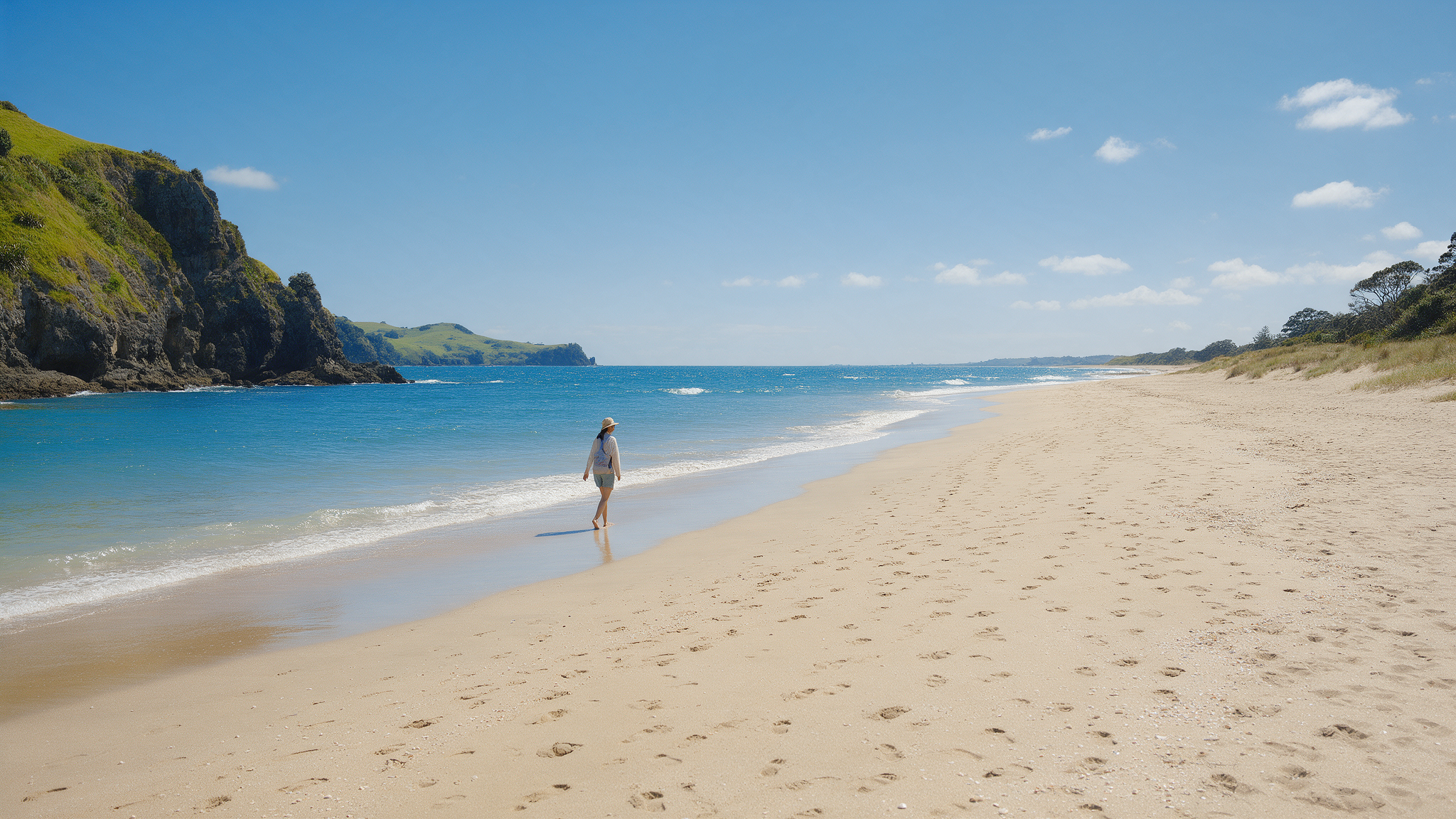
This is peak season for a reason — Auckland and Rotorua sit comfortably in the low-to-mid 20s°C with decent humidity, Wellington stays cooler and windier than you’d expect for summer, and Queenstown’s days are warm but its evenings can still drop sharply once the sun goes down behind the mountains.
Pack: light cotton or linen clothing for the North Island cities, a proper swimsuit if Auckland’s beaches are on your list, a light jacket for Wellington’s wind and Queenstown’s evenings, sunglasses and a wide-brim hat (New Zealand’s UV index runs genuinely high in summer — more on that below), and comfortable walking shoes for the Hooker Valley Track if Mount Cook is part of your route.
A mistake to avoid: don’t pack only summer clothes and skip a jacket entirely because you’re travelling in December. Lake Tekapo and Mount Cook sit at altitude, and evening temperatures there can swing ten degrees or more from the afternoon high even at the height of summer.
December also happens to be New Zealand’s school summer holiday period, which means beaches, Lake Wakatipu’s waterfront, and the Hooker Valley Track all get genuinely busy — pack a reusable water bottle and sunscreen for long days outdoors, and book popular day tours (Milford Sound especially) well ahead, since summer availability tightens fast once local families start travelling too.
Autumn (March-May)
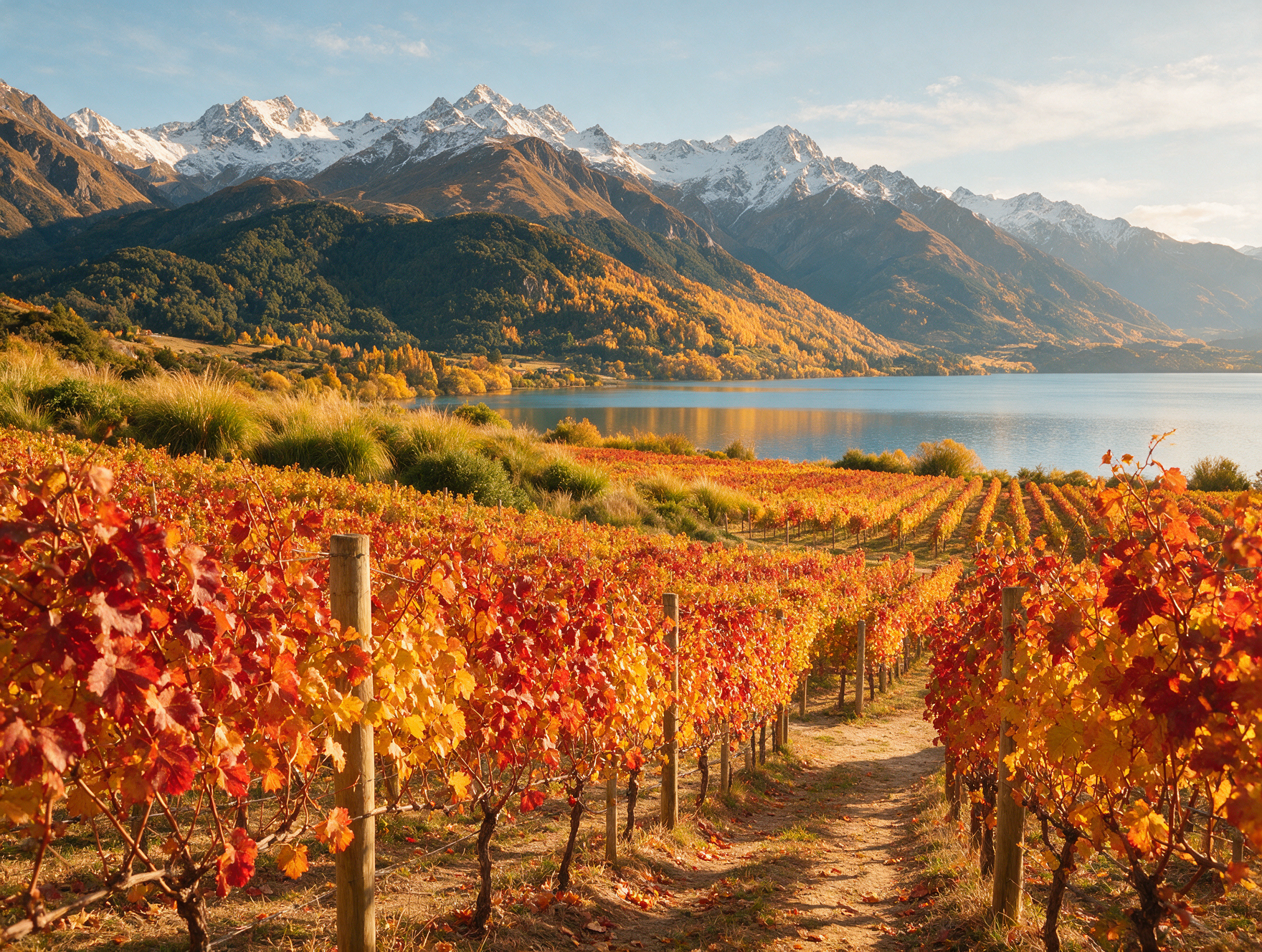
Arguably the most comfortable season for city sightseeing and a genuinely underrated time to visit — Auckland and Wellington cool down into pleasant walking-around temperatures, Central Otago’s vineyards around Queenstown go into proper autumn colour, and crowds and prices both drop from the summer peak.
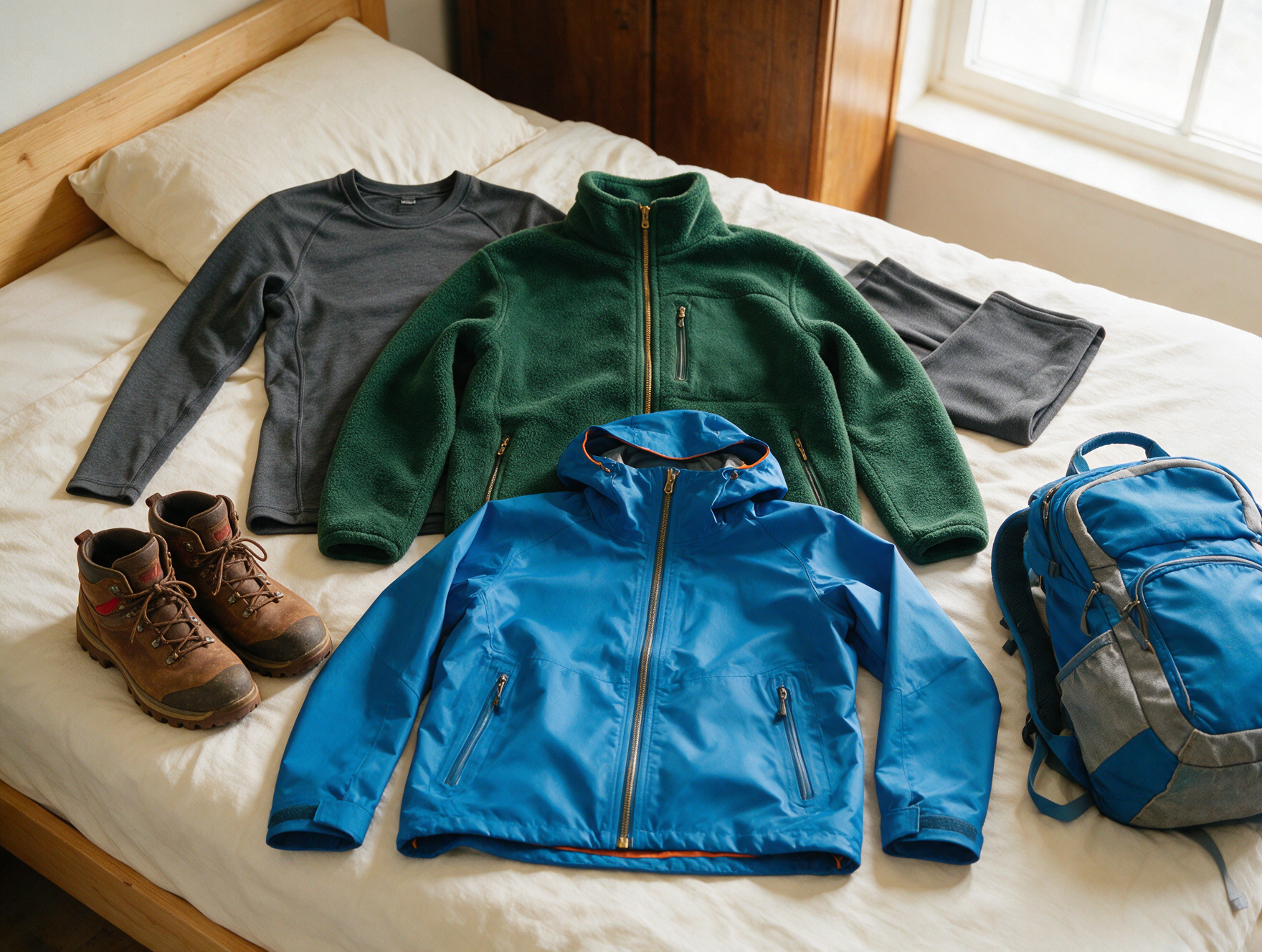
Pack: layered clothing — a t-shirt or light shirt as a base, a fleece or light sweater as a mid-layer, and a windproof jacket as the outer shell. This three-layer system works for the whole autumn stretch across all six stops, with the alpine locations needing warmer layers earlier in the season than the coastal cities do.
A fun fact worth knowing before you go: Central Otago, the wine region surrounding Queenstown, puts on one of the more underrated autumn colour displays anywhere in the Southern Hemisphere — the vineyards and poplar-lined roads around Gibbston Valley and Wanaka turn gold and deep red through April, and it’s considerably less crowded than New England’s or Kashmir’s autumn seasons while being just as photogenic.
Winter (June-August)
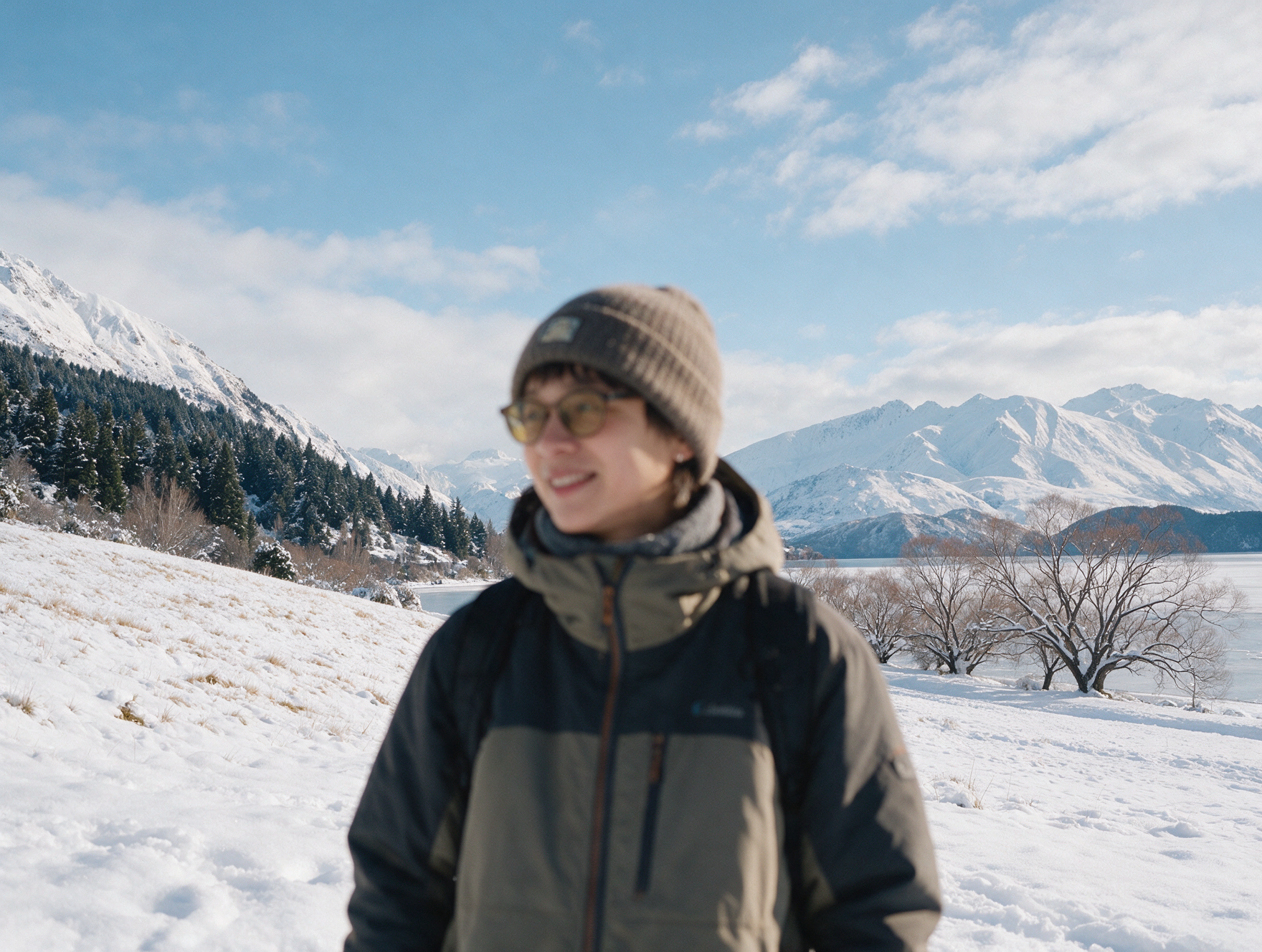
Genuinely cold in the places that matter for cold — Queenstown, Mount Cook, and Lake Tekapo all see snow, and Queenstown’s winter season doubles as ski season, with a correspondingly different (and busier, pricier) feel than the summer adventure-tourism crowd. Auckland and Rotorua stay mild by comparison, rarely dropping to serious cold, but do get genuinely wet.
Pack: a proper insulated winter jacket, thermal base layers, waterproof and insulated boots, gloves, and a warm hat for the South Island legs. For Auckland and Rotorua, a good rain jacket matters more than heavy insulation — winter here is about persistent rain more than bitter cold.
Honest caveat: if you’re not booking this as a ski trip, winter is still a legitimate time to see Mount Cook and Lake Tekapo — the stargazing is often clearer with less atmospheric haze, and the landscapes photograph beautifully under snow — but road conditions on the Lindis Pass and around Mount Cook can require snow chains, and some scenic flights and cruises reduce frequency or pause entirely. Check conditions and operator schedules specifically for your travel dates rather than assuming summer-season availability.
Spring (September-November)
New Zealand’s spring is famously changeable — “four seasons in one day” is a genuine local saying, not just a tourism-brochure line, and it’s most true during this stretch. Expect warm, sunny stretches interrupted by sudden wind and rain, especially in Wellington and around Queenstown.
Pack: the same three-layer system as autumn, but add a compact, genuinely waterproof rain jacket (not just water-resistant) as a non-negotiable, since spring showers here arrive with little warning. Quick-dry fabrics are worth prioritising over cotton, which stays wet and uncomfortable for hours if you get caught out.
Packing for Specific Activities on This Route
Beyond the seasonal basics, a few specific activities on a typical New Zealand itinerary deserve their own packing thought:
Milford Sound — pack a proper waterproof jacket regardless of season or forecast. This fiord gets some of the country’s highest rainfall, and a cheap plastic poncho from a souvenir shop won’t hold up to a real Fiordland downpour on the boat deck.
The Hooker Valley Track — broken-in walking shoes or light hiking boots, a layer you can tie around your waist once the sun is out, and a hat, since large stretches of the track have no shade cover at all.
Rotorua’s geothermal parks and hāngī dinners — closed-toe shoes rather than sandals around the geothermal areas (the ground can be genuinely hot in spots), and something slightly smarter than daywear if you’re attending an evening cultural performance and dinner.
Lake Tekapo stargazing — your warmest layer of the whole trip, even in summer. Clear night skies mean the temperature drops fast once the sun’s down, and standing still for an hour of stargazing is a different kind of cold than walking around during the day.
What to Pack Year-Round, No Matter the Season
A few things belong in every New Zealand packing list regardless of month:
- Sunscreen, genuinely applied — New Zealand’s UV index runs higher than most Indian travellers expect, even in cooler months, thanks to a thinner ozone layer over this part of the Southern Hemisphere. Sunburn in winter is a real, commonly reported thing here.
- A universal power adapter — New Zealand uses Type I plugs (the same angled-pin style as Australia), different from India’s Type C/D, so bring an adapter rather than assuming your Indian charger will fit.
- Comfortable, broken-in walking shoes — nearly every stop on this itinerary involves meaningful walking, from Auckland’s volcanic cones to the Hooker Valley Track, and new shoes bought the week before the trip are a genuine mistake-to-avoid here.
- A reusable water bottle — New Zealand’s tap water is safe to drink virtually everywhere, including small towns like Lake Tekapo, which saves on buying bottled water constantly.
A Special Note on Alpine Weather (Queenstown, Mount Cook, Tekapo)
Treat these three as their own micro-climate regardless of what season your calendar says. Altitude and mountain weather systems mean conditions change faster and more dramatically here than in Auckland or Wellington, in any month. Layering, rather than a single “right” jacket, is the actual strategy — a base layer, an insulating mid-layer, and a windproof-waterproof shell that you can add or strip as the day’s weather shifts, which it will, more than once, on a Milford Sound or Hooker Valley Track day.
FAQs
Is New Zealand’s summer the same months as India’s summer?
No — New Zealand’s summer runs December to February, opposite the Northern Hemisphere. If you’re booking around “summer,” confirm which hemisphere’s calendar you’re actually planning against.
Do I need winter clothes even if I’m visiting in New Zealand’s summer?
Yes, if Queenstown, Mount Cook, or Lake Tekapo are on your route — alpine evenings stay cool even in December-February, and a light jacket is worth packing regardless of season for those three stops.
What plug adapter do I need for New Zealand?
A Type I adapter (the same angled three-pin style used in Australia) — different from India’s standard plugs, so pack one rather than assuming compatibility.
Is it safe to drink tap water in New Zealand?
Yes, virtually everywhere on this route, including small towns like Lake Tekapo — a reusable bottle is a genuinely useful packing item rather than relying on bottled water throughout the trip.
What’s the most commonly forgotten packing item for New Zealand?
Sunscreen with a real SPF, used consistently — New Zealand’s UV levels are higher than most Indian travellers expect, and sunburn happens even on overcast or cool days.
Can I rent winter gear in Queenstown instead of packing it?
Yes — Queenstown has plenty of outdoor gear rental shops, particularly useful for ski equipment or heavier snow gear you don’t want to carry for just a few days of a longer trip. It’s a reasonable option if winter sports are a small part of a bigger itinerary.
Is it worth packing formal clothing for New Zealand?
One slightly dressier outfit is worth including if you’re planning a nicer dinner in Auckland, Wellington, or Queenstown, or attending a cultural performance in Rotorua, but New Zealand dining overall leans casual — you won’t need a full formal wardrobe.
Pack for New Zealand’s actual seasons, not the calendar instincts you’d use for a European or Southeast Asian trip, and layer rather than commit to one “right” jacket — especially anywhere near Queenstown, Mount Cook, or Lake Tekapo. Get Tripped can flag exactly what a specific month on your itinerary calls for when we put together your custom New Zealand trip. Talk to our New Zealand travel specialists about planning your dates and packing list together.