The first thing to understand about getting around New Zealand is that “public transport” means something different depending on which of the six places on your itinerary you’re standing in. Auckland and Wellington run genuinely good urban systems — buses, trains, ferries, even a cable car in Wellington’s case. Rotorua, Queenstown, and especially Mount Cook and Lake Tekapo run on something closer to “guided tours and rental cars,” because the population density simply isn’t there to support a transit network. Knowing which mode you’re in before you land saves a lot of standing around waiting for a bus that runs twice a day.
This guide breaks down how Indian travellers actually get around New Zealand — card systems, intercity buses, domestic flights, and when you genuinely need a rental car versus when you don’t — across the stops on a typical New Zealand itinerary.
In This Guide
- Getting Around Auckland
- Getting Around Rotorua
- Getting Around Wellington
- Getting Around Queenstown
- Mount Cook and Lake Tekapo
- Getting Between Cities
- Do You Need a Rental Car?
- Taxis and Rideshare
- What Transport Actually Costs
- FAQs
Getting Around Auckland
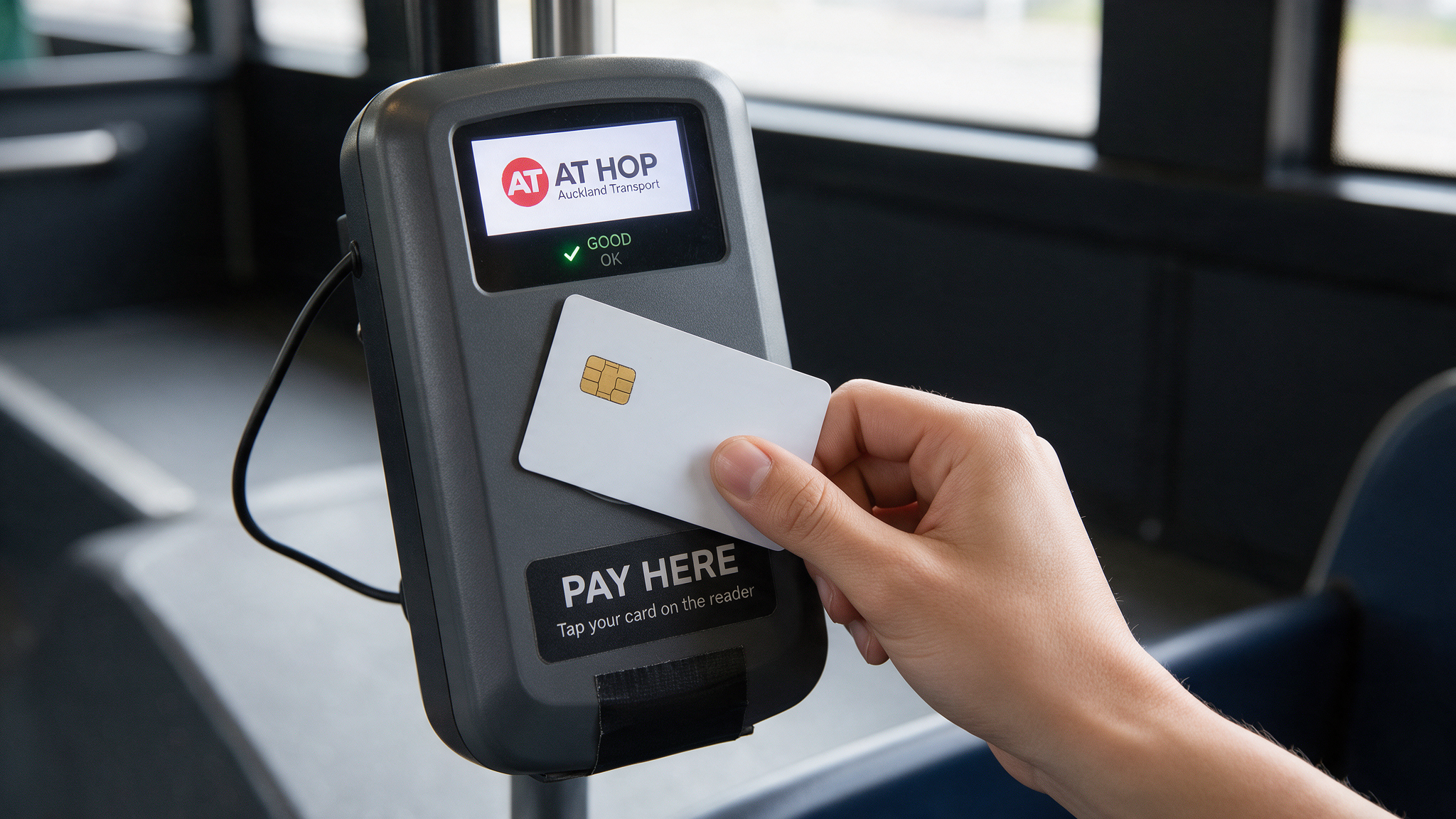
Auckland Transport runs buses, trains, and ferries under one umbrella, and the AT HOP card is the one thing worth sorting out on day one — tap on, tap off, and it works across every mode including the Devonport and Waiheke Island ferries. Buses cover the city comprehensively and are the most-used mode; the rail network has four lines, and the City Rail Link — the country’s first proper metro — is due to open in central Auckland in 2026, which should meaningfully cut cross-city journey times once it’s running.
Local tip: buy your AT HOP card at the airport or a convenience store rather than relying on single-trip paper tickets, which cost noticeably more per ride. A short top-up covers several days of city sightseeing.
Ferries deserve special mention here — Fullers360 runs the main routes, and the ferry to Waiheke Island (around 40 minutes) is less a transit option and more a worthwhile half-day trip in its own right if your schedule has room for it.
Getting Around Rotorua
Rotorua has a small local bus network (Baybus), but it’s genuinely built for residents rather than visitors hopping between geothermal parks and cultural venues, which tend to sit outside the central walkable area. Most Get Tripped clients use a private transfer or rental car for the day here rather than relying on public buses — the geothermal parks, Māori cultural venues, and the lakefront are spread out enough that walking between them isn’t realistic, especially on a one- or two-day visit.
Getting Around Wellington
Wellington’s Metlink system is the country’s best, and it’s not close — rail carries roughly half of all public transport trips here, running on a mostly electrified network that reaches well beyond the city into the Wairarapa region. The Snapper card (Metlink’s equivalent of Auckland’s AT HOP) covers buses and most trains. The Wellington Cable Car, a short funicular from Lambton Quay up to the Botanic Garden, is touristy but genuinely useful — it’s a quick, scenic way to the garden’s lookout rather than just a photo-op ride.
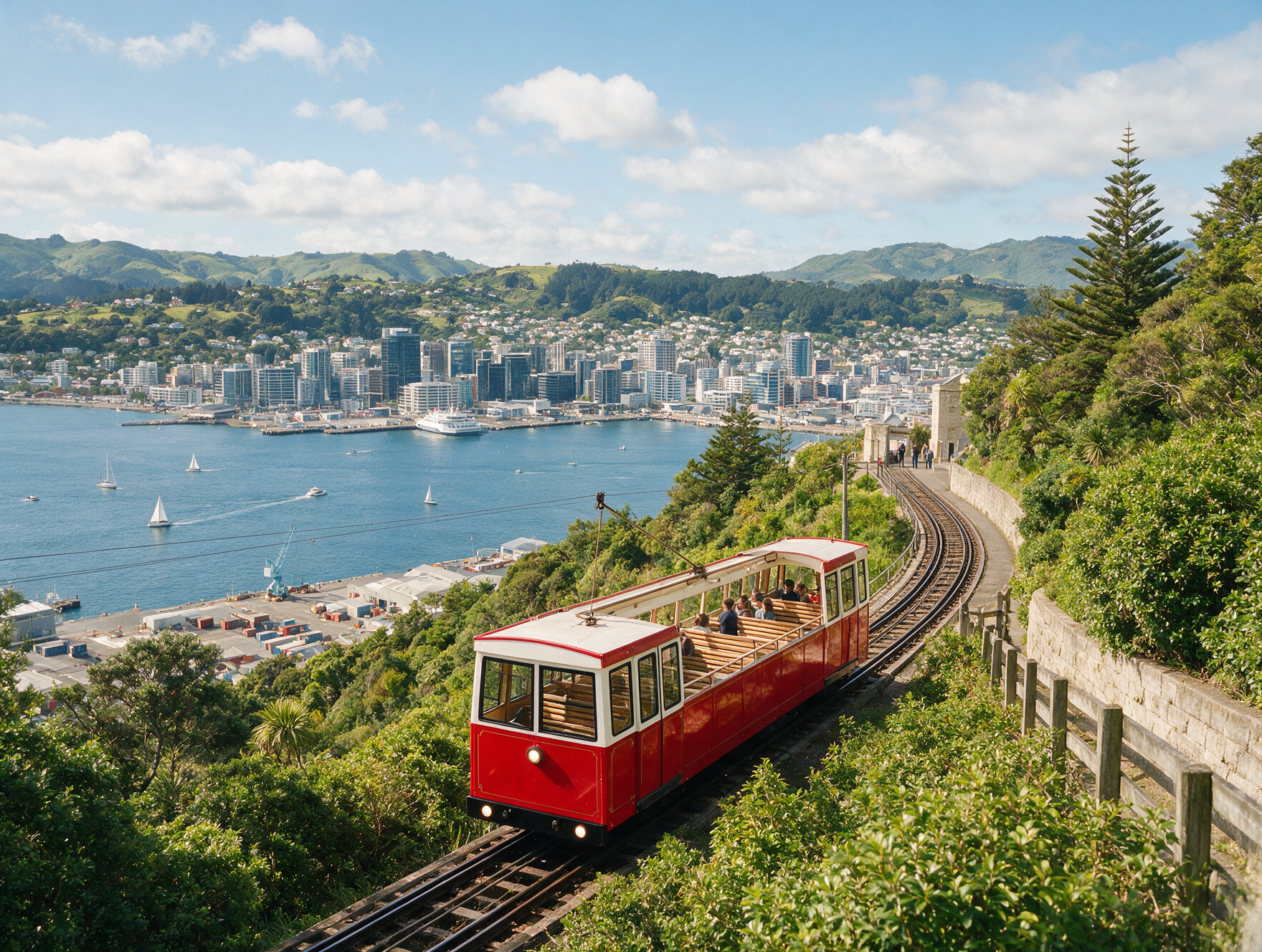
A fun fact worth knowing before you go: Wellington has the highest public transport usage rate of any New Zealand city, which locals will tell you is partly necessity — the city’s hills and narrow harbour-side footprint make driving and parking genuinely painful compared to flatter Auckland.
Getting Around Queenstown
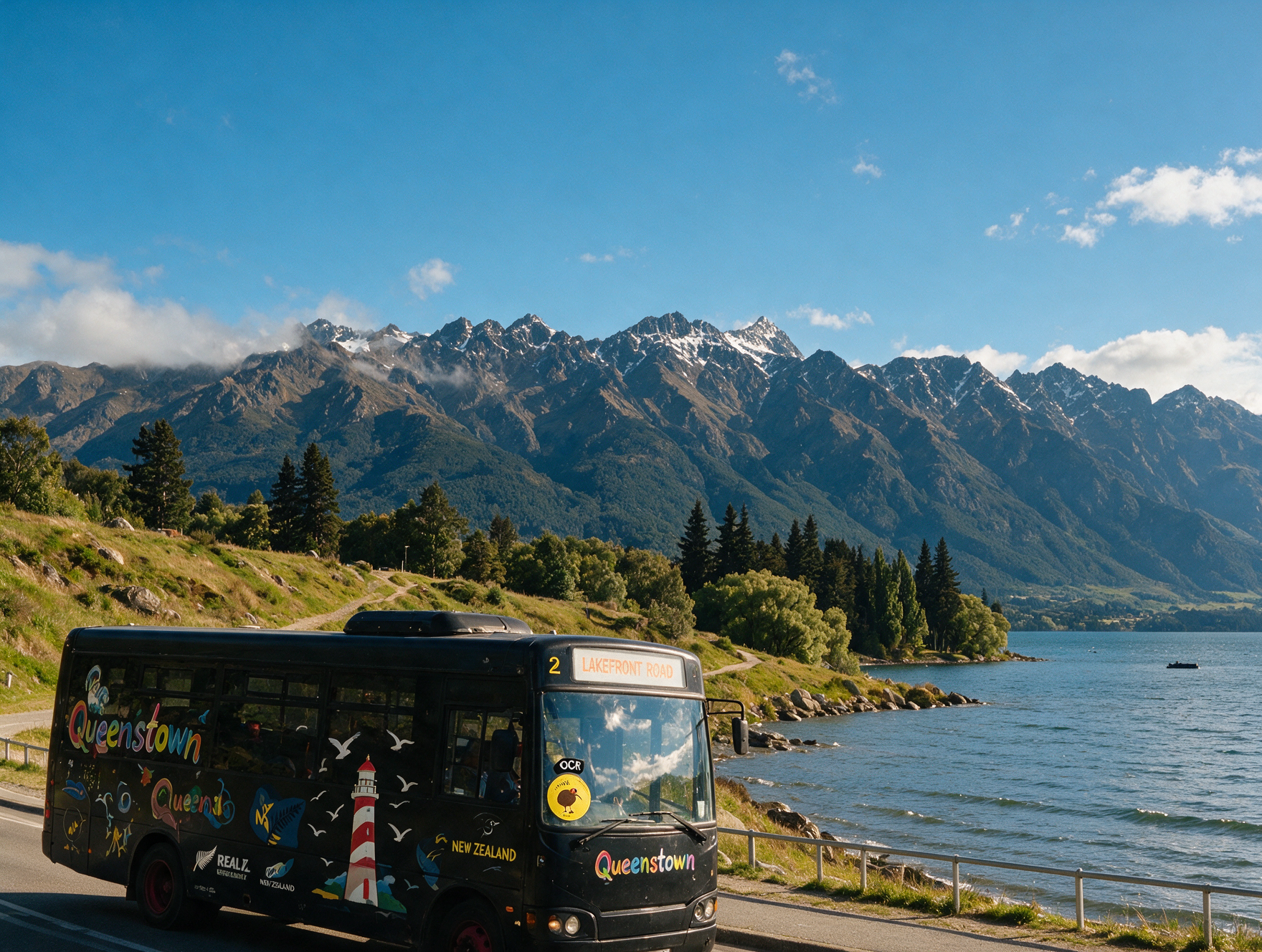
Queenstown’s Orbus network covers the town and nearby Frankton and Arrowtown reasonably well, and the central area itself — lakefront, Skyline Gondola base station, most restaurants — is walkable from most central hotels. Where it gets trickier is the day-trip excursions: Milford Sound, Glenorchy, and the Lake Tekapo/Mount Cook run all sit well outside any bus network’s reach, which is why nearly everyone books these as guided coach tours rather than attempting them independently without a car.
Mount Cook and Lake Tekapo
There’s no meaningful public transport in either location — both are small villages built around tourism infrastructure (hotels, a visitor centre, a handful of cafés), not transit hubs. InterCity runs limited scheduled coach services through both on specific route days, but the realistic options are a rental car, a private transfer, or a small-group guided day tour from Queenstown or Christchurch. Don’t plan on walking between any attraction here and your hotel unless you’ve specifically booked accommodation in Mount Cook Village itself, where the national park visitor centre and a few short walking trails are genuinely in range on foot.
Getting Between Cities
InterCity is essentially the national intercity bus network — one private company runs almost all scheduled coach routes between major towns, and it’s a legitimate, comfortable way to cover ground if you’re not renting a car, though journeys are long (Auckland to Rotorua is roughly three hours by road, for instance). Intercity rail has shrunk to mostly scenic tourist lines rather than practical point-to-point transport, so don’t plan a New Zealand itinerary around trains the way you might in Japan or parts of Europe.
For the Auckland-to-Queenstown jump specifically — the one genuinely necessary long-haul leg on most itineraries — a domestic flight is the realistic choice. Air New Zealand runs the most frequent schedule, with Jetstar as a budget alternative on some routes; both are a few hours faster than any road or combined bus-and-ferry option, and there’s no road or rail shortcut between the North and South Islands besides the Wellington-Picton ferry crossing, which adds a full day to a short itinerary.
A mistake to avoid: don’t book the tightest possible connection between an international arrival and a same-day domestic flight to Queenstown. Immigration queues at Auckland International can run long during peak season, and missing a tightly-booked domestic leg because of a slow immigration line is an unnecessary way to start a trip. Build in at least a three-hour buffer, longer if you’re arriving during the December-January rush.
Do You Need a Rental Car?
For this route specifically — Auckland, Rotorua, Queenstown, with Milford Sound and Mount Cook as excursions — you don’t strictly need to self-drive, since Get Tripped and most local operators run guided coach options for every genuinely long leg. But if you’re comfortable driving on the left and want full control of your schedule around Queenstown, Lake Tekapo, and Mount Cook, a rental car opens up stops a tour bus won’t make — a random lakeside pull-off, an extra ten minutes at a lookout, lunch somewhere that wasn’t on the itinerary.
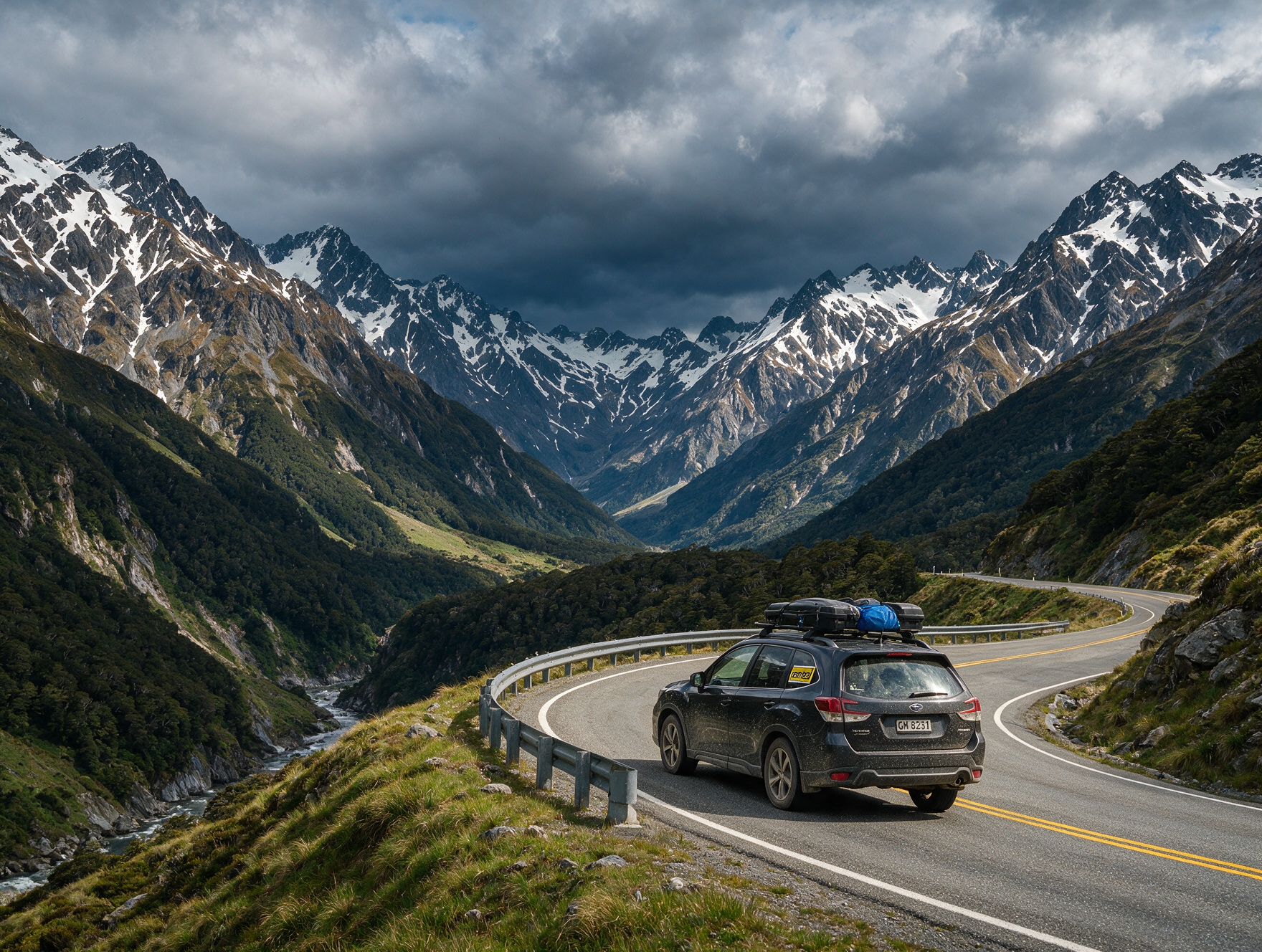
Honest caveat: New Zealand drives on the left, same as India, so the side of the road isn’t the adjustment — it’s the mountain roads themselves. The Lindis Pass and the road into Milford Sound both have sections that are genuinely demanding for an unfamiliar driver, especially in rain or early-morning ice during the cooler months. If you’re not confident on mountain driving, book the guided coach option instead; it’s not a budget compromise, it’s the more relaxing choice.
Taxis and Rideshare
Uber operates in Auckland and Wellington and covers most everyday trips reliably. Queenstown has more limited rideshare coverage — expect to rely more on local taxi companies and pre-booked airport transfers than an Uber pickup, particularly late at night or during peak ski season when demand spikes. Rotorua, Mount Cook, and Lake Tekapo are small enough that hotel-arranged transfers or pre-booked tours are the practical default rather than hailing a ride on the spot.
What Transport Actually Costs
None of this is the cheapest way to see a country, and it’s worth budgeting for honestly rather than comparing it to Southeast Asia’s transit prices. An AT HOP or Snapper card tap fare in Auckland or Wellington typically runs a few NZD per trip depending on distance, and a day of casual city hopping lands somewhere in the NZD 10-20 range per person. InterCity coach fares between major towns vary widely by route and how far ahead you book — booking two to three weeks out generally beats a last-minute fare by a meaningful margin, the same dynamic as Indian domestic flights during a festival week. The Auckland-Queenstown domestic flight leg is the biggest single transport cost on most itineraries, and fares swing hard with the booking window — locking it in alongside your international tickets rather than waiting until you land tends to save real money, particularly over the December-February peak.
Rental cars in New Zealand aren’t cheap either, especially in peak season, and that cost needs to sit next to fuel (which runs higher than Indian pump prices), parking in city centres, and one-way rental fees if you’re picking up in one town and dropping off in another. For a short trip doing mostly guided excursions, the math often favours tours over a rental car once all of that is added up — it’s genuinely close, not a clear win either way, so price both options for your specific dates before deciding.
FAQs
Can I get around New Zealand without a rental car?
Yes, for the cities — Auckland and Wellington have genuinely good public transport, and Queenstown’s town centre is walkable. For the day-trip excursions (Milford Sound, Mount Cook, Lake Tekapo), book guided coach tours instead of trying to self-drive without a car.
What’s the best way to get an AT HOP or Snapper card?
Buy an AT HOP card at Auckland Airport or any convenience store for Auckland transit, and a Snapper card for Wellington’s Metlink system — both are far cheaper per ride than single paper tickets.
Is there a train between the North and South Islands?
No direct train — the Interislander ferry between Wellington and Picton is the only sea crossing, taking around three and a half hours, or you fly, which is faster for most itineraries that don’t already have Wellington built in.
Is Uber available in Queenstown?
Coverage is more limited than Auckland or Wellington — plan on local taxis and pre-booked transfers rather than counting on an Uber pickup, especially during the busy ski season.
Do I need an international driving permit to drive in New Zealand?
Indian driving licences generally need to be accompanied by an International Driving Permit or an official translation to rent and drive a car in New Zealand — confirm the current requirement with your rental company before you travel, since it’s the kind of detail that occasionally shifts.
Getting around New Zealand is less about one transport system and more about picking the right tool for each stop — a transit card in the cities, a guided coach for the big scenic drives, and a rental car only if you genuinely want the independence. Get Tripped builds the transfers and day tours directly into a custom New Zealand itinerary so you’re not piecing together bus schedules on the fly. Talk to our New Zealand travel specialists about getting the logistics sorted before you land.