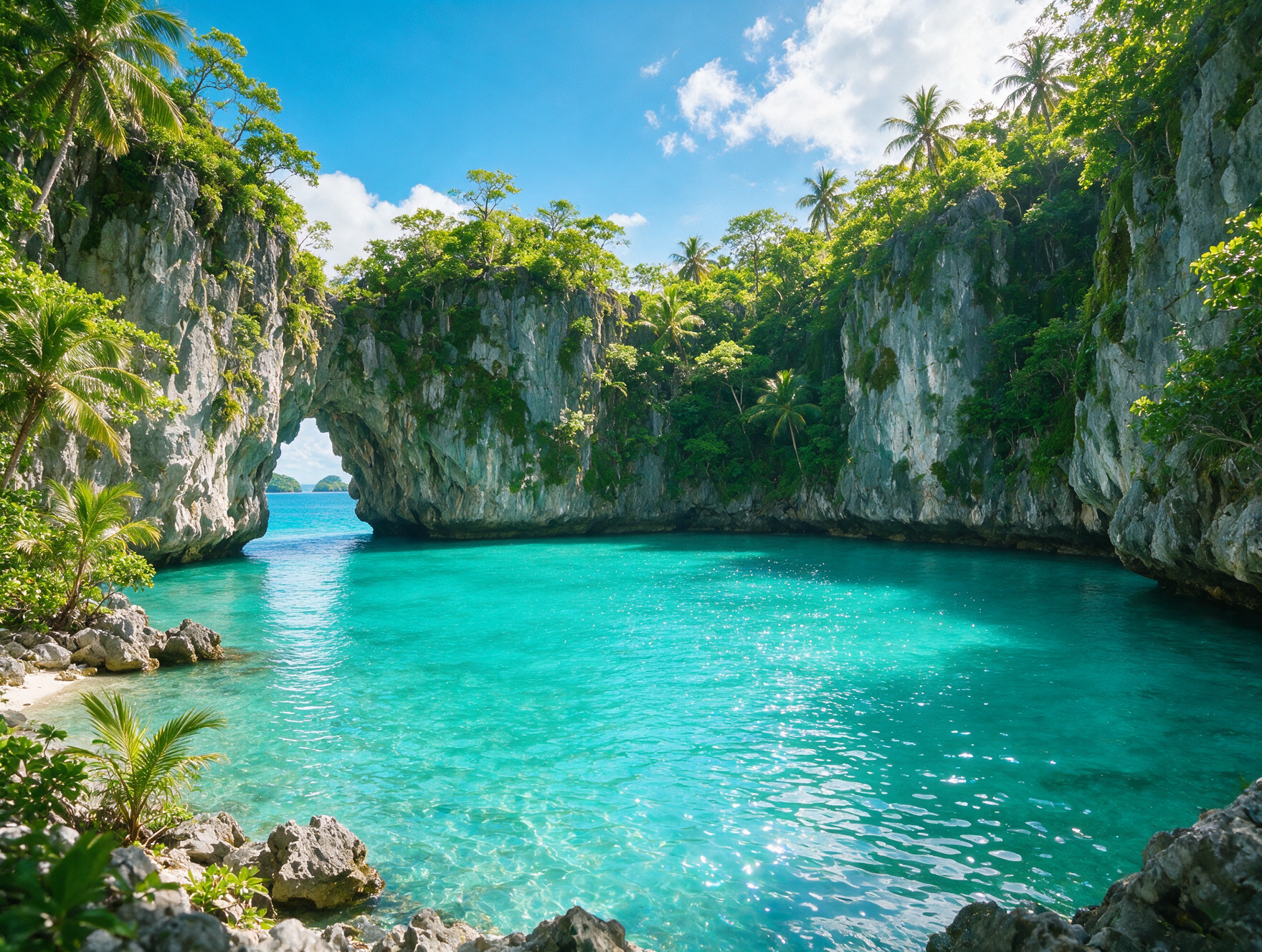
El Nido’s Big Lagoon and Small Lagoon are extraordinary, and I’m not going to pretend otherwise just to make a contrarian point. But by 10am, Big Lagoon has a queue of kayaks waiting to paddle through the gap, and Small Lagoon’s entrance can back up with boats the way a toll booth backs up on a Friday. The standard Island Hopping Tours A, B, C, and D cover these headline spots efficiently, and most visitors never get past them. Here’s what’s past them — the parts of El Nido’s reach that the four-letter tour system doesn’t put you in front of.
Fun fact worth knowing before you go: El Nido takes its name from the swiftlet nests built in the area’s limestone cliffs — “nido” is Spanish for nest — which were historically harvested for bird’s nest soup, a delicacy still prized across parts of Asia. The cliffs you’ll be boating past and climbing have been a source of that trade for generations, long before anyone was photographing them for a different reason entirely.
Table of Contents
- First: Beat the Boats With Timing, Not Just Distance
- Secret Lagoon
- Matinloc Shrine and the Hidden Beach Behind It
- Nacpan and Calitang Twin Beaches
- The Taraw Cliff Climb, If You’re Up For It
- Hire Your Own Boat Instead of Joining Tour D
- Eating Well Away From the Tour Boats
- A Few Practical Notes
- A Mistake to Avoid
- Best Time to Visit
- Where to Stay
- Getting to El Nido From India
- FAQs
First: Beat the Boats With Timing, Not Just Distance
Before getting to specific spots, the single most useful thing to know about El Nido is that “hidden” is often a matter of when, not where. Big and Small Lagoon are genuinely much quieter at 7am than at 11am, when the group tour boats from town arrive in a wave. If you hire a private boat or guide (more on that below), ask to start at the furthest point of your route and work backward toward town — most group tours do the opposite, which means you’ll be leaving a spot just as their crowd arrives, instead of arriving right as they’re leaving.
Secret Lagoon
Secret Lagoon, on Miniloc Island near its more famous siblings, requires swimming or wading through a low, narrow rock opening that’s only passable at certain tide levels — which alone filters out a meaningful share of the Tour A crowd. Inside, it opens into an enclosed pool ringed by sheer limestone walls, genuinely quieter than Small Lagoon a short distance away simply because the entrance is more work. Check tide timing with your boatman before planning around it; at high tide the gap can be too deep and fast to enter safely, and at very low tide it can close up entirely.
Matinloc Shrine and the Hidden Beach Behind It
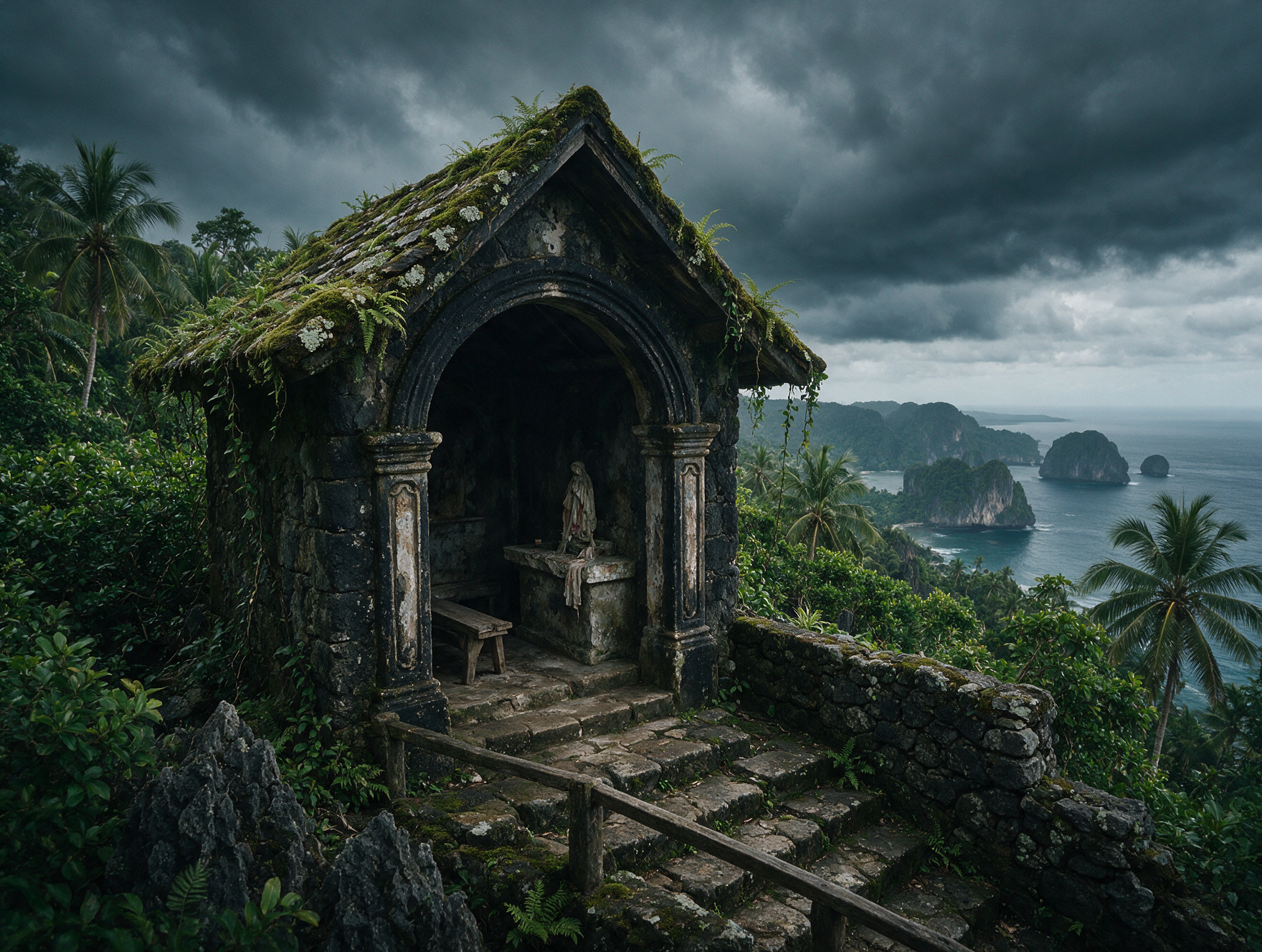
Most Tour C itineraries stop briefly at Matinloc Shrine, an abandoned religious retreat with genuinely striking cliff-top views over the Sulu Sea, and then move on. Stay an extra twenty minutes and take the short trail down the far side to the small, unnamed beach behind the shrine — most boatmen know it even though it’s not marked on the standard tour map, and it rarely has more than one or two other boats at a time, since it’s technically a short detour from the main circuit rather than a stop in itself. Bring water; there’s no vendor anywhere near this one.
Nacpan and Calitang Twin Beaches
Nacpan Beach, about 45 minutes by tricycle or van from El Nido town over a bumpy but manageable road, is long, golden-sand, and genuinely underused relative to how good it is — a function of needing a dedicated land trip rather than fitting into a boat-based island-hopping day. Calitang, its twin beach next door separated by a short rocky headland you can walk over at low tide, is even quieter still. A scattering of simple beachfront restaurants serves grilled fish and fresh buko (young coconut) if you want to turn it into a full afternoon rather than a quick photo stop.
Honest caveat: the road out is genuinely rough in sections, and a scooter rental here is only a good idea if you’re already a confident rider — several visitors a year underestimate this stretch.
The Taraw Cliff Climb, If You’re Up For It
The Taraw Cliff trek, starting right from El Nido town, is a steep, roughly 45-minute scramble (with fixed ropes on the hardest sections) up to a viewpoint over the entire bay — the shot every drone photo of El Nido is taken from, except you get it with your own eyes instead of a propeller. It’s genuinely demanding in the heat, not a casual walk, and closes by around 2pm for safety, so a 6am start beats the crowd and the worst of the sun. Guides are mandatory and arranged easily through any tour operator in town.
Hire Your Own Boat Instead of Joining Tour D
Tour D covers Helicopter Island, Matinloc Shrine, and Secret Beach on a set schedule with a set boat of other travelers. For a modest premium, chartering a private boat with your own guide gets you the same stops, or a custom mix including some of the spots above, on your own timing — which, per the point about beating the crowds, is often the actual difference between a packed lagoon and an empty one. Split across four to six people, the per-person cost gap versus a group tour is smaller than most visitors expect.
Eating Well Away From the Tour Boats
El Nido town’s restaurant scene has genuinely improved over the last several years — it’s no longer just backpacker cafés, and a handful of spots now do a proper mid-range dinner worth planning around after a boat day. Trattoria Altrove does solid wood-fired pizza if you want a break from seafood two nights in a row, and the open-air restaurants along the beachfront strip serve the day’s catch grilled simply with garlic rice, which is really all it needs. On tour days, most operators pack a decent lunch on the boat itself — grilled fish, rice, and fruit, usually eaten on whichever beach you stop at — so you rarely need to plan lunch separately on those days.
A Few Practical Notes
Reef-safe sunscreen matters more here than almost anywhere else in the Philippines, given how much of the day you’ll spend in the water around coral; standard sunscreen is genuinely damaging to the reefs inside these lagoons, and a few operators have started asking guests directly about it before boarding. Bring a dry bag for your phone and any cash, since every tour involves some amount of wading or swimming, and pack a light long-sleeve layer for the Taraw climb if you’re doing it at sunrise — it’s cooler than you’d expect before the sun clears the ridge.
A Mistake to Avoid
Don’t book every day of your El Nido stay as a different lettered tour (A, B, C, D) back to back. It’s the single most common itinerary mistake — four straight days of boat-hopping burns people out and leaves zero time for Nacpan, the Taraw climb, or simply a lazy afternoon in town. Break it up: two tour days, one land-based day for Nacpan or Taraw, one genuinely unscheduled day.
Best Time to Visit
December through May is El Nido’s dry season and the most reliable window for boat tours running on schedule; January and February bring the clearest water and calmest seas for lagoon visits specifically. June through November carries real typhoon risk, and tours get canceled with little notice during the wettest stretches — worth knowing if your trip dates fall in that window, since a canceled tour day is a genuine possibility, not a remote one.
Where to Stay
El Nido town itself puts you closest to the tour boat departure point and the restaurant strip, with solid mid-range-to-upscale options a short walk from the pier. If you’d rather wake up somewhere quieter, a handful of island resorts on Lagen and Miniloc put you inside the bay itself, trading the town’s convenience and food options for genuinely stunning immediate surroundings — worth it for a few nights if your trip has room for both.
Getting to El Nido From India
There’s no direct flight from India. Most itineraries connect through Manila (via Singapore, Hong Kong, or a Gulf hub), then either a direct flight to El Nido’s own small airport (seasonal and weather-dependent) or a flight into Puerto Princesa followed by a five-to-six-hour van transfer. Checking which routing is currently running before booking matters more here than for most Philippine destinations, since El Nido’s direct air service has a history of seasonal gaps.
FAQs
Do I need a visa to visit El Nido as an Indian citizen?
Indian passport holders can currently enter the Philippines visa-free for up to 14 days for tourism, subject to conditions including a confirmed return ticket, proof of accommodation, and sufficient funds, plus the free eTravel registration at etravel.gov.ph before arrival. Confirm current rules with the Philippine Embassy in New Delhi before booking.
How many days do I need in El Nido to see both the famous spots and the quieter ones?
Five to six days comfortably covers two tour days, Nacpan, the Taraw climb, and at least one unscheduled day — fewer than that and you’ll likely have to choose between the headline lagoons and the quieter alternatives above.
Is Secret Lagoon actually hard to get to?
Not hard, but it requires swimming or wading through a narrow, sometimes chest-deep gap, which isn’t comfortable for every traveler — ask your boatman about current conditions and have a life vest on if you’re not a confident swimmer.
Is the Taraw Cliff climb safe?
Yes, with a guide and reasonable fitness — it uses fixed ropes on the steepest sections and is a standard, well-regulated activity in town. It’s genuinely strenuous, though, and not recommended in the heat of midday.
Can I visit Nacpan Beach without a tour?
Yes — it’s reachable independently by tricycle, habal-habal, or rental scooter from El Nido town, and doesn’t require booking through a tour operator the way the lagoon-hopping routes do.
How much does a private boat charter cost compared to a group tour?
Expect to pay a meaningful premium over the per-person group tour rate, but split across a group of four to six, it often lands close to what you’d pay joining a tour anyway — and you get full control over timing and stops in exchange.
Is El Nido worth visiting if I’ve already done Coron?
Yes — the two share the general lagoon-and-limestone aesthetic but are genuinely distinct in layout and activities, and most travelers who do both come away glad they didn’t pick just one.
El Nido rewards a bit of extra planning past the standard tour letters. If you want an itinerary that blends the lagoons everyone comes for with a day or two of the quieter spots above, our Philippines trip planning can put it together properly — get in touch and we’ll build the mix around how much boat time versus land time you actually want.