Palawan gets called the Philippines’ most beautiful island so often the phrase has lost most of its meaning. What it actually means, on the ground, is that El Nido and Coron have become so popular that the lagoons everyone photographs now come with a queue, a life-vest mandate, and a boatload of other people’s GoPros. The real find in Palawan isn’t El Nido or Coron anymore — both are wonderful but thoroughly discovered — it’s the long, less-visited stretch of the province around and beyond them. Here are five places that still feel like Palawan did before it was on everyone’s feed.
None of these five are secrets in the sense of being unknown — they show up in enough travel forums and Reddit threads that “hidden gem” is doing some work as a label. What they share is that none of them have tipped over into the mass-tourism density that’s reshaped El Nido’s town center in the last decade. That’s a meaningfully different experience, not just a marketing phrase.
Table of Contents
- 1. Port Barton — El Nido, Twenty Years Ago
- 2. Long Beach, San Vicente — 14 Kilometers, Almost Nobody
- 3. Calauit Safari Park — Giraffes in the Philippines
- 4. Culion Island — A Former Leper Colony, Quietly Remarkable
- 5. Balabac Islands — Pink Sand at the Edge of the Map
- Where to Stay in Each Spot
- Food Worth Seeking Out
- Getting Between Them
- A Mistake to Avoid
- Best Time to Visit
- Getting to Palawan From India
- FAQs
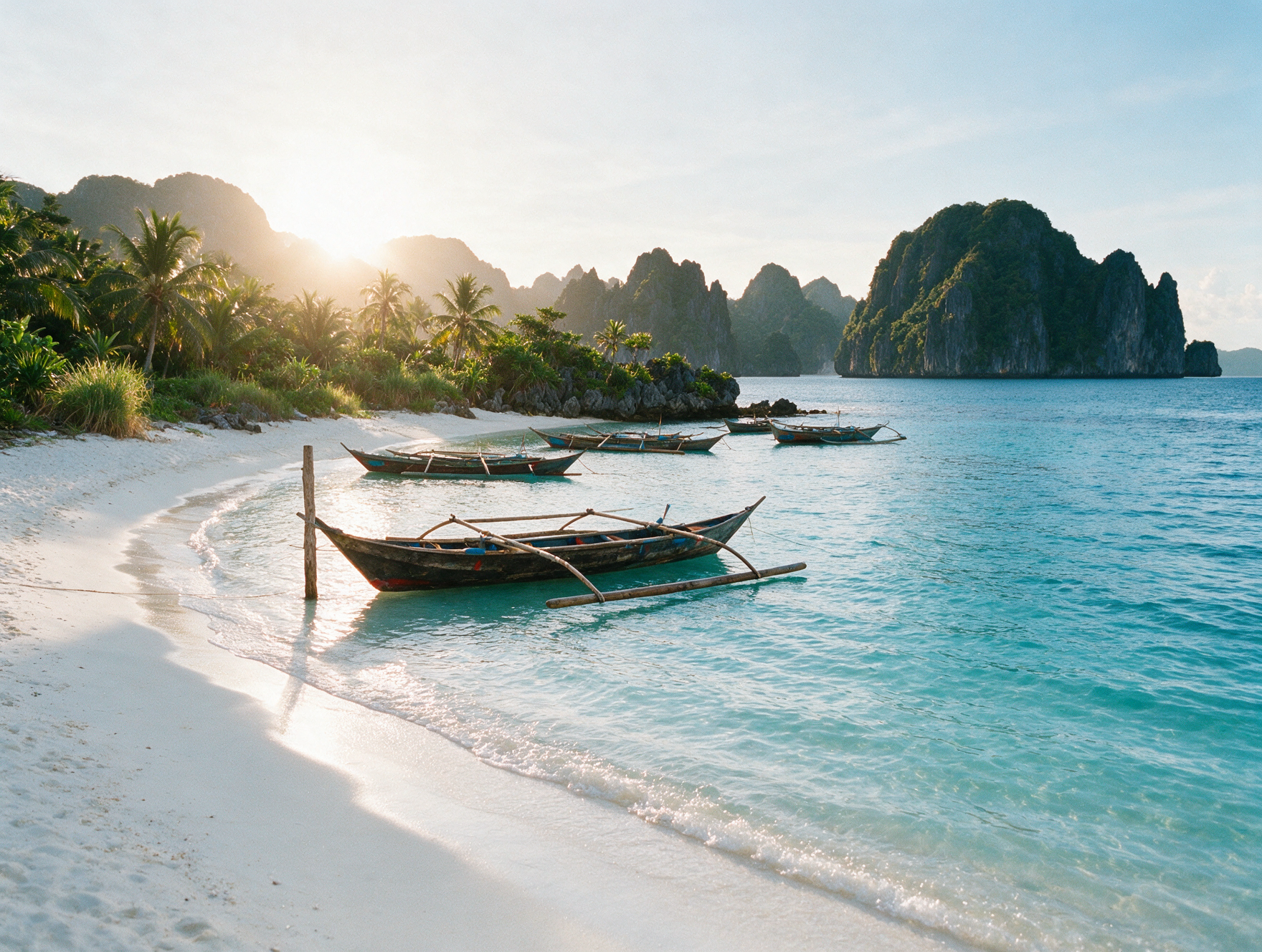
1. Port Barton — El Nido, Twenty Years Ago
Port Barton is a small fishing town about three hours by van from Puerto Princesa, sitting on a bay quiet enough that boat operators still greet you by name on your second day. The comparison to “El Nido twenty years ago” gets used often enough to be a cliché, but it holds up: unpaved roads, a handful of beachfront guesthouses rather than resort chains, and island-hopping trips where you might be the only boat at a reef. Snorkeling with sea turtles around the nearby reefs is the headline activity, and it’s genuinely good — calmer water and healthier coral than the more trafficked El Nido circuit, since fewer boats means less damage over the years.
Honest caveat: the infrastructure is basic by design. Expect patchy wifi, simpler food options than El Nido’s increasingly polished restaurant scene, and roads that turn to mud in a hard rain. That’s the trade for the quiet.
2. Long Beach, San Vicente — 14 Kilometers, Almost Nobody
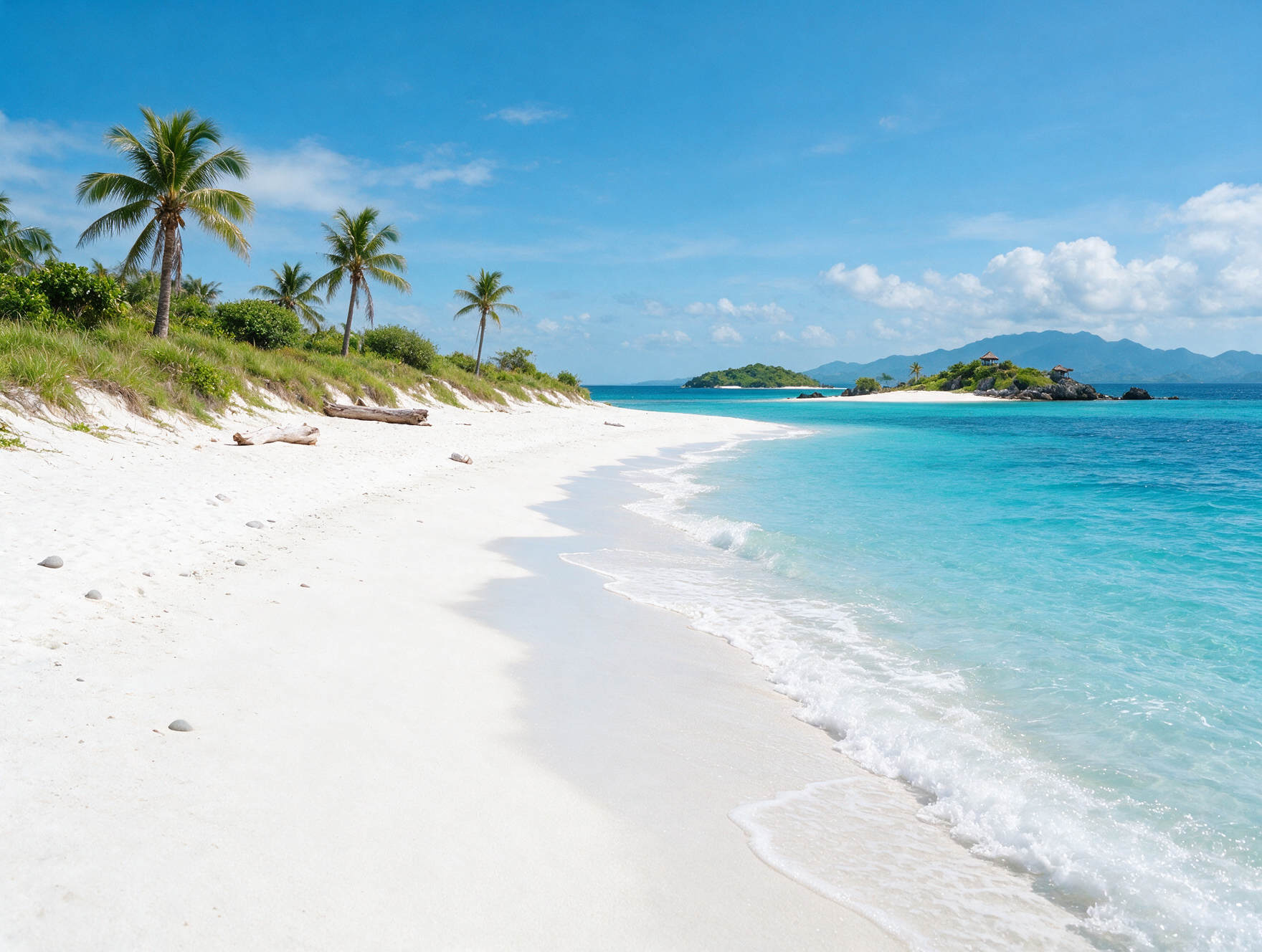
San Vicente’s Long Beach claims the title of the longest white-sand beach in the Philippines at roughly 14 kilometers, and the striking thing isn’t the length — it’s that you can walk a serious stretch of it without seeing more than a handful of other people, even in high season. The municipality has deliberately paced development here, which means it’s reachable and has a growing handful of good places to stay, but hasn’t tipped into the resort-strip density of Boracay’s White Beach. Binga Beach, a smaller cove nearby with eco-friendly beach cabins, is a good lower-key base if Long Beach’s open stretch feels too exposed for your taste.
3. Calauit Safari Park — Giraffes in the Philippines
This is the genuinely odd one on the list. Calauit Island, off Busuanga near Coron, holds a wildlife reserve established in the 1970s that’s home to African giraffes, zebras, and other species relocated decades ago, alongside endemic Philippine wildlife like the Calamian deer. It sounds like a non-sequitur dropped into a Palawan guide, and the first reaction most visitors have is exactly that confusion — then it becomes one of the more memorable half-days of the trip precisely because nobody expects it. A guided safari-style drive through the reserve takes a few hours and pairs well with a Coron-based itinerary as a day trip by boat and van.
A mistake to avoid here specifically: book the trip through a reputable Coron-based operator rather than arranging transport independently — the logistics (boat to Busuanga, van to the park, timed entry) are fiddly enough that a bad connection can eat your whole day.
A bit of context that makes the visit land better: the giraffes and other African species were brought over in 1977 as part of a conservation arrangement with Kenya, intended to protect them from political instability back home at the time. Decades on, the population has grown and adapted to Palawan’s climate well enough that most visitors assume, wrongly, that this must be some kind of long-running hoax rather than a genuine, slightly strange piece of 1970s conservation diplomacy.
4. Culion Island — A Former Leper Colony, Quietly Remarkable
Culion has one of the more unusual histories in the Philippines: it was established as one of the world’s largest leper colonies in the early 1900s under American colonial administration, and the island still carries that history visibly, in a well-kept museum, Spanish-era churches, and a town layout that was planned around a quarantine system most visitors have never heard of. It’s also, separately, just a good diving and quiet-beach destination with far fewer boats than Coron Bay nearby. The combination — genuine historical weight plus actual natural beauty — makes it worth more time than the typical “half-day add-on” treatment most itineraries give it.
5. Balabac Islands — Pink Sand at the Edge of the Map
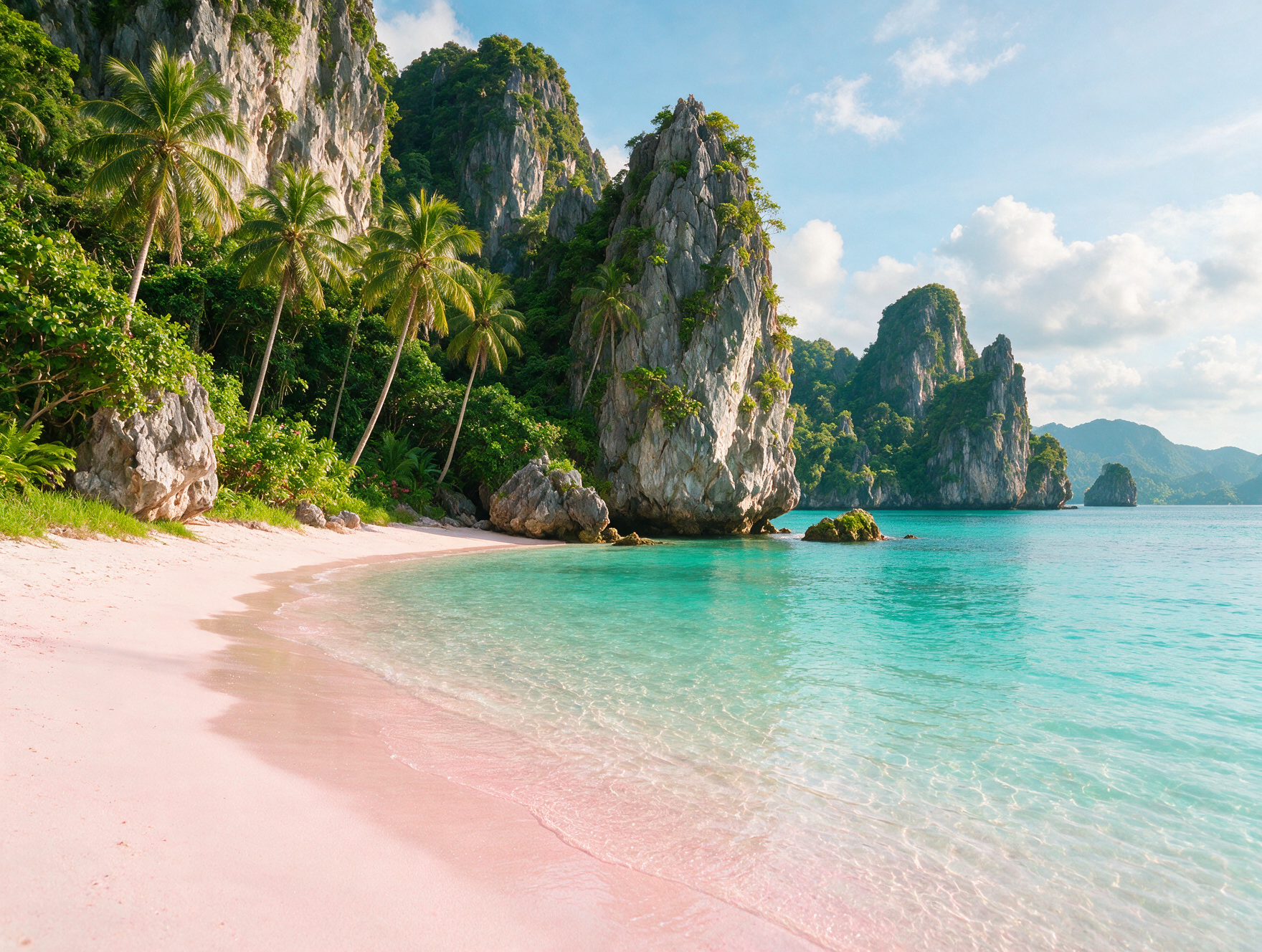
Balabac sits at Palawan’s southern tip, about as far from the El Nido tourist circuit as you can get while still technically being in the same province, and it’s known for pink-tinted sand beaches, sandbars that appear and vanish with the tide, and water so clear it reads as an exaggeration until you’re standing in it. Getting there takes real effort — a long overland or boat journey from Puerto Princesa, with limited accommodation once you arrive — which is exactly why it’s stayed this undisturbed. This is the pick for a traveler who has already done El Nido and Coron and wants to see what Palawan looks like without the Instagram crowd.
Where to Stay in Each Spot
Port Barton’s accommodation is almost entirely small, beachfront, family-run guesthouses and a handful of slightly more polished eco-lodges — there’s no branded resort chain here yet, which is part of the appeal and part of the trade-off. In San Vicente, properties along Long Beach itself range from simple beach huts to a few genuinely nice mid-range resorts that have opened in the last few years as the area’s profile has slowly risen. Culion has limited options — a couple of inns in the main town — so book ahead rather than assuming you’ll find a room on arrival. Balabac’s accommodation is the most basic on this list; most visitors go through a tour operator that bundles transport, guiding, and a homestay or basic lodge rather than booking independently.
Food Worth Seeking Out
Palawan’s coastal towns do seafood simply and well — grilled tanigue (Spanish mackerel) and fresh-caught squid cooked the same day they’re landed, usually at a beachfront carinderia rather than anything styled as a restaurant. Port Barton in particular has a small cluster of relaxed beachfront spots serving the day’s catch with rice and a calamansi-soy dip, and it’s worth timing a meal around whenever the boats come in rather than a fixed dinner hour. Away from the coast, Puerto Princesa’s night market is a reliable stop for a wider spread of Filipino street food if you’re passing through the city en route to any of these five.
Getting Between Them
Puerto Princesa is the practical hub for most of this list — Port Barton and Long Beach are both a few hours north by van, while Balabac and Culion require more deliberate planning (boats, longer transfers, fewer daily departures). If you’re combining several of these with El Nido or Coron, build in buffer days; Palawan’s infrastructure rewards travelers who don’t try to move every single day.
A Mistake to Avoid
Don’t try to fit more than two or three of these into a single trip alongside El Nido and Coron — Palawan’s distances and limited road and boat connections make a rushed itinerary genuinely miserable, with more hours spent in transit than at any destination. Pick the two that interest you most (Port Barton for the “quiet El Nido” experience, Calauit if the novelty appeals, Balabac if you want true remoteness) and give each proper time.
Best Time to Visit
Palawan’s dry season, roughly November through May, is the reliable window, with December through February offering the most comfortable temperatures. June through October brings the southwest monsoon and a real chance of typhoon disruption to boat schedules, particularly to the more remote spots on this list where a single canceled crossing can cost you a full day.
Getting to Palawan From India
There’s no direct flight from India to Palawan. The standard route connects through Manila (via Singapore, Hong Kong, or a Gulf hub from most Indian cities), then a domestic flight to Puerto Princesa or, for Coron-based itineraries, directly to Busuanga. Build at least one buffer day into the front of your trip for this connection — Palawan’s domestic flight schedules are tighter and more weather-sensitive than Manila’s main routes.
FAQs
Is Palawan safe for Indian tourists, including these more remote spots?
Yes, generally — Palawan as a whole has a strong safety record for tourism. The remoter spots on this list (Balabac especially) warrant more trip planning simply due to limited infrastructure and emergency services, not safety concerns in the usual sense.
Do I need a visa to visit Palawan as an Indian citizen?
Indian passport holders can currently enter the Philippines visa-free for up to 14 days for tourism, subject to conditions including a confirmed return ticket, proof of accommodation, and sufficient funds, plus the free eTravel registration at etravel.gov.ph before arrival. Confirm current rules with the Philippine Embassy in New Delhi before booking.
Is Port Barton worth it if I’ve already booked El Nido?
Yes, if you have the extra two to three days — the two are different enough (crowd level, infrastructure, price) that doing both gives you a genuinely fuller picture of Palawan rather than a repeat experience.
How many days should a hidden-gems Palawan trip take?
A week lets you comfortably combine one or two of these spots with a shorter El Nido or Coron stay; trying to do all five on this list in under ten days isn’t realistic given the travel times involved.
Can families visit Calauit Safari Park?
Yes — it’s a comfortable, guided experience suitable for most ages, though the boat-and-van logistics to reach it are easier with older children than very young ones.
Is diving good at Culion Island?
Yes — Culion sits close enough to Coron Bay’s famous WWII wreck sites to offer some overlap, plus its own quieter reef dives with noticeably fewer boats competing for the same spot, which experienced divers tend to appreciate.
Do these hidden-gem spots have ATMs or should I carry cash?
Carry cash. Port Barton, Culion, and Balabac in particular have little to no reliable ATM access, and card payments are rare outside of a few larger lodges — withdraw what you need in Puerto Princesa or Coron before heading out.
These five are the Palawan trips worth the extra planning. If you’d rather not sort out the boat schedules and transfer logistics yourself, our Philippines itineraries can build a route that pairs one or two of these hidden corners with the El Nido or Coron days you’ve already got your eye on. Get in touch and we’ll map it out properly.