The first time I tried to explain the Philippines’ visa rules to a friend in Mumbai, I got it wrong — I told her she needed a visa on arrival. She doesn’t. As of mid-2025, most Indian passport holders can walk into Manila, Cebu, or Clark on a tourist trip and get a 14-day stamp with no visa at all, provided a few boxes are ticked beforehand. That’s the good news. The less convenient news is that those boxes trip up more travelers than you’d expect, mostly because people assume “visa-free” means “paperwork-free,” and it doesn’t.
This guide covers exactly what an Indian traveler needs for a 2026 trip to the Philippines — the visa-free rules, the mandatory eTravel registration almost nobody mentions until they’re standing in the immigration queue, passport and document requirements, and the narrow set of situations where you’d actually need to apply for a visa at the embassy instead.
Table of Contents
- Do Indians need a visa for the Philippines in 2026?
- Who qualifies for 14-day visa-free entry
- The 30-day visa-free route (if you hold a US, UK, Schengen, or similar visa)
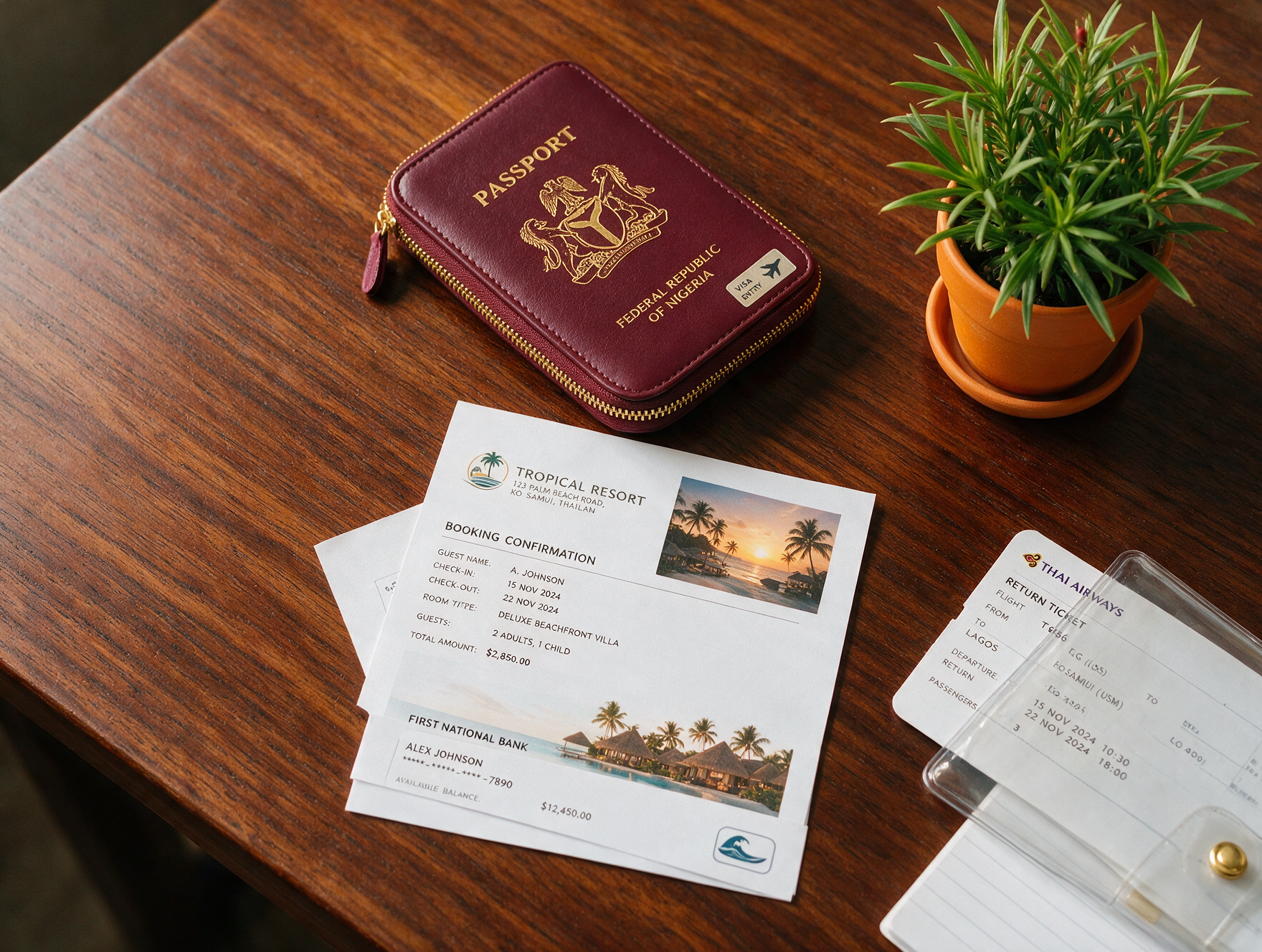
- Documents to carry at check-in and immigration
- eTravel registration — the step people forget
- When you actually need a Philippine visa
- Applying at the embassy — process, fees, timeline
- Mistakes that get Indian travelers held back at immigration
- How this compares to Thailand, Vietnam, and Indonesia
- What happens if you overstay
- Travel insurance — not required, but worth the conversation
- FAQs
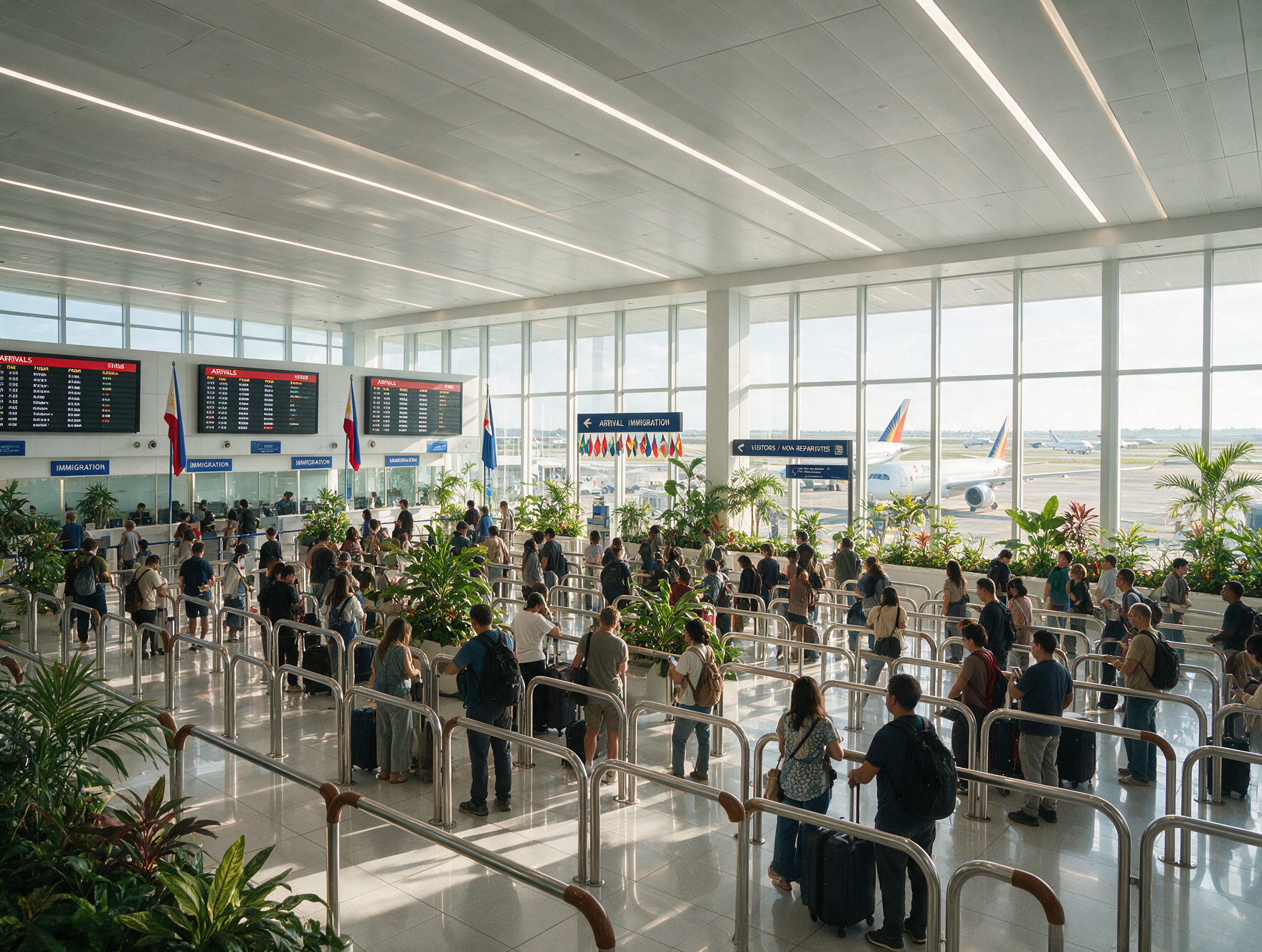
Do Indians need a visa for the Philippines in 2026?
For short tourist trips, no — not anymore. In June 2025, the Philippine Department of Foreign Affairs revised its entry policy for Indian nationals and introduced visa-free tourist entry for up to 14 days, non-extendible and non-convertible. That single change is why Philippines visa for Indians 2026 searches have spiked — most of what people find online still references the old embassy-visa process, which is now the exception rather than the rule for anyone doing a standard Cebu-Boracay-Palawan loop.
“Non-extendible and non-convertible” is doing real work in that sentence, though. It means you can’t walk into a Bureau of Immigration office in Manila on day 10 and ask for more time, and you can’t use this entry to switch into a work or student visa later. If your trip might run past two weeks, plan for that before you fly, not after you land.
Who qualifies for 14-day visa-free entry
You’re eligible if you’re traveling for tourism and can show, at check-in and again at Philippine immigration:
- A passport valid for at least six months beyond your planned stay
- A confirmed hotel or accommodation booking for the dates of your trip
- Proof you can support yourself financially during the trip (a bank statement or card is usually enough — nobody’s asking for a specific number, but immigration officers have discretion, and a printed statement is cheap insurance)
- A confirmed return or onward ticket out of the country
- No derogatory record with the Philippine Bureau of Immigration (relevant mainly if you’ve overstayed on a previous visit)
None of this is unusual by regional standards — it’s roughly what Thailand and Vietnam ask of Indian travelers too — but the Philippines checks it more consistently than some neighbors, especially on travelers entering through smaller airports like Kalibo (for Boracay) or Puerto Princesa (for Palawan), where officers see fewer Indian passports and tend to be thorough.
The 30-day visa-free route
If you already hold a valid, current visa or permanent residence from the US, UK, Canada, Australia, Japan, Singapore, or a Schengen country, you qualify for 30 days visa-free instead of 14 — a detail that matters if you’re combining the Philippines with a longer Southeast Asia swing. You’ll still need the same supporting documents (accommodation, onward ticket, proof of funds). This is one of those facts worth double-checking directly with the Philippine Embassy or your airline before you book non-refundable flights around it, since embassy pages on this have occasionally been inconsistent about whether it’s 30 days flat or 30 with a further extension option.
Documents to carry at check-in and immigration
Pack a physical folder, don’t rely only on your phone — Palawan airports especially can have patchy connectivity at the counter. Carry:
- Passport (6+ months validity from your return date)
- Printed or downloaded return/onward flight ticket
- Hotel booking confirmation for every city on your itinerary, not just the first one
- A recent bank statement or sufficient balance visible on your banking app
- Your eTravel QR code (see below) — some airlines now check for this at check-in, not just immigration
eTravel registration — the step people forget
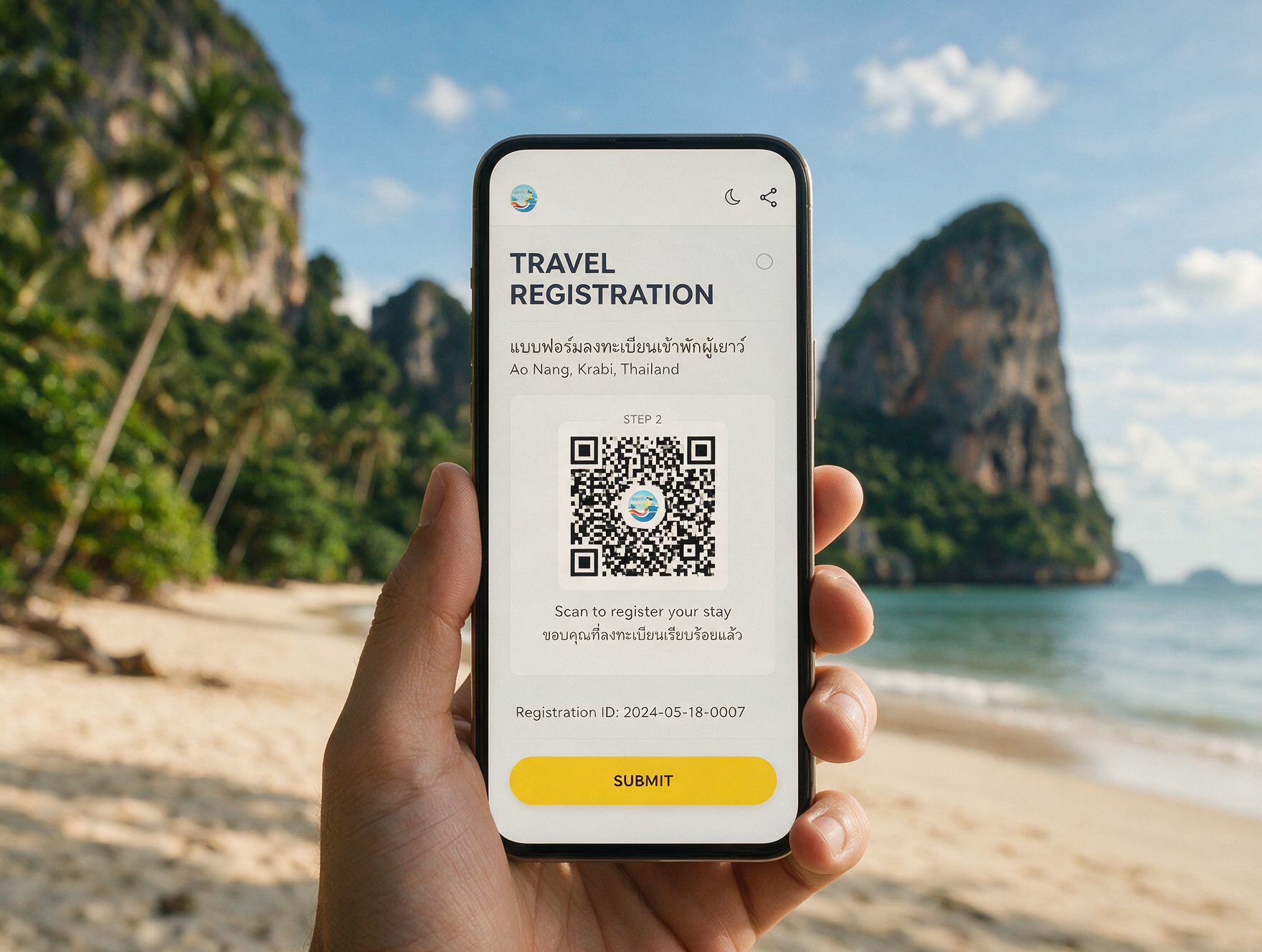
This is the part that trips up the most prepared travelers, because it’s new enough that a lot of pre-2025 blog posts don’t mention it. Every foreign visitor, Indians included, now needs to complete eTravel registration at the official government portal, etravel.gov.ph, within 72 hours of arrival. It’s free, takes about ten minutes, and generates a QR code you’ll show on arrival.
Two honest warnings here. First, there are look-alike paid sites that charge a “processing fee” for something that costs nothing on the real portal — if a site asks for a credit card to register, you’re on the wrong site. Second, do this on decent Wi-Fi before you fly, not from the departure lounge on patchy airport data, because the form occasionally times out and you don’t want to be doing it for the first time at 4am before a 6am flight.
When you actually need a Philippine visa
You’d still need to apply for a visa at the embassy or consulate if you’re:
- Traveling for work, study, or any non-tourism purpose
- Planning a stay longer than 14 days (or 30, if you qualify for the extended route) with no option to leave and re-enter
- Traveling with a minor under 15 without both parents, where additional consent documentation applies regardless of visa-free status
The Philippines does not offer visa-on-arrival or e-visa options for Indian nationals as of this writing — some older pages online still claim otherwise, so don’t plan around an e-visa that doesn’t currently exist for Indian passport holders.
Applying at the embassy — process, fees, timeline
If you do need a visa, you’ll apply in person at the Philippine Embassy in New Delhi or a consulate general in Mumbai, Kolkata, or Chennai — there’s no online application route. You’ll need a filled application form, a cover letter stating your purpose of travel, proof of funds (six months of bank statements or salary slips), confirmed accommodation, your return ticket, and two recent passport photos. Processing typically takes 8 to 10 working days, and fees are paid by demand draft, not cash, so plan that logistics step in advance. Indicative fees run from roughly ₹3,500 for a single-entry three-month visa up to ₹10,500 for a one-year multiple-entry visa, with an express option for a few hundred rupees more if you need it faster — but treat these as a starting estimate and confirm the current fee schedule with the embassy directly, since consular fees change without much notice.
Mistakes that get Indian travelers held back at immigration
The single most common one: a one-way ticket with no onward booking, especially among travelers planning to buy a return flight once they’ve decided how long to stay. Immigration officers in the Philippines are specifically trained to ask about this, and “I’ll book it later” is not an answer that goes well. Book a flexible return fare if your plans are loose — it’s cheaper than the delay, the questioning, and in rare cases, denied boarding at your origin airport in India before you’ve even left.
The second: skipping eTravel because a travel agent or tour group assumed someone else was handling it. Confirm, don’t assume — it’s your name on the QR code, not the group’s.
A third, smaller one: assuming the 14 days includes a buffer. It doesn’t. If you land on the 1st, your stay must end by the 14th, not “roughly two weeks later.” Count your actual travel dates against the calendar before you finalize flights, especially if your return flight has a layover that pushes your actual departure from Philippine soil a day later than your ticket’s departure date suggests.
How this compares to Thailand, Vietnam, and Indonesia
Indian travelers planning a Southeast Asia circuit often ask how the Philippines stacks up against the other visa-free or visa-on-arrival destinations in the region, since several changed their rules for Indians within the same two-year window and it’s easy to lose track of which country offers what. Thailand currently offers Indians visa-free entry for up to 60 days for tourism, the longest of the group. Vietnam’s e-visa system allows up to 90 days but does require an online application and a small fee in advance, unlike the Philippines’ genuinely visa-free 14 days. Indonesia offers visa-on-arrival for a fee, valid 30 days and extendable once. The Philippines’ 14 days is the shortest window of the four, and the only one that’s a true no-visa, no-fee entry rather than a quick-but-paid formality — worth knowing if you’re deciding where to spend the bulk of a longer multi-country trip and where to keep it shorter and tighter.
What happens if you overstay
Overstaying even by a day or two in the Philippines results in fines calculated per day, plus a trip to a Bureau of Immigration office to settle the penalty and get an exit clearance before you’re allowed to leave — a process that can easily eat a full day you hadn’t planned for, sometimes more if the office is busy. Beyond the fine, a documented overstay can complicate future visa-free entries, since “no derogatory record with the Bureau of Immigration” is one of the eligibility conditions for the 14-day privilege in the first place. None of this is worth risking over a loosely planned extra beach day — if there’s any real chance you’ll want more time, sort it out with a proper tourist visa before you fly rather than hoping to negotiate it locally.
Travel insurance — not required, but worth the conversation
The Philippines doesn’t make travel insurance a condition of visa-free entry, unlike a small number of other countries that have started requiring proof of medical coverage. That said, given how much of a typical Philippines itinerary runs through inter-island flights, open-water boat transfers, and relatively remote islands with limited hospital infrastructure, it’s worth a specific conversation with your insurer about whether your policy covers water-based activities and medical evacuation from a smaller island to Manila or Cebu, where the better-equipped hospitals are. A standard international travel policy usually covers the basics; it’s the water-sports and remote-evacuation riders that are easy to miss until you need them.
FAQs
Is the Philippines visa-free for Indians in 2026?
Yes, for tourism, up to 14 days, provided you meet the documentation requirements above. This has been in effect since June 2025 and remains the current policy as of 2026.
Do I need to pay for eTravel registration?
No. It’s free at the official portal, etravel.gov.ph. Any site charging a fee for basic registration is not the official one.
Can I extend my 14-day visa-free stay if I want to stay longer?
No — the 14-day entry is explicitly non-extendible. If you think you might want more time, apply for a tourist visa at the embassy before you travel instead of hoping to extend locally.
What if I’m traveling with my family, including young children?
The same visa-free terms apply, but minors under 15 traveling without one or both parents need additional consent documentation — check current requirements with the embassy if this applies to your trip.
Is travel insurance mandatory for the Philippines?
It’s not a visa requirement, but given this is an island-hopping destination with inter-island flights and boat transfers, it’s worth having regardless — it’s the kind of thing that matters once, and matters a lot.
Which Indian cities have jurisdiction for Philippine visa applications?
The Philippine Embassy in New Delhi and consulates general in Mumbai, Kolkata, and Chennai cover visa applications, with jurisdiction generally following the applicant’s state of residence. Check the embassy’s current jurisdiction map before assuming your nearest metro handles your case, since this detail only matters for the small minority of travelers who do need to apply for an actual visa.
Can I combine the Philippines with another Southeast Asian country on one trip under these visa-free rules?
Yes — the 14-day Philippines entry doesn’t restrict onward or prior travel to other countries. Just make sure your overall routing still satisfies the “confirmed onward ticket out of the Philippines” requirement specifically, not just an eventual return to India.
Does the visa-free policy apply to all Philippine airports and ports of entry?
Yes, it applies at all official ports of entry, including Manila, Cebu, Clark, Kalibo, and Puerto Princesa. The documentation checks tend to be more thorough at smaller airports simply because officers there process fewer Indian passports and are less used to the profile.
A Mistake to Avoid
Don’t build your itinerary assuming you can “figure out the visa stuff on the way.” The visa-free policy removes the embassy visit for most travelers, but it adds the eTravel step and tightens what immigration checks for at the counter. Do the documentation in the week before you fly, not in the taxi to the airport.
Planning a Philippines trip and want someone to handle the logistics — flights, inter-island transfers, hotel bookings that satisfy the visa-free documentation requirement — while you focus on the itinerary? Get Tripped puts together custom Philippines itineraries for Indian travelers, from a Cebu-Boracay-Palawan loop to a slower single-region trip, and can help you get the paperwork right the first time. Book your Philippines holiday with Get Tripped or get in touch for a custom quote.