Most “best time to visit Korea” content treats every year the same: go in autumn, see the leaves, done. This year there’s an actual reason to move faster than usual — South Korea’s Ministry of Justice extended its group tourist visa fee waiver for Indian travelers through December 31, 2026, and it happens to land right in the same window as one of the best foliage seasons Seoraksan gets. That’s not a coincidence anyone’s writing about yet, and it’s worth planning around.
What Actually Changed
South Korea’s Justice Ministry extended its visa application fee waiver for group tourists from six countries — India, China, Vietnam, Indonesia, the Philippines, and Cambodia — through December 31, 2026. This waiver was originally due to expire mid-year; the extension to year-end is the update most Indian travelers haven’t caught up on. It removes the KRW 18,000 (roughly ₹1,150) visa application fee for travelers on a confirmed group booking through an approved travel agency. It’s not a huge number on its own, but it’s a genuine, current incentive tied to booking a curated group trip rather than going it alone — and it signals Korea is actively courting Indian tourism right now, which tends to come with smoother processing on the ground too.
The Visa Situation for Indian Travelers (Read Carefully)
Here’s the detail that trips people up: South Korea has a separate K-ETA (electronic travel authorization) exemption that’s been extended for dozens of countries through 2026 — and India is not on that list. If you’ve seen headlines about Korea’s “K-ETA exemption extended,” that’s not about India; it applies to roughly 67 countries that already have visa-free access, and Indian passport holders aren’t among them.
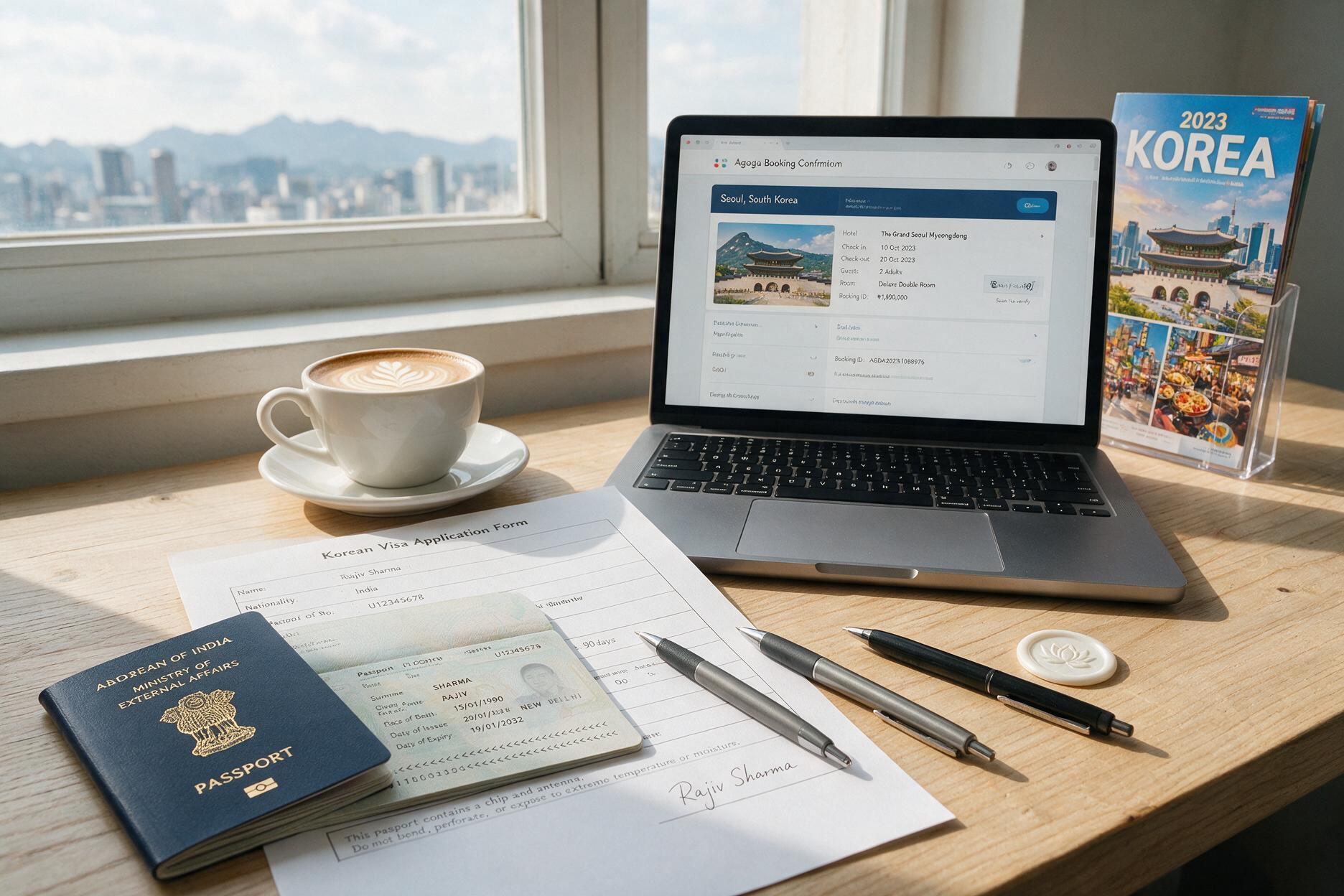
What this means practically: Indian travelers still need a proper South Korean visa (the C-3 short-term tourist visa), applied for through a Korean consulate or visa application centre, regardless of the K-ETA news you might come across. The fee waiver covered above only removes the application fee for group tourists — it doesn’t remove the visa requirement itself, and it doesn’t apply if you’re traveling independently rather than on a group booking. Worth getting this straight before you plan, since the two policies get conflated constantly in generic coverage.
When to Go: The Foliage Math
Seoraksan is Korea’s earliest and most dramatic foliage spot, with the first real color typically showing in the first week of October and building toward a peak most sources place around October 10–20. Because Korea’s foliage rolls south over roughly six weeks from the northern mountains down, timing a trip around Seoraksan specifically — rather than a generic “October in Korea” plan — means booking earlier than someone chasing Seoul’s city-park foliage, which peaks later in the month.
If you’re reading this in August, you’re in the exact window to lock in flights and hotel rooms before the mid-October dates get tight — Seoraksan’s peak weekend draws crowds from across the country, not just international visitors, and nearby Sokcho’s hotel inventory is limited enough that waiting until September to book means settling for whatever’s left.
How Many Days, and Where
Ten to twelve days lets you do this properly: four or five days in Seoul, a couple of days out to Nami Island (also excellent in late October, if your dates stretch that far), and three or four days based in Sokcho for Seoraksan itself. If you’re tighter on time, a week works — cut Nami Island and spend an extra day in Seoul instead, or vice versa if the foliage is the actual priority.
Sokcho is the right base for Seoraksan over trying to day-trip it from Seoul — it’s close enough to the park entrance to get an early start before the tour buses arrive, and it’s a proper small coastal city in its own right, not just a park gateway.
Getting There and Getting Around
Air India flies direct from Delhi to Incheon, roughly seven hours, with round-trip fares typically starting around ₹38,000–52,000 depending on season — September tends to be the cheaper month to book relative to peak autumn dates, so there’s a real cost incentive to lock in fares before demand for the foliage season ramps up. There’s no direct Mumbai–Seoul route currently, so travelers from Mumbai are looking at a one-stop connection, generally adding several hours either way.
Inside Korea, the KTX high-speed rail and a strong intercity bus network make getting to Sokcho from Seoul straightforward without a rental car — figure a little over two hours by direct bus or a combination of KTX plus a shorter bus leg, depending on the exact route on the day.
Where to Stay
Seoul has strong mid-range-to-luxury options across Myeongdong (central, walkable, good for a first stay), Hongdae (younger, more nightlife-driven), and Gangnam (more polished, better for travelers who want a quieter, more upscale base). In Sokcho, stick close to the Seoraksan park entrance or the Sokcho Beach area — both put you within easy reach of the park’s early cable car queue and a decent range of seafood restaurants for the evenings.
Money and Getting Online
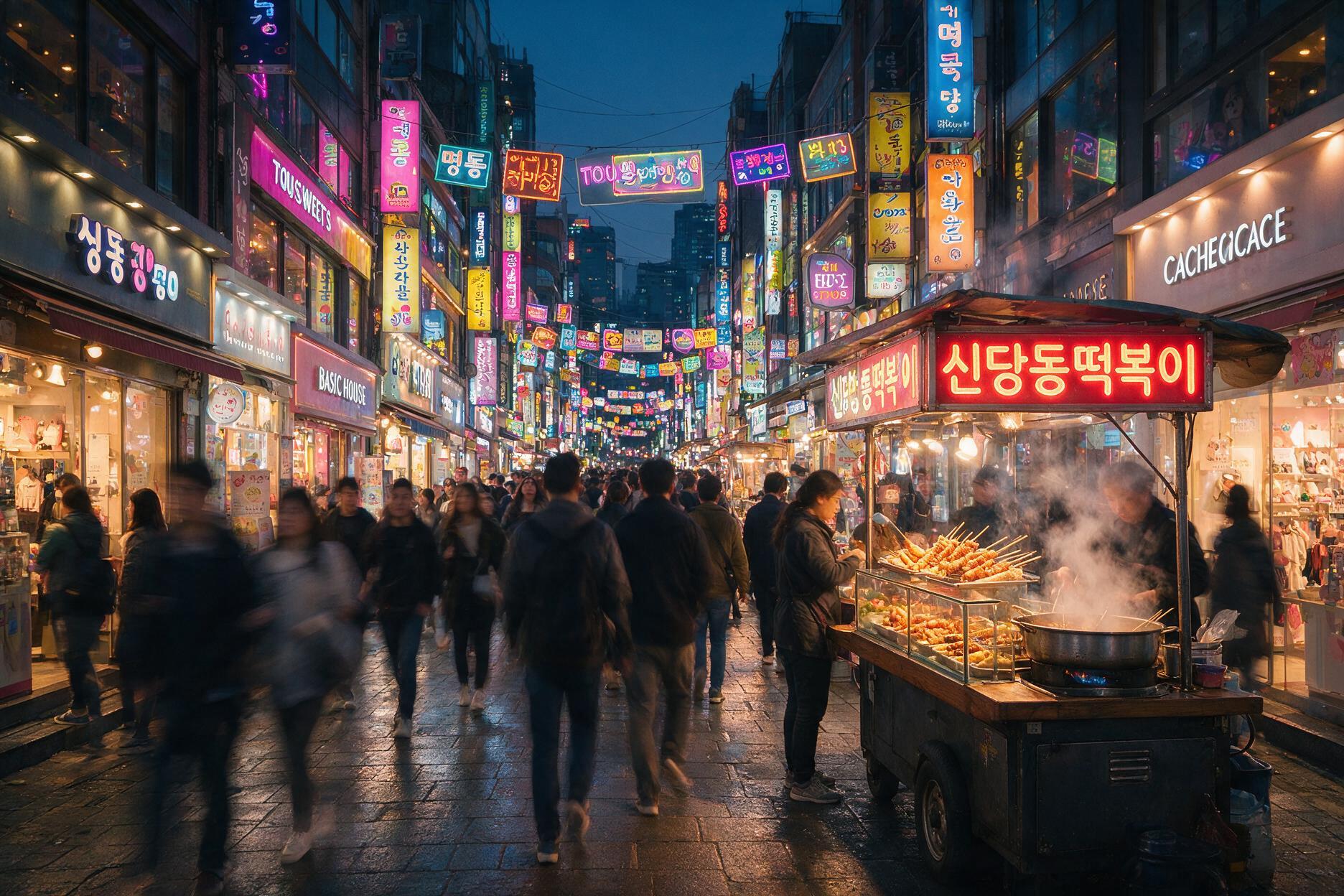
Cards are widely accepted across Seoul, but Korea still runs a lot of daily transit and small purchases through the T-money card system, which foreigners can buy at any convenience store or subway station. The catch: topping it up with a foreign credit card isn’t always straightforward, since mobile top-ups generally require a Korean bank card. WOWPASS has become the more foreigner-friendly alternative — it combines a T-money-style transit card with a cashless payment card and lets you exchange currency directly through the app, which is a genuinely easier setup than juggling cash top-ups at a subway kiosk.
Get a local SIM or eSIM at Incheon airport arrivals — it’s a quick, well-signposted process, and cellular coverage across both Seoul and the Seoraksan area is reliably strong.
Food Worth Building a Day Around
Seoul’s obvious hits — Korean BBQ, street tteokbokki, a proper bowl of naengmyeon on a hot day — are worth doing, but the meal worth planning a full evening around in Sokcho is fresh seafood pulled straight from the East Sea; the harborside restaurants there do a version of grilled fish and raw seafood that’s a genuine step above what you’ll find in landlocked Seoul. A local tip: skip the restaurants directly facing the beach promenade, which price for the view, and walk one block back — same seafood, better price, and it’s where you’ll actually see locals eating.
A Few Honest Warnings
The mistake to actually watch for: booking your trip assuming India’s on the K-ETA exemption list, then discovering at the airport check-in counter (or worse) that you needed a full visa application weeks earlier. Sort the visa first, then build the itinerary around it — not the other way around.
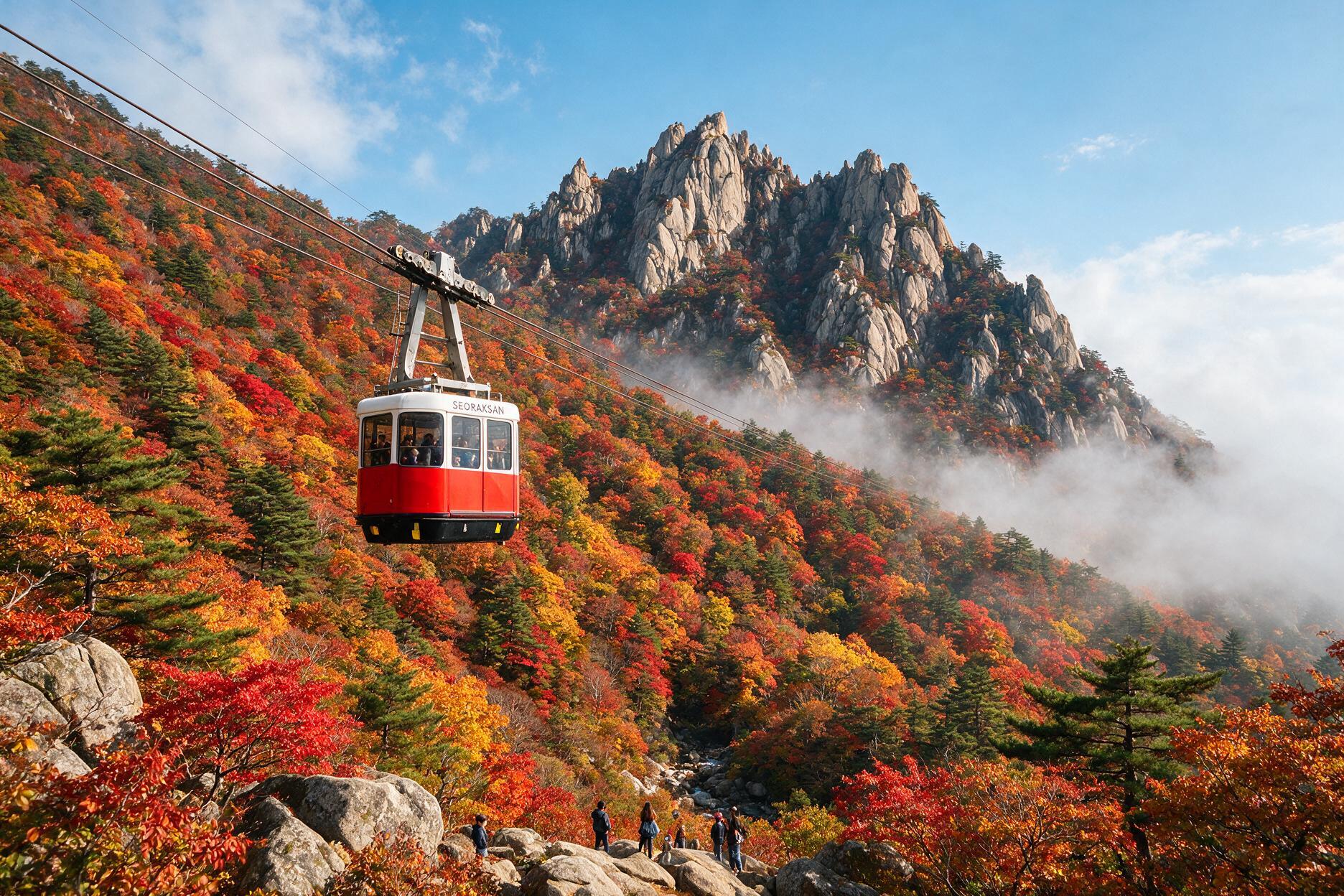
On Seoraksan itself: the cable car up to Gwongeumseong Fortress gets genuinely crowded during peak foliage weekends, with wait times that can eat a couple of hours out of your day. Arrive at opening time if the view from the top matters to you, or plan to hike a section instead and treat the cable car as a bonus rather than the main event.
Costs
A mid-range 10-12 day Korea trip covering flights, hotels, KTX/bus travel, food, and entry fees typically lands in a comfortable premium bracket rather than budget territory — Seoul city prices are on par with other major Asian capitals, and Sokcho runs a bit cheaper than Seoul for both food and accommodation. The visa fee waiver is a small but real saving on top of that if you’re booking as part of a group tour.
Culture, Etiquette, and a Fun Fact Worth Knowing
A few small things that make the trip smoother: pouring your own drink at a meal is considered slightly impolite in more traditional settings — top up the glass of the person next to you, and let them do the same for you. Shoes come off at the door in traditional guesthouses (hanok stays) and most Korean-style restaurants with floor seating, so factor that into what you wear on hiking days. Tipping isn’t part of Korean restaurant or taxi culture at all, and trying to leave one can genuinely confuse the staff rather than delight them.
The fun fact worth knowing before you go: Seoraksan National Park’s name translates roughly to “snow-covered crags mountain,” and the park is home to over 2,300 species of plants and animals, including the Asiatic black bear, which is why parts of the park’s more remote trails have wildlife advisories posted during certain seasons. It’s a genuinely wild park, not a landscaped garden dressed up for photos.
Who This Trip Suits
For couples, a Seoraksan-timed autumn trip works especially well as a quieter counterpart to Seoul’s more frantic pace — a couple of days hiking and a slow dinner over harbor seafood in Sokcho reads very differently from a K-pop-and-shopping itinerary, and it’s worth building at least one full unstructured day into the Sokcho leg rather than packing every hour.
For families, the cable car up to Gwongeumseong Fortress is a genuinely manageable outing even with kids who aren’t up for a full mountain hike, and Nami Island’s flat, bike-friendly paths are an easier full day than Seoraksan’s steeper trails. Just budget extra buffer time around the cable car queue during peak foliage weekends, since a restless wait is a different experience with children than without.
For travelers who’ve done Seoul before and want a second trip that isn’t a repeat, this is the version worth booking — the visa fee waiver and the foliage timing both reward going now rather than defaulting to another generic Seoul-only itinerary.
FAQs
Do Indians still need a visa for South Korea in 2026? Yes. India is not on Korea’s K-ETA exemption list, so Indian travelers need a full C-3 tourist visa through a Korean consulate or visa centre, regardless of any K-ETA exemption headlines you might see (those apply to other countries).
What is the group visa fee waiver, exactly? It removes the KRW 18,000 (about ₹1,150) visa application fee for Indian travelers on a confirmed group booking through an approved travel agency, extended through December 31, 2026. It waives the fee, not the visa requirement itself.
When is peak foliage at Seoraksan in 2026? Color typically starts in the first week of October, with peak generally falling around October 10–20 — earlier than Seoul’s city parks, since Seoraksan is one of the first places in Korea to turn.
Should I stay in Seoul or Sokcho for Seoraksan? Sokcho, if Seoraksan is a real priority. Day-tripping from Seoul is possible but eats most of a day in transit; basing in Sokcho gets you an early park entry before the crowds.
Are direct flights available from India to Seoul? Yes, from Delhi via Air India, around seven hours. There’s no current direct route from Mumbai, so travelers from there should plan for a one-stop connection.
Is South Korea expensive for Indian travelers? It’s a mid-to-premium destination on par with other major Asian capitals for Seoul specifically; Sokcho and the Seoraksan area run somewhat cheaper for food and stays.
Final Word
The visa fee waiver by itself is a small saving. What makes this actually worth writing about is the timing — it’s live through the exact window when Seoraksan puts on its best show of the year, and most of the “Korea autumn guide” content out there isn’t connecting those two facts. If you’re planning an autumn Korea trip, the practical move is booking the visa and Sokcho accommodation now, well ahead of the mid-October crunch, not waiting until the leaves actually start turning.
If you’d rather have someone handle the visa paperwork, the group booking, and a Seoraksan-timed itinerary end to end, that’s exactly the kind of trip Get Tripped puts together. Get in touch and we’ll build the right dates around this year’s foliage window.