The Philippines really only has two seasons that matter for packing — dry (roughly November to April) and wet (May to October) — but what you actually need shifts more than that two-way split suggests, especially once you factor in that a Cebu-Palawan-Boracay trip means island-hopping boats, not just beach lounging. This is a season-by-season, practically-minded packing guide, not a generic “bring sunscreen and a swimsuit” list.
Table of Contents
- Dry season (November-April): what to pack
- Wet season (May-October): what to pack
- What every island-hopping day needs, regardless of season
- Clothing notes beyond the beach
- Electronics and documents
- What you genuinely don’t need
- Choosing the right luggage for this trip
- The quick checklist
- FAQs
Dry season (November-April): what to pack
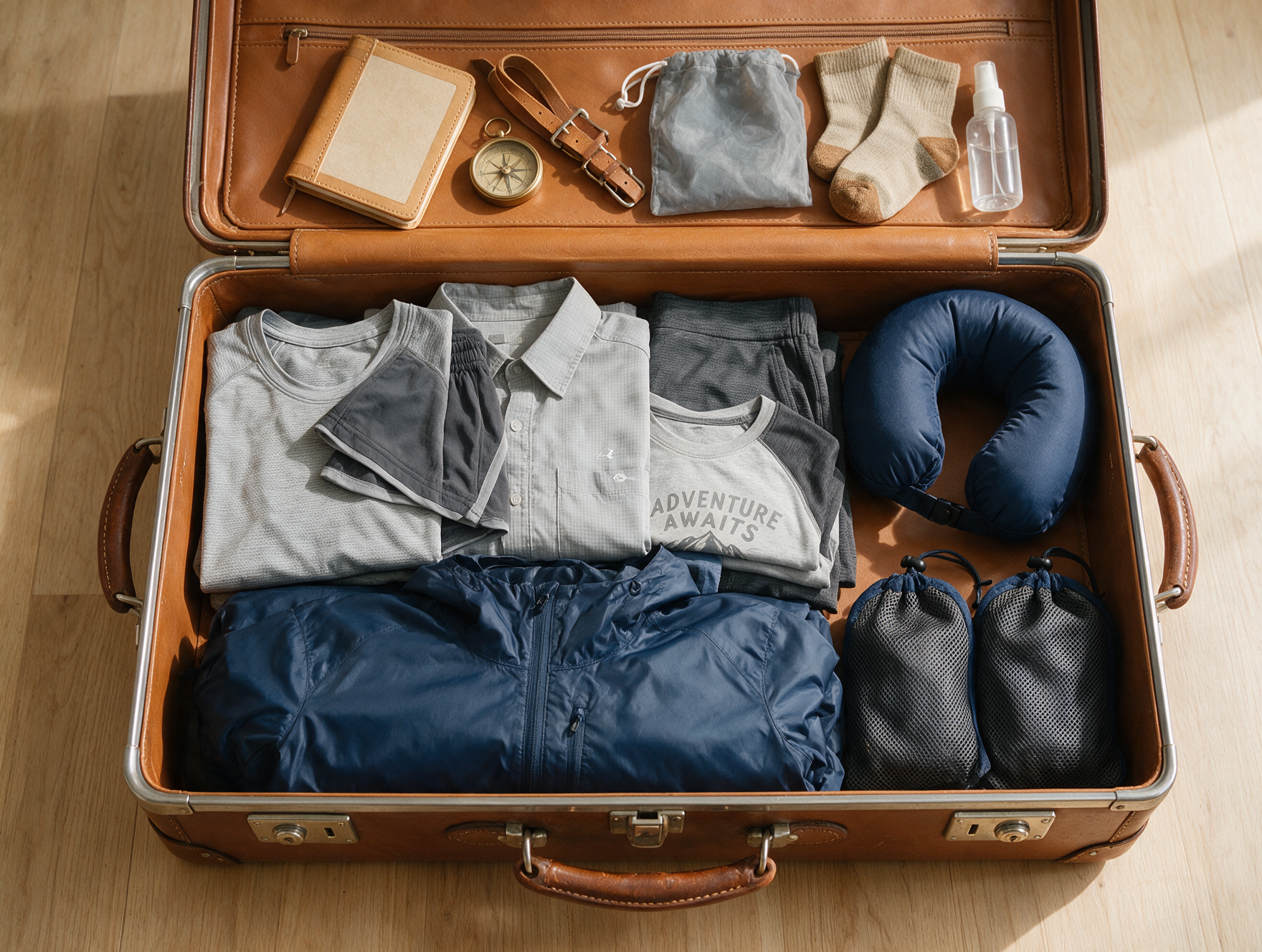
This is peak travel season, and the packing list reflects a trip where you’ll be outdoors most of the day. January and February are the most reliably pleasant months, with less intense heat than the April-May peak. Pack light, breathable fabrics — linen and technical travel fabrics both work, cotton less so once you’re sweating through a third island tour in a week. Bring more sun protection than you think you need: reef-safe sunscreen (genuinely enforced at some El Nido and Coron tour operators now, not just a suggestion), a wide-brim hat that won’t blow off on a boat, and sunglasses with a strap for the same reason. A light long-sleeve layer is worth packing even in peak dry season — boat rides expose you to sun for hours at a stretch, and sleeves beat reapplying sunscreen every ninety minutes.
Wet season (May-October): what to pack
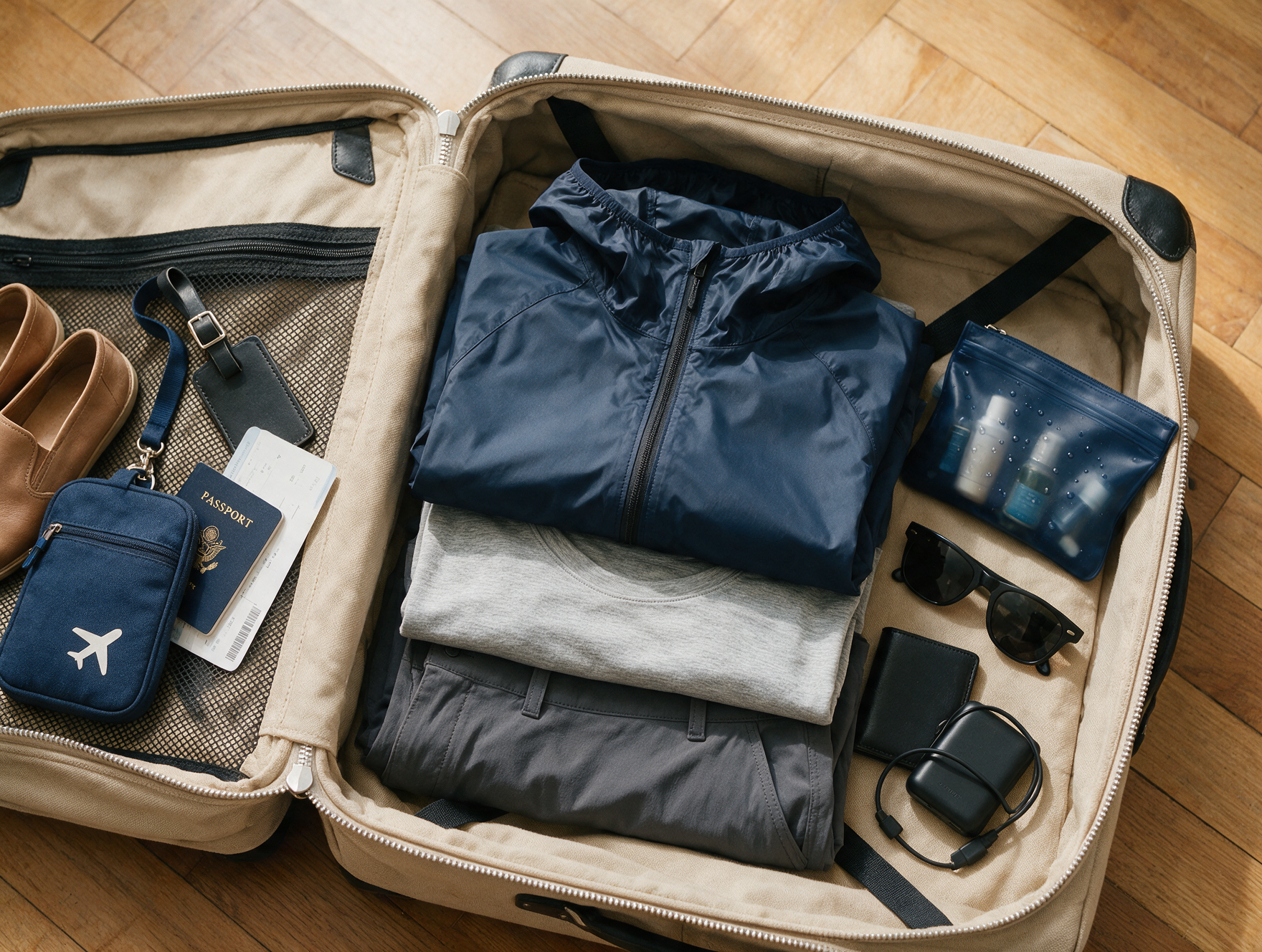
Don’t write off a wet-season trip — rain in the Philippines tends to come in bursts rather than as an all-day washout, except during an actual typhoon, and typhoon risk is genuinely concentrated in July through September, with southern islands like Davao seeing less impact than northern or central ones. A packable rain jacket (not an umbrella — wind makes umbrellas useless on a boat or a tricycle) is the single most useful wet-season item. Quick-dry clothing matters more here than in dry season, since humidity means slow-drying fabrics stay damp in your bag for days. Pack a dry bag — a genuinely cheap, light item that protects your phone and passport on boat transfers, which is also useful in dry season but becomes closer to essential when a sudden downpour catches a tour boat mid-crossing.
What every island-hopping day needs, regardless of season
- A dry bag or at minimum a ziplock for phone and cash
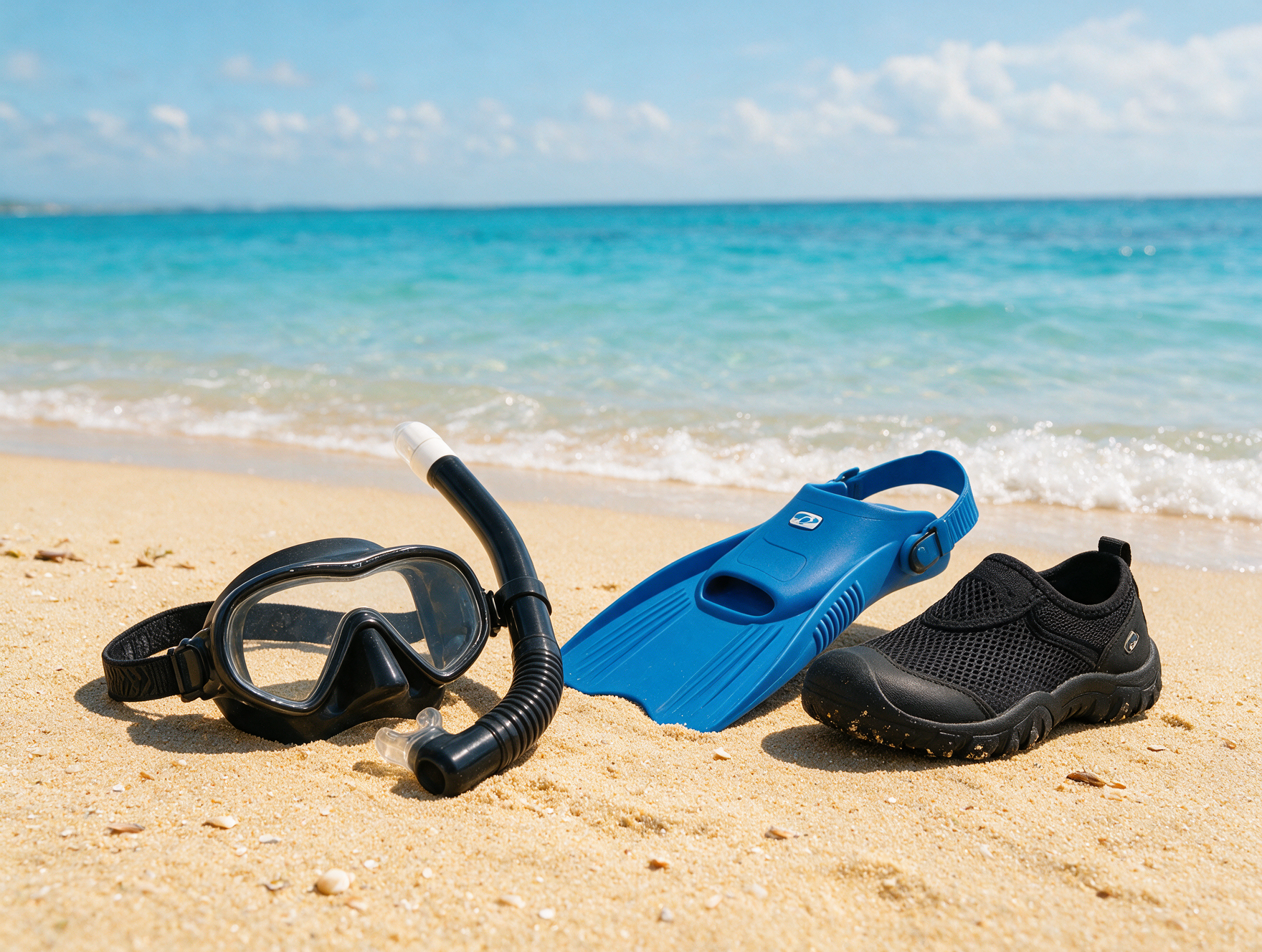
- Reef shoes or sturdy sandals — a lot of lagoon and beach entry points in El Nido and Coron are over coral or rock, not sand
- A rash guard or light swim cover if you’re prone to sunburn — hours of boat-based sun exposure adds up faster than beach lounging does
- Motion sickness tablets if you’re at all prone to it, especially for the El Nido-Coron crossing, which runs a few hours in open water
- A printed or offline-saved copy of your tour bookings — signal drops for long stretches on boats in Bacuit Bay and Coron Bay
Clothing notes beyond the beach
Cebu’s Basilica and a few other religious sites expect modest dress — shoulders and knees covered — so pack at least one lightweight cover-up or longer layer even on a beach-heavy trip, rather than assuming everywhere is beachwear-appropriate. For evenings in Cebu City or Davao, a slightly smarter casual outfit is useful if you’re doing a nicer dinner; neither city is particularly dressy, but a sundress or collared shirt beats arriving in salt-crusted beach clothes.
Electronics and documents
The Philippines uses the same Type A/B plugs as much of Southeast Asia (same as what a lot of Indian travelers already carry an adapter for, but double-check your specific device). Pack a portable power bank — tour days run long, and boats and remote beaches don’t have charging access. Set up your eSIM before you fly (see our visa guide for the eTravel registration details), and keep physical printouts of your hotel bookings and return flight, since that’s part of the documentation immigration checks for visa-free entry, not just a convenience.
What you genuinely don’t need
A full wetsuit, unless you’re doing serious dive trips beyond a few snorkel stops — water temperatures stay warm enough year-round that a rash guard is usually enough. Heavy hiking boots, unless Davao’s Mount Apo trails are specifically on your itinerary — most of this trip is beach and boat terrain, not mountain trekking. And despite what some generic packing lists suggest, you don’t need to overpack insect repellent as a top priority item for the coastal stops on this list; it’s more relevant inland and in Davao’s green spaces than on El Nido’s or Coron’s beaches.
Choosing the right luggage for this trip
If your route includes smaller regional flights to El Nido or Coron, a soft-sided duffel or a compact wheeled bag works better than a large hard-shell suitcase — baggage allowances on these smaller aircraft run lower than on major jet routes, sometimes as little as 10-15kg in economy, and a soft bag is easier to squeeze into tighter overhead or hold storage. A separate small daypack is worth packing too, for carrying just the boat-day essentials (dry bag, reef shoes, sunscreen, a change of clothes) without hauling your entire suitcase to a tour pickup point each morning.
The quick checklist
Documents and money: passport with 6+ months validity, printed hotel bookings and return ticket, eTravel QR code, pesos in cash, a card for city hotels and restaurants. Sun and water: reef-safe sunscreen, wide-brim hat, sunglasses with a strap, rash guard, reef shoes, dry bag. Clothing: breathable daywear, one modest cover-up for religious sites, a packable rain jacket, quick-dry underlayers, one slightly smarter outfit for a city dinner. Health and comfort: a basic first-aid kit, motion sickness tablets, any personal medication in original packaging, a portable power bank. None of this needs to be expensive gear — most of it is genuinely inexpensive, and the dry bag and reef shoes in particular are the two items most worth not skipping.
Toiletries and health essentials worth packing from home
Bring any specific medication you take regularly in its original packaging with a copy of the prescription, since pharmacy availability for a specific brand or formulation can be inconsistent outside major cities like Cebu and Davao. Basic rehydration salts are worth packing given how much time you’ll spend in heat and on the water — easy to find in India, less reliably so in smaller island towns. A simple first-aid kit with blister plasters, antiseptic, and motion sickness tablets covers most of what actually comes up on a trip like this. If you wear contact lenses, pack more solution than you think you need and consider switching to glasses for the boat-heavy days, since salt spray and lens care don’t mix well on a moving outrigger.
A packing note specific to Davao
If Mount Apo’s trails or any inland green-space visits are on your Davao itinerary, add light long trousers and proper closed shoes to the list — unlike the beach- and boat-heavy stops elsewhere on a typical Philippines trip, this is the one place where insect repellent actually earns its spot near the top of your bag, and ordinary beach sandals won’t hold up on the trail sections even for a short visit.
Laundry, and packing lighter than you think you need to
Most mid-range and upscale hotels across Cebu, Boracay, El Nido, and Coron offer same-day or next-day laundry at a reasonable price, which changes the packing math more than most generic lists account for — you genuinely don’t need ten days of fresh clothes for an eight-day trip. Pack for roughly four to five days of rotation and plan one laundry drop mid-trip, which also lightens what you’re carrying between flights, boats, and tricycles. This matters more on this specific itinerary than on a single-hotel beach trip, since every kilogram in your bag gets physically moved more times across a multi-stop Philippines route than it would on a trip where you unpack once and stay put.
What’s easy to buy there instead of packing
Sunscreen, bug spray, and basic toiletries are all easily available in Cebu City and Davao’s pharmacies and convenience stores, so there’s no need to over-pack these from home just in case — restock there if you run low rather than carrying excess from the start. Beachwear and light clothing are also cheap and widely sold in Boracay and El Nido specifically, which cater heavily to tourists who’ve underpacked or want a souvenir piece — useful to know if your bag is tight on space and you’re willing to buy one or two items locally rather than carrying them the whole way from India.
The overall approach that works best for this kind of multi-stop, multi-season-adjacent trip: pack a tight core of genuinely useful items, lean on hotel laundry mid-trip, and treat anything you forgot as a five-minute errand rather than a crisis — nearly everything on this list is replaceable somewhere between Cebu’s malls and El Nido’s or Coron’s small tourist-facing shops.
FAQs
What’s the best time of year to visit the Philippines?
November through April, the dry season, is most reliable, with January and February often cited as the most comfortable combination of weather and fewer peak-season crowds compared to March-April.
Do I need a wetsuit for island-hopping tours?
No, not for standard snorkeling-level tours — a rash guard and reef shoes cover most needs. A wetsuit matters only for dedicated diving beyond casual snorkel stops.
Is reef-safe sunscreen actually required?
Not legally enforced everywhere yet, but a growing number of El Nido and Coron tour operators are checking for it, and regular sunscreen genuinely damages the coral reefs these tours are built around visiting — pack reef-safe regardless of whether it’s checked.
A Mistake to Avoid
Don’t pack your phone, cash, and passport in a regular bag for boat-hopping days. A sudden wave or rain shower on an open boat is common enough that a ten-dollar dry bag is one of the best-value items on this entire list — far cheaper than a replaced phone or an emergency passport reissue.
Once your bags are packed, let Get Tripped handle the logistics — flights, inter-island transfers, and hotels suited to whichever season you’re traveling in. Build your custom Philippines itinerary with Get Tripped.