Here’s the honest version of this guide: Filipino food is built around meat and seafood, often including fish sauce or shrimp paste in dishes that look purely vegetable-based on a menu. That’s not a reason to avoid the Philippines as a vegetarian or vegan traveler — it’s a reason to know in advance where to go, because the places that do cater to plant-based eating here tend to do it very well, not as an afterthought.
This runs through all six stops Indian travelers typically build a Philippines trip around — Cebu, Boracay, Davao, Palawan (Puerto Princesa), El Nido, and Coron — with one or two specific restaurant names per city, not a generic “most places can accommodate you” non-answer.
Table of Contents
- Cebu
- Boracay
- Davao
- Palawan (Puerto Princesa)
- El Nido
- Coron
- General tips for eating vegetarian/vegan in the Philippines
- Why the gap exists, and why it’s closing
- What to expect at resorts versus independent restaurants
- FAQs
Cebu
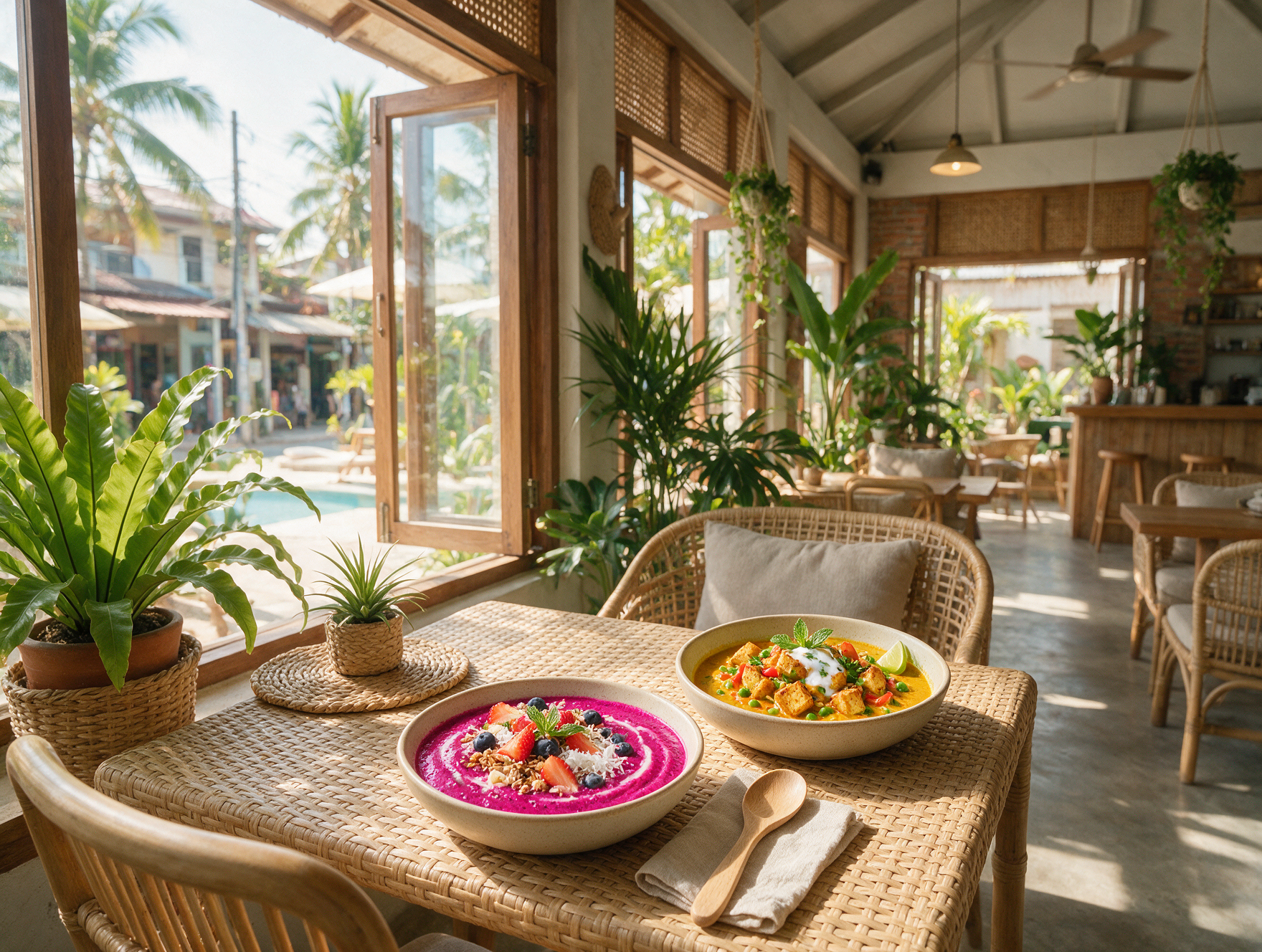
Toniq Vegetarian Restaurant is the reliable sit-down option in the city, running a full vegetarian menu rather than a few token dishes bolted onto a meat-heavy one. Green Canteen in Cebu City is a good lower-key option for a quick plant-based lunch between heritage-site visits. Neither is hard to find by rideshare, and both are worth booking ahead for larger groups, since they’re smaller spaces than the lechon houses everyone else in Cebu is eating at.
Boracay
Nonie’s is the name that consistently comes up for vegetarian and vegan travelers on the island, serving plant-based versions of Filipino and international dishes rather than treating vegetarian as an undersized side menu. Beyond Nonie’s, Boracay’s resort restaurants are generally accommodating if you ask in advance — it’s a well-touristed island with enough dietary-request volume that kitchens are used to it, even where it’s not advertised on the menu.
Davao
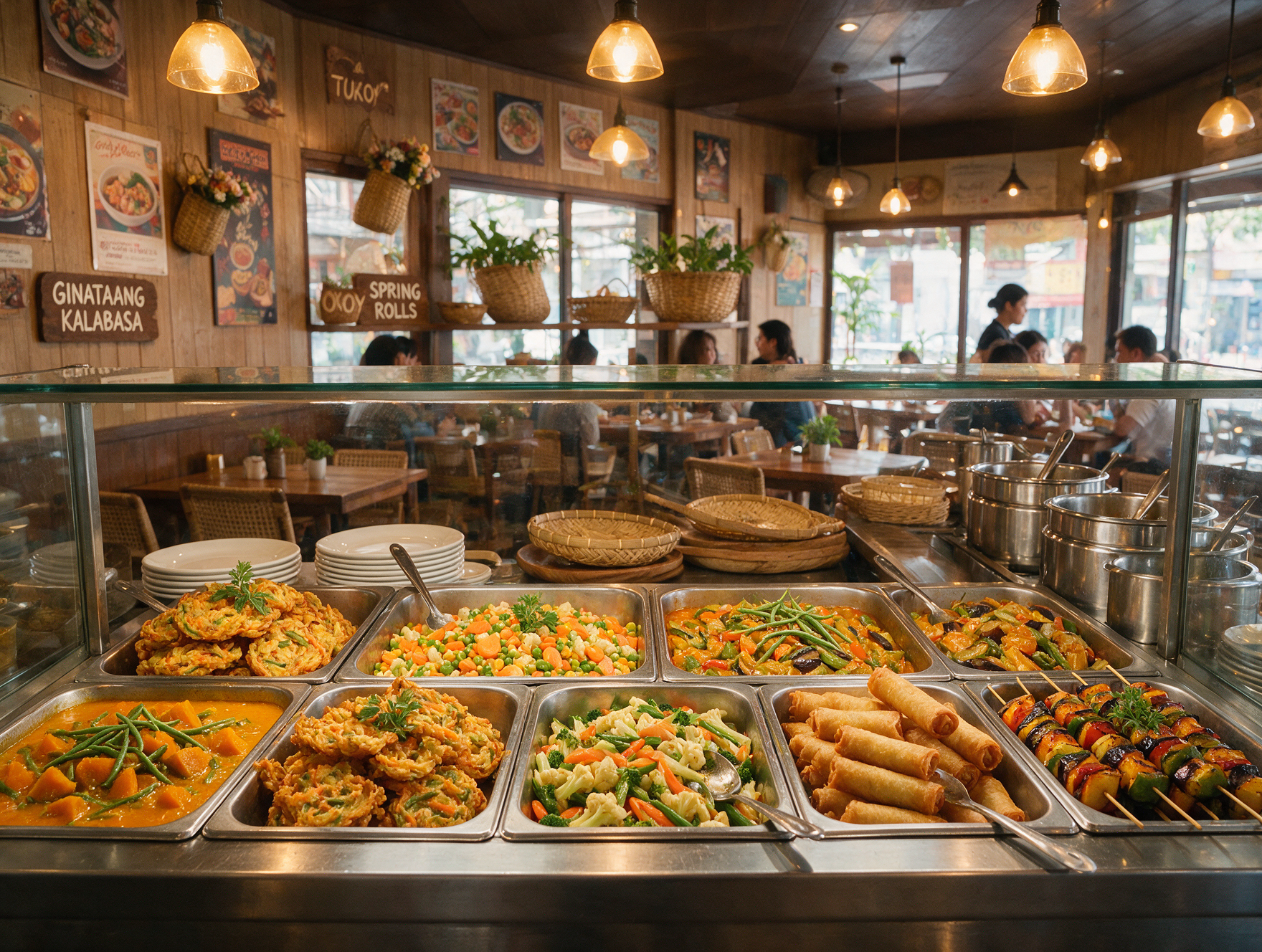
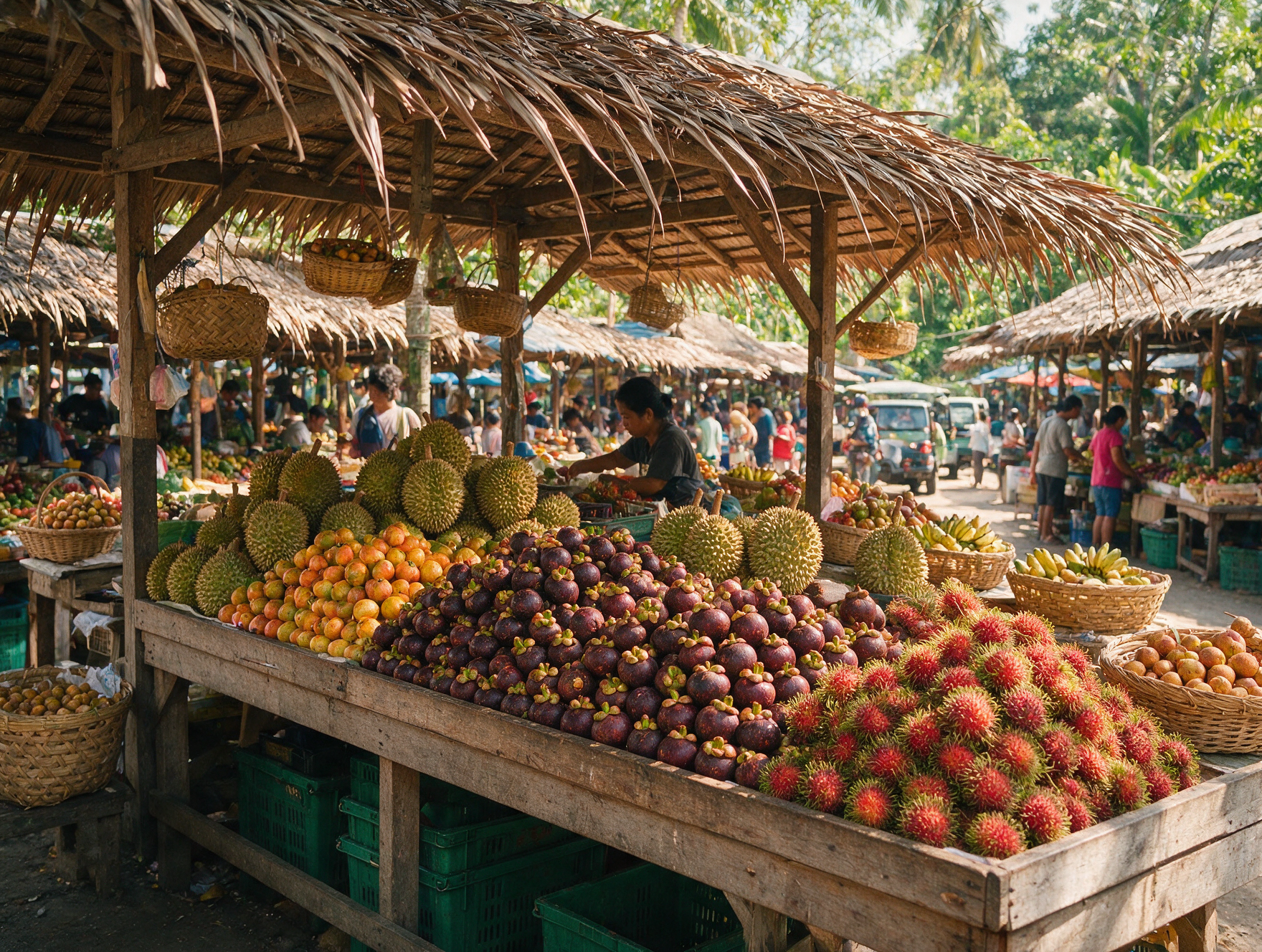
Golden Vegetarian Karinderya runs a Filipino-style turo-turo (point-and-eat) format but entirely vegetarian, which is a genuinely useful format here — you see the dishes before you order, so there’s no guessing about hidden fish sauce. Clean Cafe is the better pick if you want a more conventional café setting with health-forward, plant-based options. Davao’s fruit stands (see our food trail guide) are also a reliable, entirely plant-based option by default — mangosteen, marang, and rambutan need no special request.
Palawan (Puerto Princesa)
Namaskar Vegetarian and Ima’s Vegetarian are both established options in Puerto Princesa, reflecting the city’s long-standing Indian and South Asian community — which also means these are genuinely good options if you’re missing home-style food rather than purely a dietary-restriction workaround. The Vegan Cafe PH rounds out the options with a more international, café-style plant-based menu.
El Nido
El Nido has, by a wide margin, the best plant-based food scene of any stop on this list, driven by steady long-stay traveler demand. Ver De El Nido is the standout — genuinely creative plant-based dishes including a bang bang tofu and a large dan dan noodle bowl worth the wait. Taste El Nido is the better pick for breakfast, running smoothie bowls, dips, and flatbreads. PLNT+HRVST does a Filipino-leaning plant-based menu (vegetable egg rolls, Buddha bowls) if you want local flavors without the usual meat base, and Bella Vita is a solid vegetarian-friendly Italian option with genuinely good sunset views over the bay, if you want a change from Filipino and plant-based-café food for one night.
Coron
Coron’s scene is smaller but real: Le Voyage and Verde Rekado both carry vegetarian and vegan options alongside their main seafood-forward menus, and Da Puno runs a fully vegan menu with a notable masala curry — another nod to South Asian demand on the island-hopping circuit. Confirm current hours directly before you go; Coron’s smaller food scene changes faster than Cebu’s or El Nido’s, and a restaurant that was open on a 2024 blog post isn’t guaranteed to still be running in exactly the same spot in 2026.
General tips for eating vegetarian or vegan in the Philippines
- Say “walang patis, walang bagoong, walang toyo na may hipon” if you need to rule out fish sauce, shrimp paste, and shrimp-based soy sauce specifically — a plain “no meat” request doesn’t always catch these, since many Filipino cooks don’t categorize them as “meat”
- Adobo, sinigang, and most noodle dishes (pancit) typically have a meat or seafood stock base even when the visible ingredients look vegetable-forward — ask specifically rather than assuming from the dish name
- Fresh tropical fruit is abundant, cheap, and always a safe default — mango, pineapple, papaya, and (if you’re adventurous) durian or mangosteen depending on the region and season
- HappyCow’s app is genuinely useful here and reasonably well-maintained for the Philippines specifically, more so than for some other Southeast Asian countries
- Tofu (tokwa) is widely available and often used in genuinely good vegetarian versions of sisig and other normally meat-based dishes at the dedicated vegetarian restaurants listed above — worth asking for even where it’s not on the printed menu
- Breakfast is usually the easiest meal to make plant-based anywhere in the country — fresh fruit, rice, and simple egg dishes (if you eat eggs) are near-universal, even at places with no formal vegetarian menu
Why the gap exists, and why it’s closing
Filipino cooking’s reliance on fish sauce, shrimp paste, and pork fat traces back to a food culture shaped by an archipelago with easy access to seafood and a strong Spanish colonial influence on meat-centered cooking — it’s a deeply practical cuisine built around what was historically abundant, not an oversight. What’s changed in the last five to seven years is tourism demand: long-stay digital nomads and a growing wellness-travel market, concentrated heavily in El Nido and to a lesser extent Boracay, created enough steady demand that dedicated plant-based cafés became commercially viable in towns that wouldn’t have supported one a decade ago. That’s also why the gap between El Nido’s excellent scene and Coron’s more limited one is so visible — it’s not that Coron’s kitchens can’t cook plant-based food, it’s that the demand hasn’t reached the same critical mass yet.
What to expect at resorts versus independent restaurants
Larger resorts in Boracay and the bigger El Nido properties generally handle dietary requests well because they’re used to international guests and often have a trained kitchen team used to substitutions — mention your requirements when booking, not just on arrival, so the kitchen can plan rather than improvise. Independent, smaller restaurants are a mixed bag: the dedicated vegetarian and vegan spots listed above are excellent precisely because that’s their whole menu, while a general restaurant that “can probably do something vegetarian” is more hit-or-miss and worth a direct conversation with whoever’s taking your order rather than trusting a menu’s vegetarian symbol blindly, since standards for what counts as vegetarian vary.
Useful phrases, beyond the basic request
Beyond the fish-sauce-and-shrimp-paste phrase already covered above, a few more useful lines: “Puro gulay lang” means “vegetables only” and is a reasonable opening line before you get into specifics. “May lamang-dagat ba ito?” asks whether a dish contains seafood, useful for anything with an ambiguous name. Most tourist-facing restaurant staff in the cities on this list speak workable English, so you can usually follow up in English once you’ve opened with the Filipino phrase — the gesture of trying matters more than fluency, and it tends to get a more careful answer than a request made only in English.
A note on fasting and religious vegetarianism
The Philippines’ Catholic majority observes meat-free Fridays during Lent, which means the weeks leading up to Easter are actually one of the easier stretches of the year to find vegetarian options even at restaurants that don’t normally offer them — many kitchens run a seafood-forward or vegetable-forward Friday menu as standard practice during this period. It’s a small, specific window worth knowing about if your trip happens to fall during Lent.
What to pack if plant-based eating is a strict requirement, not a preference
If you’re traveling vegan rather than vegetarian and need to be strict about it, pack a few shelf-stable backups for the longer boat days and smaller towns where options are thinnest — protein bars, dried fruit, and nut mixes travel well and cover you on an island-hopping day where lunch is a shared, not-obviously-vegan spread provided by the tour operator. It’s also worth messaging your hotel or tour operator ahead of time in Coron and Davao specifically, the two stops on this list with the thinnest dedicated options, so a kitchen has a chance to plan rather than scramble.
Traveling in a mixed group where not everyone is vegetarian
A common real-world situation: one or two vegetarian or vegan travelers in a larger group that otherwise eats everything. The good news is that most of the destinations on this list have enough of a mixed food scene that this works without constant compromise — Cebu’s lechon houses sit a short ride from Toniq, El Nido’s grilled-seafood stalls are steps from Ver De, and Davao’s karinderyas and durian stands coexist with Golden Vegetarian and Clean Cafe. Rather than picking one restaurant every meal that “has something for everyone,” it’s often easier to split up for a meal or two and regroup afterward, especially in towns small enough that nothing is more than a short walk or tricycle ride apart.
The honest summary across all six stops: this isn’t a destination where plant-based eating is effortless the way it might be in parts of India or in a city like Bangkok, but with the specific restaurants above and a little advance planning, it’s genuinely manageable, and in El Nido in particular, it’s better than manageable — it’s a real highlight of the trip in its own right.
FAQs
Is it hard to eat vegan in the Philippines?
Harder than in, say, India or Thailand, because plant-based eating isn’t a deep-rooted part of the mainstream food culture the way it is in those places — but it’s entirely manageable with a bit of planning, especially in the six stops covered here, all of which have at least one dedicated option.
Are Indian restaurants common in the Philippines?
More than you’d expect, particularly in Puerto Princesa, Cebu, and Manila, driven by long-standing South Asian trading and resident communities in those cities.
Can I rely on resort buffets for vegetarian food?
Mostly yes in Boracay and the larger El Nido resorts, which handle high volumes of international guests and dietary requests daily — less reliably so in smaller Coron or Davao guesthouses, where a direct conversation with the kitchen in advance helps.
A Mistake to Avoid
Don’t assume a dish is vegetarian just because the menu description doesn’t mention meat. Philippine cooking uses fish sauce and shrimp paste as base seasonings in ways that don’t always make it onto an English menu translation — always ask directly, using the specific phrase above if you can.
Traveling vegetarian or vegan and want a Philippines itinerary built around destinations with genuinely good plant-based options, not just ones you’ll tolerate? Get Tripped can build that in as a standing requirement across your custom Philippines itinerary. Plan your trip with Get Tripped.